Table of Contents >> Show >> Hide
- 1. The Big Mood Shift: From “Showroom” to “Real Life”
- 2. Color Is Back (But It’s Smarter Now)
- 3. Texture You Can Practically Hear: Plaster, Stone, and Wood
- 4. Layouts That Match How People Actually Live
- 5. Kitchen Trends: Less Counter Chaos, More Daily Joy
- 6. Bathroom Trends: Spa Vibes, but Built for Real Schedules
- 7. Wellness at Home: The “Sunday Home” Feeling
- 8. Outdoor Living Rooms and Climate-Smart Spaces
- 9. Smart Home Trends: Interoperability, Energy, and (Finally) Less Fuss
- 10. Sustainability and “Slow Design” Win the Long Game
- 11. Micro-Trends Worth Trying (Without Regret)
- 12. Trends to Use Carefully (Because Future-You Will Have Opinions)
- 13. Experiences With Home Trends (Real-Life Scenarios You’ll Recognize)
- Conclusion
If your home has been feeling a little… meh lately, you’re not alone. “Home trends” aren’t just about what looks good on social media
(though we love a good before-and-after). They’re a real-time report on how people are living: working from the kitchen table, craving calmer nights,
dealing with hotter summers, and realizing that a house isn’t a museumit’s a habitat.
The biggest shift right now is simple: homes are becoming more personal, more practical, and (thank goodness) more interesting. Think warmer colors,
richer textures, smarter storage, wellness-friendly spaces, and tech that actually helps instead of blinking at you like a tiny robot judging your life
choices.
1. The Big Mood Shift: From “Showroom” to “Real Life”
For years, the default “nice home” look was a bright, blank, hyper-neutral space where you’d be afraid to set down a cup of coffee without a coaster,
a placemat, and probably a legal waiver. That era is fading. Today’s interior design trends lean into comfort and characterspaces that feel collected,
lived-in, and a little more human.
You’ll still see minimalism, but it’s softer. Instead of cold, stark rooms, the new approach is warm minimalism: fewer items, better items, and a lot
more texture. At the same time, maximalism is back in a “grown-up” waymore color, more pattern, more personality, but with intention (not chaos that
looks like a thrift store exploded).
2. Color Is Back (But It’s Smarter Now)
Warm neutrals replace icy grays
The color story has shifted from cool gray and bright white to warmer, earthier tones. Creamy whites, sand, clay, taupe, and mushroomy beiges are
showing up everywhere because they’re forgiving, cozy, and make a room feel inviting even on a gloomy day. These shades also play nicely with natural
materialswood, linen, stonewithout making everything feel flat.
Color drenching (and color “capping”) for instant mood
Color drenching is the dramatic friend who actually improves your party: painting (or finishing) walls, trim, and sometimes even ceilings in the same
color family for a rich, immersive vibe. The effect can make a small room feel sophisticated and intentionalespecially in offices, powder rooms, and
bedrooms where mood matters.
A related trend is color “capping,” where the ceiling gets the color treatment while the walls stay lighter. It’s a surprisingly effective way to add
depth without turning your living room into a “I painted everything burgundy and now I live in a wine glass” situation.
Pattern returnsflorals, plaids, and retro geometry
After years of “solid everything,” pattern is having a moment. Modern florals are bolder and more graphic than the delicate, old-fashioned versions.
Plaids and stripes are being used as grounding elements (like a visual neutral), and 1970s-inspired geometrics are popping up in tile, wallpaper, and
upholstery.
The trick is restraint: let one patterned hero piece take the stage (a wallpapered powder room, a statement rug, or oversized floral drapes) and keep
the supporting cast calmer.
3. Texture You Can Practically Hear: Plaster, Stone, and Wood
Walls get tactile: limewash, plaster, and soft finishes
Smooth, perfect walls are out. The new luxury is texturefinishes that catch light and add subtle movement. Limewash, plaster looks, and
Venetian-plaster-inspired surfaces bring warmth without needing a single extra accessory. They also photograph beautifully, which is not nothing in the
era of “please ignore my laundry pile just outside the frame.”
Stone with personality (not the “flat gray slab” era)
Natural stone and stone-look surfaces are trending toward variation and character: veining, warmth, and a more organic feel. You’ll see more
travertine, soapstone vibes, and richly patterned surfacesplus honed finishes that feel softer and more touchable than high-gloss shine.
In kitchens, stone is showing up beyond countertops: backsplashes with full-height drama, waterfall edges, and even stone-inspired flooring and tile
details that add depth.
Wood tones deepenand yes, some “retro” woods are returning
Darker woods like walnut are gaining popularity for adding richness. And in a fun twist, some “outdated” cabinet looks are coming back with modern
stylingthink warmer oak tones paired with contemporary hardware, better lighting, and cleaner lines. It’s nostalgia, upgraded.
Mixed-wood spaces are also becoming more acceptable. The old rule of “everything must match perfectly” is getting replaced by “everything should look
like it belongs together.” That’s a much easier standard to live with (and cheaper, too).
4. Layouts That Match How People Actually Live
Open concept, but with boundaries
Open-plan homes aren’t “dead,” but people are craving definition. After years of cooking, working, and relaxing in one big echoey rectangle, homeowners
want zones: a spot that feels like an office, a place that feels like a lounge, a dining area that doesn’t double as a paperwork landfill.
The new approach is gentle separationrugs, lighting changes, partial walls, built-ins, ceiling details, or even furniture placement that creates
“rooms within rooms” without chopping up the whole floor plan.
Multi-use spaces and flexible furniture
One room doing one job is starting to feel like a luxury many homes can’t afford (spatially or financially). Flexible spaces are trending: guest rooms
with a real desk, dining rooms that become homework hubs, and living rooms designed to support conversation and Netflix marathons.
Storage is the new status symbol
The hottest trend might be the least glamorous: places to put your stuff. Appliance garages, pantry upgrades, entry “drop zones,” mudroom lockers,
built-in cabinets, and sneaky closed storage are winning because clutter is the fastest way to make any style feel chaotic.
5. Kitchen Trends: Less Counter Chaos, More Daily Joy
Appliance garages and hidden stations
Kitchens are shifting toward “clean surfaces, messy secrets.” Hidden coffee bars, appliance garages for toasters and mixers, and pantry-style cabinets
that swallow the visual clutter are trending for a reason: they make the kitchen feel calmer, even when life isn’t.
Warmer palettes, mixed materials, and artisanal tile
Kitchen colors are warming upearth tones, deeper greens, and natural wood are replacing the all-white-and-gray look. Mixed materials are everywhere:
wood with stone, painted cabinets with natural shelves, and tilework that feels handcrafted. In some trend forecasts, even flooring gets more attention,
with stone and tile options making a stronger statement.
Beverage centers and “second fridge” energy
The rise of beverage centers isn’t just about fancy drinksit’s about reducing traffic in the main kitchen work zone. A small under-counter fridge,
built-in water station, or bar sink can make entertaining and family life smoother. Bonus: it’s an upgrade that can feel luxurious without requiring a
full renovation.
Energy-smart kitchens: induction and electrification
More homeowners are paying attention to energy efficiency and indoor air quality. That’s helping drive interest in induction cooking, stronger
ventilation, and better-performing appliances. Even small changeslike upgrading a range hood or choosing an efficient dishwashercan improve daily life
more than a trendy backsplash ever will.
6. Bathroom Trends: Spa Vibes, but Built for Real Schedules
Warm, calming materials and better lighting
Bathrooms are becoming “mini-retreats,” with warmer finishes, softer lighting, and materials that feel pleasant at 6:30 a.m. Backlit mirrors and layered
lighting are popular because they solve a real problem: harsh overhead lights that make everyone look like they just crawled out of a cave.
Showers that feel openand accessible
Low-curb or curbless showers, larger shower footprints, and improved drainage are trending as part of a broader push toward accessibility and aging-in-place
design. They also look sleek, which is the rare moment where practical and pretty fully agree.
Tile and surface personality
Like kitchens, bathrooms are leaning into tile with characterhandmade looks, warm neutrals, and surfaces with variation. Think “tactile and human”
instead of “perfectly uniform and slightly sterile.”
7. Wellness at Home: The “Sunday Home” Feeling
A big home trend right now is designing for comfort, rest, and mental reset. The goal is a home that feels like a weekend retreateven on a Tuesday.
That can mean a reading nook with proper lighting, a bedroom that’s genuinely calming, or a living room designed for conversation instead of only
facing a TV like it’s the household manager.
Wellness-friendly design often shows up in small choices: softer textiles, better curtains for sleep, improved ventilation, less clutter, and “unplug”
corners that don’t beg you to check email. If your home supports your nervous system, you’re doing it right.
8. Outdoor Living Rooms and Climate-Smart Spaces
Outdoor comfort gets real
Outdoor living is evolving from “a chair on a patio” to fully functional spacesoutdoor kitchens, dining zones, cozy seating, and even outdoor showers.
The focus is on creating an extra room that feels intentional, not like leftover lawn furniture.
Resilience becomes part of the design brief
More homeowners are thinking about flood, wildfire, and extreme weather risks. Resilient home featureslike better drainage planning, fire-resistant
landscaping, storm-ready upgrades, and smarter energy systemsare becoming part of mainstream “home trends,” not just something you do after a disaster.
Low-maintenance, nature-forward yards
Native plants, drought-tolerant landscaping, and practical outdoor surfaces are gaining popularity because they save water, save time, and look good
year-round. The new dream yard is less “high-maintenance magazine shoot” and more “beautiful and survivable.”
9. Smart Home Trends: Interoperability, Energy, and (Finally) Less Fuss
Devices that work together
The smart home world is moving toward easier interoperabilityless “this app won’t talk to that app” and more “it just works.” Standards like Matter
are part of the reason the smart home conversation is shifting from novelty to real utility.
Energy management is the headline
Smart thermostats aren’t new, but connected considerations are expanding: homeowners want systems that help optimize energy use, coordinate with heat
pumps, and integrate with solar panels or home batteries where available. The point isn’t to “live in the future.” It’s to lower bills, improve comfort,
and keep the home stable during weather swings.
Security and privacy stay on the checklist
Smart locks, video doorbells, and sensors continue to be popular, but buyers are also more aware of privacy and data settings. The best smart home
setup is one that makes your life easier without turning your living room into a tech support ticket.
10. Sustainability and “Slow Design” Win the Long Game
Sustainability in home design is becoming less about perfection and more about better choices: buying fewer, higher-quality pieces; choosing materials
with durability; and opting for vintage, reclaimed, or repairable items when possible.
This is also fueling the “modern heritage” vibetraditional shapes, classic materials, and craftsmanship-forward details that feel timeless rather than
trendy. When something lasts, it’s automatically more sustainable. Also, you don’t have to repaint the entire house every 18 months, which is a gift to
your weekend schedule.
11. Micro-Trends Worth Trying (Without Regret)
Want the look without the “I just demolished a perfectly good kitchen” budget? These small changes deliver trend impact with less commitment:
- Lighting upgrades: A sculptural pendant or warm wall sconces can change a room instantly.
- Textiles: Swap pillows, throws, and rugs to introduce color, pattern, and texture.
- Paint strategy: Try an accent ceiling, a color-drenched powder room, or painted trim for a high-design feel.
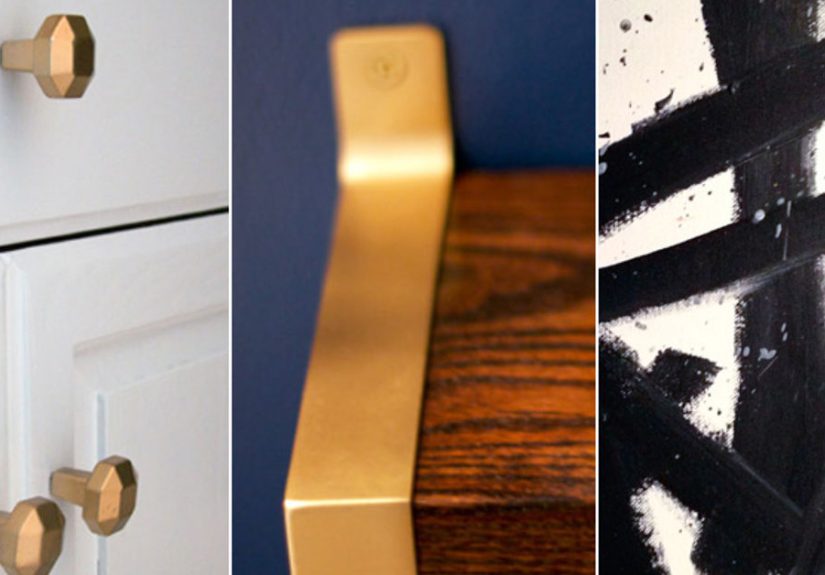
- Hardware refresh: New cabinet pulls can modernize wood or painted cabinets fast.
- Vintage additions: One thrifted piece with character can “de-template” a whole space.
- Organization upgrades: Entry hooks, baskets, and drawer inserts are unsexy but life-changing.
12. Trends to Use Carefully (Because Future-You Will Have Opinions)
Some trends are fun but can age quickly if overdone. If you love them, go for itjust aim for balance.
- Matchy-matchy rooms: Perfect sets can look flat. Mixing materials and eras adds depth.
- All-white everything: It can feel clinical. Warm it up with texture, wood, and layered lighting.
- Fast furniture: Cheap “trend pieces” often don’t last. If it breaks in a year, it’s not a bargain.
- Overly open layouts: If you can hear the dishwasher from your pillow, your layout may need zones.
- Matte black overload: A little is sharp; too much can feel harsh. Mix metals and finishes for warmth.
13. Experiences With Home Trends (Real-Life Scenarios You’ll Recognize)
Trends sound glamorous in headlines, but what do they feel like on a random Wednesday night when you’re tired, hungry, and stepping over a backpack?
Here are some “lived-in” experiences homeowners and renters commonly describe when they actually apply today’s home trendsmess, pets, and all.
The warm-neutral reset: People often say the shift from cool gray to warmer neutrals is the fastest way to make a home feel friendlier.
One common experience is repainting a main living area from gray to a creamy off-white or soft taupe and immediately noticing that the room looks better
in every kind of lightmorning sun, late-afternoon shadows, and the dreaded overhead light at night. It can even make older furniture feel more intentional,
like it’s part of a plan instead of a hand-me-down that never found its final home.
Color drenching confidence: The first few days after someone color-drenches a small space (like a home office, powder room, or bedroom),
there’s usually a moment of “Did I just make a mistake?” Then the room starts to feel like a destination. People describe it as cozy, focused, and oddly
calminglike the walls are giving your brain fewer things to argue about. The best real-life lesson tends to be choosing a color you genuinely like in
everyday life, not just one that looks impressive online.
Open plan… with boundaries: Families who add zones to an open layout often report a surprising benefit: the home feels quieter, even when
nobody is actually being quieter. A rug and a pair of chairs can create a “conversation corner,” while a slim console behind the sofa turns into a natural
drop zone for keys and mail. The experience is less about walls and more about signalsyour brain understands where to work, where to relax, and where to
eat. That mental separation can be a bigger upgrade than a new coffee table.
Storage as daily relief: The appliance garage trend isn’t exciting until you live with it. People describe the emotional difference of
waking up to clear counters: fewer cords, fewer crumbs trapped behind the toaster, fewer “why does this room feel chaotic?” moments. Even renters get a
version of this by using closed bins, a rolling cart with doors, or a cabinet dedicated to “small appliances that only come out when invited.”
Wellness spaces that actually get used: Wellness at home isn’t always a yoga studio. In real life, it’s often a reading chair with a lamp
that doesn’t glare, a bedroom with curtains that block streetlight, or a bathroom that doesn’t feel like a fluorescent interrogation room. People often
say these upgrades are the ones they feel the most because they touch the start and end of the daysleep, showers, and decompression time.
Resilience upgrades feel boring… until they don’t: Homeowners who add practical resilience features (better drainage, upgraded seals,
fire-resistant landscaping choices, smart temperature monitoring, or backup-friendly energy planning) rarely call them “fun.” But they do describe a real
change in peace of mind. The experience is similar to buying good tires: you forget about ituntil the weather turns, and suddenly you’re very glad you
did the responsible thing.
Smart home tech, but the useful kind: The best smart home stories aren’t about voice assistants telling jokes. They’re about everyday
friction disappearing: lights that turn on when hands are full, thermostats that stop wasting energy, leak sensors that catch a problem early, and locks
that reduce the “Did I lock the door?” spiral. People who enjoy smart upgrades most tend to pick a few high-impact features and keep everything else simple.
Conclusion
The best home trends aren’t the loudest onesthey’re the ones that make your home work better for your real life. Warm neutrals and richer woods help
spaces feel more welcoming. Color and pattern bring personality back. Zoning and storage cut daily stress. Wellness features support rest. Smart tech is
moving toward easier compatibility and more energy-focused benefits. And resilience is becoming a normal part of design instead of an afterthought.
If you want a simple way to choose what to adopt, try this three-step filter: (1) pick the mood you want (calm, bold, cozy, bright), (2) pick the daily
problem you want to solve (clutter, lighting, noise, comfort), and (3) choose materials and colors that support both. Trends come and gocomfort and good
decisions stick around.