Table of Contents >> Show >> Hide
- The Short Answer: Fall Mulching Is Usually Worth It, but Not for Every Yard
- What Fall Mulch Actually Does for Plants
- When Fall Mulching Is Absolutely Worth the Money
- When Fall Mulching Can Be a Waste of Money
- The Biggest Fall Mulching Mistakes Gardening Pros See
- Best Types of Mulch for Fall
- How to Mulch in the Fall Without Wasting Money
- Ways to Save Money on Fall Mulching
- The Gardening Pro Verdict
- Real-World Experiences With Fall Mulching
Some fall garden chores feel undeniably smart. Watering a thirsty evergreen before winter? Sensible. Cleaning diseased plant debris out of the bed? Also sensible. Buying several bags of mulch when the air is cold, the leaves are falling, and your wallet is already side-eyeing you? That one can feel a little suspicious.
So, is mulching in the fall a waste of money? In most cases, no. Done correctly, fall mulching can be one of the most practical things you do for your landscape before winter. It helps regulate soil temperature, protect roots, reduce frost heaving, conserve moisture, and keep winter weeds from throwing a party while you are indoors pretending you are “taking a break” from gardening. But there is a catch: when fall mulch is applied at the wrong time, in the wrong amount, or in the wrong place, it can become a classic yard-care money pit.
That is the answer a gardening pro would give, and it is also what the broader body of U.S. extension and horticulture advice supports. The real question is not whether fall mulching works. The real question is whether your garden needs it, and whether you are doing it in a way that helps plants instead of smothering them like a well-meaning but overenthusiastic aunt.
The Short Answer: Fall Mulching Is Usually Worth It, but Not for Every Yard
If you have newly planted trees or shrubs, late-planted perennials, tender roses, broadleaf evergreens, or exposed garden beds that cycle through freezing and thawing, fall mulching is generally money well spent. These plants benefit from a more stable root-zone temperature and from soil that stays evenly moist going into winter.
On the other hand, if your beds are already well-mulched, your perennials are fully established, your drainage is excellent, and you live in a mild climate with minimal freeze-thaw drama, adding a fresh, thick layer every fall may not give you much return. In that case, you may be paying for the gardening equivalent of an extra umbrella on a sunny day.
In other words, fall mulching is not automatically a waste of money. It becomes a waste when it is done out of habit rather than need.
What Fall Mulch Actually Does for Plants
It Helps Stabilize Soil Temperature
One of the biggest benefits of winter mulch is not that it keeps soil warm like a heated blanket. That is a common misconception. Its real superpower is moderation. A good mulch layer slows down rapid swings in soil temperature. That matters because repeated freezing and thawing can push shallow-rooted or newly planted perennials up out of the soil, a problem known as frost heaving.
If you have ever seen a perennial look oddly lifted in late winter or early spring, like the plant is trying to make a break for it, frost heaving may be the culprit. Fall mulch helps keep that from happening by reducing those dramatic temperature fluctuations.
It Conserves Moisture for Winter Survival
Cold weather is not the only winter stress plants face. Dryness is a major problem too, especially for evergreens. Broadleaf evergreens such as boxwood, azalea, and rhododendron can lose moisture from their leaves during winter, even when the ground is frozen and roots cannot replace that moisture easily. Mulch helps soil hold water more evenly, which can reduce winter burn and desiccation.
That is why fall mulching can be especially valuable around newly planted shrubs and trees. Young root systems are less forgiving than older ones. They do not want drama. They want consistency.
It Suppresses Weeds and Reduces Erosion
Fall mulch also helps with weed suppression, including winter annual weeds that love cool soil. And in bare beds, mulch can reduce erosion from rain, snowmelt, and wind. That means your soil stays where it belongs instead of slowly migrating into the walkway like it pays rent there.
It Improves Soil Over Time
Organic mulches such as shredded bark, wood chips, pine needles, composted leaves, and straw gradually break down. As they do, they contribute organic matter and help improve soil structure. That does not happen overnight, and it is not a replacement for good soil preparation, but it is one more reason fall mulching can pay off over time.
When Fall Mulching Is Absolutely Worth the Money
Newly Planted Trees and Shrubs
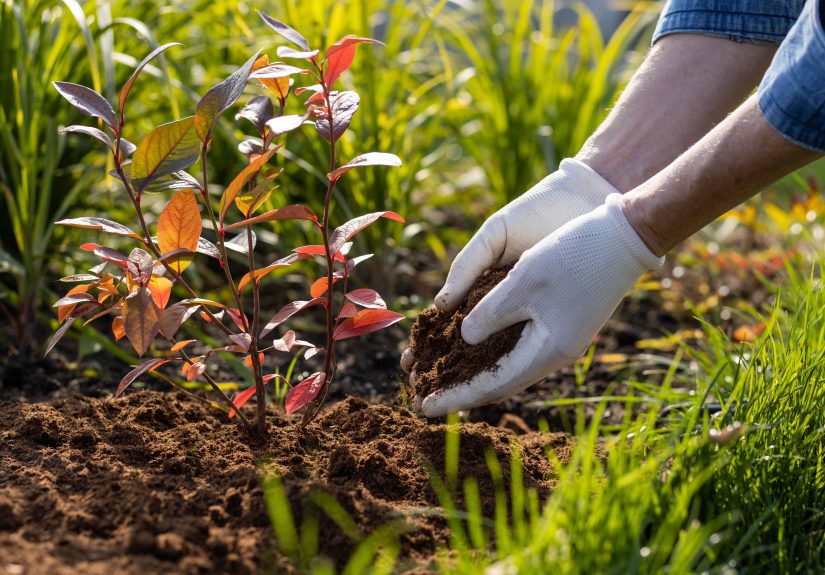
If you planted woody ornamentals in late summer or fall, mulch is one of the best support moves you can make. These plants are still establishing roots, and a modest mulch ring helps hold moisture and protect the root zone. Around trees and shrubs, wood chips or shredded bark are often the most practical choice.
Late-Planted or Divided Perennials
Perennials planted or divided late in the season often do not have enough time to establish before winter weather arrives. In those situations, a loose winter mulch can protect the crown and reduce heaving. This is especially useful in colder regions where freeze-thaw cycles are frequent.
Marginally Hardy Plants
Some plants are tough in theory and dramatic in practice. Roses, less reliably hardy perennials, and some specialty ornamentals can benefit from extra winter protection. If a plant is growing near the edge of its hardiness comfort zone, fall mulch is not a luxury. It is insurance.
Broadleaf Evergreens and Exposed Sites
Windy sites, open beds, and plants that hold foliage through winter often benefit from mulch because they are more vulnerable to moisture loss and temperature stress. If your landscape sits in an exposed area where winter winds swagger through like they own the place, mulch can make a noticeable difference.
When Fall Mulching Can Be a Waste of Money
When the Bed Already Has Enough Mulch
This is one of the most common mistakes. Gardeners add fresh mulch every year without checking how much is already there. Over time, a tidy two-inch layer becomes four inches, then six, then a situation. Too much mulch can reduce oxygen around roots, trap excess moisture, and create conditions that invite rot and pest issues.
If your beds still have an effective mulch layer from spring or summer, you may only need a light top-up in bare spots rather than a full replacement.
When You Mulch Fully Established, Hardy Perennials That Do Not Need It
Not every perennial needs winter pampering. In well-drained soil, many established hardy perennials can get through winter just fine without a special fall blanket. If the plant is mature, adapted to your climate, and already growing in a healthy bed, a big fall mulching effort may offer limited benefit.
When You Use Expensive Materials Where Free Options Would Work
Premium decorative mulch has its place, especially in highly visible landscape beds. But if your main goal is winter protection, you may not need the fancy bagged stuff. Shredded leaves, arborist wood chips, or other low-cost organic materials can often do the job beautifully. Paying top dollar for color-enhanced mulch in a side bed behind the garage is a personal choice, but let’s just say the plants are not impressed.
When You Mulch at the Wrong Time
Timing matters. Apply winter mulch too early and you can delay dormancy, keep soil warmer than ideal, or create cozy shelter for rodents. Apply it after the proper window and you may miss the chance to protect roots before harsh swings in temperature arrive. In many regions, the sweet spot is after a hard frost or after the soil has cooled significantly, but before deep winter sets in.
The Biggest Fall Mulching Mistakes Gardening Pros See
The Infamous Mulch Volcano
Piling mulch up against a trunk is one of the worst things you can do for a tree. It holds moisture against the bark, encourages rot, can invite insects and rodents, and may hide the root flare. Around woody plants, mulch should look like a donut, not a volcano. That is not just a catchy phrase. It is excellent plant advice.
Mulching Too Deep
Depth depends on the material, but more is not better. Fine-textured mulches often need a shallower layer than coarse ones. For many perennial beds, one to two inches is enough. Around trees and shrubs, two to four inches is often appropriate, depending on texture. Once the mulch gets excessively deep, it stops being helpful and starts acting like a suffocating winter comforter.
Smothering Plant Crowns
Perennials do not want mulch packed directly over their crowns unless a specific winter protection technique calls for it. Constant contact can encourage crown rot, especially in wet conditions. Keep some breathing room around the plant base.
Using Whole Leaves That Mat Down
Leaves are not the villain. Unshredded leaves are the problem. Whole leaves often mat into a soggy layer that blocks air and water, especially over herbaceous perennials and strawberries. If you want to use leaves as mulch, shred them first.
Best Types of Mulch for Fall
Wood Chips or Shredded Bark
These are great choices for trees, shrubs, and landscape beds. They break down slowly, look tidy, and provide strong moisture and temperature benefits.
Shredded Leaves
Leaves are budget-friendly and excellent when shredded. They are especially useful if you want a low-cost mulch that also feeds the soil as it decomposes.
Straw or Pine Needles
For overwintering tender perennials or protecting certain crowns, straw and pine needles are often smart choices. Straw should be reasonably weed-free unless you are looking to turn spring into an identification game.
Composted Organic Matter
Compost can work as a light mulch in some situations, though it is often better as a soil amendment or a thin top-dressing rather than a thick winter blanket.
How to Mulch in the Fall Without Wasting Money
1. Start With a Soil and Bed Check
Pull back the existing mulch and measure it before buying more. If the bed already has enough depth, you may only need to refresh thin areas. Also remove weeds first. Mulch spread over active weeds simply creates a better-dressed weed problem.
2. Water Before the Ground Freezes
Dry soil going into winter can stress plants, especially evergreens. If rainfall has been limited, water deeply before applying mulch.
3. Wait for the Right Timing
In colder climates, wait until after a killing frost or until the soil has cooled and plants are dormant. The exact calendar date varies by region, so follow local conditions rather than a rigid holiday rule.
4. Match the Depth to the Material
Use less for fine materials and more for coarse ones. Keep it moderate. Your goal is a protective layer, not an archaeological dig site.
5. Keep Mulch Away From Trunks, Stems, and Crowns
Always leave space around the base of woody plants and avoid burying perennial crowns. That single habit prevents a remarkable number of landscape problems.
6. Pull It Back or Adjust in Spring
Winter mulch is not always a set-it-and-forget-it project. In spring, heavy mulch around tender crowns may need to be loosened or pulled back gradually so new growth can emerge and excess moisture does not linger.
Ways to Save Money on Fall Mulching
If the idea of buying multiple bags of mulch makes your credit card whimper, there are smarter options:
- Use shredded fall leaves from your own yard.
- Call local tree services about fresh arborist wood chips for tree and shrub beds.
- Top up existing mulch instead of removing and replacing everything.
- Reserve premium decorative mulch for front-yard visibility zones and use lower-cost organic mulch elsewhere.
- Focus on plants that genuinely benefit most, like new plantings and tender species.
The Gardening Pro Verdict
So, is mulching in the fall a waste of money? Not if you are doing it with a purpose. Fall mulching is a practical investment when it protects vulnerable roots, reduces frost heaving, supports moisture retention, and helps your garden enter winter in stable condition. It becomes wasteful only when it is done automatically, excessively, or without regard to the plant, the site, or the material.
The smartest approach is selective, not obsessive. Mulch the plants that need it most. Use the right material. Apply it at the right time. Keep it off trunks and crowns. And before buying another dozen bags, check whether your beds already have enough. Your garden will be healthier, and your budget will avoid an unnecessarily dramatic autumn subplot.
Real-World Experiences With Fall Mulching
One reason this topic confuses so many gardeners is that fall mulching does not look the same in every yard. In real life, the results often depend on plant age, soil drainage, climate, and plain old gardening habits. A gardener with a newly planted hydrangea bed in a windy Midwestern backyard is going to have a very different experience from someone with a mature perennial border in a mild Southern climate.
A common experience goes like this: a gardener plants shrubs in early fall, skips mulch because winter is “right around the corner,” and then notices in late winter that the soil has cracked, the root zone has dried, and one or two plants look rough by spring. In that case, the missing mulch was not a cosmetic issue. It was the missing buffer that could have helped stabilize the root area and conserve moisture.
Another familiar pattern happens with perennials planted late in the season. Gardeners often assume the plants are hardy, so they should be fine on their own. Then spring arrives, and a few crowns have heaved upward or dried out after repeated freeze-thaw cycles. A light, well-timed winter mulch would not have turned those plants into royalty, but it probably would have improved their odds.
Then there is the opposite experience, which is just as important. A gardener adds a thick new mulch layer every fall because it feels responsible, only to discover compacted mulch, soggy crowns, and a tree trunk buried like it is hiding from creditors. In these cases, fall mulching was not helpful because the bed did not need more material. The mistake was assuming yearly addition automatically equals better care.
Many gardeners also learn through trial and error that mulch choice matters. Whole leaves may seem wonderfully free until they mat down into a wet blanket over herbaceous perennials. Fresh, loose straw may work beautifully for tender plants, while bark mulch often performs better around shrubs. The “best mulch” is usually the one that fits the plant and the purpose, not the one with the prettiest bag at the garden center.
Experienced gardeners often end up with a balanced approach. They mulch new plantings faithfully, keep mulch rings around trees wide and shallow, reuse shredded leaves whenever possible, and stop adding material once the bed already has enough depth. That is usually when fall mulching starts to feel less like a yearly expense and more like a strategic tool.
In the end, the most useful real-world lesson is simple: fall mulch works best when you use it deliberately. Not because the calendar says so. Not because the neighbor did it. Not because the garden center stacked the bags by the entrance and made you feel judged. Just because the plants in front of you actually benefit from it.