Table of Contents >> Show >> Hide
- What Are Traditional English Crumpets?
- Why This Traditional English Crumpets Recipe Works
- Ingredients
- Equipment You Will Need
- How to Make Traditional English Crumpets
- Tips for Signature Holes and the Best Texture
- Common Crumpet Problems and How to Fix Them
- Best Ways to Serve Traditional English Crumpets
- How to Store and Reheat Crumpets
- Traditional English Crumpets Recipe at a Glance
- Conclusion
- Experience Notes: What It Is Really Like to Make and Eat Homemade Crumpets
- SEO Tags
Some breakfasts are loud. Bacon crackles. Smoothies roar. Toasters launch bread like tiny carb-powered fireworks. Crumpets, by comparison, are charmingly dramatic in a quieter way. They sit in a pan, puff gently, form dozens of little holes, and then calmly become the kind of breakfast that makes you say, “Well, this is ridiculously good for something that looks so humble.”
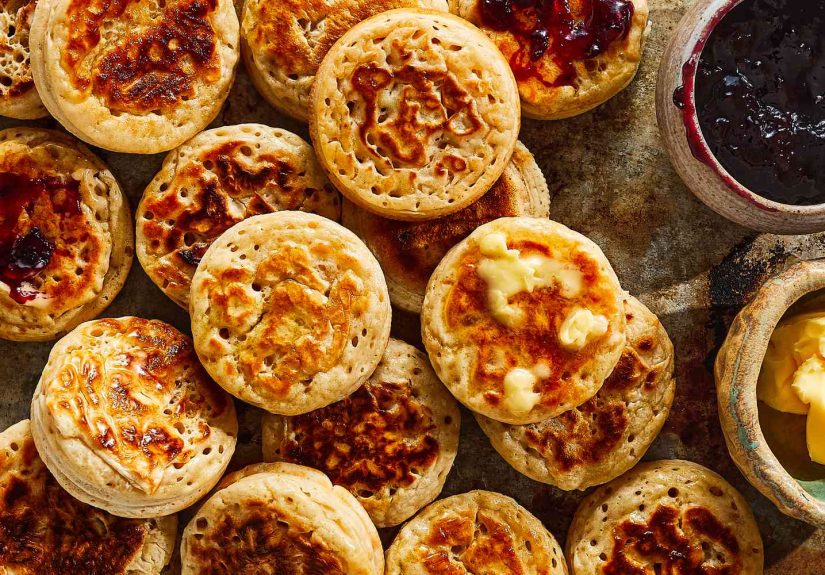
If you have ever wondered how to make a traditional English crumpets recipe at home, you are in the right place. This version leans into the classic character people love: a chewy, springy interior, a golden bottom, and a top full of butter-catching nooks that make toast seem almost underqualified. Think of them as the delicious middle ground between an English muffin and a pancake, except they are not really trying to be either. Crumpets are their own wonderfully holey thing.
In this guide, you will get a reliable homemade method, ingredient notes, step-by-step instructions, troubleshooting tips, and serving ideas. Whether you are making them for breakfast, brunch, or a proper afternoon tea moment that feels just a little fancy, these homemade crumpets are absolutely worth the griddle space.
What Are Traditional English Crumpets?
Crumpets are classic British griddle breads made from a loose yeast batter rather than a kneaded dough. That one detail changes everything. Because the batter is thinner, it cooks up with a soft, moist interior and a top covered in signature holes. Those holes are not just for looks; they are tiny butter reservoirs, and frankly, they deserve respect.
Unlike English muffins, crumpets are usually cooked primarily on one side in metal rings, then toasted whole before serving. You do not fork-split them. You do not turn them into breakfast sandwiches and pretend that is the same experience. A proper crumpet is toasted, buttered generously, and often topped with jam, honey, marmalade, or clotted cream.
Why This Traditional English Crumpets Recipe Works
This recipe keeps the ingredient list simple and classic while using a method that works well in a regular American kitchen. Warm milk and water create a soft, supple batter. Yeast adds flavor and lift. A little baking powder helps encourage those iconic bubbles during cooking. Low heat gives the batter time to set before the bottoms get too dark. Ring molds keep the shape neat and tall enough for a proper crumpet texture.
The result is exactly what you want from a homemade crumpet recipe: crisp underneath, tender in the middle, and ready to absorb an irresponsible amount of melted butter.
Ingredients
For the Crumpet Batter
- 3 1/2 cups all-purpose flour
- 2 teaspoons granulated sugar
- 2 teaspoons instant yeast
- 1 teaspoon fine salt
- 1 cup whole milk, lukewarm
- 1 1/2 cups lukewarm water
- 2 tablespoons unsalted butter, melted
- 1 teaspoon baking powder
For Cooking
- Neutral oil or nonstick spray
- Crumpet rings, English muffin rings, or well-greased egg rings
For Serving
- Salted butter
- Jam, marmalade, honey, or lemon curd
- Optional: clotted cream
Equipment You Will Need
- A large mixing bowl
- A whisk or wooden spoon
- A large nonstick skillet, griddle, or cast-iron pan
- Crumpet rings
- A spatula
If you do not own crumpet rings, egg rings can work. In a pinch, clean metal rings from food-safe molds can do the job too. The key is that they must be sturdy, greased well, and able to sit flat in the pan.
How to Make Traditional English Crumpets
Step 1: Mix the Batter
In a large bowl, whisk together the flour, sugar, yeast, and salt. Add the lukewarm milk, lukewarm water, and melted butter. Whisk until the batter is smooth and thick, somewhere between pancake batter and very loose bread dough. It should pour, but not race around the bowl like it is late for a meeting.
Step 2: Let It Rise
Cover the bowl with a clean towel or plastic wrap and let the batter rise in a warm spot for 60 to 90 minutes. It should look puffed, foamy, and clearly alive. If your kitchen is cool, it may take a little longer. Crumpets are patient people food; they do not appreciate rushing.
Step 3: Add the Baking Powder
Once the batter is bubbly, whisk in the baking powder. If the batter feels too thick to pour, add 1 to 2 tablespoons of warm water. The ideal consistency is thick enough to hold shape in the rings, but loose enough that bubbles can travel upward while cooking.
Step 4: Prep the Pan and Rings
Heat a lightly greased skillet or griddle over low to medium-low heat. Grease the inside of the crumpet rings well and place them in the pan. Do not skip the greasing unless you enjoy unnecessary drama and ring-related regret.
Step 5: Cook the Crumpets
Pour batter into each ring until it is about halfway to two-thirds full. Cook slowly for 7 to 10 minutes, sometimes a bit longer, depending on your stove and pan. As they cook, bubbles should rise and pop across the surface. Eventually, the tops will look mostly set and dry rather than glossy.
When the tops are nearly dry and the bottoms are golden, carefully remove the rings. If you want, flip the crumpets for 30 to 60 seconds to lightly set the tops, but avoid overcooking. The classic texture comes from cooking them mostly on one side.
Step 6: Cool, Then Toast
Transfer the crumpets to a rack. You can eat one warm right away because nobody is judging, but crumpets truly shine after a quick toast. Toast until the edges are slightly crisp, then butter them while they are hot so it melts into every crater like a tiny breakfast miracle.
Tips for Signature Holes and the Best Texture
1. Keep the Heat Gentle
This is the big one. If the pan is too hot, the bottoms brown before the tops have time to develop holes and set. Low, steady heat is what gives crumpets their classic honeycomb surface.
2. Use a Proper Batter Consistency
Too thick, and the bubbles struggle to rise. Too thin, and the batter spreads or cooks up flat. Aim for a thick, pourable batter that moves slowly from a ladle.
3. Wait for Real Fermentation
The batter should look bubbly before it ever hits the skillet. If it still looks sleepy after rising, give it more time. Under-risen batter leads to dense crumpets.
4. Grease the Rings Well
A stuck crumpet is a heartbreaking thing. Grease the rings thoroughly so they lift off cleanly once the sides have set.
5. Toast Before Serving
Fresh crumpets are lovely, but toasted crumpets are elite. Toasting sharpens the edges, warms the center, and creates the perfect setup for butter, jam, and all your best breakfast intentions.
Common Crumpet Problems and How to Fix Them
No Holes on Top
Your batter may be too thick, under-risen, or cooking at too high a temperature. Thin it with a tablespoon of warm water, let it sit a little longer, or reduce the heat.
Raw Middle
The pan is likely too hot. Lower the heat and give the crumpets more time. They need a slow cook so the center can set before the base gets too dark.
Flat Crumpets
The batter may be too thin or the yeast may not have activated properly. Make sure your liquid is warm, not hot, and give the batter enough time to rise.
Crumpets Sticking to Rings
Grease the rings more generously and wait until the edges are clearly set before trying to remove them. A thin knife can help loosen stubborn spots.
Best Ways to Serve Traditional English Crumpets
The classic move is simple: toast, butter, repeat. But that is only the beginning. Here are a few excellent options:
- Salted butter and strawberry jam: timeless, cozy, impossible to dislike
- Marmalade: bright, slightly bitter, and very tea-time appropriate
- Honey and butter: sweet, glossy, and deeply comforting
- Lemon curd: rich, tart, and quietly luxurious
- Clotted cream and jam: the full grand gesture
- Savory version: butter, sharp cheddar, and a pinch of flaky salt
If you are planning brunch, serve crumpets with soft scrambled eggs, fruit, and a strong pot of tea or coffee. If you are planning a quiet afternoon and hoping to feel like the star of a British period drama without the corset, crumpets can help with that too.
How to Store and Reheat Crumpets
Let the crumpets cool completely before storing. Keep them in an airtight container at room temperature for up to 2 days. For longer storage, freeze them with parchment between layers so they do not stick together.
To reheat, toast them straight from room temperature or the freezer. Avoid microwaving unless you are specifically aiming for “soft but vaguely disappointed.” A toaster or skillet brings back the best texture.
Traditional English Crumpets Recipe at a Glance
- Prep time: 15 minutes
- Rise time: 60 to 90 minutes
- Cook time: 20 to 30 minutes
- Yield: 10 to 12 medium crumpets
- Skill level: Easy to moderate
Conclusion
A good traditional English crumpets recipe is equal parts simple and satisfying. The ingredients are everyday pantry basics, but the result feels special: airy, chewy, golden, and gloriously ready for butter. Once you understand the method, especially the importance of batter consistency and low heat, homemade crumpets become far less mysterious and far more achievable.
They are perfect for breakfast, brunch, afternoon tea, or any moment when toast feels a little too ordinary. And honestly, there is something delightfully triumphant about pulling a batch of homemade crumpets from the pan and seeing all those beautiful little holes staring back at you like edible applause.
Experience Notes: What It Is Really Like to Make and Eat Homemade Crumpets
Making crumpets at home is one of those kitchen experiences that feels oddly theatrical in the best way. At first, the batter does not look like much. It sits there in the bowl, pale and unremarkable, giving off very little indication that it is about to become the breakfast equivalent of a warm hug. Then time and yeast do their work. You come back an hour later, and suddenly the bowl is full of bubbles and optimism.
The real fun begins when the batter hits the rings. This is where homemade crumpets become more than just a recipe; they become a tiny live performance on your stovetop. You pour the batter into the rings, keep the heat low, and wait. At first, nothing dramatic happens. Then small bubbles appear. Then more. Then the top starts to transform into a soft landscape of holes and tunnels, and you realize why people get so attached to crumpets in the first place.
There is also a very specific kind of satisfaction in learning patience through crumpets. Pancakes reward speed. Crumpets reward restraint. If you crank the heat and try to force the process, they punish you with dark bottoms and gummy centers. If you stay calm and let them cook slowly, they pay you back with perfect texture. It is an unexpectedly decent life lesson from a round piece of bread.
The first bite is the part that wins people over. Toasted crumpets are crisp around the edges, tender in the middle, and incredibly good at holding melted butter. Not just on top, either. The butter sinks into the holes and spreads through the interior, so every bite tastes richer than you expect. Add jam, marmalade, or honey, and it becomes the kind of breakfast that makes people stop mid-sentence just to appreciate it properly.
Homemade crumpets also have a cozy nostalgia factor, even for people who did not grow up eating them. They feel old-fashioned in a comforting way, like something that belongs beside a teapot, a rainy window, and a wool sweater you refuse to throw out because it has “character.” They turn an ordinary morning into an occasion without requiring anything flashy.
And then there is the quiet pride that comes from serving them to someone else. Most people do not expect homemade crumpets. They expect toast. Maybe waffles if you are ambitious. But crumpets? That feels impressive. You put a plate on the table, the butter melts into all those little craters, and suddenly you look like someone who absolutely has their life together, even if you are still wearing mismatched socks and have flour on your sleeve.
So yes, crumpets take a little time. They ask for a gentle hand and a bit of practice. But the experience is part of the reward. From the foamy batter to the first buttery bite, they make the kitchen feel warmer, the morning feel slower, and breakfast feel much more exciting than it has any right to be.