Table of Contents >> Show >> Hide
- Why Ferm Living Cutting Boards Stand Out
- The Main Ferm Living Cutting Board Designs to Know
- Materials, Craftsmanship, and Sustainability
- How Ferm Living Cutting Boards Perform in Real Kitchens
- How to Care for Ferm Living Cutting Boards
- Styling Ideas for Ferm Living Cutting Boards
- Are Ferm Living Cutting Boards Worth It?
- Extended Experience: Living With Ferm Living Cutting Boards Day After Day
Some kitchen tools are purely practical. Others are purely decorative. And then there is the sweet spot: the object that slices your sourdough, serves your cheese, and quietly makes your countertop look like it got promoted. That is exactly where Ferm Living cutting boards live. They are not trying to be flashy in a disco-ball way. They are trying to be sculptural, useful, tactile, and just a little smug about their Scandinavian good looks.
If you have spent any time admiring modern kitchen accessories, you have probably noticed that Ferm Living has a talent for turning everyday pieces into conversation starters. Their cutting boards are a strong example of that design philosophy. They are shaped with soft curves, crafted from FSC-certified wood, and designed to move easily from meal prep to tabletop serving. In other words, these are not the kind of boards you shove into a dark cabinet and forget until onion duty calls. They are designed to earn a visible place in the room.
In this guide, we are taking a closer look at what makes Ferm Living cutting boards so appealing, which collections stand out, how they perform in real kitchens, how to care for them, and whether they are actually worth the price. Spoiler alert: if you like functional decor with genuine design credibility, these boards absolutely understand the assignment.
Why Ferm Living Cutting Boards Stand Out
The most obvious thing about Ferm Living kitchen accessories is that they rarely look generic. The brand has built its reputation on clean lines, sculptural silhouettes, and a warm, modern take on Scandinavian design. Even when the product is something as humble as a cutting board, the end result feels intentional.
That matters more than people admit. A cutting board is one of the most visible tools in a kitchen. It leans against the backsplash. It sits by the range. It appears in breakfast spreads, snack setups, and casual dinners. So when a brand creates a board that is both useful and display-worthy, it becomes more than a prep surface. It becomes part of the room’s style language.
Ferm Living boards are especially appealing to shoppers who want their kitchen to feel less like a purely utilitarian workspace and more like a lived-in, curated home. These boards tend to bridge that gap beautifully. They feel warm rather than clinical, organic rather than severe, and elevated without becoming fussy.
The Main Ferm Living Cutting Board Designs to Know
Cairn Cutting Boards
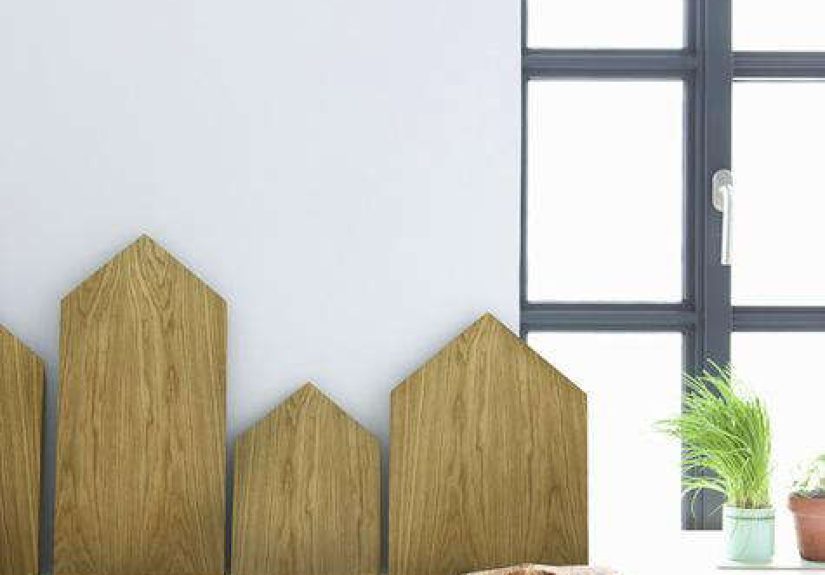
The Cairn collection is the best-known expression of Ferm Living’s cutting board aesthetic. These boards are defined by soft curves, rounded edges, and shapes inspired by cairns, the hand-stacked stone markers found in nature. That inspiration gives them a grounded, sculptural character that feels calm, organic, and slightly artistic without trying too hard.
The Cairn Cutting Boards are sold as a set of three, which instantly makes them practical. Instead of one oversized slab that dominates the counter, you get a trio of boards in different proportions. That gives you flexibility for quick fruit slicing, sandwich prep, cheese service, or a modest charcuterie layout that does not look like you are auditioning for a cooking show.
Ferm Living offers the Cairn set in finishes such as oak and dark brown. The oak version has a lighter, classic warmth, while the darker version feels moodier and more dramatic. The dark brown finish is especially good in kitchens with black hardware, stone countertops, or richer wood cabinetry. It has that “yes, I absolutely own linen napkins” energy.
One of the smartest things about the Cairn set is that it was clearly designed for both food prep and serving. These are boards you can use for chopping herbs, then wipe down and repurpose for bread, cheese, or fruit on the table. That dual-purpose flexibility helps justify the price, because you are not buying a single-use object. You are buying a kitchen accessory that can work overtime without looking tired.
Cairn Butter Boards
If the standard Cairn set is the multitasker, the Cairn Butter Boards are the charming little siblings. Sold as a set of four, these smaller boards are more serving-oriented than heavy-duty prep tools. They are ideal for breakfast toast, small snacks, individual plating, and easy tabletop styling.
The butter boards are particularly appealing if you entertain casually. They can work as mini serving plates for pastries, fruit, open-faced sandwiches, or small desserts. Because of their size and finish, they also fit beautifully into the current appetite for layered, relaxed table settings. They feel thoughtful without feeling precious.
That said, they are best treated as light-duty pieces. They are perfect for presenting food beautifully, but they are not the boards you should recruit for serious carving or aggressive meal prep. Think more “stylish snack moment,” less “Sunday brisket battlefield.”
Stribe Cutting Boards
Another compelling option in the Ferm Living lineup is the Stribe Cutting Board range. These boards lean more graphic than the Cairn designs. Instead of soft, pebble-like silhouettes, Stribe boards play with contrasting wood tones and striped visual detail, creating a look that feels slightly more architectural and modern.
The Stribe Cutting Board – Fine combines walnut and ash, while the Stribe Cutting Board – Bold combines walnut and oak. Both versions are generous enough for everyday prep, but they also have enough visual character to live permanently on display. If Cairn is soft and organic, Stribe is structured and graphic. Choosing between them really comes down to the mood of your kitchen.
Materials, Craftsmanship, and Sustainability
One of the stronger selling points for Ferm Living cutting boards is the use of FSC-certified wood. That detail matters because today’s design-minded shopper is often also thinking about sourcing, durability, and long-term value. A cutting board is not exactly a disposable purchase, and it should not be treated like one.
Wood is also a sensible material choice for many home cooks. It offers a warmer, more forgiving surface than glass or stone, and it generally feels better suited to kitchens that value both comfort and aesthetics. Ferm Living leans into that appeal by highlighting wood grain, rounded edges, and finishes that make each board feel slightly individual rather than factory-bland.
Because these pieces are made from natural wood, variation is part of the charm. Grain, tone, and character can differ from board to board. That is not a flaw. That is the point. If you want something perfectly identical and soulless, the office supply aisle is available. If you want something with personality, natural variation is part of the package.
The dark brown Cairn pieces have an especially distinctive look because of their carbonized finish. They read almost like decorative objects at first glance, which is a big part of their appeal. Ferm Living also notes that the charred scent that can come with these darker pieces diminishes over time, which is worth knowing if you are especially sensitive to new-product smells.
How Ferm Living Cutting Boards Perform in Real Kitchens
Design is great. Performance is better. Fortunately, Ferm Living boards do not ask you to choose between the two.
For everyday vegetable prep, bread slicing, cheese serving, and casual entertaining, these boards perform well because they are comfortable to handle, visually pleasing, and easy to integrate into different kitchen routines. The rounded edges help them feel softer in the hand than many standard rectangular boards, and the multiple-board sets make it easy to choose the right size for the task.
The biggest strength here is versatility. A board that moves smoothly from countertop prep to table presentation saves space, reduces clutter, and makes hosting feel easier. Instead of transferring food onto another tray or platter, you can often serve directly on the board itself. That kind of convenience matters more than the average person realizes.
Still, it is important to be realistic. These are hand-wash-only wood boards, not dishwasher-safe workhorses. They also sit in the premium category, which means they are partly an aesthetic purchase. If your kitchen style is “whatever was cheapest in a four-pack,” Ferm Living may feel extravagant. If your style is “I want my daily tools to look good enough to leave out,” they make much more sense.
How to Care for Ferm Living Cutting Boards
Good design deserves decent manners. If you buy a premium wood cutting board and then leave it soaking in a sink like it insulted your family, the board is not the problem.
Here are the simple care habits that help Ferm Living cutting boards stay in good condition:
1. Hand-wash them only
Use mild dish soap, warm water, and a soft sponge or brush. Skip the dishwasher entirely. Wood boards do not enjoy that kind of chaos.
2. Dry them promptly
After washing, dry the board thoroughly and let it air dry upright when possible. Standing it on its edge helps moisture evaporate more evenly.
3. Condition the wood regularly
A light application of food-safe mineral oil or board cream helps prevent the wood from drying out. This is especially useful if the board starts looking dull, thirsty, or less water-resistant.
4. Treat stains and odors quickly
If the board picks up stains or lingering smells, a simple deep-clean routine can help. Gentle scrubbing with salt and lemon is a classic trick, and targeted stain treatment may be useful when needed.
5. Be mindful about proteins and serving use
If you plan to use a board for serving cheese, butter, pastries, or fruit, keep it especially clean and consider separating that use from raw protein prep. That is just smart kitchen hygiene, not kitchen paranoia.
Styling Ideas for Ferm Living Cutting Boards
One reason these boards are so popular is that they solve two decorating problems at once: they add warmth, and they add shape. Many kitchens are full of hard surfaces like tile, quartz, stainless steel, and glass. Wood boards soften all of that immediately.
You can style Ferm Living cutting boards in several easy ways:
Lean them against the backsplash
This is the simplest move, and it works beautifully. A stack of two or three boards behind a fruit bowl or near the range gives the kitchen texture without clutter.
Hang them on wall hooks
If your kitchen is short on storage but long on charm, hanging the boards turns them into decor. This works especially well with organic shapes like the Cairn collection.
Use them on open shelving
Wood cutting boards break up rows of ceramics and glassware, adding a warm, grounded element that keeps open shelves from looking too flat or too sterile.
Build a low-effort serving moment
Add cheese, fruit, crackers, and a small dish of honey or olives, and suddenly your board is hosting. No dramatic garnish performance required.
Are Ferm Living Cutting Boards Worth It?
For the right buyer, yes. Ferm Living cutting boards are worth it if you care about materials, design, and the visual atmosphere of your kitchen. They are especially appealing for people who want fewer objects that do more, rather than a drawer full of utilitarian tools with all the personality of a beige cubicle.
You are paying for craftsmanship, finish, brand identity, and design value as much as raw cutting performance. That does not make them impractical. It simply means they belong to the category of home goods that aim to improve the experience of daily life, not just complete a task.
If your kitchen is a place where cooking, hosting, and aesthetics all matter, these boards can be a smart buy. If you want a purely functional chopping surface for rough daily abuse, there are cheaper options. But if you want a board that can prep an apple, serve a wedge of brie, and look fantastic while doing both, Ferm Living offers a strong case.
Extended Experience: Living With Ferm Living Cutting Boards Day After Day
What is the actual experience of living with Ferm Living cutting boards over time? In many ways, that is where they make the strongest impression. On day one, you notice the shape. On week one, you notice how often you reach for them. On month one, you realize they have quietly become part of your kitchen’s personality.
In a real home, the beauty of these boards is not limited to dinner-party moments. They shine in the ordinary parts of the day. A smaller board comes out for slicing a lemon for sparkling water. Another becomes the landing spot for toast and jam on a rushed weekday morning. One of the larger boards ends up under a little arrangement of grapes, cheese, and crackers when a friend drops by unexpectedly and you want to look more prepared than you actually are. The boards make those tiny moments feel a little more composed, and that is a surprisingly valuable thing.
There is also something satisfying about the tactile experience. The rounded edges feel gentle in the hand. The wood brings visual softness to a room full of hard kitchen materials. The darker finishes feel moody and refined, while the lighter oak versions keep things bright and natural. Even when they are not in use, they contribute to the room. They lean against the wall, sit near the stove, or rest on a shelf, and they look like they belong there rather than like they were abandoned mid-task.
Of course, owning them also means accepting the rituals that come with wooden kitchen tools. You wash them by hand. You dry them properly. You give them a little oil now and then. This is not high drama, but it is a relationship. You do not toss them in the dishwasher and walk away like the board owes you rent. If you like the idea of kitchen objects aging gracefully, that ritual can actually become part of the pleasure.
Another real-world benefit is that a multi-board set changes how you work. Instead of dragging out one huge board for every tiny job, you can match the board to the moment. That makes the kitchen feel more flexible and less crowded. It also nudges you toward better presentation. A quick snack suddenly gets plated. A piece of bread gets served with olive oil instead of eaten over the sink like a secret. Your kitchen behavior becomes just a bit more civilized, which is honestly impressive for a slab of wood.
The best way to describe the experience is this: Ferm Living cutting boards make everyday kitchen life feel a touch slower, calmer, and more intentional. They do not turn you into a professional chef, and they do not magically make cleanup fun. Let us stay grounded. But they do make ordinary routines feel more beautiful, and that is exactly why people fall for them.
Note: Because these are natural wood products, finishes, grain variation, scent, retailer pricing, and availability may differ slightly by colorway, batch, and seller.