Table of Contents >> Show >> Hide
- Quick Table of Contents
- What a Gray Stoneware Crock Is (and Isn’t)
- Why Gray Works: Style, Finish, and Function
- Top Uses for a Gray Stoneware Crock
- How to Choose the Right Gray Stoneware Crock
- Food Safety: Glazes, Lead, Chips, and What Matters
- Care & Cleaning: Keep It Fresh, Not Funky
- Antique vs. New: Collectible Charm vs. Modern Convenience
- FAQ
- Conclusion: A Simple Vessel That Does a Lot
- of Real-World Gray Stoneware Crock Experiences
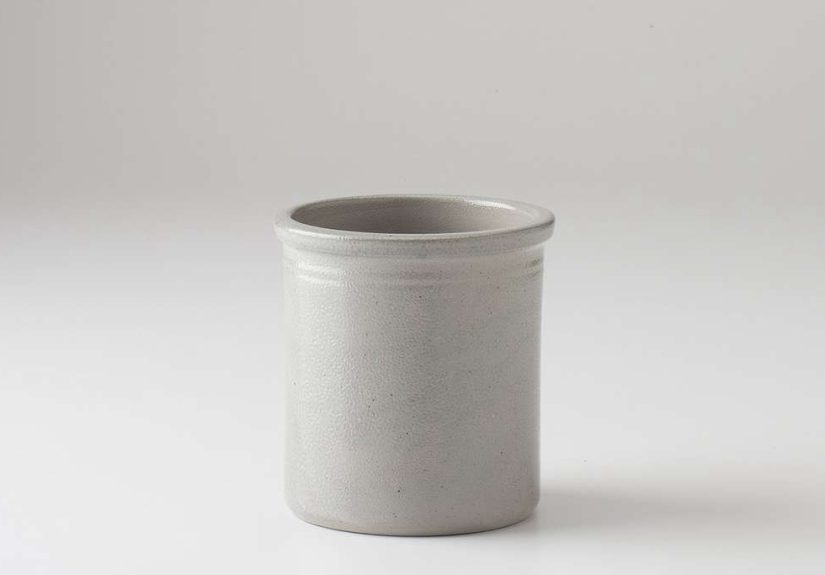
There are two kinds of kitchen items: the ones that look good but never get used, and the ones that work so hard they should have a tiny employee badge. A gray stoneware crock can be bothquietly handsome on your counter and wildly useful for everything from fermenting sauerkraut to wrangling rogue spatulas.
This guide breaks down what a gray stoneware crock is, how it’s made, how to choose the right one, and how to care for it so it lasts longer than your current obsession with “hot honey on everything.”
Quick Table of Contents
- What a Gray Stoneware Crock Is (and Isn’t)
- Why Gray Works: Style, Finish, and Function
- Top Uses: Fermentation, Storage, and Everyday Kitchen Life
- How to Choose the Right Crock
- Food Safety: Glazes, Lead, Chips, and What Matters
- Care & Cleaning: Keep It Fresh, Not Funky
- Antique vs. New: Collectible Charm vs. Modern Convenience
- FAQ
- of Real-World Crock Experiences
- SEO Tags (JSON)
What a Gray Stoneware Crock Is (and Isn’t)
Stoneware is a high-fired ceramic that’s typically denser and less porous than earthenware. In plain English: it’s tough, it can handle daily use, and it doesn’t soak up liquids as eagerly as softer clay bodies. A stoneware crock is usually a thick-walled vesseloften cylindricalwith enough heft to stay put on a counter and enough capacity to be useful.
Common “Crock” Types You’ll See
- Utensil crock: A countertop holder for spoons, whisks, tongs, and the spatula you swear you put down five seconds ago.
- Fermentation/pickling crock: Built for making sauerkraut, kimchi, pickles, and other ferments. These may be open crocks (with weights) or water-seal crocks (with a moat-like rim).
- Storage crock: For flour, sugar, coffee, salt, dog treats, or the mysterious “snack mix” that appears whenever relatives visit.
- Decorative/antique crock: Often thicker, heavier, and sometimes stamped with a maker’s mark or decorated with cobalt blue motifs.
What it isn’t: a slow cooker insert (often called a “crock,” yes, confusing) or a flimsy decorative jar that only exists to collect dust and compliments. A real stoneware crock has presence. It’s the bouncer of your countertop organization system.
Why Gray Works: Style, Finish, and Function
Gray is the “black t-shirt” of kitchen decor: it goes with everything, never looks overly precious, and hides life’s little smudges better than pure white. But a gray stoneware crock isn’t just about color. The finish matters too.
Matte, Satin, Glossy: The Personality of Your Crock
Many gray crocks use a matte or satin glaze that feels modern (hello, Scandinavian minimalism) while still playing nicely with farmhouse and industrial kitchens. Glossy gray feels cleaner and brighter, while matte gray reads softer and more “handmade.” If you want your crock to look like it belongs in a chef’s kitchen, a satin or semi-gloss finish tends to hit that sweet spot: easy to wipe, not too shiny.
The Quiet Flex: Stoneware’s Durability
Stoneware is fired at higher temperatures than earthenware, giving it strength and density. That density is especially helpful if you’re using the crock for utensilsno tipping over when you grab the ladle like you’re pulling Excalibur from the stone.
Top Uses for a Gray Stoneware Crock
1) Utensil Holder That Actually Helps You Cook Faster
A utensil crock is the simplest upgrade with the biggest everyday payoff. Put it near the stove and you’ll stop doing that constant drawer-opening shuffle mid-sauté. The best part? Gray stoneware looks intentional, even if the utensils are a chaotic mix of silicone, wood, and “why is this spoon shaped like that?”
- Pro tip: Choose a wider base if you store tall utensils like whisks and spatulas.
- Counter sanity tip: Don’t overfill. If you can’t pull one tool out without a utensil Jenga collapse, it’s too full.
2) Fermentation Crock for Sauerkraut, Kimchi, and Pickles
If you’ve ever wanted to make sauerkraut at home, a crock makes the process feel both old-school and oddly empoweringlike you could survive a winter in a cabin, but you still want Wi-Fi. Traditional guidance for fermented foods emphasizes keeping vegetables submerged under brine to limit oxygen exposure and reduce the risk of mold growth.
Open Crock vs. Water-Seal Crock
- Open crock: You use a plate or weights to keep food under brine and cover the top with a clean cloth or lid (depending on your method).
- Water-seal crock: A built-in channel around the rim holds water, creating a seal that helps keep outside air out while letting fermentation gases escape. It’s like an airlock with better manners.
Example: Classic sauerkraut often ferments for weeks depending on temperature. Many home food preservation resources recommend a moderate room-temp range for quality kraut, with warmer temperatures speeding things up and cooler temperatures slowing fermentation down. If your house runs cold, your kraut might be on a long, thoughtful journey. If your kitchen is warm, it may sprint to the finish line (sometimes with softer texture if too warm).
3) Pantry Storage That Looks Like Decor
Gray crocks are excellent for dry goods because they look clean and calm even when your pantry is… not. Use them for flour, sugar, coffee beans, rice, or snacks. Add a label if you live with someone who thinks “white powder” is a perfectly clear category.
4) A Flower Vase, a Bread Bin, or a “Catch-All”
Stoneware crocks double as a sturdy vase for big bunches (the weight helps keep it stable). Some people also use crocks for countertop compost (with a lid), for holding kitchen towels, or for corralling mailbecause yes, the kitchen counter is apparently the official mailing address of modern life.
How to Choose the Right Gray Stoneware Crock
Step 1: Decide the Job (Utensils, Fermentation, Storage, or Decor)
The “right” crock depends on what you want it to do. A utensil crock needs stability and a wide opening. A fermentation crock needs food-safe surfaces, enough capacity, and a system for keeping food submerged (weights, inner lid, or water seal). A storage crock needs a decent lid and a glaze that’s easy to wipe.
Step 2: Pick the Size Without Guessing
- Utensil crock: Often ~6–8 inches tall with a wide mouth is a practical range for most kitchens.
- Small-batch fermentation: 1–2 gallons is friendly for beginners.
- Big-batch sauerkraut dreams: Larger crocks exist, but be honest about your fridge space and your commitment.
Step 3: Look for Features That Prevent Regret
- Thick base: Better stability for utensils and heavy mixing spoons.
- Smooth interior: Easier cleaning, less odor retention, fewer places for residue to hide.
- Food-safe glaze notes: Especially important if you’re fermenting or storing food long-term.
- Weights or compatible accessories: If fermenting, plan the whole system (crock + weights + lid/cover).
If you’re buying online, read the fine print for “microwave safe,” “oven safe,” and “dishwasher safe,” but treat those like relationship statuses: helpful, not always straightforward, and sometimes complicated by glaze, thickness, and thermal shock risk.
Food Safety: Glazes, Lead, Chips, and What Matters
If your gray stoneware crock will touch foodespecially acidic or salty foods like fermented vegetablesfood safety should be non-negotiable. Stoneware itself isn’t the usual issue; the glaze and the condition of the surface are.
Lead and Cadmium: The Unfun but Important Part
Some ceramic foodwares can leach lead (and sometimes cadmium) depending on glaze formulation, manufacturing controls, and how a piece is used. Food safety guidance from U.S. regulators includes strong advice against using pottery that tests positive for leachable lead for cooking, serving, or storing food and drinks.
Practical Safety Checklist
- Buy from reputable makers who specify food-safe standards and intended use.
- Don’t use chipped or cracked crocks for food. Cracks can harbor bacteria and the exposed body can stain or absorb odors.
- Be cautious with antique crocks for active food use (especially long-term storage or fermentation) unless you know the piece is safe for modern food contact.
- Acidic foods + questionable glaze = hard pass. Ferments are acidic and saltyexactly the kind of environment that can reveal glaze problems.
Bottom line: for fermentation and food storage, modern, clearly food-safe stoneware is usually the simplest path. Save antiques for display, or use them for non-food roles like utensil holding or decorunless you have reliable confirmation of safety.
Care & Cleaning: Keep It Fresh, Not Funky
Avoid Thermal Shock (a.k.a. “Don’t Temperature-Prank Your Crock”)
Stoneware is sturdy, but sudden temperature swings can cause cracks or breakageespecially in thicker pieces. Let hot stoneware cool before exposing it to cold environments, and avoid taking a cold crock straight into a hot oven unless the manufacturer says it’s designed for that kind of transition.
Cleaning Basics
- For everyday utensil use: Warm water, mild soap, soft sponge. Dry completely.
- For fermentation use: Clean thoroughly and let it air dry fully before storing to prevent lingering moisture and odors.
- Avoid harsh abrasives that can dull the glaze or leave micro-scratches where residue clings.
Odor Rescue (Because Garlic Has Main-Character Energy)
If your crock starts holding onto odors, simple household approaches can help. A baking soda paste (baking soda + a little water) can be used as a gentle deodorizing scrub. A diluted vinegar soak is another common approach for odor removal on ceramicsfollow with thorough rinsing and complete drying. (And yes, the crock may smell a little like salad dressing for a minute. It will pass.)
If the crock is unglazed on the interior (less common for modern food use, more common in certain traditional or decorative pieces), it may absorb odors more readily. In that case, longer drying times and gentle deodorizing methods matter even more.
Antique vs. New: Collectible Charm vs. Modern Convenience
Why Antique Stoneware Crocks Can Be Valuable
In 19th-century America, stoneware crocks were hardworking household staples for storing and preserving food before modern refrigeration. Many were salt-glazed and decorated with cobalt designs. Today, collectors look for maker’s marks, capacity numbers, distinctive decoration, condition, and rarity.
Every so often, the internet gets reminded that “old crock on the porch” can be code for “surprise treasure.” Auctions have seen dramatic prices for rare, well-marked crocksespecially large ones with distinctive motifs. If you inherit an old gray-ish stoneware crock with markings, treat it like you would a vintage guitar: don’t assume it’s worthless, and don’t “refinish” it without doing homework.
Why Modern CrooksSorry, CrocksAre Easier for Food Use
Modern stoneware crocks made for fermentation or food storage are typically designed with food-safe glazes, known manufacturing standards, and accessories like weights and water-seal lids. If your goal is to ferment safely and reliably, modern crocks usually win on convenience (and peace of mind).
FAQ
Is a gray stoneware crock dishwasher safe?
Sometimes. Many modern stoneware pieces can go in the dishwasher, but size and thickness matter (and so does the manufacturer’s guidance). If the crock is large or handmade, handwashing is often kinder and reduces the risk of chipping from clanking around.
Can I use an antique stoneware crock for sauerkraut?
It’s not automatically a “no,” but it’s rarely the easiest “yes.” Fermentation is salty and acidic, and you want confidence that the food-contact surface is safe and intact. Many people reserve antique crocks for decor or utensil holding and use modern fermentation crocks for food projects.
What’s the difference between stoneware and ceramic?
“Ceramic” is a broad category that includes earthenware, stoneware, and porcelain. Stoneware is one type of ceramictypically denser and fired at higher temperatures than earthenware.
Why do fermentation crocks come with weights?
Successful vegetable fermentation generally depends on keeping food submerged under brine, limiting oxygen exposure. Weights help keep produce below the brine line so the good microbes can do their thing without mold crashing the party.
Conclusion: A Simple Vessel That Does a Lot
A gray stoneware crock is one of those quietly brilliant kitchen pieces: it can be storage, organization, fermentation, and decorwithout screaming for attention. Choose the size based on the job, favor food-safe assurance if it’ll touch anything edible, and treat it kindly (no thermal shock stunts). Do that, and your crock will become the kind of everyday essential you reach for without thinkinguntil a friend visits and says, “Wait, where did you get that?” and you suddenly feel like the main character in a kitchen catalog.
of Real-World Gray Stoneware Crock Experiences
The first thing most people notice when they bring home a gray stoneware crock is how it instantly makes the kitchen look more “together.” Not like a showroommore like the kind of kitchen where someone casually bakes bread on Sundays and definitely has a favorite cutting board. You set the crock on the counter, drop in a few utensils, and suddenly the space feels intentional. It’s the décor version of putting on real shoes to answer the door.
Then comes the practical glow-up. The utensil crock stage is where the crock starts earning its keep. The first week is pure convenience: no more digging in drawers while something sizzles on the stove; no more “where is the whisk” panic right as the sauce starts to thicken. You learn quickly that the crock is happiest when it’s not overstuffed. A little breathing room keeps handles from tangling and turns the whole thing into a grab-and-go tool station instead of a utensil traffic jam.
If you use the crock for fermentation, the experience gets oddly satisfying. You prep cabbage, salt it, pack it down, and suddenly you’re participating in a tradition that predates refrigerators and probably predates your most-used app. The first few days feel like waiting for a houseplant to growlots of checking, lots of curiosity. People often learn the “submerged under brine” rule the easy way (doing it right) or the messy way (discovering a floating leaf can become a mold hotel). Once you get the hang of weights and brine level, the process becomes calmer. You’ll start to recognize the normal signs: bubbles, a pleasantly sour smell, and a slow shift from “salty cabbage” to “hey, that’s kraut.”
There’s also a very real “crock identity crisis” phase. The crock begins as a utensil holder, becomes a fermentation vessel for a month, then turns into a storage jar for wooden spoons again because you missed how it looked on the counter. Many kitchens rotate crocks by season: fermentation in late summer when produce is cheap, storage and organization in winter when cooking is heavier, flowers in spring when you’re pretending you’re effortlessly domestic.
The learning curve is mostly about care. You discover that stoneware is sturdy but not invincible, and that temperature swings are the enemy. You also learn that odors can linger if you store strong-smelling items or if you put the crock away before it’s fully dry. The best habit is simple: clean gently, rinse well, and let it air dry completely. Do that, and the crock stays neutral and freshready for its next role in your kitchen’s ongoing story. And yes, it will absolutely get compliments. Gray stoneware has that quiet charisma.