Table of Contents >> Show >> Hide
- What Is a Fruit Crisp (and Why It Always Wins at Potlucks)?
- The Crisp Blueprint: Two Parts, Infinite Possibilities
- Picking Fruit Like You Know What You’re Doing
- The Secret to a Great Fruit Crisp: Don’t Fear the Thickener
- How to Make Crisp Topping That’s Actually Crisp
- The Master Fruit Crisp Recipe (Use Any Fruit You Love)
- Three Flavor-Forward Examples (So You Can Stop Overthinking)
- Make-Ahead, Storage, and Reheating (Because Leftovers Happen)
- Troubleshooting: How to Fix the Most Common Crisp Problems
- Serving Ideas That Make It Feel Like a Real Occasion
- Kitchen Experiences: What You Learn After Making Fruit Crisp “Just One More Time” (About )
- Conclusion
If you want a dessert that tastes like you tried really hard (without actually trying really hard), a fruit crisp is your new best friend. It’s warm, jammy fruit bubbling under a golden, crunchy topping basically “pie vibes” with none of the crust drama. No rolling pin. No fancy lattice. No pretending you enjoy washing pastry cutters.
This guide gives you a reliable fruit crisp recipe you can use year-roundplus smart swaps for different fruits, tips to avoid “fruit soup,” and a topping that’s crisp (not sandy, not greasy, not mysteriously soggy). At the end, you’ll also find a longer “real-kitchen experiences” sectionbecause crisps are simple, but they’re also sneaky teachers.
What Is a Fruit Crisp (and Why It Always Wins at Potlucks)?
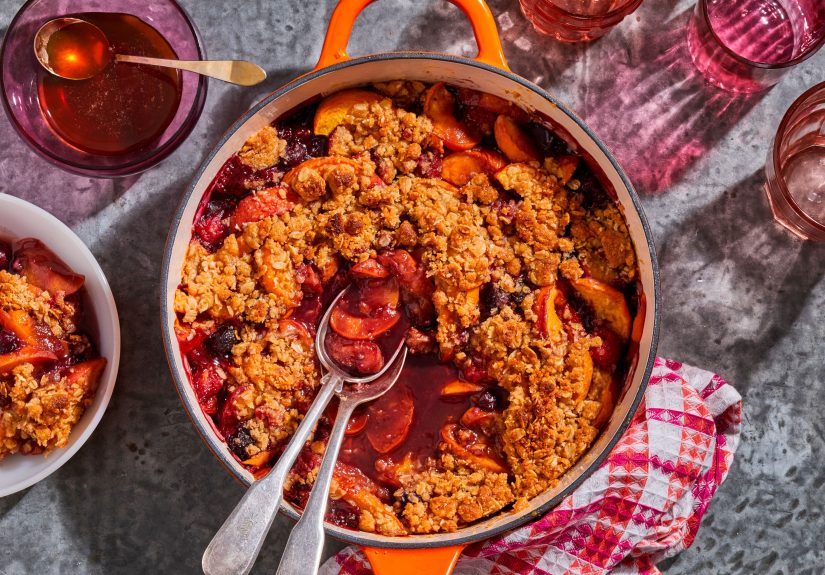
A fruit crisp is a baked fruit dessert topped with a buttery, crumbly mixtureoften made with oats, flour, sugar, and butter. The fruit softens and releases juice, the topping turns crunchy and toasty, and your kitchen smells like you should charge admission.
People love crisps because they’re forgiving: you can mix fruit, adjust sweetness, use fresh or frozen, and still land on something that tastes intentional. Also, serving it warm with ice cream is basically a legal loophole for happiness.
The Crisp Blueprint: Two Parts, Infinite Possibilities
Part 1: The Fruit Filling
Fruit filling is more than “fruit in a pan.” The best fillings balance: sweetness (sugar), brightness (lemon or another acid), and texture (a thickener). That thickener is what separates “lush, spoonable sauce” from “why is my dessert a beverage?”
Part 2: The Crisp Topping
Crisp topping should be: crumbly before baking, clumpy when squeezed, and crunchy after baking. If it bakes up dusty, it needs more fat. If it’s greasy, it needs less fat (or more dry ingredients) and a better mixing method.
Picking Fruit Like You Know What You’re Doing
The “best fruit” for a crisp is the fruit you haveplus a little strategy. Here’s how different fruits behave:
Apples & Pears: The Cozy Classics
Apples and pears hold their shape and love spices (cinnamon, nutmeg, ginger). Use a mix if you can: one tart variety + one sweet variety is a low-effort way to make the flavor deeper.
Berries: Fast, Juicy, and Prone to “Purple Lava”
Berries break down quickly and release lots of juice. Translation: they need a thickener, and they benefit from lemon zest or juice to keep the flavor bright instead of flat-sweet.
Stone Fruit (Peaches, Plums, Cherries): Peak-Summer Energy
Stone fruit turns jammy and fragrant. If your peaches are very ripe, go easy on added sugar and don’t skip the thickener. A little vanilla in the filling makes everything taste like it got a promotion.
Frozen Fruit: The Weeknight MVP
Frozen fruit works beautifully, especially berries and sliced peaches. Bake time may increase a bit, and you’ll usually want a touch more thickener because frozen fruit can release extra liquid as it bakes.
The Secret to a Great Fruit Crisp: Don’t Fear the Thickener
Fruit releases juice as it bakes. That’s gooduntil it’s not. A small amount of thickener turns those juices into a glossy sauce that hugs the fruit instead of pooling at the bottom like a sad puddle.
- Cornstarch: easy, common, reliable (especially for berries).
- Tapioca starch: great for very juicy fruit; gives a slightly silkier set.
- Flour: works in a pinch; slightly more “rustic” texture.
- Arrowroot / potato starch: useful alternatives if that’s what you keep around.
The goal isn’t to make a stiff gel. You want “jammy and spoonable,” not “fruit gummy bears.”
How to Make Crisp Topping That’s Actually Crisp
A crisp topping usually includes oats + flour + sugar + butter. The big question is how you combine the butter. Both methods workchoose based on the texture you want and how much patience you have.
Cold Butter Method (Clumpy, Craggly, Bakery-Style)
Cut cold butter into the dry ingredients with your fingers or a pastry cutter until you get pea-size crumbs and clumps. This tends to create a nubbier, more textured topping with crisp edges.
Melted Butter Method (Fast, Even, Crowd-Pleasing)
Melted butter mixes quickly and coats everything evenly. It can bake up slightly more “cookie-like” and uniform. If your topping ever turns greasy with this method, reduce butter slightly or add a spoonful more flour/oats.
Optional Add-Ins That Make People Ask for the Recipe
- Nuts: pecans, walnuts, almondsextra crunch and flavor.
- Spices: cinnamon is classic; ginger and cardamom are fun.
- Salt: not optional if you want “wow,” not “sweet beige.”
- Brown sugar: adds caramel notes and deeper flavor than white sugar alone.
The Master Fruit Crisp Recipe (Use Any Fruit You Love)
This is a flexible easy fruit crisp formula designed for a standard 9-inch square baking dish (or a similar 2-quart dish). You can scale it up for a 9×13 dish by roughly doubling everything.
Ingredients
Fruit Filling
- 6 cups fruit (about 2 to 2 1/2 pounds): apples, peaches, berries, plums, pears, or a mix
- 1/4 to 1/2 cup sugar (adjust based on fruit sweetness)
- 1 to 2 tablespoons lemon juice (or 1 tablespoon apple cider vinegar for a subtle tang)
- 2 to 3 tablespoons cornstarch (or 3 tablespoons tapioca starch for very juicy fruit)
- 1 teaspoon vanilla extract (optional but excellent)
- 1/2 to 1 teaspoon ground cinnamon (optional; best with apples/pears/peaches)
- Pinch of salt
Crisp Topping
- 3/4 cup old-fashioned rolled oats
- 1/2 cup all-purpose flour
- 1/2 cup packed brown sugar (light or dark)
- 1/4 teaspoon salt
- 1/2 teaspoon cinnamon (optional)
- 6 tablespoons unsalted butter, cold and cubed (or meltedsee method notes)
- Optional: 1/2 cup chopped nuts
Instructions
- Heat the oven: Preheat to 350°F to 375°F. Grease a 9-inch square baking dish (or lightly butter it).
- Mix the fruit filling: In a large bowl, toss fruit with sugar, lemon juice, thickener, vanilla (if using), spices (if using), and a pinch of salt. Spread evenly in the baking dish.
- Make the topping: In a bowl, stir oats, flour, brown sugar, salt, and spices.
- Cold butter method: Add cold butter cubes and rub/cut in until you have crumbs and clumps.
- Melted butter method: Drizzle in melted butter and stir until evenly moistened and clumpy.
- Assemble: Sprinkle topping over fruit. For extra texture, squeeze a few handfuls into bigger clumps and scatter them on top (this creates those “best bite” crunchy chunks).
- Bake: Bake 40 to 55 minutes until the filling is bubbling at the edges and the topping is deep golden. If the topping browns too fast, loosely cover with foil for the remaining bake time.
- Rest: Cool at least 10 minutes before serving. The sauce thickens as it sits (your patience is rewarded).
Three Flavor-Forward Examples (So You Can Stop Overthinking)
1) Classic Apple Crisp (Comfort Food Mode)
Use 6 cups sliced apples. Add 1 teaspoon cinnamon + a pinch of nutmeg. If you like a brighter apple flavor, add a little extra lemon juice. For a caramel note, swap 2 tablespoons of sugar for maple syrup.
2) Peach-Pecan Crisp (Summer Dessert, No Notes)
Use 6 cups sliced peaches (skins on is fine if you like rustic texture). Add vanilla to the filling. Stir 1/2 cup chopped pecans into the topping. Serve warm with vanilla ice cream and pretend you’re on a porch swing somewhere.
3) Mixed Berry Lemon Crisp (Bright, Jammy, and Loud)
Use 6 cups mixed berries (fresh or frozen). Add lemon zest + lemon juice. Increase cornstarch to 3 tablespoons. If berries are very tart, go closer to 1/2 cup sugar. This one is the “oops I ate half the pan” crisp.
Make-Ahead, Storage, and Reheating (Because Leftovers Happen)
Fruit crisp is best warm the day it’s baked, but leftovers can be genuinely excellentespecially if you re-crisp the topping. Store covered in the refrigerator for up to 3 days.
To reheat, warm in a 350°F oven until heated through and the topping firms up again (usually 10–20 minutes, depending on portion size). Microwaving works for speed, but it softens the toppingfine for emergencies and “I deserve dessert now” moments.
Troubleshooting: How to Fix the Most Common Crisp Problems
“My Filling Is Runny”
- You likely needed a bit more thickener, especially with berries or very ripe fruit.
- Let the crisp rest longerthickening continues as it cools.
- Make sure you baked until bubbling; the thickener needs heat to activate.
“My Topping Is Soggy”
- Too much moisture in the topping (or too thin a topping layer). Aim for clumps, not paste.
- Try baking at 375°F next time for a crispier finish, or uncover foil for the last 10–15 minutes.
- Reheat leftovers in the oven, not the microwave.
“My Topping Is Dry and Dusty”
- Not enough butter, or the butter wasn’t mixed in thoroughly.
- Add 1–2 tablespoons melted butter next time, or mix longer with cold butter until the mixture clumps when squeezed.
Serving Ideas That Make It Feel Like a Real Occasion
- Vanilla ice cream: classic for a reason.
- Whipped cream: soft + crunchy is a great combo.
- Greek yogurt: breakfast crisp is still crisp (don’t let anyone shame you).
- Salted caramel drizzle: optional, dramatic, delightful.
Kitchen Experiences: What You Learn After Making Fruit Crisp “Just One More Time” (About )
In real kitchens, a fruit crisp recipe becomes less of a recipe and more of a reflex. The first time, you measure everything. The fifth time, you’re confidently eyeballing oats like a cereal sommelier. By the tenth time, you’re the person who says, “I didn’t really follow a recipe,” which is both annoying and a tiny bit impressive.
One of the most common crisp experiences is the sweetness surprise. Fruit looks innocentuntil you taste it. Sometimes strawberries are candy-sweet, sometimes they’re politely tart. Peaches can be perfume-level fragrant one week and bland the next. That’s why the best crisp makers taste a piece of fruit before adding sugar. It’s not being fussy; it’s avoiding a dessert that tastes like “generic sweet” instead of “wow, that fruit.”
Then there’s the thickener lesson, usually learned the messy way. Many people skip it once because, “It’s fruit, how complicated can it be?” And then they scoop a gorgeous-looking crisp and watch a flood of juice race across the plate like it’s late for a meeting. The upside: after that moment, you never forget thickener again. You start thinking like a sauce engineer: berries need more help, apples need less, frozen fruit needs patience, and resting time is not optional.
Crisp topping teaches its own personality quirks. Some people fall in love with the cold butter method because of the chunky, craggy texturethose little buttery boulders that bake into crunchy gold. Others swear by melted butter because it’s fast and consistent. Either way, you eventually learn the “clump test”: squeeze a handful. If it holds together, you’re on track. If it crumbles into sadness, add a touch more butter. If it feels greasy, add a spoonful of flour or oats and promise not to panic.
Fruit crisps also become a stealthy way to use “almost fruit.” The peaches that are a little too soft for snacking? Crisp. The apples that have been rolling around your fridge drawer like they pay rent? Crisp. The frozen berries you bought for smoothies but forgot about because you got into an “I’ll be healthy tomorrow” phase? Crisp. It’s a dessert with a built-in forgiveness policyand honestly, we all need that sometimes.
Finally, there’s the serving moment. People remember the contrast: warm fruit, crunchy topping, cold ice cream melting into the cracks. It’s the kind of dessert that makes conversations pause for a second, because everyone is busy being delighted. And that’s the best “experience” of all: a simple pan of baked fruit doing the most, with the least.
Conclusion
A great fruit crisp recipe is equal parts technique and freedom: a few smart rules (thickener, balance, clumpy topping), plus the flexibility to use whatever fruit is in seasonor whatever fruit is quietly begging to be used up. Once you’ve made it a couple times, you won’t need a recipe so much as a reminder that dessert can be easy, warm, and gloriously crunchy.