Table of Contents >> Show >> Hide
- What Is Gluten?
- What Foods Commonly Contain Gluten?
- Naturally Gluten-Free Foods
- Who Needs to Avoid Gluten?
- Common Symptoms That Make People Suspect Gluten
- How Doctors Check for Gluten-Related Conditions
- How to Read Labels for Gluten
- Is a Gluten-Free Diet Healthier for Everyone?
- Practical Tips for Living With Gluten Restrictions
- Common Gluten Myths
- Experiences Related to Gluten: What People Commonly Go Through
- Conclusion
- SEO Tags
Gluten has become one of the most talked-about ingredients in modern food culture. It gets blamed for bloating, praised by bread bakers, feared in grocery aisles, and misunderstood at family dinners where someone always says, “Wait, are potatoes gluten?” In reality, gluten is neither a cartoon villain nor a magical health destroyer for everyone. It is simply a group of proteins found in certain grains. For most people, gluten is completely fine. For others, it can cause very real medical problems.
If you have ever wondered what gluten actually is, which foods contain it, which conditions are linked to it, and whether you need to avoid it, this guide breaks it all down in plain English. No scare tactics. No wellness-guru fog machine. Just clear, useful information and a few reality checks along the way.
What Is Gluten?
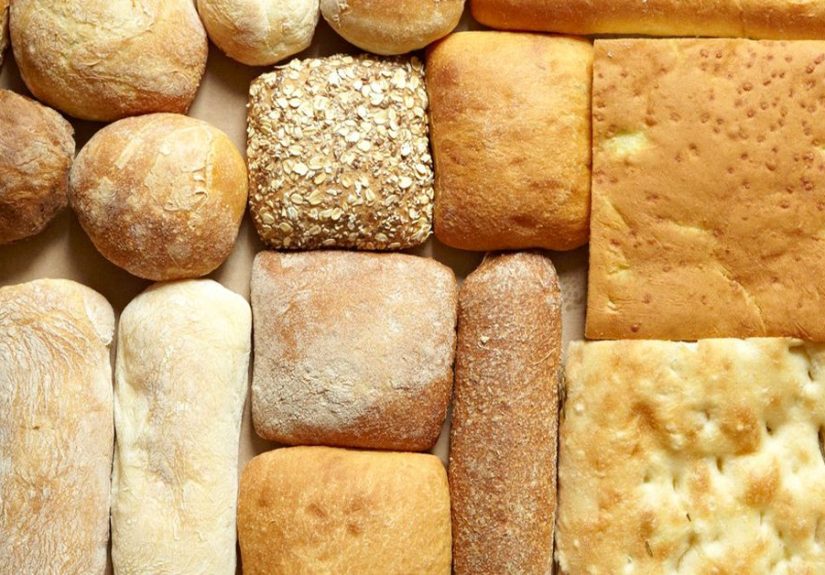
Gluten is a group of proteins naturally found in wheat, barley, and rye. It helps dough stretch, trap air, and hold its shape. In other words, gluten is part of the reason bread can be delightfully chewy instead of behaving like a sad cracker with abandonment issues.
What Gluten Does in Food
In baked goods, gluten acts like structure support. It gives bread elasticity, helps pizza dough stay springy, and creates the satisfying bite in bagels, pasta, and pastries. Food manufacturers also use gluten-containing ingredients to improve texture, thickness, and stability in processed foods.
That is why gluten is not limited to obvious foods like sandwich bread. It can also show up in places people do not expect, such as sauces, soups, marinades, snacks, and some processed meats.
What Foods Commonly Contain Gluten?
The most common gluten-containing grains are wheat, barley, and rye. Triticale, a hybrid of wheat and rye, also contains gluten. If a product is made from one of these grains, there is a good chance gluten is involved.
Obvious Foods With Gluten
- Bread, rolls, bagels, buns, and croissants
- Pasta, noodles, and many packaged mac and cheese products
- Crackers, pretzels, cookies, cakes, muffins, and donuts
- Pizza crust and many flour tortillas
- Breakfast cereals made with wheat, barley, or malt
- Beer made from barley
- Breading and batter on fried foods
Less Obvious Foods That May Contain Gluten
This is where gluten gets sneaky. It can appear in ingredients that sound harmless until you read the fine print with the intensity of a detective solving a snack-related mystery.
- Soy sauce and teriyaki sauce
- Cream soups and gravy thickened with flour
- Salad dressings, marinades, and seasoning blends
- Processed deli meats and meat substitutes
- Granola bars, protein bars, and snack mixes
- Candy, licorice, and some flavored chips
- Malt vinegar, malt flavoring, and malt extract
- Some veggie burgers and seitan products
What About Oats?
Oats are a special case. Pure oats do not naturally contain gluten, but they are often grown, transported, or processed alongside wheat, barley, or rye. That means cross-contact is common. People who need to avoid gluten should choose oats specifically labeled gluten-free. Even then, a small subset of people with celiac disease may still react to oats, so individual guidance from a healthcare professional can matter.
Naturally Gluten-Free Foods
Not everything fun in life contains gluten. Plenty of foods are naturally gluten-free, which is good news for both your dinner plate and your sanity.
- Fruits and vegetables
- Beans, lentils, nuts, and seeds
- Eggs
- Plain meat, poultry, and fish
- Milk, yogurt, and many cheeses
- Rice, corn, quinoa, millet, buckwheat, sorghum, and amaranth
- Potatoes and sweet potatoes
The key word is plain. A plain baked potato is naturally gluten-free. A loaded potato casserole with a mystery topping and cream sauce may be telling a different story.
Who Needs to Avoid Gluten?
For most people, gluten is harmless. A gluten-free diet is medically necessary for some people, useful for others under professional guidance, and unnecessary for many. The main conditions linked to gluten or wheat include celiac disease, non-celiac gluten sensitivity, and wheat allergy.
Celiac Disease
Celiac disease is an autoimmune disorder. When someone with celiac disease eats gluten, the immune system reacts in a way that damages the lining of the small intestine. Over time, that damage can interfere with nutrient absorption.
Symptoms vary widely. Some people have digestive symptoms like diarrhea, bloating, stomach pain, constipation, nausea, or gas. Others have non-digestive symptoms such as fatigue, iron-deficiency anemia, mouth ulcers, headaches, joint pain, skin issues, or trouble maintaining weight. Children may have growth problems or irritability. Some people have very few obvious symptoms at all, which is part of why celiac disease can go unrecognized for years.
The treatment is a strict, lifelong gluten-free diet. Not “gluten-light.” Not “weekdays only.” Not “I cheat on vacation because croissants are spiritual.” Strict avoidance matters because even small amounts of gluten can keep the immune reaction going.
Non-Celiac Gluten Sensitivity
Non-celiac gluten sensitivity, often called gluten sensitivity or gluten intolerance, is different from celiac disease. People with this condition may feel unwell after eating gluten, but they do not show the same autoimmune damage seen in celiac disease and do not have a wheat allergy.
Common symptoms can include bloating, abdominal pain, gas, diarrhea, fatigue, brain fog, or headaches. The tricky part is that symptoms can overlap with other conditions, including irritable bowel syndrome and reactions to certain fermentable carbohydrates found in foods. That means self-diagnosis can get messy fast.
Because there is no single definitive test for non-celiac gluten sensitivity, diagnosis often involves ruling out celiac disease and wheat allergy first, then evaluating symptoms with professional guidance.
Wheat Allergy
Wheat allergy is not the same thing as celiac disease or gluten sensitivity. It is an allergic reaction to proteins in wheat. Symptoms may include hives, itching, swelling, congestion, nausea, vomiting, wheezing, or in severe cases, anaphylaxis.
Someone with a wheat allergy may need to avoid wheat specifically, but not necessarily barley or rye. That is one reason why the phrase “gluten allergy” is often inaccurate. It sounds catchy, but medically it muddies the waters.
Common Symptoms That Make People Suspect Gluten
People often start wondering about gluten after dealing with symptoms that seem to flare after meals. These may include:
- Bloating
- Gas
- Diarrhea or constipation
- Stomach pain
- Fatigue
- Brain fog
- Headaches
- Unexplained anemia or nutrient deficiencies
- Skin rashes
Here is the important part: these symptoms are not specific to gluten. They can also be linked to IBS, lactose intolerance, inflammatory bowel disease, food allergies, infections, medication effects, or other digestive disorders. So if gluten seems suspicious, that is a reason to get evaluated, not a reason to immediately break up with every bread product in your kitchen.
How Doctors Check for Gluten-Related Conditions
Testing for Celiac Disease
If celiac disease is suspected, doctors often start with blood tests that look for certain antibodies. If those tests suggest celiac disease, an upper endoscopy with small intestine biopsy may be used to confirm the diagnosis.
One big rule: do not start a gluten-free diet before testing unless a doctor tells you to. If you stop eating gluten too early, test results may come back falsely normal, which can make diagnosis much harder.
Testing for Wheat Allergy
Wheat allergy may be evaluated with a medical history, allergy testing, and sometimes supervised food challenges depending on the situation.
Evaluating Non-Celiac Gluten Sensitivity
Because there is no single lab test for non-celiac gluten sensitivity, healthcare professionals usually try to rule out celiac disease and wheat allergy first. After that, symptom tracking, diet changes, and careful follow-up may help identify the real trigger.
How to Read Labels for Gluten
In the United States, foods labeled gluten-free must meet FDA requirements. That is helpful, but label reading still matters. Gluten can hide in ingredient lists under names that are easy to miss when you are shopping on autopilot and trying to remember whether you needed spinach.
Ingredients to Watch For
- Wheat
- Barley
- Rye
- Malt or malt flavoring
- Brewer’s yeast
- Triticale
- Semolina, durum, farina, graham flour, spelt, and other wheat varieties
Remember that “wheat-free” and “gluten-free” are not identical. A product can be free of wheat and still contain barley or rye ingredients. Labels love technicalities almost as much as tax forms do.
Is a Gluten-Free Diet Healthier for Everyone?
Not automatically. A gluten-free diet is essential for people with celiac disease and helpful for certain others under medical guidance. But for the general population, going gluten-free is not a guaranteed health upgrade.
Some gluten-free packaged foods are lower in fiber and may be made with refined starches instead of nutrient-dense whole grains. If someone cuts out gluten without planning well, they may also miss out on important nutrients found in fortified grain products. Translation: gluten-free cookies are still cookies. Cute label, same category.
If you do need to avoid gluten, a smart approach focuses on naturally gluten-free whole foods, balanced meals, and, when appropriate, support from a registered dietitian.
Practical Tips for Living With Gluten Restrictions
- Build meals around naturally gluten-free foods first
- Read every label, even on products you buy often
- Choose oats only if they are labeled gluten-free
- Watch for cross-contact in shared kitchens, toasters, cutting boards, and fryers
- Ask questions when eating out, especially about sauces, breading, and preparation surfaces
- Keep simple staples on hand like rice, potatoes, eggs, beans, yogurt, fruit, and vegetables
Common Gluten Myths
Myth 1: Gluten Is Bad for Everyone
False. For most people, gluten is not harmful.
Myth 2: Gluten-Free Means Low-Carb or Healthy
Also false. A gluten-free muffin can still be loaded with sugar and refined starch.
Myth 3: If Bread Upsets Your Stomach, Gluten Must Be the Problem
Not necessarily. Other ingredients, portion size, fermentation, fiber, fat, or other digestive conditions may be involved.
Myth 4: You Can Diagnose Yourself by Feeling Better for a Few Days
Unfortunately, no. Symptoms can improve for many reasons, and self-diagnosis can delay finding the real issue.
Experiences Related to Gluten: What People Commonly Go Through
For many people, the gluten conversation starts with confusion, not clarity. One person notices that every pasta night ends with bloating and exhaustion. Another spends years treating “random stomach issues” before learning celiac disease is behind the chaos. Someone else cuts out gluten because social media made it sound like the obvious villain, only to discover the real issue was a different digestive trigger entirely.
A very common experience is the long stretch of not knowing. People may feel tired, foggy, or uncomfortable after meals, but the symptoms are inconsistent enough to be brushed off. They may blame stress, busy schedules, “eating too fast,” or getting older. In many cases, the symptoms are real but vague, which makes it easy to normalize them. A person can spend years thinking, “I guess my stomach is just dramatic,” when in fact something deserves a closer look.
For those eventually diagnosed with celiac disease, there is often a strange mix of relief and frustration. Relief because they finally have an answer. Frustration because the answer comes with homework. Grocery shopping becomes a label-reading expedition. Restaurant meals require follow-up questions. Shared kitchens suddenly look like obstacle courses full of crumbs, wooden spoons, and suspicious toaster slots. Many people say the emotional adjustment is just as real as the physical one.
People with non-celiac gluten sensitivity often describe a different kind of journey. They may test negative for celiac disease and wheat allergy but still feel noticeably better when gluten is reduced or removed. That can be validating, but it can also be frustrating because the path is less straightforward. They may hear comments like, “So is it real or not?” which is not exactly helpful when they are the ones living with the symptoms. For them, keeping a detailed symptom journal and working with a knowledgeable clinician can make a huge difference.
Families often go through a learning curve too. Parents may have to explain to grandparents why “just one bite” is not harmless for a child with celiac disease. College students may have to figure out dining halls, shared apartments, and the awkward art of asking a dozen questions before eating fries. Adults diagnosed later in life may grieve their old routines, especially if favorite foods or cultural traditions centered around gluten-heavy dishes.
There are positive experiences too. Many people say they feel dramatically better once the right condition is identified and managed properly. Energy improves. Stomach pain settles down. Brain fog lifts. Meals become less mysterious and more intentional. People learn new recipes, discover gluten-free staples they genuinely enjoy, and get better at advocating for themselves in restaurants, workplaces, and social settings.
Perhaps the most relatable experience of all is this: gluten-related conditions rarely affect only the plate. They affect routines, relationships, travel, celebrations, and peace of mind. That is why accurate diagnosis matters so much. When people understand whether gluten is truly the issue, they can stop guessing, start making informed choices, and get back to eating with a lot less fear and a lot more confidence.
Conclusion
Gluten is a protein found in wheat, barley, and rye, and it plays an important role in the texture and structure of many foods. For most people, it is not a problem. But for people with celiac disease, non-celiac gluten sensitivity, or wheat allergy, gluten or wheat can lead to meaningful health issues that deserve proper medical attention.
The biggest takeaway is simple: do not guess if gluten is causing your symptoms. Get evaluated, especially before starting a gluten-free diet. A proper diagnosis can help you avoid unnecessary restrictions, identify the real cause of symptoms, and make a plan that actually works. Because when it comes to your health, bread should not be running the investigation.