Table of Contents >> Show >> Hide
- Why a Stepladder Shelf for Plants Makes So Much Sense
- The IKEA Appeal: Simple, Affordable, and Surprisingly Flexible
- How to Style a Ladder Plant Shelf Without Creating Chaos
- Best Plants for an IKEA Stepladder Shelf
- Where This Shelf Works Best in the Home
- Things to Watch Before You Turn It Into Plant Headquarters
- Why This Trend Has Staying Power
- What the Experience Is Really Like: Living With a Stepladder Shelf Full of Plants
- Conclusion
If your houseplants have officially reached the “we need a seating chart” phase, IKEA’s stepladder-style plant shelf feels less like a piece of furniture and more like a peace treaty. The idea is simple: take the familiar shape of a ladder, flatten the drama, add shelves, and suddenly your pothos, peperomia, and that one snake plant you swear you did not buy but somehow own now all have a proper home.
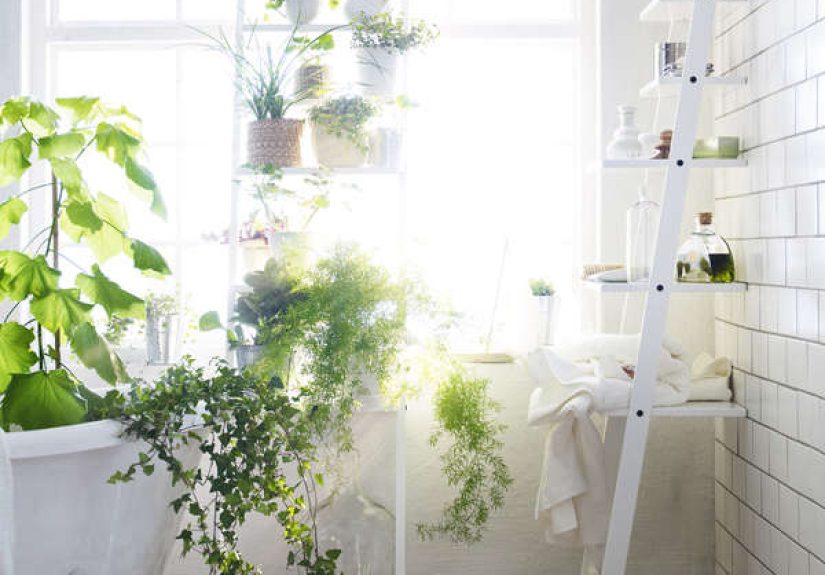
What makes this kind of IKEA design so appealing is that it solves two problems at once. First, it creates vertical plant storage for small homes, apartments, corners, and awkward blank walls. Second, it makes your greenery look intentional. That is no small feat. There is a fine line between “curated indoor jungle” and “I panic-bought three plants and put them near a lamp.” A stepladder shelf helps you land firmly on the stylish side of that line.
Over the years, IKEA has built a loyal following for affordable furniture that works hard without acting precious. A stepladder shelf for plants fits perfectly into that tradition. It gives plant parents a compact, tiered display that is practical, decorative, and flexible enough to move from bathroom to balcony to living room without having an identity crisis.
Why a Stepladder Shelf for Plants Makes So Much Sense
A traditional bookcase can hold plants, sure. But a ladder-style shelf has a few advantages that make it especially smart for houseplant lovers. The staggered levels create a more open display, which helps each plant get some breathing room. It also allows you to mix heights and shapes naturally, so the overall arrangement feels airy instead of packed like a salad bar.
This is especially helpful in smaller homes where floor space is limited. Instead of spreading pots across a windowsill, side table, console, and every available horizontal surface known to humanity, a stepladder shelf lets you go upward. Vertical storage is one of the easiest ways to make a plant collection feel organized without making the room feel crowded.
It also gives you better visual rhythm. A good plant display is not just about the plants themselves. It is about how leaves drape, how upright foliage balances softer trailing shapes, and how different pot sizes work together. A ladder shelf naturally creates those layers. The result looks designed, even if your actual styling method was “move things around until it stops annoying me.”
The IKEA Appeal: Simple, Affordable, and Surprisingly Flexible
What sets IKEA apart in the plant-display conversation is not just price. It is the brand’s talent for making practical pieces feel light, casual, and easy to live with. An IKEA stepladder shelf for plants is not trying to be a museum pedestal. It is trying to help real people put real plants in real homes without spending a week’s grocery budget.
That matters because plant furniture has to do more than look nice in a product photo. It has to fit daily life. It needs to feel stable. It needs shelves that are actually usable. It should pair well with common pot sizes, work against a wall, and ideally not dominate the room like a Victorian armoire that has opinions about your life choices.
The stepladder format checks those boxes. It leans visually light, which makes it useful for apartments and smaller rooms. It works with Scandinavian, modern, boho, minimalist, and even slightly eclectic interiors. And because the shape is narrow at the top and broader at the bottom, it tends to look neat even when styled with a lot of greenery.
That is the magic trick: it feels decorative without requiring decorator-level effort.
How to Style a Ladder Plant Shelf Without Creating Chaos
The biggest temptation with a new plant shelf is to fill every inch immediately. Resist. A ladder shelf looks best when it has some negative space. Plants need visual breathing room, and frankly, so do you. Start by placing your largest or heaviest plant on the lowest shelf. That gives the whole unit a grounded look and helps with stability.
Use a Mix of Plant Shapes
Great plant styling usually comes down to contrast. Pair one upright plant with one trailing plant and one compact, mounded variety. For example, a snake plant can bring structure, a pothos can spill over the edge for softness, and a peperomia can fill the middle with texture. This makes the shelf feel alive rather than repetitive.
Vary Heights and Pot Sizes
If every pot is the same size and every plant is the same height, the display can look stiff. Mix smaller nursery pots with a few statement planters. Use risers or saucers where needed, but do not overcomplicate it. The shelf already creates levels, so the goal is to enhance that natural rhythm, not turn the whole thing into a geometry exam.
Group by Care Needs, Not Just Looks
This is where style meets common sense. Plants that like similar light and moisture conditions should live near each other. A shelf can create little micro-zones, so place your sun-happier plants near the brightest side and your more tolerant, low-light plants on the less intense tiers. Your display will look good, and your plants will be less likely to file complaints.
Best Plants for an IKEA Stepladder Shelf
Not every plant belongs on a shelf. Some become too large, too top-heavy, or too dramatic for the available space. The best candidates are shelf-friendly plants that stay manageable, trail attractively, or tolerate indoor conditions well.
1. Pothos
Pothos is one of the easiest wins for a ladder shelf. It trails beautifully, tolerates a range of indoor light conditions, and instantly softens the edges of the unit. If you want that lush “my home has a plant personality” effect, pothos will get you there fast.
2. Heartleaf Philodendron
Another reliable trailing favorite, heartleaf philodendron brings a slightly softer, classic look. It works especially well on higher shelves where the vines can cascade down naturally.
3. Snake Plant
Compact snake plant varieties are perfect for shelves because they add height without much fuss. They are also forgiving, which is excellent news for anyone whose watering schedule is based more on vibes than calendar discipline.
4. Peperomia
Peperomias are compact, attractive, and available in many leaf shapes and textures. They are useful for filling visual gaps without taking over the whole shelf.
5. Spider Plant
Spider plants bring movement, especially once the arching leaves and baby plantlets start doing their thing. On a ladder shelf, they add that effortless, slightly retro charm that feels very at home with IKEA furniture.
6. Calathea or Prayer Plant
If your shelf sits in bright indirect light and your home is not bone-dry, these can add pattern and drama. Their leaves bring a more decorative look than basic greenery, which is handy if you want the shelf to feel like decor as much as plant storage.
7. Small Succulents and Cacti
These are best for the brightest spots. They work well on upper shelves or near sunny windows, and they are excellent for adding sculptural form in small pots.
Where This Shelf Works Best in the Home
One reason a stepladder plant shelf is so appealing is that it adapts well to different rooms.
Living Room
This is the most obvious placement, and for good reason. A ladder shelf can fill an empty corner, brighten a window wall, or soften the edge of a media console area. In a living room, it reads as part furniture, part plant display, which helps it blend in naturally.
Bathroom
If the room gets decent light, a ladder shelf can look especially good in a bathroom. The shape feels light and open, and the humidity can be helpful for certain plants. It also turns the room into something a bit more spa-like and a bit less “where extra towels go to retire.”
Balcony or Porch
If the material is suitable for outdoor or semi-outdoor use, this format is fantastic for a balcony. It keeps pots organized, uses limited square footage efficiently, and creates an attractive vertical garden effect without much bulk.
Kitchen or Dining Nook
In a bright kitchen corner, a ladder shelf can hold herbs, compact foliage plants, or a mix of greenery and decorative objects. It adds warmth to spaces that can otherwise feel a little too hard-surfaced and functional.
Things to Watch Before You Turn It Into Plant Headquarters
A pretty shelf still needs practical planning. The first issue is weight. Wet soil is heavy, ceramic pots are heavy, and your ambition is probably also heavy. So keep larger plants low and avoid overloading the top tiers. A stable arrangement is not optional.
Next, think about water. Plants and wood are longtime frenemies. Use saucers, trays, or cachepots so that drainage water does not sit on the shelves. Wipe spills quickly. If the shelf has a more delicate finish, protecting the surface will save you from future regret and weird circular stains that look like modern art gone wrong.
Light is another big one. The shelf may fit beautifully in a dark corner, but your plants may disagree. A gorgeous display that slowly dies in low light is still a bad display. Match the shelf location to the kinds of plants you want to keep, or supplement with a grow light if needed.
Finally, remember airflow. Plants packed too tightly can invite mildew, pests, and general crankiness. Leave enough space between pots for air to move and leaves to spread naturally.
Why This Trend Has Staying Power
Plant shelves come and go, but the ladder shelf format has real staying power because it sits at the intersection of three lasting home trends: small-space living, biophilic design, and flexible furniture. People want homes that feel calm, useful, and alive. Plants do that. Good storage does that too. Put them together, and you have a trend that actually earns its keep.
There is also something refreshingly low-pressure about the concept. A stepladder shelf does not demand a complete room makeover. You do not need custom cabinetry or a dedicated sunroom. You just need a little wall space, a few plants, and the willingness to occasionally rotate a pot like the curator of a very leafy museum.
In other words, this is the kind of IKEA idea that sticks because it solves a real problem while still looking good on Instagram. That is modern home design in a nutshell.
What the Experience Is Really Like: Living With a Stepladder Shelf Full of Plants
Once a ladder shelf is set up with plants, the biggest surprise is how quickly it changes the mood of a room. A blank corner that once felt awkward or unfinished suddenly has texture, color, and height. Even a modest collection of five or six plants can make the space feel warmer. The shelf becomes one of those quiet home upgrades that makes everything around it look a little more put together, even when the rest of the room is behaving like real life.
There is also a practical satisfaction to having plants gathered in one place. Watering becomes easier because your collection is not scattered across the entire house like a botanical scavenger hunt. Rotating pots toward the light, checking leaves, and wiping down shelves turns into a quick routine instead of a full event. It feels more organized, and honestly, it makes plant care less chaotic.
That said, the experience is not completely maintenance-free. A plant shelf teaches you very quickly that every shelf level behaves a little differently. The top shelves usually get more light and dry out faster. Lower shelves may stay more shaded and a bit cooler. If you pay attention, that is actually a benefit. You start matching plants to positions more intelligently. Trailing plants look happiest up high, sturdier compact plants do well below, and fussier varieties usually reveal their preferences with all the subtlety of a toddler refusing lunch.
Another real-world advantage is flexibility. A ladder shelf does not lock you into one look. In spring and summer, you might fill it with pothos, spider plants, herbs, and bright ceramic pots. In fall, you may swap in warmer-toned planters, a candle, or a small stack of books between plants. Around the holidays, it can even carry a few decorative accents without losing its function. That adaptability is a big reason this kind of shelf feels worth the footprint.
There is also an emotional side to it. A dedicated plant shelf encourages you to notice your plants more often. You see new leaves unfurl. You catch a drooping stem before it becomes a full-blown crisis. You appreciate the shape of a trailing vine or the way morning light hits a glossy philodendron leaf. The shelf turns plant care into part of the room’s daily rhythm instead of something hidden on a windowsill behind a curtain.
For renters and small-space dwellers, that experience can be especially valuable. You may not have a garden, a patio, or the luxury of spreading greenery across a large home, but a ladder shelf offers a satisfying middle ground. It creates the feeling of an indoor garden without requiring a remodel. It is compact, visually light, and easy to restyle when your collection changes or your confidence as a plant parent grows.
In the end, living with a stepladder shelf for plants is less about owning one more piece of furniture and more about creating a small, evolving display that makes your home feel alive. It gives plants a place to shine, gives you a more functional setup, and adds design impact without becoming fussy. For an IKEA-inspired idea, that is the sweet spot: affordable, useful, attractive, and just a little bit smug in the best possible way.
Conclusion
An IKEA stepladder shelf for plants is the kind of home item that earns its popularity honestly. It offers vertical storage, makes small rooms work harder, and turns ordinary houseplants into a real design feature. More importantly, it does all of that without demanding a huge budget or a master class in interior styling. Whether you want a compact indoor plant shelf for a sunny corner, a ladder plant stand for a balcony, or simply a better-looking way to organize your ever-growing collection, this format delivers.
Sometimes the best furniture ideas are not flashy. They are just smart enough to make daily life easier and attractive enough to make your room feel finished. A stepladder shelf for plants does exactly that. And if it also gives your monstera a better seat at the table than most people get at dinner parties, well, that is just good design.