Table of Contents >> Show >> Hide
- What Is Tempeh?
- Tempeh Nutrition at a Glance
- Top Tempeh Benefits
- Tempeh vs. Tofu: Which One Is Better?
- Common Soy Myths, Cleared Up
- Who Should Be Careful With Tempeh?
- How to Cook Tempeh So It Actually Tastes Good
- Easy Ways to Add Tempeh to Your Diet
- What Real-Life Tempeh Experiences Tend to Look Like
- Final Thoughts
Tempeh may not have the celebrity status of avocado toast or the brand recognition of Greek yogurt, but nutritionally, it absolutely deserves a spot in the conversation. This firm, fermented soybean cake has been fueling meals for generations, and now it is finally getting the attention it deserves in American kitchens. It is hearty, satisfying, versatile, and packed with nutrients that make dietitians smile in a very professional way.
If you have ever walked past tempeh in the refrigerated section and thought, “That looks healthy, but also like a science project,” you are not alone. The good news is that tempeh is much less mysterious than it looks. Once you understand what it is, how it is made, and why it can be such a smart addition to a balanced diet, it starts looking less like a brick of confusion and more like dinner.
This guide breaks down tempeh nutrition, explores the real benefits without overselling it, clears up common soy myths, and shows you how to eat it without turning your meal into a chewing contest. Spoiler: tempeh is not magic, but it is impressively useful.
What Is Tempeh?
Tempeh is a traditional fermented soy food made by binding cooked soybeans into a dense cake. Unlike tofu, which is made from soy milk, tempeh uses the whole soybean. That difference matters. Because the entire bean is used, tempeh usually offers more fiber, a firmer texture, and a nuttier, earthier flavor than tofu.
The fermentation process is what gives tempeh its signature structure and its nutritional personality. Fermentation helps break down some compounds in soybeans and can make certain nutrients easier for the body to use. It also gives tempeh that savory, almost mushroom-like depth that makes it especially appealing in stir-fries, sandwiches, tacos, grain bowls, and skillet meals.
In plain English, tempeh is what happens when soybeans stop being polite and start getting deliciously serious.
Tempeh Nutrition at a Glance
Typical nutrition per 100 grams
- About 190 to 200 calories
- About 20 grams of protein
- About 8 grams of carbohydrates
- About 11 grams of fat, mostly unsaturated
- Low sodium before seasoning or marinating
- Useful amounts of iron, phosphorus, magnesium, potassium, manganese, and several B vitamins
That is a lot of nutritional value in a relatively compact serving. Tempeh is especially attractive for people who want a plant-based protein that also brings fiber, minerals, and staying power to a meal. Many protein foods give you one or two standout benefits. Tempeh shows up with a full backpack.
Why the numbers matter
Protein helps support muscle maintenance, recovery, and satiety. Fiber supports digestion and can help you feel full longer. Minerals like iron and phosphorus help with oxygen transport, cellular function, and bone health. B vitamins help the body convert food into usable energy. This means tempeh is not just “vegan protein.” It is a genuinely nutrient-dense food.
One important note: some articles online hype tempeh as a reliable vitamin B12 source. That is not something you should count on. B12 content in tempeh can vary, and if you follow a vegetarian or vegan diet, you should still use dependable B12-fortified foods or supplements based on professional guidance.
Top Tempeh Benefits
1. It is a strong plant-based protein
Tempeh is one of the most practical protein options for people who want to eat less meat without feeling like they are living on lettuce and hope. Soy protein is considered a complete protein, meaning it provides all nine essential amino acids. That makes tempeh especially useful for vegetarians, vegans, active adults, and anyone trying to build meals that actually keep them full for more than 47 minutes.
Because tempeh has a firmer, meatier texture than tofu, it often works better in recipes where chew and structure matter. Think tacos, sandwiches, rice bowls, kebabs, or pan-seared slices served with roasted vegetables. Nutritionally, it can help bridge the gap between “I want more plants” and “I also want dinner to feel like dinner.”
2. It supports fullness and weight management
Tempeh’s combination of protein and fiber is one of its biggest everyday advantages. That duo can help support satiety, which is a fancy nutrition word for “you are less likely to start rummaging through the pantry 90 minutes later.”
Foods that keep you fuller longer can make it easier to build satisfying meals and avoid constant snacking. That does not mean tempeh causes weight loss on its own. No food earns superhero status that easily. But tempeh can fit very well into eating patterns designed for weight management because it is filling, nutrient-rich, and adaptable.
3. Fermentation may help with digestion
Tempeh’s fermentation process is one reason many people find it easier to digest than some other soybean products. Fermentation can reduce certain compounds naturally found in soybeans and may improve the availability of some nutrients.
There is also a lot of interest in the relationship between fermented foods and gut health. This is where things deserve a little nuance. Tempeh is a fermented food, but it is often cooked before eating, which may reduce or eliminate live microbes. So it is not best described as a guaranteed probiotic miracle. A more accurate way to think about it is this: tempeh may support digestion because of fermentation, fiber, and the compounds created during processing, but it should not replace a sensible, fiber-rich diet or medical care for digestive issues.
In other words, tempeh can be part of a gut-friendly diet, but it is not your intestines’ new life coach.
4. It can be a heart-smart swap
Tempeh is naturally cholesterol-free and relatively low in saturated fat. Most of its fat is unsaturated, which is the kind more often associated with heart-healthy eating patterns. That matters most when tempeh replaces foods that are higher in saturated fat, such as some red and processed meats.
This is also where soy research gets a little messy in headlines. Some people talk about soy as though it is a guaranteed cholesterol-lowering potion. The evidence is more nuanced than that. A reasonable takeaway is that soy foods like tempeh can be part of a heart-healthy diet, especially when they help crowd out less helpful choices. Tempeh is a good team player. It just should not be asked to win the whole game by itself.
5. It contributes to bone-supporting nutrients
Tempeh offers phosphorus and some calcium, along with magnesium and protein, all of which matter for bone health. No, tempeh is not going to personally tuck your skeleton in at night, but it does contribute nutrients that help support strong bones as part of an overall balanced diet.
This can be especially useful for people eating fewer dairy products or building a mostly plant-based routine. Pair tempeh with other bone-friendly foods like leafy greens, calcium-set tofu, fortified plant milk, seeds, and beans, and you have a stronger nutritional strategy than relying on one “superfood.”
6. It may support metabolic health
Emerging research on soy foods and fermented soy suggests possible benefits for blood sugar control, insulin sensitivity, and lipid levels. But this is the right place to keep both feet on the ground. The evidence is promising, not magical. Tempeh is not a treatment for diabetes, and eating it twice will not make your lab work write poetry.
What it can do is fit beautifully into a balanced plate: protein, fiber, healthy fats, and fewer heavily processed ingredients than many meat substitutes. That alone makes it a helpful option for people trying to build steadier, more nourishing meals.
Tempeh vs. Tofu: Which One Is Better?
This is the food equivalent of asking whether sneakers are better than sandals. Better for what?
Choose tempeh if you want:
- More protein per serving
- More fiber
- A firmer, meatier texture
- A nuttier, more savory flavor
- A fermented soy food
Choose tofu if you want:
- A milder taste
- A softer texture
- Something that absorbs sauces quickly
- More flexibility across soups, scrambles, desserts, and smoothies
- Sometimes more calcium, depending on the type
Both can be healthy. Tempeh tends to win on protein, fiber, and chew. Tofu wins on versatility and gentle flavor. Honestly, the smartest move is not choosing a favorite child. It is using both.
Common Soy Myths, Cleared Up
“Soy messes with hormones.”
This is one of the most persistent nutrition rumors on the internet. Soy contains isoflavones, which are plant compounds that can act differently from human estrogen. Current mainstream guidance from major health institutions generally supports that whole soy foods are safe for most people when eaten as part of a balanced diet.
“Tempeh is too processed.”
Compared with many modern meat alternatives, tempeh is actually pretty straightforward. It is typically made from soybeans, culture, and sometimes grains or beans. That does not make it identical to a whole soybean, but it is far from being one of those ultra-engineered products with an ingredients list that reads like a chemistry final.
“All fermented foods are loaded with probiotics.”
Not necessarily. Some fermented foods contain live microorganisms, but the final health effect depends on how the food is processed, stored, and cooked. Tempeh’s fermentation is nutritionally meaningful, but you should not assume every cooked tempeh dish functions like a probiotic supplement.
Who Should Be Careful With Tempeh?
- People with soy allergies: Tempeh is made from soy, so it is off the menu.
- People watching sodium: Plain tempeh is relatively low in sodium, but flavored or marinated versions can climb quickly.
- People taking thyroid medication: Soy foods may affect timing for some medications, so it is wise to ask a healthcare professional about spacing meals and medication.
- Anyone relying on it as a cure-all: Tempeh is nutritious, not mystical.
How to Cook Tempeh So It Actually Tastes Good
Let’s address the reason some people try tempeh once and then avoid eye contact with it forever: bland preparation. Tempeh has a naturally earthy taste that can be excellent, but it often benefits from a little culinary encouragement.
Best ways to make tempeh more delicious
- Steam it first: A quick steam can mellow bitterness and help it absorb flavor.
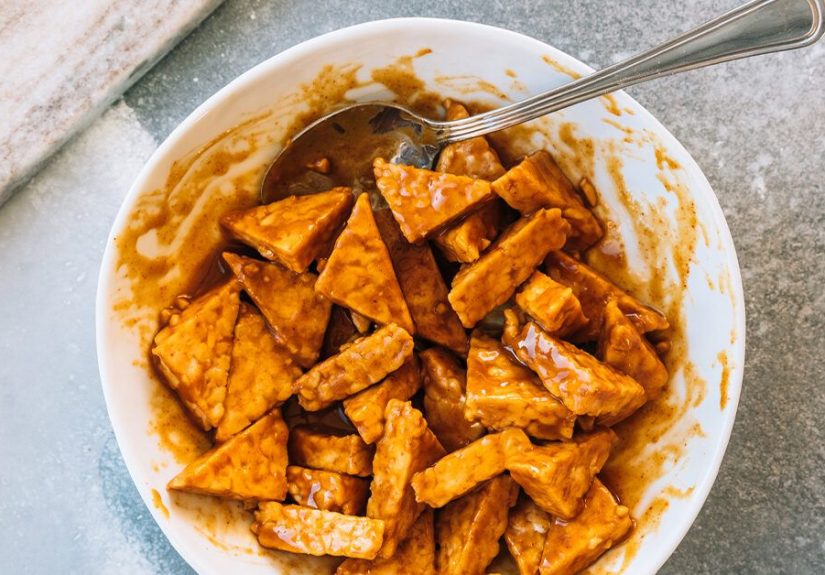
- Marinate it: Soy sauce, garlic, maple syrup, vinegar, ginger, mustard, chili paste, and citrus all work well.
- Crumble it: Great for tacos, pasta sauce, and lettuce wraps.
- Pan-sear or roast it: Crisp edges make a huge difference.
- Pair it with bold flavors: Tempeh loves smoky, spicy, tangy, and savory sauces.
If your first tempeh experience tasted like damp cardboard in a trench coat, that was a cooking problem, not a tempeh problem.
Easy Ways to Add Tempeh to Your Diet
- Slice and pan-sear it for sandwiches
- Crumble it into taco filling
- Toss cubes into grain bowls
- Add it to stir-fries with broccoli and brown rice
- Use it in salads for more protein and chew
- Roast it with barbecue sauce for a hearty dinner
- Mix it into noodle dishes for a satisfying plant-based meal
The trick is not forcing tempeh to pretend it is something else. Let it be tempeh. Use its texture and savory depth to your advantage, and it becomes much easier to enjoy regularly.
What Real-Life Tempeh Experiences Tend to Look Like
People who start eating tempeh regularly often describe a similar pattern. At first, there is curiosity mixed with skepticism. The package looks serious. The texture looks dense. The flavor is stronger than tofu, and that can be surprising. But after a few tries, especially once they learn to steam, marinate, and crisp it, tempeh goes from “interesting health food” to “actually, I want this again on Thursday.”
One common experience is that tempeh feels more substantial than many other plant-based proteins. Someone who swaps it into a lunch bowl with quinoa, roasted vegetables, and tahini dressing often notices they stay full longer than they expected. That is not shocking when you look at the protein and fiber content, but it does feel impressive in real life. Instead of hovering near the snack drawer at 3 p.m., they make it to dinner without acting like the office vending machine personally offended them.
Another frequent experience shows up with people trying to reduce meat without going fully vegetarian. Tempeh can work as a bridge food. It is not trying to be a perfect fake burger, and that is part of its charm. In tacos, stir-fries, chili, and sandwiches, it brings enough chew and savory flavor to make the meal feel complete. Many people say it helps them eat more plant-based meals without feeling deprived or overly virtuous, which honestly may be the most sustainable nutrition strategy of all.
There is also the kitchen-learning-curve experience. Almost everyone who likes tempeh now seems to have a story about one bad first attempt. Usually, they sliced it straight from the package, tossed it into a pan with no seasoning, and expected magic. What they got was a dry slab with commitment issues. Then someone told them to steam it first, marinate it, or coat it lightly before roasting. Suddenly, the same food turned into something crisp, caramelized, and deeply satisfying. Tempeh is not difficult, but it does appreciate a little effort and a lot of flavor.
For active people, tempeh often becomes part of the weekly routine because it is convenient. It can be meal-prepped, reheated well, and added to bowls, wraps, and salads without falling apart. People who work out may like that it offers solid protein without relying entirely on powders or packaged bars. People who are simply busy may like that it can sit in the fridge and quietly wait to rescue dinner when plans fall apart.
Some families also find tempeh surprisingly flexible once they stop introducing it as a “health food.” Call it crispy barbecue tempeh, spicy taco crumbles, or teriyaki tempeh strips, and the reaction is usually better than announcing, “Tonight we are eating fermented soy cake for wellness.” Marketing matters, even at home.
And finally, there is the mindset shift. Tempeh often teaches people that healthy eating does not have to mean bland eating, all-or-nothing rules, or giving up familiar meals. It can simply mean making smarter swaps more often. A tempeh grain bowl instead of takeout once a week. Tempeh tacos instead of ground beef sometimes. Tempeh added to a salad so it actually counts as lunch. Those are the kinds of experiences that make dietary change feel realistic instead of theatrical.
That may be tempeh’s most underrated benefit. It is not just nutritious. It is usable. And in real life, usable healthy food tends to win.
Final Thoughts
Tempeh is one of the most underrated foods in the plant-protein world. It offers an impressive mix of protein, fiber, minerals, and versatility, and it does so in a form that can genuinely satisfy. Its fermentation process gives it a unique nutritional edge, though not every claim made about fermented foods applies equally to every serving. The strongest case for tempeh is not hype. It is practicality.
If you want a nutrient-dense protein that can fit into heart-conscious, plant-forward, and high-satiety meals, tempeh deserves a place on your radar. It is not a miracle brick. It is better than that. It is real food with real benefits, which is usually the smarter investment anyway.