Table of Contents >> Show >> Hide
- What Is Activated Charcoal, Exactly?
- The Real Benefits of Activated Charcoal for Your Skin
- Where the Hype Gets Ahead of the Science
- Who Might Benefit the Most?
- Who Should Be Careful?
- How to Use Activated Charcoal Without Overdoing It
- What to Use Alongside Activated Charcoal
- What Real-Life Use Often Feels Like: Common Experiences With Charcoal Skin Care
- Final Thoughts
- SEO Tags
Activated charcoal has become one of those skin care ingredients that looks like it means business. It is black, dramatic, and usually packaged in a way that suggests it can vacuum your pores, solve your breakouts, cleanse your aura, and probably organize your closet. Real life is less cinematic, but the ingredient is still interesting. When used in the right product and on the right skin type, activated charcoal may help absorb excess oil, lift away surface buildup, and leave skin feeling cleaner and less shiny. That said, it is not a miracle sponge for every skin problem under the sun.
If you have oily or combination skin, you have probably seen charcoal face masks, cleansers, soaps, scrubs, and spot products claiming to “detox” your complexion. The truth sits somewhere between smart skin care and very confident marketing. Activated charcoal does have adsorbing properties, which means it can bind to certain substances on its surface. That is why it has a respected medical role in other settings. In skin care, however, the benefits are more modest. Think less “goodbye forever, blackheads” and more “hello, temporarily fresher-looking skin.”
This article breaks down what activated charcoal can realistically do for your skin, who may benefit most, who should be careful, and how to use it without making your face feel like a dried apricot.
What Is Activated Charcoal, Exactly?
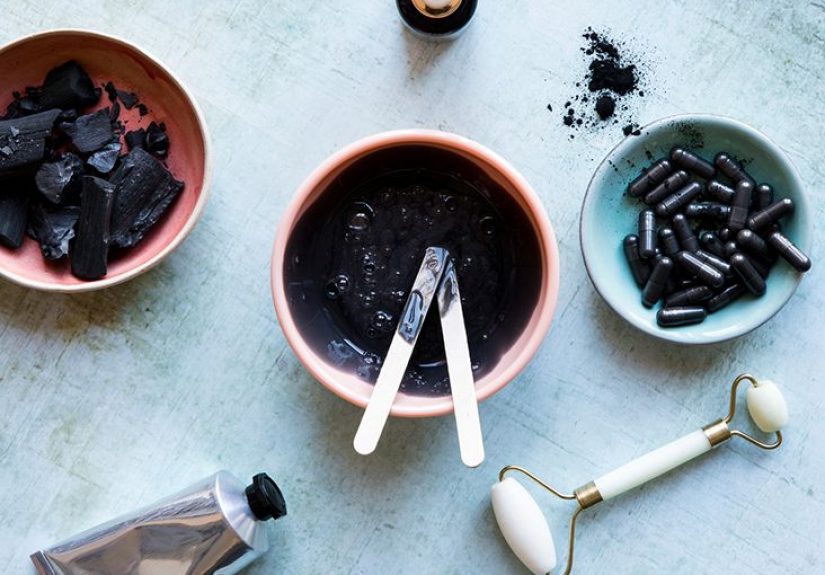
Activated charcoal is not the same thing as the briquettes hanging out near your grill. It is a specially processed form of carbon that is heated in a way that creates a huge number of tiny pores. Those pores increase the ingredient’s surface area, which helps it adsorb oil, dirt, and other particles. In skin care, that adsorbing action is the whole sales pitch.
Because activated charcoal has this porous structure, formulators use it in products aimed at oily skin, congested pores, and the general “my face gets shiny by noon” crowd. It is especially common in wash-off products like face masks and cleansers, where it has brief contact with the skin and is then rinsed away. That matters, because a rinse-off charcoal cleanser behaves very differently from a peel-off mask or a gritty scrub.
The Real Benefits of Activated Charcoal for Your Skin
1. It may help absorb excess oil
This is the most believable and practical benefit. If your skin tends to get greasy across the forehead, nose, and chin, activated charcoal may help reduce that slick feeling for a while. Many people notice that charcoal masks leave the skin looking more matte right after use. That does not mean your oil glands have been permanently retrained, but it can make your skin feel cleaner and look less shiny for the rest of the day.
For oily skin types, that temporary oil control can be useful. It can also make makeup sit better and reduce that mid-afternoon “why does my face look like it was basted?” problem. If your main complaint is shine rather than severe acne, a charcoal product may earn a place in your routine.
2. It can help remove surface buildup
Activated charcoal is often included in cleansers and masks that are designed to remove makeup residue, sunscreen leftovers, sweat, and the daily grime that settles on skin. It is not the only ingredient doing the work, of course. The overall formula matters a lot. But in a well-made cleanser or mask, charcoal can contribute to that freshly washed, less congested feel.
That is why some people describe charcoal skin care as giving them a “deep-clean” effect. It does not mean the product is reaching into every pore with a tiny shovel. It means your skin can feel cleaner on the surface, especially after a humid day, a workout, or a long stretch under makeup and sunscreen.
3. It may make pores look smaller
Let’s clear up one skin care myth while we are here: pores do not open and close like automatic doors. But they can look more noticeable when they are filled with oil and debris. By helping remove surface buildup and reduce excess oil, activated charcoal can make pores appear less obvious for a while.
That is a cosmetic improvement, not a structural one. Your pore size is influenced by things like genetics, skin type, and age. So if a charcoal mask seems to make your skin look smoother and more refined, that is likely because it has temporarily reduced shine and buildup, not because it shrank your pores into retirement.
4. It may be a useful add-on for oily, acne-prone skin
Activated charcoal can sometimes fit into an acne-prone routine, especially when clogged pores and excess sebum are part of the picture. A charcoal or clay mask may help dry out some oil trapped around the skin’s surface and give oily skin a cleaner feel. That can be satisfying and occasionally helpful.
But this is where expectations need a reality check. Activated charcoal is not one of the best-studied acne treatments. It is not in the same evidence-backed category as ingredients like salicylic acid, benzoyl peroxide, or prescription retinoids. So while charcoal might support an oily-skin routine, it should not be treated as the captain of the acne team. At best, it is a useful bench player.
5. It has specialized skin-related uses in wound care
Here is an important nuance. There is research on activated charcoal in certain wound dressings, particularly for managing chronic wounds and odor. That sounds impressive, and it is. But it does not automatically mean your charcoal face wash is a dermatologist in a tube. Wound care products are designed for a very different purpose and setting than cosmetic skin care products sold for blackheads or glow.
So yes, charcoal has legitimate medical relevance in some skin-related situations. No, that does not prove that every black face mask on the shelf is doing something extraordinary.
Where the Hype Gets Ahead of the Science
The biggest marketing word attached to charcoal skin care is detox. It sounds impressive, but in beauty language it is often vague. Your skin already has a barrier function, and your liver and kidneys handle the body’s actual detox work. A charcoal cleanser can help remove surface oil and residue. That is useful. It is just not mystical.
Another exaggerated claim is that activated charcoal can single-handedly clear acne, erase dark spots, or transform rough, uneven skin. The available evidence does not strongly support those dramatic promises. If you like how a charcoal product makes your face feel, great. But if you are chasing major improvements in acne, pigmentation, rosacea, eczema, or chronic irritation, you will usually get more reliable results from ingredients and treatments with stronger clinical support.
In other words, activated charcoal is best viewed as a supporting ingredient. It can help with oiliness and that just-washed feeling. It should not be expected to perform superhero-level skin surgery in your bathroom mirror.
Who Might Benefit the Most?
Activated charcoal tends to make the most sense for people with oily skin, combination skin, or skin that feels congested after sweat, makeup, or sunscreen. It may also appeal to anyone who likes rinse-off masks and wants a temporary mattifying effect before an event or after a sweaty day.
If your skin is relatively resilient and you enjoy using a charcoal mask once in a while, you may find it pleasantly refreshing. Some people also like charcoal body products for areas that feel oilier or more breakout-prone, such as the chest, shoulders, or back.
Still, “benefit” depends heavily on the full product formula. A gentle charcoal cleanser can be useful. A peel-off mask loaded with fragrance and harsh adhesives can be a drama queen. Always judge the entire product, not just the trendy ingredient on the label.
Who Should Be Careful?
If you have dry skin, sensitive skin, eczema, rosacea, or a history of reacting to skin care products, activated charcoal may be more trouble than treasure. Many charcoal products are marketed as “deep cleansing,” and that often comes with a risk of tightness, dryness, flaking, or irritation. If your skin barrier is already struggling, a harsh product can make everything worse.
That is especially true for products combined with fragrance, scrubbing particles, alcohol-heavy formulas, or peel-off technology. In those cases, the irritation may come from the whole formula rather than charcoal alone, but your face will not care about that technical distinction.
If you are prone to allergic contact dermatitis, be cautious with any new product, including “natural” or trendy ones. Natural does not always mean gentle. Sometimes it means “smells nice right before your skin gets mad.”
How to Use Activated Charcoal Without Overdoing It
Choose the right format
A gentle charcoal cleanser or wash-off mask is usually a safer starting point than an aggressive scrub or peel-off mask. Cleansers have short contact time, and well-formulated masks can give you that oil-control effect without as much mechanical irritation.
Patch test first
Before slathering a new charcoal product all over your face, test it on a small area of skin for several days. This is particularly smart if your skin is reactive or if the product contains fragrance, essential oils, acids, or exfoliants. A patch test is boring, yes, but so is having an itchy red jawline before a weekend event.
Do not use it like you are sanding a table
Charcoal works best when the rest of your routine stays gentle. Scrubbing harder, washing more often, or layering multiple drying products can irritate the skin and potentially worsen breakouts. Clean skin does not need punishment.
Follow with moisturizer
After using a charcoal mask or cleanser, apply a moisturizer that fits your skin type. If your skin leans oily, a lightweight gel or lotion may be enough. If it runs dry, reach for a cream with barrier-supporting ingredients. Moisturizer helps prevent that overly tight, squeaky feeling that people often mistake for “super clean” when it is actually “slightly annoyed.”
Keep the rest of the routine simple
On days you use a charcoal mask, it is often wise to avoid piling on other potentially irritating extras. You do not need to combine a charcoal peel, three acids, a scrub, a retinoid, and a spontaneous life lesson. Simpler is usually smarter.
What to Use Alongside Activated Charcoal
If you want better skin, activated charcoal should usually be paired with basics that do more of the heavy lifting. Start with a gentle cleanser, a moisturizer suited to your skin type, and daily sunscreen. That foundation matters more than any trendy mask.
For acne-prone skin, ingredients like salicylic acid or benzoyl peroxide may be more helpful than charcoal alone. For dry or sensitive skin, barrier-friendly moisturizers and fragrance-free products are the bigger win. For pigmentation concerns, ingredients like azelaic acid, vitamin C, niacinamide, or prescription options may be more useful depending on your skin and goals.
Think of activated charcoal as a nice side dish, not the entire meal.
What Real-Life Use Often Feels Like: Common Experiences With Charcoal Skin Care
People who enjoy activated charcoal products often describe the experience in surprisingly similar ways. The first reaction is usually visual. The product looks bold, a little messy, and oddly satisfying in the mirror. There is a certain theatrical flair to putting a black mask on your face. You feel like a skincare enthusiast, a superhero, or a person who made one aggressive purchase after reading a very persuasive product description.
Right after rinsing it off, many users say their skin feels exceptionally clean. The T-zone often looks less shiny, and pores may appear softer or less obvious for a few hours. Makeup can go on more smoothly, and the face may feel fresher after a sweaty day. For people with oily or combination skin, that immediate matte effect is often the reason they keep coming back.
But the next common experience is a split in the road. If the formula is gentle and the person’s skin is fairly resilient, the product can become an occasional favorite. It gets used before special occasions, after workouts, or whenever the skin feels greasy and congested. In that situation, charcoal acts like a reset button. Not a miracle. Just a satisfying cleanup crew.
The other road is less glamorous. Some users notice tightness a few minutes after use, especially around the cheeks or mouth. Others see flaking, redness, or a prickly sensation the next morning. That tends to happen more often in people with dry skin, sensitive skin, or routines that already include strong actives. When a charcoal mask joins a lineup of exfoliating acids, retinoids, acne spot treatments, and a cleanser that means well but behaves like dish soap, the skin barrier may wave a white flag.
Another common experience is disappointment when charcoal does not solve stubborn acne. A person may love the immediate clean feeling yet realize, after a few weeks, that the deeper breakouts are still there. That is not failure. It is just a reminder that oily skin and acne are related, but not identical. Surface oil can be reduced without fully addressing inflammation, clogged follicles, hormones, or bacteria.
Some people also learn that the format matters more than the trend. A gentle charcoal cleanser may work beautifully, while a peel-off version feels overly harsh. A charcoal-and-clay mask may be manageable once in a while, but a scrub with rough particles may leave the skin irritated. The ingredient gets the spotlight, but the formula often writes the review.
Perhaps the most useful real-world lesson is this: activated charcoal tends to work best when expectations are realistic. Users who treat it as a helpful extra for shine control are usually happier than those expecting a dramatic transformation. In everyday skin care, the people who do best with charcoal are often the ones who also moisturize, use sunscreen, avoid over-scrubbing, and know when to stop chasing every product that looks exciting on a shelf.
Final Thoughts
Activated charcoal can offer real but limited skin benefits. It may help absorb excess oil, remove surface buildup, and leave skin looking cleaner and less shiny for a while. That makes it a reasonable option for some people with oily or combination skin. But it is not a cure-all, and it is definitely not a free pass to ignore the basics of skin care.
If your skin likes charcoal, enjoy it as an occasional supporting player. If your skin feels tight, flaky, stingy, or irritated, back away gracefully and simplify your routine. The best skin care is not the trendiest product in the darkest tube. It is the one your skin can actually tolerate and benefit from over time.
And that, thankfully, is a lot less dramatic than “detox,” but a lot more useful.