Table of Contents >> Show >> Hide
- What Makes a Chili Recipe Actually Great?
- The Chili Recipe Builder
- 7 Chili Recipes You’ll Want on Repeat
- 1) Classic Weeknight Beef & Bean Chili
- 2) Texas-Style Chile Con Carne (No-Beans-Allowed Edition)
- 3) White Chicken Chili (Creamy, Bright, and Tomato-Free)
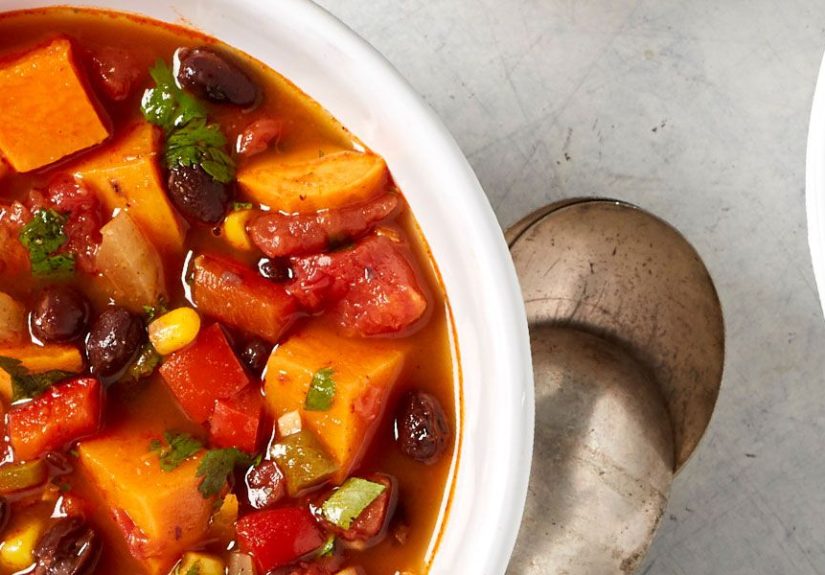
- 4) Vegetarian Sweet Potato & Black Bean Chili
- 5) Turkey Chili with “Fall Energy” (Pumpkin Optional, Not Weird)
- 6) Chili Verde (Green Chili with Pork)
- 7) Cincinnati-Style Chili (Spiced, Silky, and Surprisingly Addictive)
- Slow Cooker Chili vs. Instant Pot Chili vs. Stovetop Chili
- Chili Toppings That Make Every Bowl Better
- How to Store, Freeze, and Reheat Chili
- Common Chili Problems (and How to Fix Them Fast)
- Chili Experiences: The Real-Life Moments That Make Chili Legendary (Extra )
- Conclusion
- SEO Tags
Chili is the culinary equivalent of a cozy sweatshirt: forgiving, comforting, and somehow always the right choice
whether you’re feeding a crowd, meal-prepping for the week, or trying to make your kitchen smell like “someone
responsible lives here.”
But “chili recipes” isn’t one recipe. It’s a whole universe. There’s classic beef-and-beans chili that tastes like
game day. There’s Texas-style chile con carne that politely asks beans to exit the building. There’s white chicken
chili for people who want comfort food without the tomato tang. And there’s vegetarian chili that proves you don’t
need meat to get that deep, spoon-coating satisfaction.
What Makes a Chili Recipe Actually Great?
Great chili doesn’t happen by accident. It’s builtlayer by layerlike a flavor lasagna. Here’s what the best
homemade chili tends to have in common:
1) A strong flavor foundation (aka the “start here, not later” moment)
Chili starts with aromatics: onion, garlic, maybe bell pepper, maybe jalapeño. Don’t rush this step.
You’re not just softening vegetablesyou’re creating the base note that everything else stands on.
2) Spices that get a minute to wake up
Dumping spices into a watery pot is how you get a chili that tastes like a dusty spice rack.
Instead, stir spices into hot fat (even briefly) so they “bloom” and smell like they mean it.
If you use tomato paste, letting it cook for a minute or two helps it taste deeper and less raw.
3) A balance of heat, richness, and brightness
Chili should feel bold, not flat. Heat can come from chili powder, cayenne, chipotle, or dried chiles.
Richness can come from browned meat, a long simmer, or an umami booster (more on that in a second).
Brightness comes from acidity: tomatoes, tomatillos, a splash of vinegar, or even lime at the end.
4) The right thickness (spoon stands up? maybe. spoon doesn’t swim? yes.)
Thick chili doesn’t mean “dry.” It means cohesive. You can thicken chili by simmering uncovered,
stirring in a little tomato paste, lightly mashing some beans, or using crushed tortilla chips in certain styles.
The goal is a chili that clings to a chip, not one that runs away from it.
5) Timeor a smart shortcut
A longer simmer usually builds a deeper chili flavor. But weeknight chili can still be excellent
if you focus on browning, blooming spices, and using a few high-impact ingredients.
The Chili Recipe Builder
If you want to invent your own chili (or fix a mediocre pot), use this simple framework:
| Chili Element | Choose 1–3 Options | Why It Works |
|---|---|---|
| Protein | Ground beef, chuck cubes, turkey, chicken, beans, lentils, mushrooms | Defines texture and richness |
| Chili Flavor | Chili powder, chipotle, ancho, guajillo, paprika, cumin | Builds warmth and complexity |
| Body | Tomatoes, tomato paste, blended beans, stock, beer | Creates a unified sauce |
| Umami Boost | Soy sauce, fish sauce, cocoa, Worcestershire, browned tomato paste | Makes flavors taste “bigger” |
| Finish | Vinegar, lime, cilantro, hot sauce | Brightens and sharpens |
7 Chili Recipes You’ll Want on Repeat
Below are seven in-depth chili recipes (and styles) with practical tips and variations. Each one is designed to be
customizable, because chili is famously personallike playlists and how much cheese is “a reasonable amount.”
1) Classic Weeknight Beef & Bean Chili
Best for: Busy nights, chili dogs, baked potatoes, “I need comfort food immediately.”
Key ingredients
- Ground beef (80/20 gives flavor; lean works if you add a little extra olive oil)
- Onion, garlic, optional bell pepper
- Chili powder + cumin + oregano (start modest, build after simmering)
- Tomato paste + crushed or diced tomatoes
- Beans (kidney, pinto, or black beans)
- Broth or water
How to make it
- Brown the beef well. Let it sit so it actually browns (not steams), then break it up.
- Cook aromatics. Add onion/pepper, cook until softened, then add garlic.
- Bloom spices + toast tomato paste. Stir in spices, then tomato paste; cook 1–2 minutes.
- Add tomatoes and broth. Simmer 25–40 minutes (longer if you have time).
- Add beans near the end. Simmer 10 minutes more, then season to taste.
Pro tip: If it tastes “good but not amazing,” add one small finishing move: a splash of vinegar,
a squeeze of lime, or a few dashes of hot sauce. Chili loves a bright ending.
2) Texas-Style Chile Con Carne (No-Beans-Allowed Edition)
Best for: Chili purists, smoked brisket fans, and anyone who enjoys a debate.
Texas-style chili leans hard into beef and dried chiles. The idea is deep chile flavor without relying on a
pre-mixed chili powder as the only note. You can keep it straightforward and still get that rich “cook-off” vibe.
Key ingredients
- Beef chuck (cut into small cubes) or a mix of chuck + short rib for richness
- Dried chiles (ancho for fruity depth, guajillo for bright red chile flavor, a little árbol for heat)
- Onion, garlic
- Beef stock
- Cumin, oregano (optional but common)
How to make it
- Toast dried chiles briefly until fragrant, then soak in hot stock or water.
- Blend the chile base until smooth (strain if you want it extra silky).
- Brown beef in batches. Don’t overcrowd, and scrape up the browned bits.
- Simmer slowly with chile base and stock until the beef is tender, 1.5–2.5 hours.
- Season thoughtfully. Salt is not optional here; it’s the difference between “pretty good” and “who made this?”
Pro tip: If you want a thicker sauce without flour, simmer uncovered and stir occasionally.
You can also mash a few beef cubes against the pot near the end for natural body.
3) White Chicken Chili (Creamy, Bright, and Tomato-Free)
Best for: People who want cozy chili vibes without red sauce.
Key ingredients
- Chicken (thighs for richness, breasts for leaner)
- White beans (cannellini or great northern)
- Green chiles (canned is fine), onion, garlic
- Cumin, oregano, a pinch of coriander
- Chicken broth
- Lime + cilantro to finish
How to make it
- Cook onion and garlic until soft; add spices and stir briefly.
- Add broth, green chiles, and chicken. Simmer until chicken is cooked through.
- Remove chicken, shred it, and return it to the pot.
- Stir in beans. For creaminess, mash or blend a small portion of beans and mix back in.
- Finish with lime juice and cilantro; add salt last.
Pro tip: For a thicker, creamy texture without heavy cream, blend 1 cup of beans with a little broth.
It turns the chili silky while still tasting like chili, not like soup that tried on chili’s jacket.
4) Vegetarian Sweet Potato & Black Bean Chili
Best for: Meatless Mondays, meal prep, and proving a point to skeptical relatives.
Key ingredients
- Sweet potatoes (cubed small so they cook evenly)
- Black beans (and/or pinto beans)
- Onion, garlic, bell pepper
- Chili powder, cumin, smoked paprika, chipotle (optional for smoky heat)
- Crushed tomatoes + vegetable broth
- Optional depth builders: cocoa powder (tiny amount), soy sauce, or a splash of beer
How to make it
- Sauté onion/pepper until soft. Add garlic.
- Add spices and tomato paste (if using), cook briefly.
- Add tomatoes, broth, sweet potatoes. Simmer until tender.
- Stir in beans near the end; simmer to thicken.
- Adjust seasoning and finish with lime or vinegar.
Pro tip: If vegetarian chili tastes “thin,” it usually needs either (1) more salt,
(2) a touch of acid, or (3) an umami nudge. Try 1 teaspoon soy sauce or a pinch of cocoasmall moves, big payoff.
5) Turkey Chili with “Fall Energy” (Pumpkin Optional, Not Weird)
Best for: Lighter chili cravings, autumn potlucks, and anyone who likes a subtle sweetness.
Ground turkey can go bland if you treat it like ground beef. The fix is easy: brown it well, and give it bold spices.
Adding a small amount of pumpkin purée (optional) can make the chili thicker and slightly sweeter in a way that plays
nicely with smoky spices.
Key ingredients
- Ground turkey (dark meat if you can find it)
- Onion, garlic, jalapeño
- Chili powder, cumin, smoked paprika
- Crushed tomatoes + broth
- Beans (kidney or pinto)
- Optional: 1/2 cup pumpkin purée
How to make it
- Brown turkey until you see real color (don’t stop at “gray and sad”).
- Add aromatics, then spices and tomato paste.
- Add tomatoes and broth; simmer 25–45 minutes.
- Stir in beans; add pumpkin if you want extra body.
- Taste and correct: salt, acid, and heat level.
Pro tip: A tiny bit of brown sugar (like 1 teaspoon) can round sharp tomato acidity,
especially if your canned tomatoes taste extra bright.
6) Chili Verde (Green Chili with Pork)
Best for: Taco night, burrito bowls, and people who prefer tangy heat over smoky heat.
Chili verde uses tomatillos and green chiles for a tart, savory base. It’s less “red chili bowl” and more
“why am I eating this with a spoon when tortillas exist?”
Key ingredients
- Pork shoulder (cut into chunks)
- Tomatillos, onion, garlic
- Green chiles (fresh or canned), jalapeño/serrano
- Cumin, oregano
- Chicken stock
- Cilantro + lime to finish
How to make it
- Roast or sauté tomatillos, onions, and chiles until softened and slightly browned.
- Blend into a green sauce with garlic and cilantro (optional), then season.
- Brown pork chunks, then simmer in the green sauce + stock until tender.
- Finish with lime, salt, and extra cilantro.
Pro tip: Chili verde gets better after a rest. The tang mellows, the pork soaks up sauce,
and suddenly you’re planning leftovers like it’s a responsible hobby.
7) Cincinnati-Style Chili (Spiced, Silky, and Surprisingly Addictive)
Best for: Chili over spaghetti, chili cheese fries, and adventurous comfort-food fans.
This style is thinner and more finely textured than chunky chili. Warm spices like cinnamon, clove, and allspice
often show up. The result tastes like chili took a road trip and came back with a new personality.
Key ingredients
- Ground beef (fine texture works best)
- Onion, garlic
- Tomato sauce (more sauce-forward than chunky)
- Chili powder + cumin + cinnamon + a pinch of clove or allspice
- Optional: cocoa powder (tiny amount)
How to make it
- Sauté onion and garlic; add beef and break it up very finely.
- Add spices and tomato base; simmer 45–90 minutes for the signature melded flavor.
- Serve “chili parlor style” over spaghetti with a mountain of shredded cheddar and chopped onion.
Pro tip: If you’ve never had this style, start with less clove than you think.
You want a warm background notenot a “holiday candle” situation.
Slow Cooker Chili vs. Instant Pot Chili vs. Stovetop Chili
Stovetop chili
The most flexible and easiest to adjust. Great for classic chili recipes where you want to taste and tweak.
If you can spare 45–90 minutes, stovetop chili is the “control freak’s choice” (in a loving way).
Slow cooker chili
Best for convenience and hands-off cooking. The main watch-out: flavor can taste softer if you skip browning.
Quick fix: brown meat and sauté aromatics first, then transfer to the slow cooker.
Instant Pot chili
Great for speed and tenderness, especially for chunkier cuts like pork shoulder or beef. You still want to brown
meat using sauté mode for depth. After pressure cooking, simmer on sauté to thicken.
Chili Toppings That Make Every Bowl Better
Toppings aren’t decoration. They’re texture, temperature, and contrastbasically the supporting cast that makes
chili feel like a complete meal.
- Cheese: cheddar, Monterey Jack, pepper jack
- Creamy: sour cream, Greek yogurt, crema
- Crunch: tortilla chips, crushed corn chips, toasted pepitas
- Fresh: cilantro, scallions, diced onion
- Heat: pickled jalapeños, hot sauce, chili oil
- Bright: lime wedges, a small splash of vinegar
How to Store, Freeze, and Reheat Chili
Refrigerator
Chili holds well for several days and often tastes better the next day because the flavors marry.
Store it in airtight containers and cool it quickly before refrigerating.
Freezer
Chili is one of the best freezer meals on earth. Freeze in flat bags or portioned containers so you can thaw only
what you need. For bean-heavy chili, expect beans to soften slightly after freezingstill delicious, just a bit creamier.
Reheating
Reheat gently on the stovetop with a splash of broth or water if it thickened too much.
Always taste after reheating; sometimes you’ll want to add a pinch of salt or a squeeze of lime to brighten it back up.
Common Chili Problems (and How to Fix Them Fast)
My chili is too spicy
Add more base: tomatoes, broth, beans, or even a small spoonful of plain yogurt at serving.
Sweetness can help tootry a tiny pinch of sugar. Don’t drown it; just nudge it.
My chili is too thin
Simmer uncovered, stir more often, and let evaporation do its job. You can also mash some beans, stir in a bit of
tomato paste, or add crushed tortilla chips in styles that welcome it.
My chili tastes boring
The “boring chili trilogy” is usually: not enough salt, not enough acid, and not enough chile depth.
Add salt gradually, then try a splash of vinegar or lime. If it still tastes flat, add a small umami booster
(Worcestershire, soy sauce, or a tiny pinch of cocoa) and simmer 5–10 minutes.
Chili Experiences: The Real-Life Moments That Make Chili Legendary (Extra )
Ask ten people about chili recipes, and you’ll get ten confident answersplus at least three people who insist
their version is “award-winning,” even if the only award was a thumbs-up from their cousin at a backyard barbecue.
That’s the magic of chili: it’s not just a meal, it’s a memory generator.
One of the most familiar chili experiences is the “first cold day” ritual. The temperature drops, you suddenly
remember where your cozy socks live, and chili becomes the obvious solution. You start chopping onions, the pot
starts humming, and your kitchen transforms into the kind of place where people wander in and say, “What smells so
good?” (This is an elite compliment, second only to “I already ate, but I can still have a bowl.”)
Then there’s the game-day chili scenariothe one where chili becomes both dinner and entertainment. People hover
near the pot like it’s a campfire, lifting the lid “just to check,” as if the chili might have evolved new features
since last time. A chili bar appears: shredded cheese, sour cream, diced onions, jalapeños, chips, cornbread.
Someone inevitably goes a little too wild with toppings and ends up with something that’s 30% chili, 70% optimism.
Nobody regrets it.
Chili also has a special relationship with confidence. You can be a beginner cook and still pull off a great pot
because chili forgives small mistakes. Forgot oregano? You’ll survive. Beans a little soft? Call it “creamy.”
Too thick? Add broth. Too thin? Simmer longer. Chili makes you feel capable, which is probably why it shows up in
so many family traditions and “my grandma’s recipe” stories. It’s the dish that says, “Relax. You’ve got this.”
And let’s talk about the next-day experience, because leftover chili is practically a different food category.
The flavors settle in overnight, the spice mellows, and suddenly the chili tastes more unifiedlike it went to
group therapy and came back emotionally balanced. Next-day chili is where you discover the real versatility:
spooned over a baked potato, poured onto nachos, tucked into a burrito, stirred into mac and cheese, or layered in
a chili cheese dip situation that feels slightly chaotic but deeply correct.
Some chili experiences are less romantic, but equally reallike the moment you taste and realize you made it too
spicy. This is when you learn the “rescue moves”: add beans, add tomatoes, add a little sweetness, finish with
dairy at serving. It’s also when you learn an important life lesson: cayenne is not a personality trait.
Finally, chili is a social dish. It shows up at potlucks, cook-offs, tailgates, snow days, and “we need something
that feeds everyone” nights. Even if people disagree about beans, tomatoes, or how thick chili should be, the bowl
usually disappears. And that’s the most honest review of any chili recipe: when the pot comes back empty and
someone asks if you can make it again next weekpreferably a bigger batch.
Conclusion
The best chili recipes aren’t about following a strict set of rulesthey’re about building big flavor with smart
steps: browning, blooming spices, balancing heat and acidity, and letting the pot simmer until everything tastes
like it belongs together. Whether you love a classic beef-and-beans bowl, a Texas-style chile con carne, a bright
white chicken chili, or a bold vegetarian version, you can make chili that tastes like it came from your favorite
diner, cook-off, or family tradition. Start with one recipe, then make it yoursbecause chili is comfort food with
a creative streak (and a very forgiving attitude).