Table of Contents >> Show >> Hide
- Why Brickett Davda Still Feels So Relevant
- The Real Appeal of Black Plates
- A Closer Look at the Brickett Davda Smith Black Collection
- What Makes Handmade Black Ceramics Different From Mass-Market Black Dinnerware
- How to Style Brickett Davda Black Plates at Home
- Are Brickett Davda Black Plates Worth It?
- Care, Ordering, and What Buyers Should Know
- Brickett Davda Collection: Black Plates in Real Life
- Living With Black Plates: The Experience No One Tells You About
- Conclusion
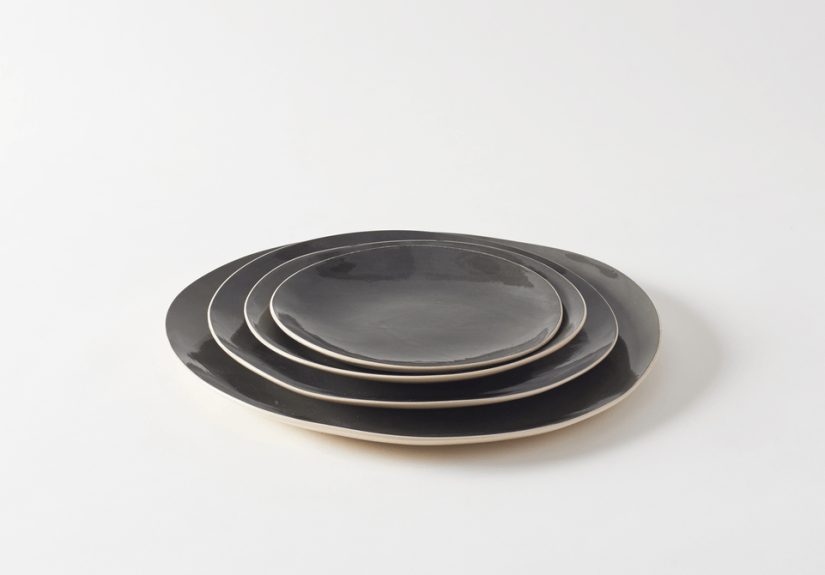
Some dinnerware whispers. Some dinnerware politely clears its throat. And some dinnerware walks into the room wearing matte black, says absolutely nothing, and still becomes the main character. That is the charm of the Brickett Davda Collection: Black Plates. Or, more accurately, the black tableware universe surrounding Brickett Davda’s beautifully restrained ceramics. These are not fussy museum pieces pretending to be useful. They are handmade forms with enough soul to feel special and enough practicality to earn a spot in real kitchens where people actually eat, host, stack, wash, and occasionally panic-plate pasta five minutes before guests arrive.
At the center of this conversation is Brickett Davda’s Smith Black collection, a lineup that proves black ceramics do not have to feel harsh, gothic, or aggressively “designer.” Instead, they feel grounded. Soft-edged. Quietly dramatic. They bring depth to a table without screaming for attention, which, frankly, is the dream. In a world full of attention-seeking home goods, a black handmade plate or bowl that knows how to behave is refreshingly attractive.
This article explores why black dinnerware keeps winning, what makes Brickett Davda’s aesthetic distinctive, how the collection works in everyday life, and why these pieces appeal to people who want their table to feel elevated without looking like it is auditioning for a cooking show.
Why Brickett Davda Still Feels So Relevant
One reason the Brickett Davda collection stands out is that it avoids trend fatigue. Handmade ceramics have been popular for years, but not every maker lands in that sweet spot between artful and usable. Brickett Davda does. The studio’s look is refined but not cold, earthy but not rustic in a hay-bales-and-chickens way. There is a clear sensitivity to form, proportion, and muted color, and that discipline gives the work staying power.
Black ceramics, in particular, can easily go wrong. Too glossy, and they look slick in the wrong way. Too severe, and they start to feel like props from a moody restaurant where the menu has no vowels. Brickett Davda’s black pieces avoid both problems by leaning into shape, surface, and balance. The result is a collection that feels modern without becoming clinical.
That matters because people are using dinnerware differently now. Plates are not just plates anymore. They are part of the room. They sit on open shelves, appear in holiday tablescapes, make cameos in kitchen styling, and occasionally end up on Instagram next to a suspiciously photogenic loaf cake. Consumers increasingly want pieces that work for weeknight meals but also hold visual weight when the table is dressed up. Brickett Davda fits that shift perfectly.
The Real Appeal of Black Plates
Black dinnerware has become one of those rare design moves that feels both bold and safe. Bold, because it instantly changes the mood of a table. Safe, because it pairs with practically everything. White linens? Great. Walnut wood? Beautiful. Brass flatware? Gorgeous. Clear glass? Effortless. A slightly chaotic salad made from whatever was left in the fridge? Still weirdly elegant.
The biggest advantage of black plates is contrast. Food tends to look vivid against a dark background. Bright greens appear greener. Pasta sauces look richer. Roasted vegetables stop blending into beige oblivion and start looking intentional. Even a simple piece of toast with jam gets a small promotion when served on a black ceramic plate. It suddenly has ambition.
Black plates also add visual structure. They anchor a table. On a mixed-material setup, they provide a clean center point that makes linen napkins, brushed metal cutlery, natural wood boards, and handblown glass look more composed. That is why black dinnerware continues to appear in both retailer collections and editorial tablescape features: it does the styling work without making your table feel overproduced.
A Closer Look at the Brickett Davda Smith Black Collection
If you are specifically searching for Brickett Davda black plates, it helps to understand that the Smith Black collection is less about one classic dinner plate silhouette and more about a family of handmade tabletop forms. That is part of what makes it so appealing. The collection feels flexible rather than rigidly set, and that encourages more personal, layered table styling.
Shapes That Make the Collection Feel Collected, Not Cookie-Cutter
The Smith Black range includes pieces such as a beaker, rice bowl, soup bowl, pasta bowl, serving bowl, tray, and a large low bowl. On paper, that may sound modest. In practice, it is exactly the kind of edited assortment that design-minded buyers appreciate. Instead of overwhelming the buyer with twenty near-identical forms, the collection focuses on pieces with clear purpose and strong silhouette.
The pasta bowl is especially important in any black dinnerware conversation. These wide, low bowls are among the most versatile shapes in a kitchen. They work for pasta, yes, but also grain bowls, composed salads, curry, roasted vegetables, and the sort of “I assembled this from leftovers but I want it to look sophisticated” meals that modern life specializes in. A black pasta bowl makes almost everything look like it was plated with confidence.
The soup bowl and rice bowl expand that everyday usefulness. They are practical enough for frequent use, but in black ceramic they feel more considered than standard all-purpose bowls. Meanwhile, the serving bowl, tray, and large low bowl give the collection range. These are the pieces that turn a meal into a table. They create volume, layering, and center-of-table drama without needing decorative clutter to prop them up.
In other words, the beauty of Brickett Davda’s black collection is not only in what it is, but in what it allows you to build around it.
What Makes Handmade Black Ceramics Different From Mass-Market Black Dinnerware
There is nothing wrong with accessible black stoneware from major retailers. In fact, many U.S. stores have done a great job of proving that matte black dinnerware can be durable, attractive, and easy to live with. But handmade ceramics offer a different kind of value. They introduce variation, and variation is often what makes a table feel human.
With handmade work, edges are not robot-perfect. Glaze character shifts subtly. Dimensions may vary a little. That is not a flaw. That is the entire point. The plate in your hand feels made, not manufactured. On a set table, those tiny irregularities create warmth. They keep a dark palette from feeling flat or impersonal.
Brickett Davda’s work benefits from that exact tension: disciplined design paired with handmade individuality. The forms feel deliberate, but the finished pieces still retain the quiet idiosyncrasies that people love in studio ceramics. It is the difference between a black plate that says, “I came in a box with twelve identical siblings,” and a black plate that says, “I have character, but I also stack like a civilized adult.”
How to Style Brickett Davda Black Plates at Home
The easiest way to style black plates is to stop overthinking them. They are surprisingly accommodating. You do not need a black-on-black-on-black table unless your goal is “elegant vampire dinner party,” which, to be fair, has its moments. Most of the time, black ceramics look best when paired with materials that soften and warm the table.
Best Pairings for Everyday Use
For a relaxed setup, pair black plates or bowls with washed linen napkins, oak or walnut boards, and simple glassware. The contrast between dark ceramic and natural textures creates balance. It feels calm and expensive without requiring ten candles and a nervous breakdown.
Best Pairings for Entertaining
For a more polished table, use black ceramics with brass or satin-finish flatware, low candles, cream or oatmeal textiles, and a few sculptural serving pieces. The goal is not to make the table darker. The goal is to make the black feel intentional. Contrast is your friend.
Foods That Look Especially Good on Black Plates
Black dinnerware is basically a hype team for colorful food. Think burrata with tomatoes and basil, saffron risotto, lemon pasta, roasted carrots with yogurt, grilled peaches, citrus desserts, dark chocolate tart, or even a plain green salad. The black background sharpens color and makes texture easier to see. Suddenly your Tuesday lunch has the confidence of a cookbook cover.
Are Brickett Davda Black Plates Worth It?
If you want the cheapest way to put dinner on a table, no. If you want thoughtfully made ceramics that carry aesthetic weight, feel personal, and age beautifully in a home, absolutely. Brickett Davda is not for the person looking to fill a cabinet as quickly as possible. It is for the buyer who cares how objects feel in the hand, how they sit in a room, and how they change the atmosphere of everyday rituals.
That buyer might be a committed home cook, a design lover, a host who understands that serving bowl choices are a personality test, or someone furnishing a home slowly and intentionally. Black plates from a collection like this are less about novelty and more about long-term satisfaction. They do not need to be trendy because they already know what they are.
There is also a practical argument for investing in handmade black tabletop pieces. Because the color is versatile and the shapes are restrained, these ceramics are easy to mix with existing dishes. You do not have to replace your entire cabinet. A few pieces can shift the tone of your table immediately. A black serving bowl here, a low bowl there, a set of pasta bowls for entertaining, and suddenly the whole dining setup looks more grown-up.
Care, Ordering, and What Buyers Should Know
One of the smartest things about approaching a collection like this is understanding that handmade ceramics deserve slightly more respect than anonymous everyday dishes. Not fear. Respect. The kind of respect that means you do not slam them into the dishwasher like they insulted your family.
Brickett Davda’s ceramics are handmade and bespoke, which means variations are part of the experience. That individuality is a selling point, not a manufacturing accident. Buyers should also understand that handmade studio ordering is usually more personal and slower than clicking “add to cart” on a mega-retailer site. That slower pace is part of what supports craftsmanship, and for many design-conscious buyers, it is part of the pleasure.
In everyday use, black matte or semi-matte ceramics can show utensil marks a little more visibly than glossy white dishes. That is not unusual for dark dinnerware. Gentle care, sensible stacking, and non-abrasive cleaning habits go a long way. The payoff is a tabletop collection that feels distinctive every time you use it.
Brickett Davda Collection: Black Plates in Real Life
The strongest case for Brickett Davda’s black ceramics is not made in a showroom. It is made at home, during actual meals. They work when the table is dressed up for guests, but they also work when dinner is roasted vegetables, some bread, and a chicken you hoped would be crispier. They make simple meals look composed without making you feel like you have to perform sophistication.
That balance is rare. Some handmade ceramics are stunning but precious. Some dark dinnerware is dramatic but limiting. Brickett Davda’s black collection lands in the sweet spot between beauty and usability. It brings mood, but not heaviness. Character, but not chaos. Design value, but not visual noise.
And that may be the real luxury here: not perfection, but a table that feels calm, grounded, and quietly memorable. Black plates, when they are this well judged, do not make a table look trendy. They make it look assured.
Living With Black Plates: The Experience No One Tells You About
Here is the part of the conversation that product descriptions rarely capture: living with black plates changes the emotional texture of everyday meals. Not in a life-altering, movie-montage way. More in a “why does my scrambled egg suddenly look like it went to design school?” way. And honestly, that is enough.
The first thing you notice is that black ceramics slow you down a little. You become more aware of color, shape, and contrast. A handful of strawberries looks brighter. A bowl of brothy noodles looks richer. Toast with salted butter looks less like a rushed breakfast and more like a choice. That sounds ridiculous until you experience it, and then it sounds correct.
There is also something deeply satisfying about the mood black plates create in the evening. White dishes tend to reflect light and keep things airy. Black dishes absorb light and make dinner feel warmer, quieter, and more intentional. Add a linen napkin, a glass of sparkling water, maybe a candle if you are feeling emotionally stable, and the entire meal feels more settled.
When guests come over, black plates do a surprising amount of social labor. People notice them. Not in a loud “where did you get those?” way every single time, but in the subtle pause that happens when a table feels pulled together. Even simple food feels more hosted. A salad looks fresher. Roast chicken looks more golden. Dessert looks suspiciously competent. You get credit for effort that the plate is doing on your behalf, which is the kind of teamwork we should all appreciate.
Of course, black dinnerware has a practical side too. You start to learn what looks best on it. Colorful food wins. Creamy food wins. Fresh herbs, citrus, grains, tomatoes, stone fruit, chocolate, and olive oil all look terrific. Beige food can still be a challenge, but that is not really the plate’s fault. Some meals need garnish, and black ceramics simply refuse to lie about it.
Another experience people do not always expect is how easy black plates are to mix into an existing collection. You do not have to commit to a full dark table. In fact, the most beautiful setups often use black ceramics selectively. A large low bowl at the center, black pasta bowls for the main course, white salad plates for contrast, clear glass, natural wood, and suddenly the whole table has dimension. It feels layered rather than matchy, curated rather than purchased in one panic session.
Over time, the best black ceramics become visual anchors in the home. They look good stacked on open shelving, leaning against a backsplash, or sitting on a dining table even when there is no meal involved. They hold space well. That is part of why collections like Brickett Davda’s resonate with design-minded buyers. These are functional objects, yes, but they are also atmosphere-builders.
And maybe that is the clearest way to describe the experience: black plates make ordinary meals feel slightly more deliberate without asking you to become a different person. You can still eat takeout noodles on the couch. You can still serve store-bought cake. You can still throw together dinner while answering emails and wondering whether you remembered to defrost anything. The plates simply make the moment look a little better. They do not demand perfection. They just reward attention. For a handmade tabletop object, that is a pretty great contribution to domestic life.
Conclusion
The appeal of the Brickett Davda Collection: Black Plates comes down to a rare combination of restraint, usefulness, and atmosphere. These ceramics feel handmade without being messy, dramatic without being theatrical, and modern without being sterile. In a market crowded with dinnerware that is either too plain to remember or too trendy to trust, Brickett Davda offers something far more durable: pieces with quiet conviction.
If you are drawn to black dinnerware because you want a table that feels more refined, more grounded, and a little more cinematic in the best possible way, this collection makes a compelling case. It turns everyday food into a better visual experience, gives entertaining a confident edge, and proves that the right plate is never just a plate. Sometimes it is the entire mood.