Table of Contents >> Show >> Hide
- What the Milwaukee chainsaw recall is actually about
- Why this recall matters even if you do not own a Milwaukee saw
- Safety Tip #1: Engage the chain brake whenever you move with the saw
- Safety Tip #2: Engage the chain brake every single time you set the saw down
- The supporting habits that make those two tips work
- If you own the recalled Milwaukee saw, here is what to do next
- Common chainsaw mistakes this recall brings into focus
- Bottom line
- Real-World Experiences and Lessons Related to the Milwaukee Chainsaw Recall
- SEO Tags
If there is one phrase guaranteed to ruin a perfectly normal afternoon in the garage, it is this: chainsaw recall. Nobody wants to hear that the tool sitting on a shelf next to lawn fertilizer, mystery screws, and one glove with no partner has a safety issue. But the recent Milwaukee chainsaw recall is exactly the kind of wake-up call that deserves attention, because it is not about a loose sticker or a mildly annoying cosmetic flaw. It is about a chain brake that may not activate properly.
And when a part called a “brake” stops doing brake-like things, that is not a small oops. That is your cue to stop using the saw, step away from the firewood pile, and reconsider every casual habit you have ever developed around power tools.
The good news is that this recall also highlights two simple safety rules that can make a big difference for almost any chainsaw user, whether you own a Milwaukee model or not. They are not glamorous. They are not social-media-friendly. Nobody is putting them on a cool T-shirt. But they are the kind of boring, practical habits that keep fingers attached and emergency rooms less exciting than usual.
Here is what happened, why it matters, and the two essential chainsaw safety tips every homeowner, DIYer, and weekend wood-chopper should take seriously.
What the Milwaukee chainsaw recall is actually about
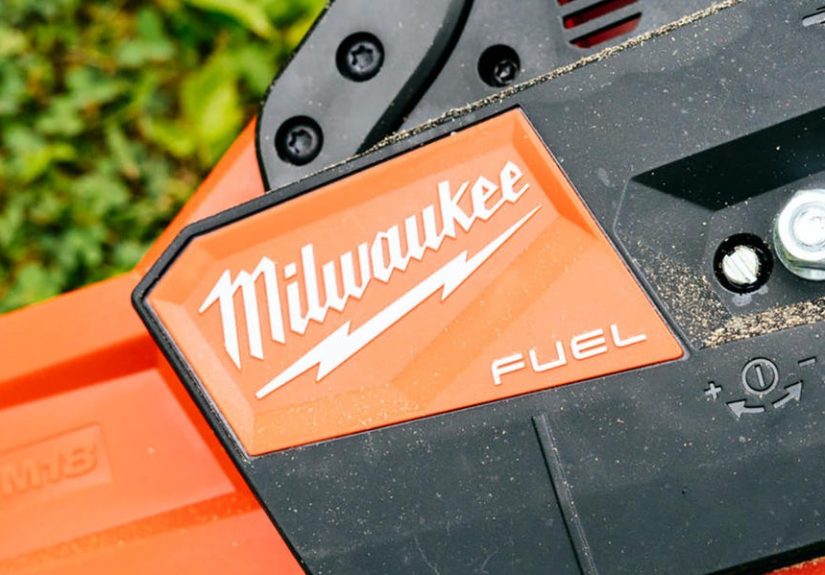
The recall involves certain Milwaukee Tool M18 FUEL top-handle chainsaws with either a 12-inch or 14-inch bar. According to the recall details, the issue is that the chain brake may not activate or may fail to prevent the chain from moving when the brake is engaged. In plain English, the saw may not stop the chain when it is supposed to. That creates an obvious laceration hazard, which is a very official way of saying, “This thing can cut you when it absolutely should not.”
The recalled products were sold from March 2023 through September 2024 at Home Depot, other home improvement retailers, and online. The affected units were identified by a serial-number detail: the fourth character of the serial number is the letter “A.” Milwaukee said users should stop using the recalled saw immediately and contact the company for a free repair. The recall covered about 90,860 units in the United States, and reports included two incidents involving the chain brake not activating, including one injury with a lacerated finger.
That is the sort of detail that makes a recall feel a lot less abstract. A chain brake is not decorative. It is one of the most important safety features on a chainsaw. If it does not work, the operator loses a major layer of protection right when that protection may matter most.
Why this recall matters even if you do not own a Milwaukee saw
It would be easy to shrug and say, “Well, I do not own that model, so this is not my circus.” Nice try. The real lesson here is bigger than one brand. The recall spotlights a truth that applies to nearly every chainsaw on the market: a safety feature only helps if it works and if the operator uses it correctly.
That is especially important because chainsaw injuries are not rare flukes. These tools are powerful, fast, and unforgiving. A chain brake is designed to help reduce injury risk during kickback and to make the saw safer when it is not actively cutting. If users treat the brake like an optional extra instead of a default habit, they leave themselves exposed to accidents that are often preventable.
In other words, the Milwaukee recall is not just a product story. It is a reminder that chainsaw safety is a system. The machine matters. The maintenance matters. Your habits matter. And when one piece of that system fails, the other pieces suddenly become a lot more important.
Safety Tip #1: Engage the chain brake whenever you move with the saw
This is the first essential lesson the recall brings into sharp focus: if you are moving with the chainsaw, the chain brake should be on.
Not after you walk across the yard. Not after you step over a log. Not after you “just scoot over there real quick.” Right then. Before you move.
One of the smartest practical rules is to engage the chain brake any time you are taking more than a couple of steps with the saw in your hands. That habit matters because a lot can go wrong while walking between cuts. You can trip on a root, slip on wet leaves, catch the bar on brush, lose your footing on a slope, or accidentally bump the throttle. None of those possibilities gets better if the chain is free to spin.
Think of the chain brake as the parking brake for your chainsaw. If the saw is in transit, the brake belongs on. This is particularly important with cordless models, which can be deceptively quiet. A gas saw reminds everyone in a 30-yard radius that it is running. A battery saw can sit there in eerie silence, like a dangerous little introvert, ready to wake up the moment the trigger is bumped.
Using the brake while moving also supports better control. When people walk with a live chain and a casual grip, they are creating opportunities for accidental contact with clothing, brush, or their own body. That is a terrible multitasking strategy. The safer routine is simple: engage the brake, keep both hands positioned properly, point the bar away from your body, and watch your footing before you take a step.
How to make this habit automatic
The best chainsaw safety habits are the ones you stop debating. You do them every time, the same way you buckle a seatbelt or check that you actually turned the stove off instead of merely staring at it dramatically. Before moving, pause for one beat and run a mental checklist: finger off trigger, chain brake engaged, path clear, stable footing, then walk.
It sounds small, but small routines are what separate controlled tool use from “well, that got exciting fast.”
Safety Tip #2: Engage the chain brake every single time you set the saw down
The second essential tip is equally simple and equally important: whenever the saw is at rest, the chain brake should be engaged.
On the ground? Brake on. On a stump? Brake on. On the tailgate? Brake on. Pausing to move a branch, answer a question, adjust your gloves, or pretend you are only resting for 20 seconds? Brake on.
This matters because “not cutting” is not the same thing as “safe.” A chainsaw does not become harmless just because you are not actively slicing through wood. If the brake is off and the tool is still powered, accidental activation remains possible. A trigger can get bumped. The saw can shift. Someone else can pick it up the wrong way. A curious helper can get too close. And with battery-powered saws, silence can create a false sense of security. No noise does not mean no risk.
Setting the saw down with the brake engaged turns a live tool into a more controlled tool. It reduces the chance of unintended chain movement and forces you into a disciplined operating rhythm: cut, stop, brake, reset. That rhythm is exactly what safe chainsaw use should feel like. Deliberate. Repetitive. Slightly less cinematic than people expect.
Why this rule is so easy to ignore
Because people get comfortable. They are in the middle of storm cleanup. They are cutting up a downed limb. They are hot, tired, mildly annoyed, and already mentally on their second sports drink. That is when safety habits start to slide. The saw gets set down “for a second.” The brake stays off “because I am about to use it again.” And that is how preventable mistakes sneak in wearing the disguise of efficiency.
But chainsaws punish shortcuts with remarkable consistency. If you are not cutting, the brake should be on. No exceptions based on confidence, impatience, or vibes.
The supporting habits that make those two tips work
The two headline lessons are about the chain brake, but they work best when they are supported by the rest of a solid safety routine. A brake is important, yes. It is not magical. Safe chainsaw use still depends on preparation, protective gear, and realistic judgment.
Wear real PPE, not optimism
Personal protective equipment is not overkill. It is what stands between a minor scare and a life-changing injury. A proper setup includes a hard hat, eye protection, hearing protection, gloves, sturdy boots, and cut-resistant leg protection such as chainsaw chaps. That is not a costume. That is the uniform for using a tool designed to chew through wood at alarming speed.
If you have ever thought, “I am only making a few cuts,” congratulations: that is exactly the kind of sentence that leads to bad decisions. Accidents do not politely wait until you are working a full shift. They show up whenever you give them an opening.
Inspect the saw before every job
Before starting a chainsaw, check the controls, chain tension, bolts, handles, oil supply, and overall condition of the saw. Make sure the chain is sharp and properly tensioned. Make sure the safety features are functioning. If something seems off, do not bargain with it. A saw with damaged parts or disengaged safety devices is not “probably fine.” It is a problem looking for a dramatic entrance.
The recall itself is proof that safety features deserve real attention. Do not assume a tool is safe just because it looks clean, runs smoothly, or has not given you trouble before. Safety checks are not paranoia. They are maintenance with better consequences.
Respect kickback like it has been waiting for this moment
Kickback is one of the most dangerous events in chainsaw operation. It can happen when the upper tip of the guide bar contacts an object or when the chain gets pinched in a way that throws the saw back toward the operator. The movement is sudden, violent, and absolutely not the sort of surprise anybody enjoys.
That is why proper grip and body position matter so much. Keep both hands on the saw. Wrap your thumbs around the handles. Avoid cutting with the upper tip of the bar whenever possible. Do not cut overhead. Do not work from unstable footing. And do not let fatigue talk you into pretending your reflexes are still sharp after an hour of wrestling storm debris in the yard.
Do not work alone if the job is serious
Another underrated rule is to avoid working alone, especially in remote or messy conditions. If you are clearing storm damage, cutting deep in a wooded area, or dealing with large limbs under tension, make sure someone knows where you are or is nearby. A first-aid kit should also be close at hand. That is not drama. That is planning.
Chainsaw injuries can involve severe bleeding, and response time matters. The smartest chainsaw users do not assume everything will go fine. They prepare for the possibility that it will not.
If you own the recalled Milwaukee saw, here is what to do next
If you have a Milwaukee M18 FUEL top-handle chainsaw, do not guess. Check the model and serial number carefully. If your saw matches the recalled product and the fourth character in the serial number is “A,” stop using it immediately and contact Milwaukee for the repair process.
Do not keep using the saw because it “seems okay.” Do not run a quick test cut. Do not decide that the brake “probably works most of the time.” Safety recalls are not suggestions from an overly cautious aunt. They are formal notices tied to a known risk.
And while you are at it, use this moment to review your broader chainsaw habits. Even owners of non-recalled saws should ask a few blunt questions: Do I always engage the chain brake when moving? Do I always engage it when setting the saw down? Do I wear proper PPE every time? Do I inspect the saw before I cut? If the answer to any of those is “usually,” your routine still has room for improvement.
Common chainsaw mistakes this recall brings into focus
The Milwaukee recall shines a bright light on several habits people often treat too casually. Carrying a saw with the brake off. Setting it down live and ready. Skipping chaps because the task is “quick.” Using one hand when the cut feels awkward. Starting work while tired. Cutting in cluttered areas with poor footing. Ignoring the possibility of kickback because the saw has behaved itself so far.
Those are not tiny mistakes. They are the kind of decisions that stack risk on top of risk until one bad second becomes the whole story of the day.
The broader lesson is refreshingly clear: a safe chainsaw operator is not just someone with a good brand of saw. It is someone with disciplined habits. The recall may have started with one Milwaukee model, but the safety message applies to every saw owner who has ever thought, “I know what I am doing,” five seconds before doing something unnecessary.
Bottom line
The Milwaukee chainsaw recall is a reminder that chainsaw safety depends on more than horsepower, battery life, or brand loyalty. It depends on protective systems working as designed and on operators following safe habits every single time.
If you remember only two things, make them these: engage the chain brake whenever you move with the saw, and engage it every time you set the saw down. Those two rules are simple, practical, and easy to apply whether you are cutting firewood, clearing storm debris, or doing seasonal yard work. They are not flashy, but neither is keeping all your fingers, which somehow remains underrated.
In the end, the recall is not just a warning about one tool. It is a useful reminder that safe chainsaw use is built on routine, attention, and a healthy respect for what the machine can do in a fraction of a second.
Real-World Experiences and Lessons Related to the Milwaukee Chainsaw Recall
What makes this story hit home is how ordinary the setting can be. Most chainsaw injuries do not happen in a dramatic movie scene with lightning crashing behind someone on a mountain. They happen in everyday places: a backyard after a storm, a driveway piled with limbs, a property line full of overgrown brush, or a woodpile waiting to become winter fuel. The operator is often not reckless in the cartoon-villain sense. More often, the person is simply in a hurry, tired, overconfident, or trying to finish “just one more cut” before lunch.
Picture a homeowner clearing a fallen limb after a windy night. The saw cuts well, the first few sections go smoothly, and confidence rises fast. Then the operator takes three steps to reposition, brake off, chain still ready, eyes focused on the branch instead of the ground. One hidden root, one slip, one awkward stumble, and suddenly the situation has changed from routine cleanup to emergency response. That is why the first safety tip matters so much. Walking with the brake engaged is not fussy behavior. It is insurance against the unpredictable little messes that come with real outdoor work.
Another familiar scenario is setting the saw down between cuts while moving branches out of the way. It feels harmless because the job is still in progress, and the pause is short. But that short pause is exactly when people relax their guard. The tool lands on a stump or patch of grass, the operator reaches for brush, another person steps closer, or the trigger gets bumped during repositioning. A saw at rest with the brake off is like a car left in drive while you insist everything is under control. The confidence may be sincere. The logic is still terrible.
There is also the cordless factor. Battery chainsaws are wonderfully convenient, but convenience can make people less cautious. Without the rumble of a gas engine, a powered tool can feel oddly passive. It is easy to forget that “quiet” is not the same as “safe.” That is why experienced users often develop almost ritual-like habits with battery-powered tools: brake on when moving, brake on when setting down, finger off trigger, eyes on footing. Boring? Yes. Effective? Also yes, which is the more important category.
Storm cleanup creates some of the most educational and dangerous experiences. Branches are twisted, bent, and under tension. The ground is slick. Debris hides trip hazards. People are stressed, eager to reopen a driveway or tidy a yard, and tempted to work above their skill level. In those moments, the chainsaw does not care whether you are inconvenienced. Physics remains rude and consistent. The best operators are the ones who slow down, inspect the saw, wear the gear, and refuse to let frustration run the job.
That is why recalls like this one matter beyond the specific product. They force a useful pause. They remind people that safety features deserve attention and that good habits should never depend on mood. If the Milwaukee recall makes more chainsaw owners start using the brake like a true parking brake, setting the saw down safely, wearing proper PPE, and checking their tool before each job, then the lesson will be bigger than one defective batch. It will be a practical reset toward safer, smarter work.