Table of Contents >> Show >> Hide
- What Is Anticipatory Grief, Exactly?
- Why You Can Feel So Sad Before Anything Has “Officially” Happened
- Common Signs of Anticipatory Grief
- What Anticipatory Grief Is Not
- Who Is Most Likely to Experience It?
- How to Cope With Anticipatory Grief Without Pretending You’re Fine
- How to Support Someone Who Is Grieving Before a Loss
- When It May Be Time to Seek Professional Help
- The Big Truth About Anticipatory Grief
- Real-Life Experiences: What Anticipatory Grief Can Feel Like
Sometimes grief shows up early. It does not knock politely, wait for the official bad news, and then enter with a casserole. It sneaks in while your loved one is still here, while the diagnosis is still fresh, while the routines are already changing, or while the future you expected starts quietly packing its bags. If that sounds familiar, you may be dealing with anticipatory grief.
Anticipatory grief is the sorrow, anxiety, stress, and emotional upheaval that can happen before a major loss. It often appears when someone you love is seriously ill, living with dementia, entering hospice, or declining in ways that make the future feel heartbreakingly obvious. It can also happen when you are facing a life-changing diagnosis, the loss of independence, or another major change that feels like a goodbye in slow motion.
And no, this does not mean you are dramatic, pessimistic, or somehow “grieving wrong.” It means your heart and mind have noticed that life is changing. They have started doing what humans do when something precious feels threatened: trying to prepare, trying to protect, and sometimes spiraling a little in the process.
What Is Anticipatory Grief, Exactly?
Anticipatory grief is grief that happens ahead of an expected loss. Unlike grief that begins after someone dies or after a major loss becomes final, this kind of grief develops while the loss is still unfolding or seems likely to happen.
In real life, that can look like this:
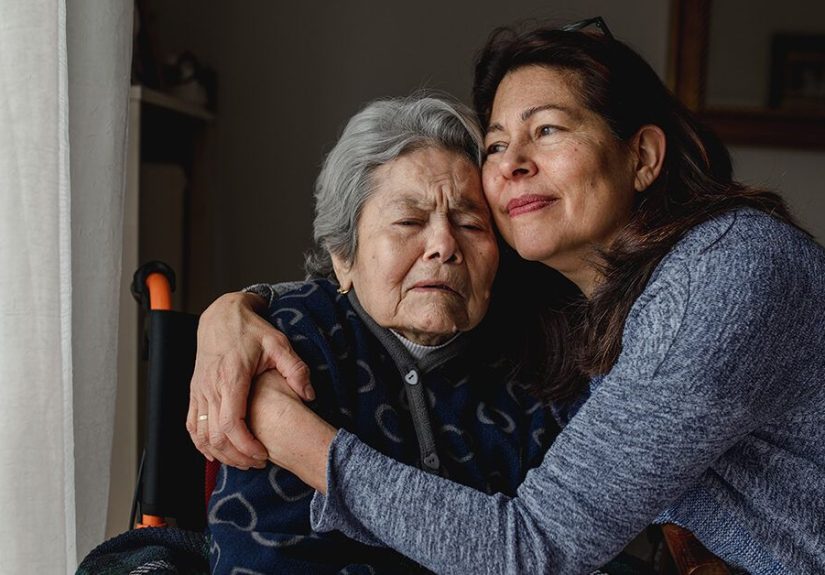
- A daughter starts mourning her mother’s personality changes during dementia, even though her mother is still alive.
- A spouse feels sadness, fear, and anger after a terminal diagnosis, long before the funeral is even a thought.
- A caregiver grieves not only the possible death ahead, but the loss of normal routines, shared plans, and the relationship as it used to be.
- A person with a serious illness grieves the life they expected to live, the body they trusted, or the future milestones that now feel uncertain.
That is what makes pre-loss grief so confusing. The person, relationship, or role may still be here, but it is already changing. You are grieving both the present reality and the future you fear is coming.
Why You Can Feel So Sad Before Anything Has “Officially” Happened
One of the strangest parts of anticipatory grief is that it can make you feel guilty. You may wonder, Why am I crying now? They are still here. But grief is not a bureaucrat. It does not wait for a stamped certificate and a formal announcement.
When a loss is looming, your mind starts scanning ahead. It imagines empty chairs, changed routines, difficult decisions, hospital visits, money worries, caregiving pressure, and the emotional aftershocks of life without the person or version of life you know now. In other words, your brain has opened 37 emotional tabs and refuses to close any of them.
You may also be grieving multiple losses at once:
- The person’s health, memory, energy, or personality
- Your sense of control
- Your old routines and roles
- The future you pictured
- Your own identity as spouse, child, partner, caregiver, or patient
- The hope that things would somehow go back to normal
That layered experience is why anticipatory grief can feel so heavy. It is not just grief for one event. It is grief for a thousand little changes, plus one enormous possibility hanging over everything.
Common Signs of Anticipatory Grief
The symptoms of anticipatory grief can be emotional, mental, physical, and behavioral. Some people feel all of them. Some feel only a few. Some swing between being functional and being emotionally flattened by a random Tuesday afternoon.
Emotional signs
- Sadness that comes in waves
- Anxiety about the future
- Irritability or anger that seems to come out of nowhere
- Guilt for imagining life after the loss
- Loneliness, even when other people are around
- Fear, dread, or a constant sense that the floor is unstable
- Relief mixed with sorrow, especially in long and exhausting caregiving situations
Mental and physical signs
- Trouble sleeping
- Loss of appetite or stress eating
- Difficulty concentrating
- Replay of future scenarios in your head
- Feeling emotionally numb one day and overwhelmed the next
- Fatigue, headaches, tension, or a body that feels permanently braced for impact
Behavioral signs
- Withdrawing from other people
- Avoiding conversations because they feel too real
- Overfunctioning and trying to control every detail
- Obsessively planning ahead
- Neglecting your own needs while focusing only on the crisis
Here is the important part: these reactions do not mean you are failing. They mean you are under emotional strain. Anticipatory grief can be painful, but it is also a very human response to uncertainty and change.
What Anticipatory Grief Is Not
Let us clear up a few things, because grief is already hard enough without myths making it harder.
It is not a sign that you have given up
You can still hope, still love, still advocate, still laugh at a dumb joke in a hospital room, and still feel anticipatory grief. The two can coexist. Love and fear are often roommates during serious illness.
It is not “borrowing trouble”
If the loss ahead is real and life is already changing, your emotions are responding to something real. You are not inventing pain. You are noticing it.
It is not always neat or stage-based
You may feel acceptance in the morning, rage by lunch, guilt at 3 p.m., and a weird desire to alphabetize medical paperwork by dinner. Grief does not move in a straight line, and anticipatory grief definitely did not get the memo about staying organized.
It does not replace grief after the loss
Even if you have been grieving for months, the actual loss may still hit hard. Feeling pre-loss grief does not mean you will be “done” later. It simply means some of the grieving work began early.
Who Is Most Likely to Experience It?
Anticipatory grief often affects:
- Family caregivers
- Spouses and partners
- Parents of seriously ill children
- Adult children caring for aging parents
- People living with terminal or progressive illness
- Loved ones of people with dementia, cancer, ALS, advanced heart failure, or other life-limiting conditions
- People facing non-death losses such as loss of mobility, identity, fertility, career, home, or a major relationship
Dementia can be especially complicated because the grief often starts long before death. Families may mourn changes in memory, personality, communication, and shared history while still showing up every day to care, advocate, and love. That kind of grief can feel invisible, because other people may not understand that the loss has already started in pieces.
How to Cope With Anticipatory Grief Without Pretending You’re Fine
You do not need a flawless coping routine, a color-coded journal, and a sunrise yoga practice to handle anticipatory grief. You need realistic support, emotional honesty, and a few anchors that can hold when life feels slippery.
1. Name what is happening
Sometimes the biggest relief comes from having the right words. Saying, This is anticipatory grief, can reduce shame. It reminds you that what you are feeling has a name, a pattern, and a reason.
2. Talk about the loss before the loss
If it is safe and appropriate, talk with trusted people about what is changing. That may include a partner, sibling, friend, pastor, support group, therapist, doctor, hospice worker, or counselor. Speaking the fear out loud can make it feel less like a monster living in the walls.
3. Let both grief and joy exist
You are allowed to cry in the parking lot and still laugh at a family story an hour later. You are allowed to feel heartbreak and gratitude in the same day. Grief does not cancel love, and love does not cancel grief.
4. Break practical tasks into tiny steps
Serious illness and caregiving can create emotional chaos and paperwork chaos, which is a rude and unnecessary combo. If you need to make decisions about care, finances, legal plans, or end-of-life wishes, do it in manageable pieces. One list. One call. One document. One breath.
5. Protect the basics
Sleep, food, hydration, movement, and routine sound boring until you lose them. Then suddenly they are the entire plot. Eat something simple. Go outside. Shower. Rest. Ask for help with errands. A nervous system under chronic stress needs ordinary care, not a motivational speech.
6. Take breaks from being “the strong one”
Caregivers often become project managers of catastrophe. If that is you, schedule respite when you can. Even short breaks matter. You are a person, not a 24/7 emotional customer service line.
7. Create moments of meaning now
Write down stories. Ask questions. Record a voice memo. Share a favorite meal. Sit quietly together. Say the thing you have been meaning to say. Anticipatory grief hurts, but it can also remind you that time is precious and connection still matters.
How to Support Someone Who Is Grieving Before a Loss
If someone you love is dealing with anticipatory grief, resist the urge to become a part-time philosopher. This is not the moment for “everything happens for a reason” unless you want to be mentally unfollowed forever.
What actually helps:
- Say, “I’m here. You do not have to do this alone.”
- Offer specific help like meals, rides, childcare, or errands
- Listen without correcting or fixing
- Use the loved one’s name instead of speaking in vague code
- Check in more than once
- Understand that the person may feel grief, anger, numbness, and exhaustion all at once
- Respect their pace, faith, culture, and family dynamics
People in anticipatory grief often feel isolated because others focus only on the medical facts. But emotional support matters just as much. Sometimes the kindest thing you can say is, This is really hard, and what you are feeling makes sense.
When It May Be Time to Seek Professional Help
Anticipatory grief is normal, but sometimes the stress becomes too much to carry alone. Extra support can help if your grief is interfering with daily life, relationships, sleep, appetite, school, work, or caregiving responsibilities.
Consider reaching out to a licensed mental health professional, physician, counselor, hospice bereavement program, or support group if:
- You feel persistently overwhelmed or unable to function
- You are withdrawing from everyone
- You are relying on alcohol or drugs to cope
- You feel hopeless, trapped, or deeply numb for long periods
- Your anxiety or depression feels intense and ongoing
- You cannot manage basic daily responsibilities
If you are in the United States and feel in immediate emotional crisis, call or text 988 for urgent support. If you are a teen or young adult, reaching out to a trusted adult, school counselor, doctor, or caregiver is also a strong first step, not a weak one.
The Big Truth About Anticipatory Grief
Grieving before a loss does not mean you are doing life wrong. It means you are attached. It means something matters. It means your mind and body are trying to process change before the full reality arrives.
Anticipatory grief can feel messy, contradictory, and deeply unfair. You may want more time, more certainty, more answers, and a refund on the emotional chaos. That is understandable. But there can also be a quiet purpose inside this pain: it can help you speak honestly, plan thoughtfully, love deliberately, and show up more fully for the time that remains.
You do not need to rush yourself into acceptance. You do not need to perform bravery. You do not need to be grateful every minute. You just need room to be human in a season that asks a lot of your heart.
Real-Life Experiences: What Anticipatory Grief Can Feel Like
The following examples are composite experiences based on common real-life patterns people describe when facing grieving before a loss. They show how anticipatory grief can look different from person to person.
Maria, 44, caring for her father with dementia: Maria said the hardest part was explaining to people that her dad was still alive, but the dad she grew up with already felt partly gone. He still smiled. He still liked old music. But he no longer remembered certain family stories, mixed up names, and sometimes looked at her with polite confusion instead of recognition. She felt guilty for grieving someone who could still hold her hand. What she was actually grieving was the slow disappearance of shared memory, easy conversation, and the version of her father who had always anchored the family.
Devon, 36, whose wife had advanced cancer: Devon described living in “two time zones” at once. In one time zone, he was managing medications, appointments, insurance calls, and trying to make his wife laugh. In the other, he was imagining life after her death and immediately hating himself for thinking about it. He kept jumping between practical mode and heartbreak mode. He worried about the future, then felt ashamed for not staying fully present. What helped most was hearing that anticipatory grief does not mean disloyalty. It means the mind is trying to prepare for a loss that already affects daily life.
Kayla, 19, after her mother entered hospice: Kayla felt pressure to be “the calm one” for younger siblings, relatives, and even visiting friends. She held everything together until night, when she could not sleep because her brain kept running scenes from the future. She imagined birthdays, holidays, and graduations with an empty seat. During the day, she posted normal photos, answered texts with “I’m okay,” and showed up to class. Inside, she felt like she was carrying a secret storm. When she finally told a counselor, “I think I’m grieving and nothing has happened yet,” the relief was immediate. She had words for the thing that had been chasing her for months.
Anthony, 58, after his own diagnosis changed his future plans: Not all anticipatory grief is about losing someone else. Anthony began grieving the retirement he expected, the travel plans he and his partner had made, and the confidence he used to have in his body. He said the hardest part was that friends kept trying to cheer him up with positivity when what he needed was honesty. He needed permission to say, “I am scared, and I am mourning the life I thought I would have.” Once he stopped forcing optimism every minute, he found more energy for treatment, more openness with family, and more appreciation for small, ordinary moments.
These experiences point to the same truth: pre-loss grief is not imaginary. It is often the emotional response to ongoing change, uncertainty, caregiving pressure, and love under strain. Some people cry often. Others become numb, extra productive, irritable, or hyper-organized. Some want to talk. Others need quiet and one trustworthy person. There is no gold medal for handling anticipatory grief perfectly. The real goal is gentler: to notice what you are carrying, ask for support sooner, and make space for the fact that grief can begin before goodbye.