Table of Contents >> Show >> Hide
October is the month when the garden starts acting like it has two personalities. One half looks tired, crispy, and vaguely offended by summer. The other half is just getting warmed up. While many gardeners assume the planting season is basically over once pumpkin-spice everything appears, October is actually prime time for a surprising number of vegetables and flowers.
If you play your cards right, this is when you can tuck cool-season crops into the soil, sneak in colorful flowers that love chilly weather, and plant spring-blooming bulbs that will make Future You look wildly organized. The secret is choosing plants that either enjoy cool temperatures now or need a winter rest before they explode into bloom later.
Below are 12 of the best vegetables and flowers to plant this October before the window starts closing. Some are fast growers, some are tough enough to handle frost, and some are basically nature’s version of delayed gratification. All of them can help your garden stay productive and beautiful when everyone else assumes it’s time to put the trowel away.
Before You Plant: One Important October Reality Check
October planting is all about timing, but not in a dramatic movie-countdown way. What matters most is your local climate, first frost date, and soil temperature. In the North, October may be the last call for bulbs and cold-hardy greens. In milder parts of the South and West, it can be a sweet spot for leafy vegetables and winter annual flowers. So think of this list as a smart menu, not a one-size-fits-all command.
A good rule is to focus on plants that either:
- germinate and grow well in cool soil,
- become sweeter after light frost, or
- need fall planting so they can root now and perform later.
6 Vegetables to Plant in October
1. Garlic
If October had an official vegetable mascot, garlic would be wearing the sash. Fall is the ideal time to plant garlic in much of the United States because cloves can establish roots before winter and produce bigger, better bulbs the following summer.
Plant individual cloves pointy side up in loose, well-drained soil enriched with compost. Give them enough depth to protect them from cold snaps, then top the bed with mulch after planting. By spring, they will already have a head start.
Why it’s worth planting now: fall-planted garlic usually outperforms spring-planted garlic in size and vigor. It is one of those rare garden tasks that feels both easy and smugly efficient.
2. Spinach
Spinach is the overachiever of the cool-season garden. It germinates in cool weather, grows fast, and often tastes better in fall than it does in spring. In many regions, October spinach can provide leaves before winter and then return with fresh growth when temperatures warm again.
Sow seeds directly into moist soil and keep the seedbed evenly watered until germination. A row cover or cold frame can stretch the harvest even farther, especially in colder climates.
Why gardeners love it: spinach is productive, compact, and versatile. It also makes you feel suspiciously healthy every time you harvest it.
3. Lettuce
Lettuce is one of the easiest vegetables to plant in October, especially leaf lettuce, baby greens, and cut-and-come-again mixes. Cooler temperatures help lettuce develop tender leaves with less bitterness, which is great news for salad fans and people pretending salad is exciting.
Choose loose-leaf varieties for speed and flexibility. Sow seeds in short rows or wide bands, then harvest outer leaves as they grow. In mild regions, you may enjoy harvests through late fall and even winter with minimal protection.
Best use: succession planting. Instead of sowing everything at once, plant a little every week or two for a steady stream of greens.
4. Kale
Kale is that friend who shows up in bad weather wearing a light jacket and somehow looks fine. It handles cold beautifully, and a light frost can even improve the flavor by making the leaves taste sweeter.
October is a solid time to set out transplants in mild climates or grow baby kale where winter comes early. Curly kale, lacinato kale, and red Russian kale are all popular choices, depending on whether you want texture, tenderness, or a little drama in the garden bed.
Why it earns a spot: it is hardy, attractive, and useful in soups, sautés, salads, and smoothies. It also makes your garden look like it has good life insurance and a retirement plan.
5. Radishes
Radishes are the instant gratification crop of October. Many varieties mature in just a few weeks, which means you can still squeeze in a harvest when the gardening season feels like it is winding down.
Direct sow seeds in loose soil and thin them early so roots have room to size up. Fall radishes are often crisper and less spicy than spring ones because they grow more slowly in cool weather. You can also try larger storage radishes, such as daikon, in regions with a longer fall season.
Why they’re a smart pick: fast growth, tiny space requirements, and enough personality to keep things interesting.
6. Carrots
Carrots are another excellent October choice in many climates, particularly where the ground remains workable and hard freezes do not arrive immediately. Cool conditions help develop good color and sweet flavor, and a little frost can make them even better.
Sow seeds directly into finely prepared soil with as few clods and stones as possible. Carrot seed is small and a bit fussy, so steady moisture matters during germination. Patience matters too, which is annoying but true.
Best reason to plant them now: fall carrots often taste sweeter and cleaner than summer carrots, and they pair beautifully with soups, roasts, and every “cozy” recipe on the internet.
6 Flowers to Plant in October
7. Pansies
Pansies are classic October flowers for a reason. They thrive in cool weather, shrug off chilly nights, and keep blooming when many summer flowers have already retired with dignity. In warmer regions, they can provide color all winter long.
Look for stocky, healthy transplants rather than leggy plants that seem like they already need a nap. Plant them in rich, well-drained soil where they will get sun to partial sun. Deadheading helps keep the blooms coming.
Why they’re October stars: they are cheerful, reliable, and available in colors ranging from soft pastels to shades that look suspiciously like velvet cupcakes.
8. Snapdragons
Snapdragons bring height, texture, and cottage-garden charm to beds and containers. In areas with mild winters, October planting allows them to establish in cool weather and bloom strongly in late winter or early spring. In colder regions, fall-planted transplants may need protection, but they are still worth the effort if your climate allows.
Choose a sunny spot and avoid crowding the plants. Their upright flower spikes make them especially useful in mixed plantings where lower growers such as pansies need a vertical sidekick.
Why gardeners keep coming back to them: they look elegant without being fussy, and the blooms have just enough old-fashioned charm to make a bed look intentional.
9. Calendula
Calendula is one of those flowers that quietly does everything well. It is easy to grow, happy in cool weather, and useful in borders, pollinator beds, and kitchen gardens. The blooms bring warm gold and orange tones that somehow make the whole garden feel less offended by shorter days.
In mild climates, October is a good time to sow seeds or set out transplants. Calendula prefers well-drained soil and regular deadheading if you want repeat blooms.
Bonus points: it is pretty, beginner-friendly, and often treated as both ornamental and edible. That is a strong résumé for one flower.
10. Sweet Peas
Sweet peas are a regional favorite for fall sowing, especially in areas with mild winters. If your winters are not brutally cold, October is often the perfect time to plant them so they can establish roots and put on a fantastic spring display.
Give sweet peas full sun, well-drained soil, and something to climb. Soaking seeds before planting can help speed germination. In colder areas, this is more of a late winter or spring crop, so local timing really matters here.
Why they make the list: the fragrance is wonderful, the flowers are romantic, and they can turn a simple trellis into the kind of thing that makes neighbors ask questions.
11. Daffodil Bulbs
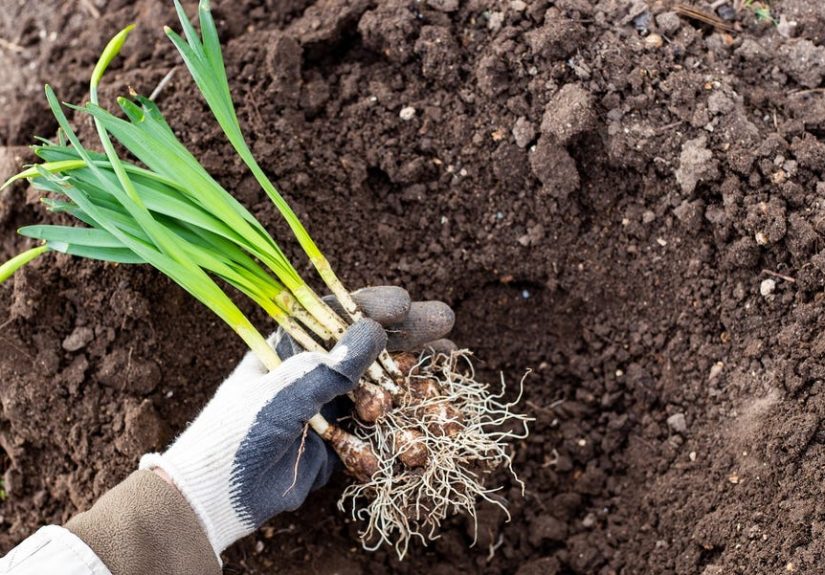
October is prime bulb-planting season, and daffodils are among the easiest spring bloomers to get right. Plant them in fall so they can grow roots before the ground freezes. Then forget about them for a while, which is honestly one of their best features.
Daffodils prefer well-drained soil and a sunny to partly sunny location. Plant bulbs at a depth of about two to three times the bulb’s height, with the pointed end facing up. Grouping them in clusters creates a more natural, high-impact look than placing them in lonely little rows.
Why they’re worth the effort: they are dependable, long-lived, and resistant to deer in many areas. Also, nothing says “I survived winter” quite like a clump of daffodils.
12. Tulip Bulbs
Tulips are the glamorous cousins of the bulb world. They may not always be the most permanent, but they absolutely know how to make an entrance. In many regions, October is a great time to plant tulips, and in some colder climates you can even plant them a bit later as long as the ground is still workable.
Choose a site with excellent drainage, because tulips dislike sitting in soggy soil. Plant them deeply, protect them from hungry critters if necessary, and think ahead about color combinations so your spring bed does not look like it got dressed in the dark.
Why gardeners still adore them: tulips offer unmatched spring color, a wide range of flower shapes, and enough variety to satisfy both minimalists and people who believe “more color” is always the correct answer.
How to Choose the Right October Plants for Your Garden
If you are not sure which of these 12 plants belong in your yard, start with your weather and your goals. Want food fast? Go for radishes and lettuce. Want a long-term payoff? Plant garlic and spring bulbs. Want your front bed to stop looking emotionally exhausted? Pansies and snapdragons can help immediately.
Here are a few simple ways to narrow the list:
- For quick harvests: radishes, lettuce, spinach
- For cold tolerance: kale, spinach, garlic, pansies
- For spring payoff: garlic, daffodils, tulips, sweet peas
- For containers: lettuce, pansies, calendula, snapdragons
- For beginner gardeners: garlic, radishes, pansies, daffodils
Common October Planting Mistakes to Avoid
Waiting too long
October is generous, but it is not endless. Delaying planting until the ground is cold, soggy, or frozen makes establishment harder for both vegetables and flowers.
Ignoring drainage
Fall-planted bulbs and cool-season crops dislike sitting in water. If your soil stays wet, amend it or use raised beds and containers.
Planting summer crops out of denial
This is not the moment to force one last tomato fantasy. October rewards cool-season thinking.
Skipping mulch
A light mulch can help regulate soil temperature, reduce moisture swings, and protect garlic and other fall plantings from rough weather.
Experience and Lessons From Planting in October
One of the biggest lessons gardeners learn about October planting is that this month rewards calm decisions, not panic shopping. It is tempting to grab every clearance plant at the garden center and hope for the best, but October works better when you think like a strategist. The best results usually come from choosing a few plants that genuinely match your climate and giving them a strong start. A neat bed of garlic, a short row of spinach, and a cluster of pansies often outperform a chaotic cart full of random bargains.
Another common experience is realizing just how different the garden feels in fall. Summer planting often feels like a sweaty race against weeds, bugs, and blazing sun. October planting is quieter. The air is cooler, the soil is often easier to work, and the pace feels less frantic. Many gardeners end up enjoying fall planting more because it feels thoughtful rather than reactive. You are not trying to rescue a season. You are setting up the next one.
Garlic is usually the crop that turns casual gardeners into believers. The first time you plant a few cloves in October, mulch them, and then more or less forget about them until spring, it feels almost too easy. Then summer arrives, and suddenly you are pulling up real bulbs that taste better than many store-bought ones. That kind of success builds confidence fast. It also has a sneaky side effect: once you see one fall-planted crop succeed, you start looking at every empty bed as an opportunity.
Flowers tell a similar story. Pansies and snapdragons are especially satisfying because they prove that the garden does not have to fade just because summer is over. There is something surprisingly uplifting about walking outside on a chilly morning and seeing fresh color instead of tired annuals hanging on by a thread. Even a small container by the front door can change the mood of the whole space.
Bulbs teach patience in the best possible way. Planting daffodils and tulips in October can feel a little anticlimactic at first because the payoff is months away. You tuck bulbs underground, water them in, and then stare at a patch of dirt that looks deeply unimpressed. But when spring arrives and those shoots push through, the delayed reward feels fantastic. It is less like gardening and more like leaving a gift for your future self.
The most practical takeaway from October planting is that success usually comes down to preparation. Healthy soil, sensible plant choices, consistent watering during establishment, and realistic expectations matter more than fancy tools or complicated methods. Start small, choose what fits your region, and let the season work with you instead of against you. October is not the end of gardening. In many ways, it is where some of the smartest gardening begins.
Conclusion
If your garden is looking a little worn out, October is not the signal to quit. It is your chance to pivot. With the right vegetables and flowers, you can harvest fresh food, keep color in your landscape, and set the stage for a stronger spring garden. Garlic, spinach, lettuce, kale, radishes, and carrots can keep the edible garden productive, while pansies, snapdragons, calendula, sweet peas, daffodils, and tulips keep things lively above ground.
So yes, the season is changing. But no, your shovel is not retired yet.