Table of Contents >> Show >> Hide
- Tip #1: Give the snake spaceand make “back away slowly” your superpower
- Tip #2: Make your camp boring to snakes (they’re here for snacks… just not yours)
- Tip #3: Have a “just in case” planso panic doesn’t run the show
- Bonus: How to reduce snake encounters tonight (without turning into a wildlife bouncer)
- Experience Corner: Common “Snake Near Camp” Moments (and what people learn)
Picture it: you’ve finally nailed the camp setup. The tent is level (a miracle), the cooler is still cold (another miracle),
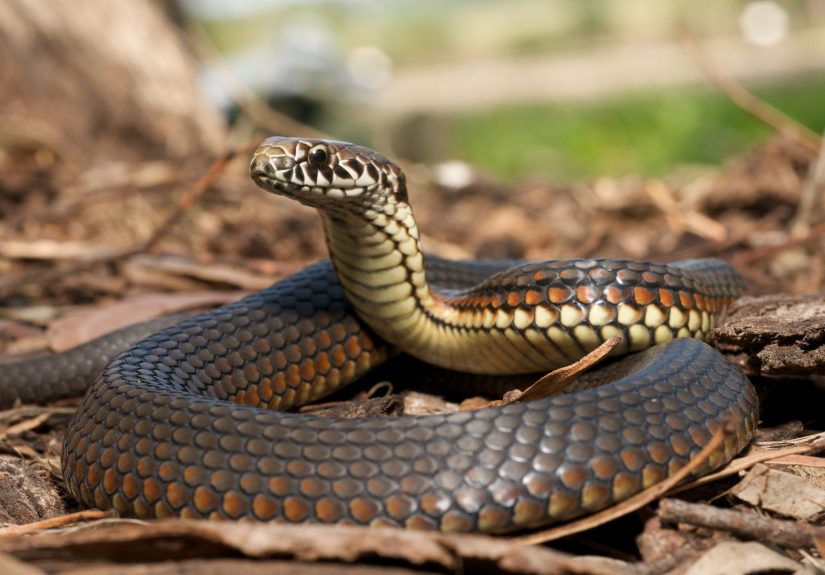
and your marshmallows are perched like tiny clouds, ready for destiny. Thenplot twista snake slides into view near camp.
First: breathe. A snake near your campsite doesn’t automatically mean danger. In most cases, it means a wild animal is doing
normal wild-animal things: traveling, hunting, warming up, or looking for a place to hide. Your job is to keep the encounter
boring, brief, and drama-freelike a meeting that could have been an email.
Below are three practical, field-tested safety tips used by park staff, public health guidance, and wildlife educators across
the U.S. They’re written for real campers: families, friend groups, weekend warriors, and anyone whose “emergency plan” used
to be “hope nothing weird happens.”
Tip #1: Give the snake spaceand make “back away slowly” your superpower
Why distance works (and why hero moves don’t)
Snakes aren’t looking to pick a fight with your camp chair. When a snake bites a person, it’s usually because the snake felt
threatenedoften after someone tried to handle, harass, corner, or kill it. That means the single best safety tool you have
is distance. Not a stick. Not a rock. Not your cousin Kyle’s “I saw this on TikTok” confidence.
Think of space as your “nope buffer.” If you can see the snake, it can probably see you (or sense you), and it wants the same
thing you want: to leave the situation unharmed. Give it a wide berthmore than you think you need. If you’re close enough to
debate whether it’s “kinda cute,” you’re too close.
What to do in the moment (the 20-second play)
- Stop moving. Sudden steps can accidentally close distance or startle the snake.
- Locate the snake’s position without leaning in for a better look.
- Back away slowly in the direction you came from. No sprinting. No zig-zagging. No interpretive dance.
-
Bring your group with youespecially kidsand keep everyone behind you. If you have pets, keep them close and
controlled (leash = best friend). - Let the snake have an exit route. A snake that feels trapped is more likely to act defensive.
If the snake is near the campsite (and you need the site to remain a campsite)
Sometimes the snake isn’t just passing through; it’s near your tent, your cooking area, or the path to the bathroom (which,
at 2 a.m., is already terrifying enough). In that case:
- Keep your distance and clear people away. “Nobody move” sounds dramatic, but “Everybody back up” works better.
-
Notify campground staff or a ranger if you’re in a managed campground. They can advise you, relocate you, or
connect you with local wildlife protocols. -
Don’t try to move the snake yourselfeven with a pole, shovel, or “just a gentle nudge.” “Gentle” is not a
language snakes speak. -
If you’re dispersed camping, the safest “snake relocation” is often human relocation. Pack up and move
your camp a short distance if the snake won’t leave or if you can’t avoid the area safely.
Quick reality check: a calm retreat feels almost too simple. That’s the point. The goal is to avoid turning an animal encounter
into a medical problem.
Tip #2: Make your camp boring to snakes (they’re here for snacks… just not yours)
Snakes follow the food chainso manage the “middlemen”
Snakes don’t show up at camp because they smelled your trail mix and thought, “Ah yes, the gourmet aisle.” Most snakes are
hunting small animalsespecially rodents. If your campsite becomes a rodent buffet, it can become a snake hunting ground.
So, the goal is to make your camp unattractive to rodents and reduce the places snakes like to hide.
Translation: keep camp clean, keep food sealed, and don’t accidentally open a five-star hotel for mice.
Camp habits that reduce surprise snake encounters
-
Store food properly. Use hard-sided containers, sealed bins, or bear lockers where available. Don’t leave snacks
in tents (rodents love tents; snakes love rodents). - Clean up crumbs and cooking grease. A little spill can invite insects and rodents, which can invite snakes.
- Handle trash like it’s a magnet. Seal it, secure it, and keep it away from your sleeping area.
- Don’t leave pet food out. If your dog “grazes,” wildlife will happily help. Feed, then seal and store.
- Keep gear tidy. Piles of clothes, tarps, and cool shady corners are basically “hide here” signs for critters.
Site setup: small tweaks, big payoff
You don’t need to turn camping into a laboratory, but a few smart choices reduce risk:
- Choose a clear campsite when possibleavoid tall grass, dense brush, rock piles, and log stacks nearby.
- Use a flashlight/headlamp at night when walking around camp or heading to the restroom.
- Watch hands and feetdon’t reach under rocks, into crevices, or into brush where you can’t see.
- Keep tent doors zipped and avoid leaving bedding directly on the ground outside the tent.
- Check before you step. Especially at dawn/dusk or on warm days when snakes can be more active.
One more underrated trick: teach “look first” as a camp rule. Before someone grabs firewood, moves a cooler,
or reaches into a dark corner for a lost spoon, they look. That habit prevents a lot of “surprise hands meet surprise wildlife.”
Tip #3: Have a “just in case” planso panic doesn’t run the show
Make a tiny snake plan before you need it
The best time to decide what to do is before someone yells, “IS THAT A SNAKE?!” Give your group a 60-second briefing
once you arrive:
- Who controls pets if wildlife shows up?
- Who gathers kids and moves them behind adults?
- Who contacts campground staff (or calls for help if you’re remote)?
- Where’s the car key / phone / first-aid kitand is the phone charged?
Add one more “adulting” step that feels boring until it’s amazing: know the fastest route to medical care and have emergency
numbers accessible. In the U.S., Poison Control can provide fast expert guidance by phone, and emergency services should be
contacted immediately for suspected venomous bites.
If a bite happens: what helps (and what hurts)
This is not the moment for movie logic. The priority is rapid medical evaluationantivenom is the treatment that matters for
serious envenomation, and delays can increase complications. Here’s a practical, evidence-based approach that matches major
U.S. guidance:
Do this
- Move away from the snake to avoid a second bite.
- Call 911 (or your local emergency number) as soon as possible.
- Keep the person calm and still. Panic and unnecessary movement can make the situation harder to manage.
- Remove rings, watches, or tight clothing near the bite before swelling starts.
- Position the bite comfortably and limit movement of the affected limb.
- Gently clean and loosely cover the wound if it doesn’t delay getting help.
-
If safe and it doesn’t delay care, take a photo of the snake from a distance for identification. Never try to
capture it.
Do NOT do this
- Don’t apply a tourniquet.
- Don’t cut the bite or try to “bleed out” venom.
- Don’t suck out venom (with your mouth or a gadget).
- Don’t apply ice or soak the bite.
- Don’t drink alcohol or caffeine as a “calmer” or “painkiller.”
- Don’t take NSAIDs (like ibuprofen/naproxen) unless a clinician tells you tosome guidance warns of bleeding risk.
- Don’t try to drive yourself if you’re the one bittendizziness or fainting is possible.
The good news: serious outcomes are uncommon when people get prompt medical care. The bad news: the internet is full of “snakebite hacks”
that are either useless or actively harmful. Your best “snakebite kit” is fast communication, calm actions, and medical treatment.
Bonus: How to reduce snake encounters tonight (without turning into a wildlife bouncer)
If you’ve already seen a snake near camp and you want to lower the odds of a repeat performance:
- Keep your campsite lights modest but functionaluse a headlamp when walking, especially after dark.
- Keep pets leashed and close; curious dogs are repeat offenders in snake situations.
- Shake out shoes and check around gear before packing up in the morning.
- Give wildlife spacethe theme of the day, and also the theme of most safe camping.
Remember: snakes are part of the ecosystem, and most of them want nothing to do with humans. If you make your camp predictable,
clean, and calm, you’ll usually be rewarded with the most magical camping outcome of all: nothing exciting happens.
Experience Corner: Common “Snake Near Camp” Moments (and what people learn)
Below are real-world-style scenarios that reflect common experiences reported by campers and park staff. If you’ve never had a
snake moment, congratulationsyou’ve been living the dream. If you have, you’ll probably recognize at least one of these.
1) The Midnight Bathroom Run Surprise
Someone steps outside the tent at 1:47 a.m. wearing a headlamp, one sock, and the confidence of a person who thinks the woods
are asleep. The headlamp beam catches a slow-moving shape near the path. The group freezes, then does the most important thing
perfectly: they back away slowly and choose a different route (or wait). Lesson: light plus patience beats bravery plus bare feet.
2) The “It’s Just a Stick”… Until It Isn’t
A camper reaches down to move what looks like a branch near the fire ring. Surprise: the “branch” has opinions. Nobody gets hurt,
because the camper doesn’t grab itjust recoils, steps back, and alerts everyone. The snake slides away once it has space. Lesson:
don’t pick up mystery objects with your hands; use your eyes first, and your hands second.
3) The Dog Who Thinks Everything Is a New Friend
A dog spots movement and goes full detective modenose down, tail up, brain offline. The owner tightens the leash immediately,
backs away, and keeps the dog close until the snake is gone. Later, the owner admits the leash felt “annoying” earlier but
“life-saving” in the moment. Lesson: leashes aren’t anti-fun; they’re anti-emergency.
4) The Food-Crumb Mystery
Campers notice small rustling at nightrodents. In the morning, they realize snacks were left out, trash wasn’t sealed, and crumbs
were basically sprinkled like a trail of invitations. They clean thoroughly, store food in sealed containers, and the rodent activity
drops fast. No rodents means fewer reasons for snakes to hunt around camp. Lesson: snake prevention often starts with “stop feeding
the middle of the food chain.”
5) The “Let’s Get a Better Photo” Debate
Somebody wants a close-up picture. Somebody else (the hero we all need) says, “Let’s not.” They compromise: a zoomed photo from
a safe distance, taken quickly, without blocking the snake’s escape route. Everyone stays calm, nobody pokes anything, and the snake
leaves. Lesson: you can get the memory without becoming part of the snake’s core memory.
The common thread in all these stories isn’t special gear or expert knowledge. It’s simple behavior: give space, keep camp clean,
control pets and kids, and have a plan for “what if.” Most snake encounters end safely when humans decide not to escalate them.