Table of Contents >> Show >> Hide
- Why These No-Bake Peanut Butter Oat Bites Work
- Base Recipe for No-Bake Peanut Butter Oat Bites
- How to Make No-Bake Peanut Butter Oat Bites
- Texture Tips and Troubleshooting
- Best Variations for Peanut Butter Oat Bites
- Ingredient Swaps That Actually Work
- Storage and Make-Ahead Tips
- Nutrition and Allergy Notes
- Frequently Asked Questions
- 500-Word Experience Section: What It’s Actually Like Making These in Real Life
- Conclusion
If your snack life has been feeling a little dramatic (too many ingredients, too many dishes, too much “why is this in the oven for 42 minutes?”), this No-Bake Peanut Butter Oat Bites Recipe is your delicious reset button. These chewy little bites are easy, fast, and made with pantry staples you probably already have. No mixer. No oven. No stress. Just a bowl, a spoon, and the self-control to not eat half the batch while rolling them.
This recipe guide is built to be practical and flexible: you’ll get a reliable base recipe, smart substitutions, texture fixes, storage tips, flavor ideas, and real-life experience notes so the bites actually work in a busy kitchen. Whether you’re making lunchbox snacks, a post-workout bite, or something sweet that feels a little smarter than cookies, this one is a keeper.
Why These No-Bake Peanut Butter Oat Bites Work
The magic is in the balance. Oats give the bites structure and chew, peanut butter adds richness and helps bind, and a sticky sweetener (like honey or maple syrup) holds the mix together. Add-ins like flaxseed, chia, coconut, or mini chocolate chips boost flavor and texture without making the recipe complicated.
Another reason these peanut butter oat bites are popular: they’re forgiving. You can use old-fashioned oats for a heartier bite or quick oats for a softer texture. You can keep them classic or customize them into “cookie dough” style, PB&J-inspired bites, or trail-mix versions. In other words, this is less of a strict recipe and more of a smart snack formula you can reuse all year.
Base Recipe for No-Bake Peanut Butter Oat Bites
Ingredients
- 1 1/2 cups old-fashioned rolled oats
- 1/2 cup creamy peanut butter (stir well if using natural peanut butter)
- 1/3 cup honey (or maple syrup)
- 1/4 cup ground flaxseed or almond flour
- 1 teaspoon vanilla extract
- 1/4 teaspoon kosher salt
- 1/2 teaspoon ground cinnamon (optional)
- 1/4 cup mini chocolate chips (optional, but strongly encouraged)
- 1 tablespoon chia seeds or shredded coconut (optional)
Why These Ingredients Matter
Rolled oats: They create the classic chewy texture and help the bites hold their shape. Quick oats also work, but they make a softer, more compact bite.
Peanut butter: This is the flavor anchor and the binder. Natural peanut butter works great, but make sure it’s mixed well so the oil is evenly distributed.
Honey or maple syrup: Adds sweetness and stickiness. If the mixture won’t hold, it usually needs a little more sticky ingredient.
Flaxseed or almond flour: This is the underrated ingredient that helps everything come together and keeps the texture from being too wet.
How to Make No-Bake Peanut Butter Oat Bites
Step 1: Mix the wet ingredients
In a medium bowl, stir together the peanut butter, honey, and vanilla until smooth. If your peanut butter is cold and stiff, microwave it for about 10 to 15 seconds first so it mixes more easily.
Step 2: Add the dry ingredients
Add the oats, flaxseed (or almond flour), salt, and cinnamon. Stir until everything is evenly coated. Fold in the chocolate chips and chia seeds or coconut, if using.
Step 3: Check the texture
The mixture should feel thick, slightly sticky, and easy to press together. If it crumbles, add 1 tablespoon peanut butter or honey. If it feels too sticky to roll, add 1 to 2 tablespoons oats or flaxseed.
Step 4: Chill and roll
Chill the mixture for 15 to 30 minutes. This makes rolling much easier and helps the bites hold their shape. Scoop about 1 tablespoon at a time and roll into balls.
Step 5: Store for snack emergencies
Transfer the bites to an airtight container. Keep them in the fridge for a firmer texture and a longer shelf life. (Also, they taste even better cold. It’s science. Probably.)
Texture Tips and Troubleshooting
If the mixture is too dry
- Add 1 tablespoon more peanut butter.
- Add 1 tablespoon honey or maple syrup.
- Mix with clean hands to help the ingredients bind.
If the mixture is too sticky
- Add extra oats, 1 tablespoon at a time.
- Add more ground flaxseed or almond flour.
- Chill the bowl for 15 minutes before rolling.
If the bites fall apart later
This usually means the ratio was a little too dry or the add-ins were bulky. A quick fix is to mash the mixture back together with a spoonful of peanut butter and reroll. No one will know. Your secret is safe here.
Best Variations for Peanut Butter Oat Bites
1) Classic Chocolate Chip
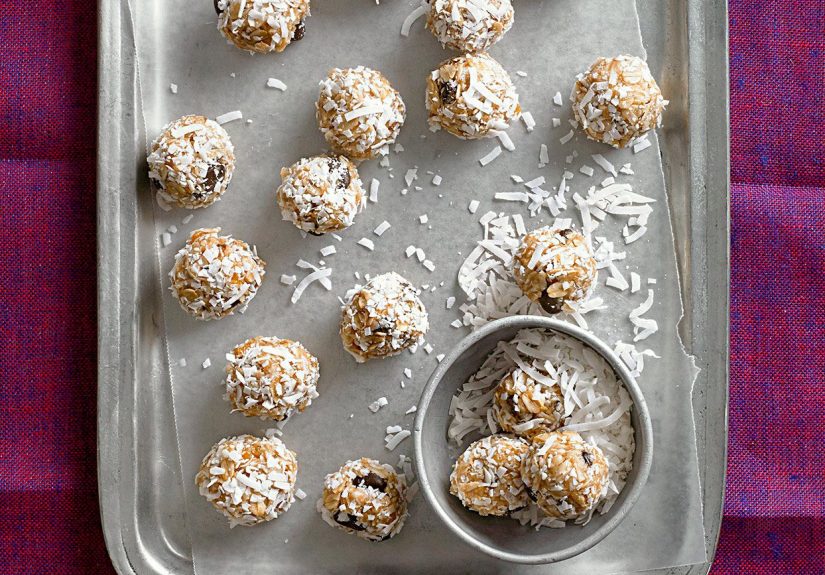
Use mini chocolate chips and a pinch of cinnamon. This version tastes like a no-bake cookie and disappears fast.
2) PB&J Style
Use freeze-dried strawberries or chopped dried berries plus a little vanilla. The peanut butter and fruit combo gives lunchbox nostalgia in a grown-up snack.
3) Coconut Trail Mix Bites
Add shredded coconut, chopped peanuts, and dried cranberries. Great for road trips, afternoon slumps, or pretending you are “just having one.”
4) Protein-Boosted Version
Add 2 to 4 tablespoons vanilla protein powder, then increase the peanut butter or sweetener slightly if needed. Protein powder dries the mixture out quickly, so add it gradually.
5) Nut-Free Lunchbox Option
Swap peanut butter for sunflower seed butter. The texture stays chewy and satisfying, and it works well for nut-free school snacks.
Ingredient Swaps That Actually Work
Oats
Old-fashioned oats give a more textured, hearty bite. Quick oats create a softer bite and blend more easily. A half-and-half mix is a great middle ground if you want chew without chunkiness.
Peanut Butter
Chunky peanut butter adds crunch. Natural peanut butter is delicious but can be looser, so stir it well before measuring. Almond butter or cashew butter also work if you want a different flavor profile.
Sweeteners
Honey is classic and sticky. Maple syrup works too, but it can make the mixture slightly softer, so you may need an extra spoonful of oats or flax.
Binders and Mix-Ins
Ground flaxseed, almond flour, or even a little oat flour help hold the mixture together. Chia seeds, hemp hearts, mini chocolate chips, chopped nuts, dried fruit, or coconut all work beautifully.
Storage and Make-Ahead Tips
These no-bake oat bites are ideal for meal prep because they store well and travel well. Keep them in an airtight container in the refrigerator. Depending on the exact ingredients and moisture level, they usually stay fresh for about 1 to 2 weeks.
For longer storage, freeze them in a freezer-safe container or zip-top bag. They thaw quickly in the fridge, and some people love them straight from the freezer for a firmer, chewier texture.
If you’re stacking them, place a small piece of parchment between layers to prevent sticking. It’s a tiny step that saves a lot of “why is this now one giant oat boulder?”
Nutrition and Allergy Notes
Peanut butter oat bites are popular because they combine a few satisfying elements in one small snack: oats for chew and fiber, peanut butter for richness and protein, and just enough sweetness to feel like a treat. They’re a smart option when you want something more filling than crackers but less heavy than dessert.
If you’re making these for a group, always check labels carefully. Peanuts are a major allergen, and cross-contact matters too. For a safer shared-snack version, use a peanut-free butter and verify all add-ins (especially chocolate chips, granola bits, or mix-ins) are suitable for your audience.
Frequently Asked Questions
Do I need a food processor?
No. A bowl and spoon are enough for this version. A food processor is optional if you want a smoother, more uniform texture.
Can I use quick oats instead of rolled oats?
Yes. Quick oats work well and make a softer bite. If you like more texture, stick with old-fashioned oats or use a mix of both.
Can I make these without honey?
Yes. Maple syrup or date syrup can work. Just be ready to adjust the oats or flaxseed if the mixture gets too soft.
Are these good for kids?
Absolutely, as long as peanuts are safe for them. The nut-free version with sunflower seed butter is a great alternative for lunchboxes and school snacks.
500-Word Experience Section: What It’s Actually Like Making These in Real Life
The best thing about this No-Bake Peanut Butter Oat Bites Recipe is not just the flavorit’s how well it fits into real life. These are the kind of snacks people start making “just once” and then suddenly they’re part of the weekly routine. The pattern is usually the same: someone needs a quick snack, doesn’t want to bake, and wants something that feels homemade without turning the kitchen into a disaster zone. Enter the oat bites.
One common experience is discovering that the texture changes a lot depending on the peanut butter. If you use a thick, no-stir peanut butter, the mixture usually rolls easily and holds shape fast. If you use natural peanut butter, the flavor is fantastic, but the mixture can feel softer at first. That’s not a problemit just means the chill time matters more. A lot of people panic at the “this is too sticky” stage. Don’t. Ten minutes in the fridge fixes most problems, and a spoonful of extra oats fixes the rest.
Another real-world win is how easy these are to customize for different people in the same household. You can make one base batch, then divide it into two bowls: one for chocolate chip lovers and one for the dried-fruit crowd. If you have kids, sprinkles magically transform them into “special snack bites.” If you have adults, call them “meal prep energy bites” and suddenly everyone respects them. Same snack, different branding.
These bites also shine during busy weeks. People often make them on Sunday, line them up in a container, and grab them all week for that awkward in-between timetoo early for dinner, too late for lunch, too hungry to make good decisions. They’re especially useful before sports practice, after school, before a gym session, or during long work afternoons when your brain starts suggesting cookies for “productivity.”
Travel is another place where these bites earn their reputation. They’re less messy than granola bars, they don’t crumble as much as cookies, and they pack well. For road trips, many people freeze a batch the night before and toss them into a cooler bag. By snack time, they’re perfectly chilled and chewy. For office snacks, they’re easy to portion, which is helpful if you’re trying not to eat seven “tiny” snacks in a row. (No judgment. We’ve all met a tablespoon of peanut butter and lost track of time.)
Probably the most useful experience-based lesson is this: don’t chase perfection on the first batch. No-bake bites are a feel recipe as much as a measured recipe. Humidity, peanut butter brand, and mix-ins all matter. Once you make them once, you’ll know exactly how you like themsweeter, less sweet, more chewy, more chocolatey, extra cinnamon, less coconut, whatever. That’s when this recipe becomes your recipe, and that’s when it becomes dangerously convenient.
Conclusion
If you want an easy, flexible snack that tastes great and doesn’t require baking, these peanut butter oat bites are hard to beat. The base formula is simple, the ingredients are affordable, and the variations are endless. Start with the classic version, learn your preferred texture, and then customize it based on what you have in the pantry. Once you do, you’ll have a dependable no-bake snack that works for meal prep, lunchboxes, and everyday cravings.