Table of Contents >> Show >> Hide
- Why Your House Gets Dusty So Fast
- 1. Dust with Microfiber or a Damp Cloth, Not a Feather Duster
- 2. Vacuum More Strategically and Use the Right Filter
- 3. Change Your HVAC Filter on Schedule
- 4. Add an Air Purifier in the Rooms That Get Dusty Fast
- 5. Wash Bedding Weekly and Protect the Bed
- 6. Keep Indoor Humidity Under Control
- 7. Declutter Surfaces and Store Things in Closed Containers
- 8. Cut Back on Dust-Trapping Fabrics
- 9. Stop Dirt at the Door and Seal Outside Entry Points
- 10. Manage Pet Hair, Dander, and Forgotten Dust Zones
- A Simple Weekly Dust-Reduction Routine
- What I Noticed After Actually Following These Dust Tips
- Final Thoughts
- SEO Tags
If your house gets dusty five minutes after you clean it, congratulations: you are living the classic homeowner experience. You wipe the coffee table, admire your work, turn around, and somehow the dust has already scheduled a comeback tour. The good news is that household dust is not an unbeatable villain. The better news is that you do not need to become a full-time mop poet to keep it under control.
Dust is a mash-up of tiny particles that can include dirt, fabric fibers, pet dander, pollen, skin cells, and other debris that drifts in or forms indoors. That means the smartest way to reduce dust in your house is not just cleaning more. It is cleaning better, blocking dust at the door, trapping it before it floats around, and cutting down on the places where it loves to hide like a tiny, flaky introvert.
Below are 10 simple ways to reduce dust in your home, improve indoor air quality, and make your cleaning routine feel less like a punishment assigned by the universe.
Why Your House Gets Dusty So Fast
Before you launch a microfiber counterattack, it helps to understand what is happening. Dust enters your home from outside through doors, windows, shoes, pets, and ventilation systems. It also gets created inside the house as fabrics shed fibers, skin cells collect, pet hair drifts, and everyday movement sends settled particles back into the air.
That is why dust control works best when you combine source control, filtration, and consistent cleaning habits. In plain English: stop some dust from getting in, trap the dust that does get in, and remove the dust that has already moved in and started paying no rent.
1. Dust with Microfiber or a Damp Cloth, Not a Feather Duster
Let us start with a tough truth: the dramatic feather duster is more theater than strategy. In many cases, it simply moves dust from one surface to another. If your goal is to reduce dust in your house, use a microfiber cloth or a slightly damp cloth instead. These actually grab particles instead of launching them into the air like confetti at a parade nobody asked for.
How to do it right
- Dust from top to bottom so particles fall onto surfaces you have not cleaned yet.
- Use a damp cloth on hard surfaces like shelves, dressers, and baseboards.
- Do not forget ceiling fans, window sills, blinds, lamp shades, and electronics.
This one small swap can make a noticeable difference, especially if you usually “dust” by waving at a shelf and hoping for the best.
2. Vacuum More Strategically and Use the Right Filter
Vacuuming is not just about crumbs and visible fuzz. A good vacuum helps remove fine dust, dust mites, pet hair, and allergens from rugs, upholstery, corners, and under furniture. The catch is that a poor-quality vacuum can blow particles back into the room, which is basically the opposite of progress.
Smart vacuum habits
- Use a vacuum with a HEPA filter or high-quality small-particle filtration.
- Vacuum carpets and rugs at least weekly, more often if you have pets.
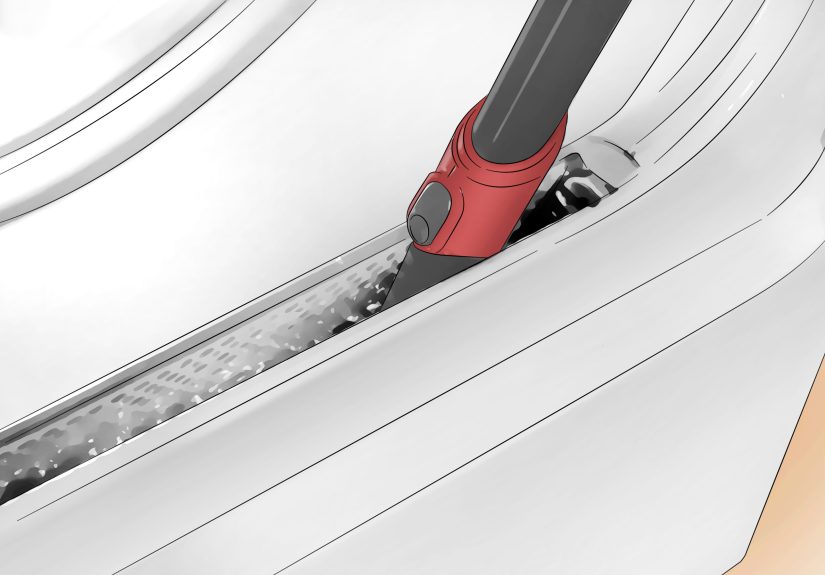
- Use attachments for baseboards, vents, upholstered furniture, and mattress surfaces.
- Move furniture occasionally instead of pretending the dust under the sofa belongs to history now.
If you have allergies, the bedroom and living room deserve special attention because soft surfaces collect dust like they are trying to win a contest.
3. Change Your HVAC Filter on Schedule
Your heating and cooling system can help reduce household dust, but only if the filter is not clogged with the remains of seasons past. A dirty HVAC or air-conditioner filter reduces airflow, lowers efficiency, and allows more particulates to circulate indoors.
What to do
- Check your filter every month.
- Replace or clean it on the schedule recommended by the manufacturer.
- Use a pleated filter with a suitable rating for your system.
- Keep supply and return vents clean and unblocked.
Think of your HVAC filter as the bouncer for your indoor air. If the bouncer is asleep, all the unwanted guests get in.
4. Add an Air Purifier in the Rooms That Get Dusty Fast
An air purifier is not a magic wand, and it will not eliminate every dust bunny in your home. But a good portable air cleaner can help reduce airborne particles in a single room, especially bedrooms, nurseries, and living spaces where people spend a lot of time.
Best ways to use one
- Choose a unit sized for the room, not just one with flashy marketing and a lot of confidence.
- Run it consistently instead of only when your house already looks like an old attic.
- Replace filters as directed so the machine keeps doing real work.
Air purifiers are especially useful when paired with regular cleaning, because they trap airborne particles while your other habits tackle dust that has already settled.
5. Wash Bedding Weekly and Protect the Bed
If one room in the house deserves a dust intervention, it is the bedroom. Bedding, pillows, blankets, mattresses, and upholstered furniture can collect dust mites, fibers, pet dander, and skin flakes. Since you spend a big chunk of your life in bed, this is not the place to shrug and say, “Looks fine.”
Bedroom dust-reduction basics
- Wash sheets, pillowcases, and blankets every week.
- Use protective covers on pillows, mattresses, and box springs.
- Wash stuffed items and soft accessories regularly.
- Keep under-bed storage tidy and use bins instead of loose piles of mystery fabric.
Reducing dust in the bedroom can improve comfort, sleep, and allergy control. It is also emotionally satisfying to know your pillow is not hosting a silent dust convention.
6. Keep Indoor Humidity Under Control
Dust is not just about dry particles floating around. Humidity plays a role too, especially when dust mites and mold are part of the problem. Very humid indoor air creates a friendlier environment for dust mites, which is why many experts recommend keeping indoor humidity below 50 percent.
Easy humidity fixes
- Use a dehumidifier in damp rooms or humid climates.
- Run bathroom and kitchen exhaust fans.
- Fix plumbing leaks and window condensation quickly.
- Use air conditioning during muggy weather if needed.
You do not need your house to feel like a desert. You just want to avoid turning it into a tropical vacation for dust mites.
7. Declutter Surfaces and Store Things in Closed Containers
Dust loves clutter because clutter gives it extra landing pads. Open shelving full of decor, stacks of magazines, baskets of random cables, and the famous chair covered in “not dirty, not clean” clothes all create more surfaces for dust to settle on.
How to make clutter less dusty
- Keep countertops and shelves as clear as possible.
- Store off-season clothes, linens, toys, and keepsakes in bins with lids.
- Close closet doors to protect clothing and fabrics from airborne dust.
- Be honest about decorative objects that require cleaning but bring you zero joy.
A simpler room is faster to clean, easier to maintain, and much less likely to develop that “I dusted two days ago, why is everything fuzzy again?” effect.
8. Cut Back on Dust-Trapping Fabrics
Soft furnishings make a room cozy, but they also collect dust. Carpets, heavy drapes, fabric blinds, overstuffed furniture, layered throw blankets, and decorative pillows can all hold onto particles and release them when disturbed.
Low-drama upgrades that help
- Choose washable curtains over heavy drapes.
- Use blinds or shades that can be wiped clean.
- Swap wall-to-wall carpet for hard flooring where practical.
- Choose washable rugs and clean them regularly.
- Limit extra textiles that serve mostly as dust storage with branding.
You do not have to turn your home into a minimalist museum. Just be selective. Cozy is great. Dust-powered velvet overload is less great.
9. Stop Dirt at the Door and Seal Outside Entry Points
Some dust starts outside and hitchhikes in on shoes, clothes, pet paws, and drafts around doors and windows. That makes your entryway one of the easiest places to win a few points in the dust war.
Simple entryway rules
- Use sturdy doormats at exterior doors.
- Adopt a no-shoes-inside policy.
- Wipe pet paws when they come in.
- Seal gaps and cracks around windows and doors.
These habits reduce the amount of outdoor dirt and dust that makes it indoors in the first place. And yes, asking guests to remove shoes may feel mildly awkward at first, but so is sneezing every time someone walks across the hallway.
10. Manage Pet Hair, Dander, and Forgotten Dust Zones
Pets are wonderful. They are also adorable dust accessories. Fur, dander, tracked-in dirt, and bedding debris can all add to household dust, especially in bedrooms and on upholstered furniture. Even if you do not have pets, hidden areas like vents, registers, baseboards, lamp tops, and fan blades can quietly collect a shocking amount of dust.
What helps most
- Brush and bathe pets regularly, based on what is safe for the animal.
- Keep pets off beds and soft furniture if allergies are an issue.
- Wash pet bedding often.
- Clean air vents, fan blades, and baseboards on a routine schedule.
- Do a quick weekly sweep of overlooked areas before the dust forms a government.
Often, the reason a house still feels dusty after cleaning is not that you missed the obvious spots. It is that the hidden zones have been quietly plotting the entire time.
A Simple Weekly Dust-Reduction Routine
If all 10 steps feel like too much at once, start with a routine you can actually keep:
- Daily: Shake out doormats, wipe kitchen counters, and keep clutter from multiplying overnight.
- Weekly: Dust with microfiber, vacuum floors and upholstery, wash bedding, and wipe baseboards in high-traffic rooms.
- Monthly: Check HVAC filters, vacuum under furniture, clean vents, and wash curtains or pet bedding as needed.
- Seasonally: Rotate and deep-clean rugs, purge clutter, inspect windows and door seals, and clean ceiling fans thoroughly.
Consistency matters more than perfection. A realistic cleaning routine beats one giant panic-clean every six weeks followed by denial.
What I Noticed After Actually Following These Dust Tips
I once lived in a place that seemed to generate dust as a side hustle. I would clean the TV stand in the morning, and by sunset it looked like the furniture had aged emotionally and physically. At first, I blamed the windows, then the neighborhood, then the concept of air itself. But after testing a few simple changes, the difference was obvious.
The first thing that helped was switching from lazy dry dusting to a microfiber cloth. This was humbling. I had apparently been redistributing dust with great confidence for years. Once I started wiping surfaces with a slightly damp cloth and working from top to bottom, the room actually stayed cleaner longer. The second big improvement came from vacuuming the couch, under the bed, and along the baseboards instead of only vacuuming visible floor space like a person trying to fool both guests and destiny.
The bedroom changed the most. Washing bedding weekly, putting covers on pillows and the mattress, and keeping random extra blankets from piling up made the room feel fresher almost immediately. I also stopped storing loose junk under the bed, which turned out to be less of a storage solution and more of a dust preservation system. Once I used bins with lids, the amount of dust under there dropped fast.
I was also surprised by how much the entryway mattered. A simple shoe-free rule and better doormats cut down on grit and fine dirt more than I expected. It did not make the house spotless overnight, but it noticeably reduced that crunchy feeling near the front door and hallway. That alone made the whole place feel cleaner.
The HVAC filter was another lesson in “things I should have respected sooner.” Replacing it on time helped the house feel less stale, and it reminded me that dust control is not only about what lands on furniture. It is also about what keeps circulating through the air. Adding an air purifier in the bedroom helped too, especially during weeks when pollen seemed determined to move in uninvited.
And then there were the sneaky zones: ceiling fans, vents, lamps, curtains, and the top edges of frames and mirrors. Once I started cleaning those on purpose, the whole house stopped getting dusty quite so fast. It was less dramatic than buying some miracle gadget, but much more effective.
The biggest takeaway was this: reducing dust in your house is not about becoming a cleaning robot. It is about removing the things that feed dust, trapping what floats around, and sticking to a few habits that prevent the mess from snowballing. My home did not become a sterile showroom, and honestly, I would not want it to. But it did become easier to breathe in, easier to clean, and a lot less likely to make me wonder whether the bookshelf was wearing a sweater.
Final Thoughts
If you want to reduce dust in your house, do not focus on one giant fix. Stack small wins. Dust smarter, vacuum better, change filters, wash bedding, cut humidity, manage clutter, and stop dirt at the door. These habits work together, and over time they can make your home feel cleaner, healthier, and less like it is secretly manufacturing lint for sport.
In other words, the goal is not perfection. The goal is a home where you can sit on the couch, breathe deeply, and not feel challenged by the coffee table 20 minutes after cleaning it.