Table of Contents >> Show >> Hide
- Why This Classic Potato Salad Works
- Classic Potato Salad Recipe
- What Makes a Potato Salad Truly Classic?
- Best Potatoes for Potato Salad
- How to Keep Potato Salad from Getting Mushy
- Flavor Upgrades That Still Feel Traditional
- Make-Ahead Tips and Storage
- What to Serve with Classic Potato Salad
- Final Thoughts
- Kitchen Memories and Real-Life Experience with Classic Potato Salad
- SEO Tags
Note: Body-only HTML, ready to paste into your page template.
There are flashy side dishes, and then there is classic potato salad: the humble bowl that quietly vanishes first at cookouts, church picnics, family reunions, and backyard dinners where somebody inevitably says, “Who made this?” It is not trendy. It is not trying to reinvent itself with truffle oil or edible flowers. It just shows up creamy, tangy, comforting, and deeply confident, like a recipe that already knows it belongs at the table.
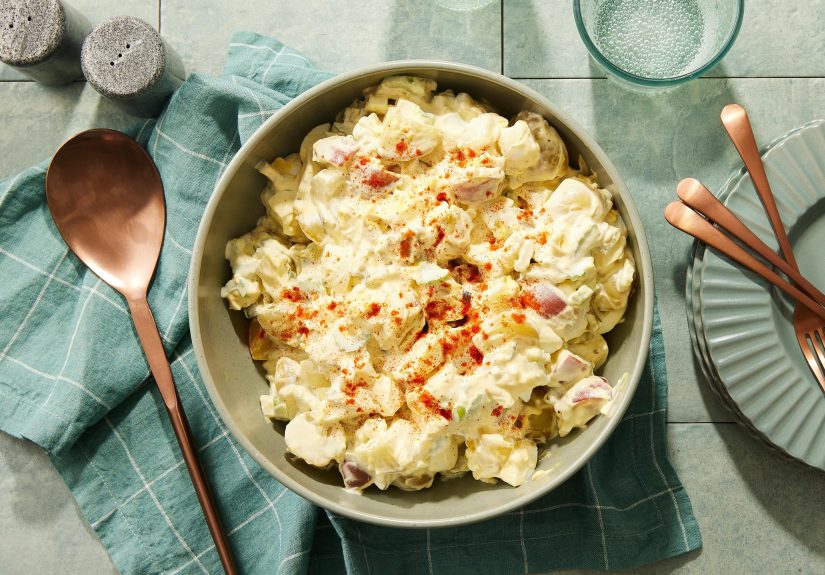
A great classic potato salad recipe is all about balance. You want tender potatoes that hold their shape, not a bowl of accidental mashed potatoes. You want enough mayonnaise for richness, but not so much that the salad feels heavy. You want mustard and vinegar for zip, celery and onion for crunch, pickles for brightness, and eggs for that old-school deli-style comfort. In other words, this is a creamy potato salad with personality, not a bland pile of beige.
This version leans into everything people love about an old-fashioned potato salad. It is easy to make, easy to prep ahead, and even easier to defend when someone tries to bring a raisin-based “innovation” to the picnic. Let us keep the peace by keeping the potato salad classic.
Why This Classic Potato Salad Works
The best potato salad is simple, but it is not careless. Every ingredient has a job. Yukon Gold or red potatoes stay tender and creamy without falling apart. Warm potatoes absorb flavor better than cold ones, so a quick splash of vinegar while they are still warm gives the whole salad a brighter, more seasoned taste. The dressing combines mayonnaise, mustard, and a little pickle flavor for a tangy, familiar finish. Then the crunchy mix-ins wake everything up so each bite is creamy, crisp, and savory at the same time.
This is also the kind of picnic side dish that plays well with almost everything. Burgers? Absolutely. Fried chicken? Naturally. Ribs, hot dogs, grilled corn, baked beans, pulled pork, sandwiches, or a random Tuesday rotisserie chicken from the grocery store? Yes to all of it. If summer had an official supporting actor, classic potato salad would at least get a nomination.
Classic Potato Salad Recipe
Ingredients
- 3 pounds Yukon Gold potatoes or red potatoes
- 4 large eggs
- 1 cup mayonnaise
- 2 tablespoons yellow mustard
- 1 tablespoon Dijon mustard
- 2 tablespoons apple cider vinegar, divided
- 1/2 cup finely diced celery
- 1/3 cup finely diced red onion
- 1/3 cup chopped dill pickles or dill pickle relish
- 2 tablespoons chopped chives or scallions
- 1 teaspoon kosher salt, plus more for the cooking water
- 1/2 teaspoon black pepper
- 1/2 teaspoon celery seed
- 1/4 teaspoon paprika, plus more for garnish
- Optional: 1 tablespoon pickle brine for extra tang
Directions
- Cook the potatoes. Scrub the potatoes and cut them into even bite-size chunks. Place them in a large pot and cover with cold water by about an inch. Salt the water generously. Bring to a gentle boil, then reduce to a steady simmer and cook for 10 to 15 minutes, or until the potatoes are fork-tender but not falling apart.
- Boil the eggs. While the potatoes cook, place the eggs in a saucepan, cover with water, and bring to a boil. Remove from the heat, cover, and let them sit for 10 to 12 minutes. Transfer to ice water, peel, and chop once cooled.
- Season the warm potatoes. Drain the potatoes well and spread them in a large bowl. While they are still warm, toss them with 1 tablespoon of apple cider vinegar. Let them cool for about 15 minutes. This small step makes a big difference in flavor.
- Make the dressing. In a medium bowl, whisk together the mayonnaise, yellow mustard, Dijon mustard, remaining 1 tablespoon vinegar, salt, black pepper, celery seed, paprika, and pickle brine if using.
- Add the mix-ins. To the bowl of potatoes, add the chopped eggs, celery, red onion, pickles, and chives.
- Combine gently. Spoon the dressing over the potato mixture and fold everything together gently until evenly coated. Taste and adjust the seasoning. Add another pinch of salt or splash of vinegar if it needs more life.
- Chill before serving. Cover and refrigerate for at least 1 hour, preferably 2. Garnish with a dusting of paprika before serving.
What Makes a Potato Salad Truly Classic?
A mayo-based potato salad becomes classic because it checks a few familiar boxes. First, the texture has to be creamy but still chunky. Second, the flavor has to land in that perfect middle ground between rich and tangy. Third, it needs contrast: soft potatoes, tender eggs, crisp celery, and little pops of onion and pickle. That contrast is what keeps the salad from tasting sleepy.
Classic does not mean boring. It means the recipe has survived because it actually works. The reason generations keep coming back to the same formula is simple: potatoes love salt, acid, and fat. Mayo gives silkiness, mustard adds sharpness, vinegar wakes things up, and the crunchy vegetables keep the whole bowl from becoming one-note. It is kitchen chemistry dressed like comfort food.
Best Potatoes for Potato Salad
If you want the best potatoes for potato salad, reach for Yukon Golds or red potatoes. Both have enough structure to stay intact after boiling and mixing, while still giving you that creamy interior everybody wants. Yukon Golds bring a buttery texture and a slightly richer flavor. Red potatoes are a little firmer and have a pleasant, tidy bite.
Russets can work in a pinch, but they are starchier and more likely to break down, especially if overcooked. That can tip your salad from creamy into mushy fast. If that is the texture you grew up loving, fair enough. But for a reliable classic potato salad recipe, all-purpose or waxy potatoes make life easier and the bowl prettier.
How to Keep Potato Salad from Getting Mushy
Mushy potato salad usually happens because of one of three things: the wrong potato, overcooking, or rough mixing. To avoid that fate, cut your potatoes into evenly sized pieces so they cook at the same rate. Start them in cold water rather than dropping them into boiling water. That helps them cook more evenly from edge to center.
Once they are fork-tender, drain them well. Extra water is the enemy of a creamy dressing. Let the potatoes steam dry for a few minutes, then toss them gently. Think “fold,” not “stir like you are mad at it.” The potatoes should look dressed, not defeated.
Flavor Upgrades That Still Feel Traditional
Even within the world of classic potato salad, there is room to make the recipe your own without turning it into a culinary identity crisis. Here are a few easy tweaks:
- For more tang: Add an extra teaspoon of vinegar or a spoonful of pickle brine.
- For more crunch: Increase the celery or add finely diced green bell pepper.
- For a sweeter Southern-style vibe: Use sweet pickle relish instead of dill pickles.
- For more depth: Swap part of the yellow mustard for Dijon.
- For herb freshness: Add chopped dill or parsley.
- For extra richness: Stir in a spoonful of sour cream.
The key is to keep the soul of the recipe intact. You are aiming for a better version of the classic, not a side dish that needs a lengthy backstory before anyone takes a bite.
Make-Ahead Tips and Storage
One of the best things about potato salad is that it likes a little time in the refrigerator. Freshly mixed potato salad is good. Chilled potato salad after the flavors have had time to get acquainted is better. Make it a few hours ahead, or even the night before, and you will usually get a more balanced, cohesive result.
Store it tightly covered in the refrigerator and serve it cold or just slightly cool. If it thickens too much after chilling, stir in a spoonful of mayonnaise or a tiny splash of pickle brine to loosen it up. For food quality and texture, it is best within about 3 days. This is not the side dish to leave lounging in the sun like it is on vacation.
What to Serve with Classic Potato Salad
This BBQ side dish is practically made for grilled food, but it is far more versatile than that. Pair it with cheeseburgers, grilled chicken thighs, barbecue ribs, fried fish, deli sandwiches, or baked ham. It also belongs on potluck tables next to coleslaw, deviled eggs, watermelon, baked beans, and corn on the cob.
If you are building the ultimate summer spread, classic potato salad is the steady, dependable friend who remembers to bring ice, napkins, and the good folding chairs. It is never the loudest dish on the table, but it is often the one people go back for twice.
Final Thoughts
A really good classic potato salad recipe does not need to show off. It just needs to be creamy, tangy, well-seasoned, and full of texture. This version keeps all the familiar elements people expect, while using a few smart techniques to make sure the flavor is brighter and the texture is better. That is the sweet spot: traditional enough to taste nostalgic, but polished enough that everybody asks for the recipe.
So the next time you need a side dish that feels comforting, practical, and just a little bit legendary, make this one. It is easy enough for weeknights, reliable enough for holidays, and delicious enough to start family debates about whose potato salad used to be “the real one.” Honestly, that is how you know you nailed it.
Kitchen Memories and Real-Life Experience with Classic Potato Salad
There is something funny about potato salad: people act casual about it until a bowl shows up, and then suddenly everyone turns into a food critic with a backstory. One person wants it extra tangy “like Grandma made.” Another wants more eggs. Somebody else insists onions ruin everything, which is a bold statement from a person eating free barbecue. That is part of the charm. Classic potato salad is not just a recipe; it is a memory trigger in a serving bowl.
My earliest experience with it was at family cookouts where the menu never changed much, and honestly, nobody wanted it to. Burgers, hot dogs, watermelon, chips, baked beans, and a giant bowl of potato salad parked right in the middle of the table like it owned the place. I remember thinking it looked plain compared with all the grilled food. Then I took a bite and realized plain was not the right word. Familiar was. Comforting was. Sneakily excellent was. That was the beginning of understanding a dish that does not beg for attention but earns it anyway.
Over time, I learned that the difference between average potato salad and unforgettable potato salad is usually a matter of small choices. The first time I made it myself, I overcooked the potatoes and stirred too aggressively. The result was less “classic salad” and more “seasoned potato situation.” It still tasted good, but it did not have that clean, chunky texture I wanted. That failure turned out to be useful. It taught me to watch the potatoes closely, drain them well, and treat them gently. Potato salad is forgiving, but it still appreciates respect.
Another thing experience teaches quickly is that potato salad changes depending on the room. At a summer picnic, it feels bright and refreshing next to smoky grilled meat. At Easter, it leans nostalgic. At a random weeknight dinner, it can make simple baked chicken feel like somebody put in more effort than they actually did. That flexibility is part of why the recipe lasts. It is not tied to one season or one event. It simply keeps showing up and making dinner better.
I have also noticed that classic potato salad is one of those foods people remember emotionally, not just visually. They remember the glass bowl it was served in, the dusting of paprika on top, the way it tasted colder and somehow better the next day. They remember helping peel eggs, or sneaking a spoonful from the fridge before guests arrived. They remember the person who always made it, and how nobody else ever quite got it exactly the same. A lot of recipes feed people. This one also tends to carry family stories with it.
That is why I think classic potato salad still matters. In a world that constantly wants newer, hotter, trendier dishes, there is something reassuring about a recipe that stays useful. It does not need a viral moment. It just needs a spoon. And maybe a second helping. Fine, probably a third.