Table of Contents >> Show >> Hide
If the cereal aisle feels like a glittery theme park designed by a sugar lobbyist, you are not imagining things. One box promises protein, another shouts about whole grains, and a third has a cartoon toucan who looks suspiciously overqualified for nutrition advice. Still, registered dietitians agree on one comforting fact: cereal does not have to be breakfast junk mail. With the right box, it can be a genuinely smart, convenient, and satisfying way to start the day.
After reviewing current dietitian guidance and comparing real grocery-store nutrition labels, a clear pattern emerges. The healthiest cereals usually start with whole grains, keep added sugar in check, and deliver meaningful fiber. Some also bring along protein, iron, or heart-friendly whole oats. In other words, the best cereal is not the one with the loudest health halo. It is the one that quietly does the job.
Below are seven of the healthiest cereals you can actually find at the grocery store, plus tips for choosing the right one for your goals, whether that is better fullness, steadier energy, less sugar, more fiber, or just surviving breakfast without feeling like you ate dessert with a spoon.
What makes a cereal healthy, according to dietitians?
Dietitians tend to use a simple checklist. First, look for a cereal made mostly from whole grains such as oats, whole wheat, bran, or sprouted grains. Next, check the fiber. A solid target is at least 3 to 5 grams per serving, and more can be even better if your stomach tolerates it. Then look at added sugar. Lower is usually better, and single digits are a good rule of thumb. Protein matters too, especially if you want breakfast to hold you over until lunch instead of leaving you rummaging through the office snack drawer by 10:17 a.m.
It also helps to remember that cereal does not exist in a vacuum. A smart cereal becomes an even better breakfast when you pair it with milk, soy milk, Greek yogurt, fruit, nuts, or seeds. That combo adds protein, healthy fats, and extra fiber, which can make a bowl of cereal feel less like bird food and more like an actual meal.
A quick cereal label checklist
- Whole grain or bran near the top of the ingredient list
- At least 3 to 5 grams of fiber per serving
- Low added sugar, ideally in the single digits
- Enough protein to help with fullness, especially if you eat cereal plain
- A serving size you will realistically follow in real life, not only in nutrition-facts fantasy land
The 7 healthiest cereals to buy at the grocery store
1. Original Cheerios
Original Cheerios earns its place because it keeps things refreshingly simple. It is made with whole grain oats and provides 4 grams of fiber, 5 grams of protein, and just 1 gram of added sugar per serving. That is a strong profile for a cereal you can find almost anywhere, from major supermarkets to the random grocery store where you only stopped for paper towels.
This cereal is especially good for people who want a familiar, easy-to-eat option that is not secretly a cookie. The oat base gives it a gentle flavor that works with berries, banana slices, peanut butter, chia seeds, or plain Greek yogurt. It is also a nice pick for households with mixed tastes, because it is mild enough for kids but clean enough for adults who read labels like detective files.
2. Post Shredded Wheat Original Spoon Size
If you want a cereal that feels like it has absolutely nothing to hide, Post Shredded Wheat Original Spoon Size is hard to beat. It is made from 100% whole grain wheat and delivers 8 grams of fiber, 7 grams of protein, 0 grams of added sugar, and 0 milligrams of sodium per serving. That is not a typo. It is basically the monk of the cereal aisle: plain, disciplined, and unexpectedly impressive.
The texture is hearty, the flavor is intentionally unsweet, and that is exactly the point. This is the kind of cereal that shines when topped with fruit, cinnamon, chopped walnuts, or a drizzle of nut butter. If you usually buy “healthy” cereal that still tastes suspiciously like candy, this one may surprise you. It is simple, filling, and quietly excellent.
3. Grape-Nuts Original
Grape-Nuts has been around forever, and for good reason. It delivers 7 grams of fiber, 6 grams of protein, and 0 grams of added sugar per serving, along with a substantial amount of whole grain. It is crunchy, sturdy, and not remotely interested in being cute. Frankly, that is part of its charm.
Because Grape-Nuts is dense and chewy, many people find it more satisfying than flimsier cereals that dissolve into sadness the moment milk hits the bowl. It also works well sprinkled over yogurt or blended into overnight oats for extra crunch. If you want a cereal that feels substantial and adult in the best possible way, this one deserves a permanent place on your shelf.
4. Quaker Old Fashioned Oats
Yes, oatmeal counts here. Quaker Old Fashioned Oats remains one of the healthiest cereal buys in any grocery store because it is made from 100% whole grain oats, contains no added sugar on its own, and offers a dependable fiber-and-protein foundation for breakfast. It also brings the kind of versatility boxed cereal can only dream about.
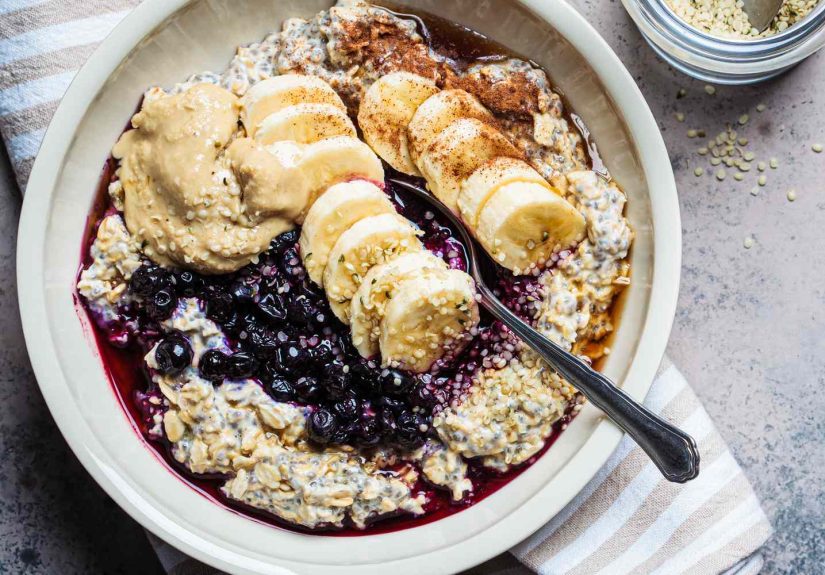
You can cook it hot, soak it overnight, blend it into baked oats, or eat it muesli-style with cold milk and fruit. Dietitians often like oats because they are budget-friendly, minimally flashy, and easy to customize without automatically turning breakfast into dessert. Add blueberries and almonds for a heart-smart bowl, or stir in pumpkin seeds and sliced pear if you are feeling vaguely farm-to-table on a Tuesday.
5. Food for Life Ezekiel 4:9 Sprouted Whole Grain Cereal
Food for Life Ezekiel 4:9 Sprouted Whole Grain Cereal is a favorite in dietitian roundups for people who want a nutrient-dense cereal with very little sugar. It provides 6 grams of fiber and 8 grams of protein per serving, and it is made from sprouted whole grains, beans, and lentils rather than the usual refined cereal formula. Translation: this bowl means business.
The taste is mild and earthy, so it is not the best pick for someone expecting a cinnamon-sugar nostalgia trip. But if you want a cereal that leans more “whole-food breakfast” than “mascot-endorsed crunch pellets,” it is a standout. It pairs especially well with berries, sliced banana, or warm milk and cinnamon if you want to soften the texture a bit.
6. Nature’s Path Heritage Flakes
Nature’s Path Heritage Flakes is one of the more balanced cereals on this list. Dietitian-reviewed rankings often highlight it because it delivers 7 grams of fiber and 5 grams of protein per serving while using whole grains and ancient grains to build a satisfying bowl. It is crunchy, lightly sweet, and much more exciting than some of the ultra-plain bran options.
This makes it a smart middle-ground cereal for shoppers who want something health-forward without feeling like breakfast has become a punishment. It has enough structure and flavor to hold up in milk, but it still keeps the nutrition profile strong. If you are trying to graduate from sugary cereals without staging a full breakfast rebellion, Heritage Flakes is a very solid bridge.
7. Fiber One Original Bran
Fiber One Original Bran is the heavyweight champion of fiber. One serving delivers 18 grams of fiber and 0 grams of added sugar, which is why dietitians often mention it for people who are specifically trying to boost fiber intake. It is also low in calories for the amount of fiber it provides, making it useful for satiety and digestive support.
That said, this cereal is not for the fiber-faint of heart. If your current diet is low in fiber, jumping into a full serving of Fiber One may feel like your digestive system just received a surprise assignment. Start smaller, drink enough water, and consider mixing it with a less intense cereal. Used wisely, though, it is one of the strongest high-fiber tools in the aisle.
How to make a healthy cereal even healthier
Even the best cereal gets better with a few strategic upgrades. Add fruit for more fiber and natural sweetness. Add milk, soy milk, or Greek yogurt for protein. Add nuts or seeds for staying power. Suddenly your respectable bowl of cereal has become a balanced breakfast instead of a quick carbohydrate drive-by.
A few easy combinations work especially well:
- Cheerios with blueberries, walnuts, and milk
- Shredded Wheat with sliced banana and peanut butter
- Grape-Nuts over Greek yogurt with strawberries
- Oatmeal with chia seeds, cinnamon, and apple
- Ezekiel cereal with raspberries and unsweetened soy milk
Common cereal shopping mistakes
The first mistake is trusting the front of the box like it is your best friend. “Whole grain,” “multigrain,” and “made with real fruit” can sound great while hiding a nutrition panel that tells a very different story. The second mistake is ignoring serving size. Some cereals look healthy until you realize the stated serving is tiny enough to fit in a teacup for a cautious squirrel.
The third mistake is focusing only on sugar and forgetting fiber. A cereal can be low in sugar and still not do much for fullness if it barely contains any fiber or protein. Finally, people often buy a healthy cereal and then add enough sugar, syrup, or sweetened dried fruit to turn it into dessert cosplay. A little sweetness is fine. Just do not let the toppings become the main event.
What it’s actually like to switch to healthier cereal
One of the most interesting experiences people have when they switch from sweeter cereals to healthier ones is that breakfast stops feeling like a sugar rush followed by regret. At first, the change can feel dramatic. If you are used to frosted flakes, marshmallow clusters, or “protein cereal” that tastes like a candy bar with a gym membership, something like Shredded Wheat or Ezekiel cereal may taste almost comically plain. But give it a week or two, and your palate usually recalibrates. Fruit starts tasting sweeter. Cinnamon suddenly pulls more weight. Even plain oats begin to taste nutty and comforting instead of boring.
Another common experience is better fullness. Many people notice that when breakfast includes more fiber and some protein, they are not prowling the kitchen an hour later looking for crackers, cookies, or “just a tiny snack” that somehow turns into half a bag of trail mix. A bowl of Grape-Nuts with yogurt or oatmeal with nuts tends to stay with you longer than a sugary cereal that burns bright and disappears fast. It is not magic. It is just what happens when breakfast finally contains ingredients that behave like actual food.
There can also be a learning curve. High-fiber cereals like Fiber One or bran-heavy blends can be a little too enthusiastic if your body is not used to them. This is where moderation matters. People often do best when they ease in, mix a high-fiber cereal with another cereal, or increase water intake alongside it. Think of it less as a dramatic wellness makeover and more as a gentle negotiation with your digestive system.
Texture is another big factor in real-life success. Some people love the crunch of Grape-Nuts and the sturdy chew of Shredded Wheat. Others prefer the softer comfort of oatmeal or the lighter feel of Cheerios. The healthiest cereal for you is not just the one with the prettiest label. It is the one you will actually eat consistently without feeling deprived, annoyed, or secretly tempted to keep a backup box of chocolate cereal hidden behind the flour.
There is also something strangely satisfying about becoming the kind of person who knows their cereal. Once you figure out which boxes deliver fiber, which ones keep sugar low, and which ones actually taste good, grocery shopping gets easier. You stop wandering the cereal aisle like a confused tourist. You know what works for your mornings, your appetite, and your schedule. That confidence matters more than people think. Healthy eating is easier when it feels practical instead of performative.
In the end, choosing a healthier cereal usually is not about chasing perfection. It is about making breakfast a little more helpful and a little less chaotic. A better bowl can mean steadier energy, more satisfaction, and fewer desperate snack decisions before lunch. Not bad for something you can pour out of a box before your coffee fully kicks in.
Conclusion
The healthiest cereals at the grocery store tend to follow the same winning formula: whole grains, meaningful fiber, lower added sugar, and enough substance to keep breakfast from becoming a two-hour placeholder. Original Cheerios, Shredded Wheat, Grape-Nuts, old-fashioned oats, Ezekiel cereal, Heritage Flakes, and Fiber One each bring something useful to the table, whether that is simplicity, crunch, fiber, protein, or serious staying power.
If you want the easiest takeaway, choose a cereal that gives you solid fiber, keeps added sugar modest, and tastes good enough that you will eat it consistently. Then build a better bowl with fruit and protein. The cereal aisle may still be crowded with nutritional nonsense, but these seven options prove that healthy cereal is not a myth. It is just usually sitting quietly on the shelf while the louder boxes throw a party.