Table of Contents >> Show >> Hide
- What Is the Rohl Shaws Original RC3018WH?
- Key Features and Specs
- Why This Sink Has Such a Loyal Following
- Fireclay: The Big Reason People Want It
- Design and Everyday Function
- Installation Realities: This Is Not a Casual Weekend Swap
- How It Compares With Other Sink Materials
- Pros of the Rohl Shaws Original RC3018WH
- Cons to Consider Before Buying
- Who Should Buy the RC3018WH?
- Care and Maintenance Tips
- Buying Advice for Today’s Shopper
- Extended Experience: What Living With the Rohl Shaws Original RC3018WH Really Feels Like
- Final Verdict
- SEO Tags
If kitchen sinks had movie trailers, the Rohl Shaws Original RC3018WH would absolutely get the dramatic voice-over: “In a world full of flimsy basins and sad little splashes… one fireclay farmhouse sink enters the chat.” And honestly? That would not be inaccurate.
The RC3018WH is one of those products that people do not buy by accident. Nobody stumbles into a heavyweight handcrafted farmhouse sink the way they accidentally buy gum at the checkout line. This sink is a deliberate choice. It is for people who want a real apron-front statement piece, a large single bowl, and the kind of traditional fireclay construction that makes a kitchen feel more custom, more anchored, and a little more “Yes, I do care what my sink looks like.”
There is one important twist, though: the original RC3018WH is now a discontinued model in current House of Rohl listings, and shoppers will often see the RC3018WH-C shown as the successor. That makes the original especially interesting today. It is not just a sink; it is also a legacy model with a strong reputation, lingering retailer listings, and the kind of old-school design credibility that keeps people searching for it long after newer versions show up.
What Is the Rohl Shaws Original RC3018WH?
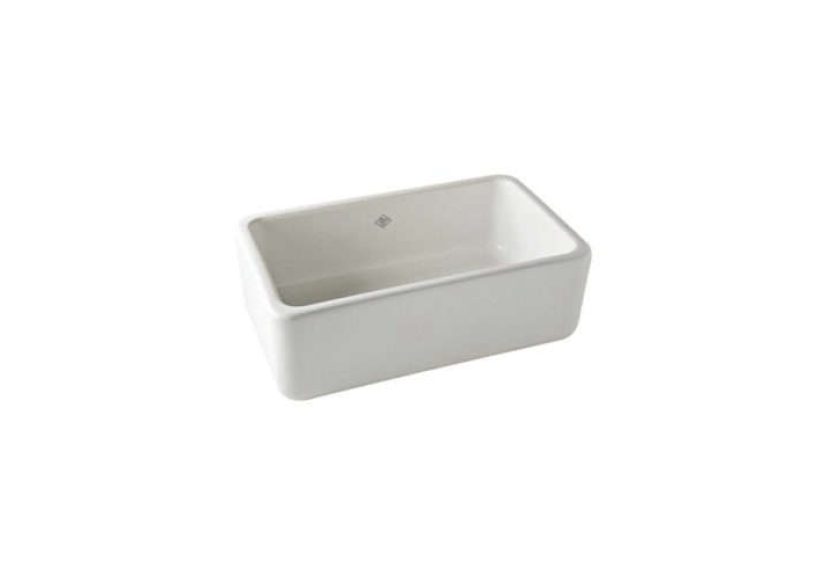
The Rohl Shaws Original RC3018WH is a white, single-bowl, apron-front fireclay kitchen sink from the Shaws line distributed under the Rohl name. It is generally listed at 30 inches wide, 18 inches front to back, and 10 inches high, with a deep bowl that gives you room to wash sheet pans, stockpots, serving platters, and the occasional mountain of dishes that appears after “just a quick dinner.”
What separates it from a lot of lookalike farmhouse sinks is the Shaws heritage. Shaws sinks are associated with traditional handcrafted fireclay production, and that heritage matters because it affects both the look and the expectations. This is not a thin, mass-market imitation of a farmhouse sink. It is the real deal: heavy, substantial, glossy, classic, and designed to be seen.
Key Features and Specs
- Model: Rohl Shaws Original RC3018WH
- Style: Farmhouse / apron-front kitchen sink
- Material: Fireclay
- Color: White
- Bowl configuration: Single bowl
- Overall size: Approximately 30" x 18" x 10"
- Drain opening: Standard 3.5-inch U.S. drain opening
- Cabinet requirement: Commonly listed with a 33-inch minimum cabinet size
- Installation note: No template is typically provided, so cabinet and countertop planning should wait until the sink arrives
- Status: Original model discontinued, with RC3018WH-C commonly presented as the current successor
Why This Sink Has Such a Loyal Following
There are plenty of farmhouse sinks on the market, but the RC3018WH keeps showing up in search results and wish lists because it nails the combination that many homeowners want: timeless shape, premium material, and everyday usefulness.
The apron front gives it that signature farmhouse presence, but the overall form is restrained enough that it works in more than just rustic spaces. Put it in a classic white kitchen and it looks elegant. Put it with warm wood cabinets and it looks cozy. Pair it with brass hardware and suddenly the sink is giving “English country house with excellent snacks.” Use matte black fixtures and it swings modern-farmhouse without looking forced.
In other words, this sink has range.
Fireclay: The Big Reason People Want It
A huge part of the RC3018WH’s appeal is the fireclay construction. Fireclay sinks are prized because they are dense, durable, non-porous, and visually rich in a way that many lower-cost materials simply are not. Compared with standard porcelain-based options, fireclay is usually seen as the more robust, more heat-resistant, more premium choice.
That matters in a busy kitchen. You want a sink that can handle pots, pans, prep bowls, rinsed produce, and the daily parade of kitchen chaos without immediately looking tired. Fireclay helps here because it tends to resist stains, fading, and routine wear better than many people expect. The glossy white finish also reflects light nicely, which makes the whole sink area feel brighter and cleaner.
Of course, “durable” does not mean “indestructible.” Fireclay is tough, but it is still a ceramic material. Drop something heavy enough, sharply enough, and you can chip it. So yes, the sink is strong. No, it is not secretly made of superhero kneecaps.
Design and Everyday Function
Single-Bowl Capacity
One of the best things about the RC3018WH is the single-bowl layout. If you cook a lot, bake often, or own oversized cookware, this is where the sink starts earning its keep. A divided bowl can be useful for multitasking, but a roomy single basin is usually better for washing large items without awkward angles or pan gymnastics.
Cookie sheets, roasting pans, Dutch ovens, cutting boards, and giant mixing bowls all fit more naturally in a sink like this. That makes the RC3018WH especially attractive for serious home cooks and for households where the kitchen is actually used, not just photographed.
Apron-Front Ergonomics
The exposed front is not just decorative. A farmhouse sink can be more comfortable to use because it reduces the amount of countertop you lean over while washing dishes or rinsing produce. That may sound like a small detail, but over time it makes a difference, especially if you spend long stretches prepping, cleaning, or cooking.
It is the kind of feature you do not fully appreciate until you stop doing that little countertop reach every single day.
Installation Realities: This Is Not a Casual Weekend Swap
Let’s be honest: installing the Rohl Shaws Original RC3018WH is not the same as dropping in a lightweight builder-grade sink and calling it done before lunch. Farmhouse sinks already require more planning than many standard sinks, and a heavy fireclay model raises the stakes further.
Most guidance around farmhouse sinks emphasizes the need for proper cabinet support, and that absolutely applies here. This sink is heavy even before water, dishes, and cookware enter the scene. The cabinet often needs reinforcement, the front has to be cut correctly for the apron, and the countertop fabrication needs to match the actual sink dimensions.
That last point is especially important. Multiple retailer listings for this model note that no template is provided and that the sink should arrive before final cabinet work is completed. That is not the brand being dramatic. Handcrafted fireclay can vary slightly, so treating the sink like a perfectly interchangeable commodity is a fast route to frustration, rework, and expensive words you should not say in front of the contractor.
Drain and Plumbing Notes
Legacy listings for the original RC3018WH often describe an offset drain opening, while newer successor listings may be presented differently. The practical lesson is simple: verify the exact drain placement of the unit you are buying before finalizing plumbing alignment. Some sellers also note that the drain side may vary on original-model stock, so confirmation matters.
Another detail worth checking is disposal compatibility. Listings commonly state that the sink is suitable for a waste disposal unit or basket strainer, but may require an extended disposal flange or the proper basket strainer setup.
How It Compares With Other Sink Materials
Compared with stainless steel, the RC3018WH is quieter, more visually dramatic, and more luxurious-looking, but it is also heavier, costlier, and less forgiving of hard impacts. Compared with porcelain-coated options, it typically feels more substantial and more premium. Compared with granite composite, it offers a more classic farmhouse look and brighter finish, though composite may appeal to buyers who want darker colors or a more contemporary texture.
So who wins? That depends on your priorities. If you want low cost and low stress, stainless steel still rules the practical universe. If you want a sink that helps define the whole kitchen aesthetic, the RC3018WH is playing a completely different game.
Pros of the Rohl Shaws Original RC3018WH
- Classic farmhouse look: It has the real apron-front presence many homeowners want.
- Premium fireclay construction: Durable, non-porous, and easy on the eyes.
- Large single basin: Great for oversized cookware and high-volume kitchen use.
- Timeless white finish: Pairs well with traditional, transitional, and modern-farmhouse kitchens.
- Heritage appeal: The Shaws name carries craftsmanship cachet that many buyers specifically seek out.
- Easy-to-clean surface: Everyday messes do not tend to cling like they do on rougher materials.
Cons to Consider Before Buying
- Discontinued original model: Availability can be inconsistent, and listings may vary.
- Heavy: Installation is not simple and may require structural cabinet support.
- Premium price category: This is not a bargain-bin sink.
- Potential dimensional variation: Cabinet makers should wait for the actual sink before final cuts.
- Chip risk still exists: Fireclay is durable, but heavy impacts can damage the glaze.
- Model confusion: Shoppers may encounter both RC3018WH and RC3018WH-C listings, which can cause headaches if they assume they are identical in every detail.
Who Should Buy the RC3018WH?
This sink makes the most sense for buyers who:
- Want a true farmhouse focal point in the kitchen
- Prefer a single large basin over a divided sink
- Care about brand heritage and craftsmanship
- Are comfortable with professional installation
- Do not mind paying more for a sink that feels custom and substantial
It is less ideal for buyers who want the easiest installation possible, the lowest overall cost, or a sink material that shrugs off every dropped skillet like nothing happened.
Care and Maintenance Tips
The good news is that fireclay is relatively straightforward to maintain. For routine cleaning, the best approach is simple: use a soft cloth or sponge, clean regularly, and wipe the sink dry after use if water spotting drives you nuts. Some manufacturer care guidance also notes that waxing can help encourage drainage and keep the surface looking its best.
The smart-owner rulebook looks like this:
- Clean up coffee, tea, sauce, and wine residue before they get cozy.
- Avoid treating the sink like a trampoline for cast-iron pans.
- Use sink grids if you want extra protection for the basin floor.
- Do not assume “durable” means “immune to poor decisions.”
Buying Advice for Today’s Shopper
Because the original Rohl Shaws Original RC3018WH is discontinued, buying one today is less about browsing casually and more about checking details carefully. Before purchasing, confirm:
- The exact model number
- Whether the listing is for the original RC3018WH or the newer RC3018WH-C
- The drain position on the actual unit
- Whether the seller includes or recommends a matching sink grid
- Whether your installer has experience with fireclay farmhouse sinks
- Whether your base cabinet can support the sink and accommodate the apron cutout
This is one of those purchases where five extra questions up front can save you five extra invoices later.
Extended Experience: What Living With the Rohl Shaws Original RC3018WH Really Feels Like
To make this article more useful than a sterile specification sheet, let’s talk about the experience of owning a sink like the RC3018WH. Not in a fake-review way. More in a realistic, lived-in, “this is what changes in your kitchen once this thing is installed” way.
First, the sink becomes a visual anchor almost immediately. Even people who do not care about sinks notice it. Friends come over, glance at the kitchen, and say something like, “Wow, that sink is nice,” which is not a sentence anybody says about a forgettable drop-in stainless model. The apron front gives the whole room a custom feel. Cabinets look a little more intentional. Countertops look a little more expensive. The kitchen starts acting like it has its life together.
Second, the large single bowl changes the way cleanup works. Washing a stockpot no longer feels like trying to park an SUV in a compact-car space. Baking sheets fit more naturally. Big mixing bowls stop splashing water all over the counter every time you angle them awkwardly under the faucet. If you cook often, that extra room is not just convenient; it is genuinely calming. The sink stops fighting you.
There is also a subtle comfort factor. Because of the apron-front design, you stand a bit closer to the basin. Over long prep sessions, that feels better on your back and shoulders than many people expect. It is not magic, but it is the sort of ergonomic improvement that sneaks up on you. After a while, using a standard sink can feel like taking one step too far away from the work zone.
Daily cleaning is also less dramatic than some buyers fear. The glossy white fireclay surface tends to look clean quickly, which is a gift for people who want the kitchen to feel fresh without scrubbing for half an hour. A quick wipe-down handles most ordinary messes. Drying the sink after heavy use helps keep water spots from hanging around like uninvited guests.
That said, ownership is not all romance and reflected sunshine. A sink like this asks for mindfulness. You notice when someone drops a heavy pan too hard. You become the person who gently reminds family members not to bang utensils into the basin. You may decide to add a bottom grid because prevention is cheaper than regret. If you are the kind of household that treats every surface like a construction site, you will need to adjust your habits a bit.
There is also the reality of installation memory. Many owners of large farmhouse sinks can tell you a story about cabinet prep, cutout measurements, drain alignment, or delivery timing. The RC3018WH tends to inspire exactly that kind of story because it is handcrafted and substantial. Once it is in, it is fantastic. Getting it in correctly is where the grown-up planning happens.
Over time, though, that effort usually feels worth it. The sink does not read as trendy in a disposable way. It has the kind of classic presence that ages well. Even as kitchens evolve around it, the RC3018WH still makes sense because it is rooted in function first and style second. That is often the secret sauce of products that remain desirable long after the original model is retired.
So the lived experience is this: the sink feels substantial, capable, and quietly luxurious. It makes everyday kitchen work easier, makes the room look better, and reminds you that one practical item can still have real personality. Which is impressive for a giant white box that mostly holds dirty dishes.
Final Verdict
The Rohl Shaws Original RC3018WH remains a standout farmhouse sink because it combines handcrafted fireclay character, strong day-to-day usability, and a timeless apron-front look that still feels premium. Its drawbacks are real: weight, installation complexity, price, and discontinued-model confusion. But for the right buyer, those are not deal-breakers. They are simply the price of entry to a sink with real presence and long-term appeal.
If you want a kitchen sink that behaves like a design feature without forgetting it is supposed to work hard, the RC3018WH still deserves attention. Just bring a tape measure, a careful installer, and a healthy respect for fireclay.