Table of Contents >> Show >> Hide
- Why Plates with Words Work So Well Right Now
- What Counts as a “Plate with Words” in Decor?
- The Difference Between Charming and Cheesy
- Best Rooms for Plates with Words
- How to Style a Plate Wall Without Making It Look Stiff
- Color, Material, and Style Combinations That Look Expensive
- How to Hang and Display Them Safely
- Shopping and Collecting Tips
- Real-Life Experience: Living with Plates That Speak
Some accessories whisper. Some accessories sing. And some accessories stare at you from a wall or shelf and say, quite literally, something. That is the curious charm of plates with words as decor. They sit at the intersection of ceramics, typography, nostalgia, and personality. In other words, they are the home accessory equivalent of a great dinner guest: stylish, memorable, and just a little opinionated.
For years, decorative plates were treated like the formal relatives of home decor: respectable, pretty, and slightly intimidating. Word art, meanwhile, had its own roller-coaster ride, from cool and artistic to overdone and painfully obvious. But lately, these two worlds have started getting along beautifully. A plate with a handwritten phrase, a witty one-liner, a family name, a date, a lyric, or even a single bold word can feel fresh when it is chosen with intention and styled with restraint.
That is the real secret. Plates with words are not compelling because they are plates. They are compelling because they turn everyday objects into tiny statements. They can make a kitchen warmer, a dining room more personal, a shelf more layered, and a gallery wall less predictable. They can feel playful, sentimental, artistic, or sophisticated depending on the typography, glaze, color palette, and where you place them. The humble plate has entered the chat, and honestly, it is doing quite well.
Why Plates with Words Work So Well Right Now
Home decor has shifted away from spaces that look too catalog-perfect and toward rooms that feel collected, personal, and lived in. That is great news for decorative plates, especially the ones with language on them. A worded plate instantly communicates something beyond color and shape. It says the homeowner values humor, memory, ritual, family, food, or a particular point of view.
That extra layer matters. A plain white dish can be beautiful, but a plate with the word gather, a handwritten recipe fragment, a place name, or a cheeky phrase carries narrative. It does not just fill space; it creates a small emotional cue. You are no longer looking at an object. You are looking at an idea that happens to be glazed and round.
There is also a practical reason these pieces are gaining attention. Plates are one of the easiest decorative objects to collect, display, rotate, and repurpose. They work as wall art, shelf decor, tabletop styling, and seasonal accessories. Unlike giant furniture purchases, they let you change the tone of a room without filing for financial recovery. One witty plate in the right place can do more than an expensive accessory set that looks like it was purchased during a panic attack in aisle seven of a home store.
What Counts as a “Plate with Words” in Decor?
This category is broader than it sounds. Plates with words are not limited to novelty gift-shop ceramics or mass-produced sloganware. They can be refined, handmade, quirky, or even quietly elegant. Common styles include:
- Single-word plates with words like “salt,” “joy,” “home,” or “hello.”
- Handwritten quote plates featuring a short phrase, blessing, or lyric.
- Monogram or family-name plates used in entryways, breakfast nooks, or dining rooms.
- Commemorative plates marked with dates, places, weddings, anniversaries, or travels.
- Illustrated typography plates where the lettering is part of the art, not just stuck on top of it.
- Humorous or niche plates for kitchens, bars, coffee stations, or hobby rooms.
The best examples treat the text as part of the overall composition. The lettering should feel designed, not dumped. A plate with graceful script, painterly brushwork, block typography, or uneven hand-drawn letters can have real decorative weight. When the word becomes visual art, the piece feels more collectible and less like it wandered in from a clearance bin full of bad decisions.
The Difference Between Charming and Cheesy
Let us address the ceramic elephant in the room: not every plate with words is a design triumph. Some are delightful. Some are one step away from shouting “Live, Laugh, Leave Me Alone.” The difference usually comes down to originality, typography, material, and context.
1. Meaning beats mass production
A phrase that connects to your family, your sense of humor, your heritage, your favorite meal, or a meaningful ritual will almost always age better than a generic slogan. Plates that reference real life feel authentic. Plates that sound like they were focus-grouped by a motivational calendar company do not.
2. Typography should look intentional
Lettering matters. Elegant script creates softness. Bold sans serif adds modern punch. Handwritten text can feel intimate and artsy. If the font looks awkward or overly cute, the whole piece can tip into novelty territory. In good design, the words are not just readable; they are visually convincing.
3. Material gives the message credibility
A hand-thrown ceramic plate with subtle glaze variation and a simple phrase feels very different from a flimsy printed plate with a loud slogan. Texture, depth, weight, and imperfect finish often make worded plates look more elevated. A little irregularity can be your friend here.
4. Placement changes everything
A witty plate in a coffee station can feel clever. Twelve loud slogan plates competing for attention on one wall can feel like your decor drank three espressos and forgot to sit down. Use worded pieces as accents, anchors, or punctuation marks, not nonstop narration.
Best Rooms for Plates with Words
The kitchen is the obvious choice, but it is far from the only one. Decorative plates now show up all over the house, and text gives them even more flexibility.
Kitchen and breakfast nook
This is the natural habitat. Plates with phrases about food, coffee, gathering, hospitality, or family recipes work beautifully here. Try a small grouping near open shelving, a single statement plate above a picture ledge, or a mini plate wall near a breakfast banquette.
Dining room
In a dining room, worded plates can become part of a richer wall story. Mix them with framed art, mirrors, or woven pieces so the display feels layered rather than theme-park obvious. A plate that references celebration, tradition, or a family motto can look especially strong in this space.
Bar cart or beverage station
This is where humor gets to loosen its collar. A plate with a witty toast, cocktail reference, or playful phrase can add personality without taking over the room. Because the zone is already a little theatrical, text works well there.
Entryway or mudroom
A small monogrammed plate, a house number plate, or a plate with a welcoming phrase can set the tone right away. This works best when the wording is minimal and the styling is clean.
Home office, pantry, or reading corner
These spaces are ideal for more personal or niche messages. Think favorite sayings, literary references, place names, or custom plates that feel specific to your life. When the decor gets personal in smaller zones, it feels intimate rather than performative.
How to Style a Plate Wall Without Making It Look Stiff
One of the smartest ways to use plates with words is to blend them into a larger arrangement. Designers often recommend mixing plates with other art forms rather than making them stand alone in a too-perfect formation. A few simple rules help.
Find a common thread
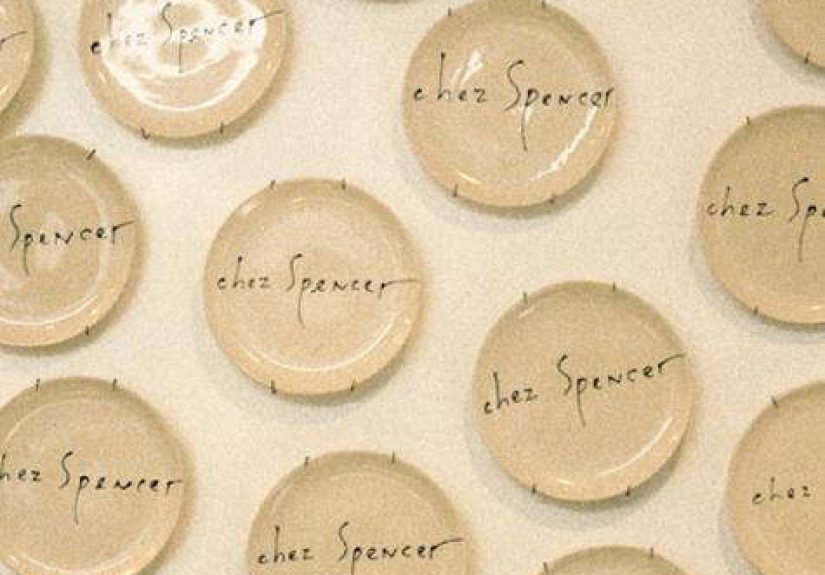
Your plates do not need to match exactly, but they should relate somehow. That common link might be color, glaze, subject matter, material, or mood. Maybe they are all blue and white. Maybe they all feature black script on warm ivory clay. Maybe they all feel slightly imperfect and handmade. Cohesion is what keeps a mixed display from looking accidental.
Let them breathe
Do not crowd the wall. Plates need negative space just like framed art does. A little breathing room allows the typography and shape to register clearly. If your collection is mismatched, looser spacing usually looks better than a rigid grid.
Use asymmetry on purpose
Plate walls often look best when they feel organic. That does not mean sloppy. It means relaxed. An asymmetrical layout can highlight differences in size, lettering, and finish while keeping the composition lively. The eye should travel, not salute.
Mix words with silence
Not every plate in the arrangement needs text. In fact, mixing worded plates with plain ceramics, floral plates, transferware, or abstract hand-painted pieces usually produces a more sophisticated result. A few voices in the choir is lovely. Everybody soloing at once is chaos.
Color, Material, and Style Combinations That Look Expensive
Plates with words can work across many decorating styles, but some combinations have especially strong visual appeal.
- Blue and white ceramics with dark script: timeless, crisp, and easy to mix into traditional or transitional homes.
- Cream stoneware with black handwritten text: warm, relaxed, and perfect for modern rustic or organic interiors.
- Glossy white porcelain with minimal typography: clean and contemporary, especially in smaller kitchens.
- Colorful majolica or cabbageware nearby: excellent for playful contrast if you want your typography plates to feel less serious.
- Antique-style plates mixed with one modern quote plate: a great way to create a collected-over-time look.
If your room already has a lot of pattern, choose quieter lettering and simpler plate shapes. If the room is neutral and spare, a plate with expressive script or saturated glaze can become a focal point. This is where styling becomes less about rules and more about conversation between the object and the room.
How to Hang and Display Them Safely
Beautiful is good. Beautiful and not shattered on the floor is better. The mechanics of hanging matter.
Choose the right plates
Flatter plates are usually easier to hang than deep bowls or very curved pieces. If you are shopping with wall display in mind, check the depth before you fall in love.
Map the layout first
Before hammering anything into the wall, test your arrangement. Use painter’s tape, a measuring tape, and a level. Some decorators also use foil or paper templates to mark placement. Start with the central plate and work outward so the composition stays balanced.
Use reliable hangers
Plate hangers, adhesive disc hangers, plate racks, and strong wall-safe hanging systems can all work, depending on the piece. Just make sure the hardware suits the plate’s size and weight. If the plate is especially valuable, do not improvise with wishful thinking and a random hook you found in a junk drawer.
Consider shelves and stands too
Not every decorative plate has to go on the wall. Easels, plate stands, picture ledges, hutches, glass-front cabinets, and bookshelves can all showcase worded plates beautifully. This option is especially smart for renters or anyone who likes to rotate decor seasonally.
Shopping and Collecting Tips
If you want these accessories to feel collected rather than commercially cloned, slow down the shopping process a little.
- Mix vintage and new. Pair heirloom china or thrifted pieces with modern handmade ceramics.
- Look for artistry in the lettering. The phrase matters, but the visual treatment matters just as much.
- Buy for meaning, not just trend. A plate tied to a memory, meal, city, family joke, or tradition will outlast trend cycles.
- Use food-safe pieces if appropriate. Many beautiful plates can still be used for serving, which adds function to the charm.
- Do not fear patina. Small variations, age, and hand-finished details often make these pieces richer, not worse.
Custom commissions are also worth considering. A local ceramicist can create a plate with a phrase that actually belongs to your life, which is infinitely more compelling than buying one that sounds like it belongs to everyone else’s group text.
Real-Life Experience: Living with Plates That Speak
There is something oddly intimate about decorating with plates that have words on them. A framed print can be lovely, but a plate feels domestic in a deeper way. It carries the memory of meals, gatherings, holidays, routines, and all the little moments that make a house feel inhabited. When you add language to that object, it starts doing emotional work as well as visual work.
In real homes, these plates often become conversation starters long before they become “design elements.” Someone notices one above a shelf and asks where it came from. Another guest laughs at the phrase on a small dessert plate near the coffee machine. A family member points to an old commemorative plate and tells the story behind the date printed on it. Suddenly the room is not just decorated. It is talking back in the friendliest possible way.
That experience is part of why these accessories feel so appealing. They blur the line between art and utility. Even when a plate is used only for display, it still carries the spirit of function. It reminds people of the table, of service, of hospitality. The text adds another layer: a welcome, a memory, a joke, a blessing, a favorite phrase. It is decor with a pulse.
They are also surprisingly adaptable over time. A plate with a witty phrase can live in a kitchen for years, then move to a bar area, then land on a bookshelf in a home office and somehow still make sense. A family-name plate might start in a dining room and later become part of an entry display. A hand-lettered plate bought on vacation can float from shelf to shelf and keep bringing a room that useful little spark of specificity. Good accessories do not just match a room. They grow with it.
And then there is the emotional side of collecting them. Plates with words often feel less intimidating than “serious” art, which means people are more willing to choose pieces that are truly personal. A phrase from your grandmother. A lyric you love. The name of a city that changed your life. A funny sentence only your household understands. These details are what keep a home from looking generic. They are the visual equivalent of inside jokes and handwritten notes.
Of course, the best experiences with this trend come from editing. One meaningful plate can be magical. Twenty generic ones can feel like your walls joined a motivational speaking circuit. The goal is not to turn your home into a ceramic caption contest. The goal is to let a few carefully chosen pieces add warmth, wit, and identity.
That is why plates with words as decor have staying power. They satisfy several design cravings at once: the return of personal interiors, the appreciation for handmade texture, the revival of plate walls and decorative china, and the desire for objects that carry a story. They can be elegant, eccentric, sentimental, or funny. They can be heirlooms or flea-market finds. They can sit quietly on a shelf or take center stage on a wall. Most importantly, they remind us that the best homes are not silent showrooms. They are places with a voice.
And if that voice happens to come from a ceramic plate over the coffee station saying something mildly charming before you have had caffeine, all the better.