Table of Contents >> Show >> Hide
- Why Clear Bins Work So Well
- 1. Seasonal and Holiday Decor
- 2. Off-Season Clothes and Shoes
- 3. Toys and Kids’ Activity Supplies
- 4. Gardening Supplies
- 5. Craft, Office, and Hobby Supplies
- 6. Electronics and Tech Accessories
- 7. Household Utility Items
- 8. Pet Supplies
- 9. Pantry Backstock and Snack Categories
- 10. Toiletries and Personal Care Extras
- 11. Bedding, Towels, and Linens
- How to Use Clear Bins Like a Professional Organizer
- Common Mistakes to Avoid
- The Real-Life Experience of Using Clear Bins at Home
- Conclusion
- SEO Tags
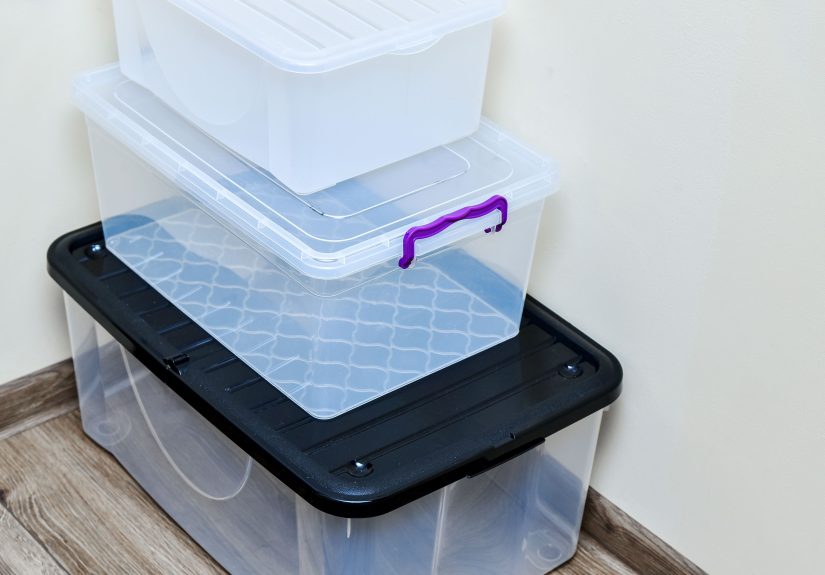
If home organization had a mascot, it would probably be a clear bin: humble, hardworking, and quietly judging that mystery box labeled “misc.” from 2019. Professional organizers love clear storage bins for one simple reason: they make it easier to see what you own, find what you need, and stop buying your fourth pack of batteries because the first three vanished into the household void.
That visibility matters more than people think. Opaque boxes may look tidy from a distance, but they can turn everyday storage into a guessing game. Clear bins, on the other hand, reduce friction. You can scan a shelf, spot what belongs where, and put things back without a dramatic internal monologue. They also make labeling easier, help you group like items together, and can give closets, pantries, bathrooms, and utility spaces a cleaner, more intentional look.
Of course, not everything belongs in a clear bin. Some items do better in breathable baskets, temperature-controlled cabinets, or hidden storage. But for many household categories, clear bins hit the sweet spot between practical and pretty. Here are 11 things a professional organizer would absolutely consider storing in clear binsand how to do it without turning your home into a plastic museum.
Why Clear Bins Work So Well
Before we get into the list, it helps to understand why clear bins are such an organizing favorite. They create instant visibility, which cuts down on duplicate purchases and forgotten items. They make categories easier to maintain because every bin can have one job. They are also useful for shelves, closets, and cabinets where items tend to get pushed to the back and lost forever, right next to the missing tape measure and your faith in junk drawers.
The biggest secret, though, is this: bins are not magic. A clear bin full of random clutter is still random clutteryou can just see it better. The best results come when you declutter first, group like with like, and choose a bin size that actually fits the space.
1. Seasonal and Holiday Decor
Seasonal decor is one of the smartest categories for clear bin storage. Holiday items are used only part of the year, often include small breakable pieces, and tend to multiply when no one is looking. Clear bins make it much easier to sort decorations by season, holiday, color palette, or room.
How to organize it
Use one labeled bin for each holiday or seasonthink “Christmas Lights,” “Halloween Porch Decor,” or “Spring Tabletop.” Add smaller containers inside for fragile ornaments, cords, or hooks. If you store bins in an attic, basement, or garage, choose sturdy lidded versions that stack safely and keep out dust.
2. Off-Season Clothes and Shoes
Sweaters in July and sandals in January take up prime closet real estate for no good reason. Clear bins are ideal for rotating off-season clothing, shoes, scarves, hats, and accessories because they keep items visible while freeing up daily-use space.
How to organize it
Sort clothes by season and by person, then label accordingly. Shoe-size clear bins work well for accessories, while larger under-bed or shelf bins are perfect for folded clothes. If you are storing delicate fabrics long-term, make sure everything is clean and completely dry before packing it away.
3. Toys and Kids’ Activity Supplies
Toy clutter spreads faster than gossip in a group text. Clear bins help kids and adults see what belongs where, which makes cleanup less mysterious and a lot more realistic. They are especially helpful for small toys, building bricks, dolls, action figures, art kits, and sensory-play supplies.
How to organize it
Group toys by type, not by random emotional history. Keep one bin for building toys, one for pretend play, one for puzzles, and one for coloring supplies. When possible, use picture labels for younger children so they can help put items away without needing a translator.
4. Gardening Supplies
Gardening gear is full of small, easy-to-lose items: seed packets, gloves, plant tags, twine, pruners, and mystery fasteners from that tomato cage situation. Clear bins keep all of those pieces together and stop them from drifting into five different corners of the garage.
How to organize it
Create separate bins for seed-starting supplies, hand tools, watering accessories, and plant-care products. A shallow clear bin is especially helpful for seed packets because you can flip through them like a very earthy filing system. Store liquids upright and avoid overpacking bins that you need to carry outside.
5. Craft, Office, and Hobby Supplies
If you craft, scrapbook, sew, bead, paint, journal, or maintain a suspiciously intense sticker collection, clear bins can save your sanity. These supplies are often small, colorful, and oddly shaped, which means they get messy fast. Clear bins let you spot the glitter, tape runner, yarn, or specialty scissors without digging through a drawer like a raccoon on a mission.
How to organize it
Keep categories tight and logical: one bin for paper supplies, one for paint and brushes, one for sewing notions, one for gift wrap tools. If you have a dedicated craft closet, use smaller clear bins inside larger ones to separate subcategories. Your future self will be deeply grateful.
6. Electronics and Tech Accessories
Electronics are notorious for breeding cords. One day you own two chargers; the next day you are guarding a tangled pile of mystery cables and asking whether any of them belong to a camera you no longer own. Clear bins are excellent for occasional-use electronics and all the little accessories that go with them.
How to organize it
Store items by device or function: phone accessories, camera gear, travel tech, spare cords, gaming extras, and batteries. Use zip pouches or smaller compartments inside the bin to keep individual cords from turning into modern art. Label the outside clearly, especially if the bin lives on a high shelf.
7. Household Utility Items
Household utility supplies often end up in the dreaded junk drawer because they do not belong to one glamorous category. Think batteries, light bulbs, command hooks, measuring tape, scissors, zip ties, and extra hardware. These are exactly the kinds of things that should live in a clear bin instead of a chaotic drawer full of old pens and expired coupons.
How to organize it
Use separate bins for “tools and fixes,” “batteries and bulbs,” and “adhesives and hanging supplies.” Keep them in a utility closet, laundry room, or mudroom cabinet. The goal is to create a small home-improvement hub, not a tiny hardware store with trust issues.
8. Pet Supplies
Pets come with more gear than some houseguests. Treats, grooming tools, leashes, poop bags, medications, travel bowls, toys, sweaters, shampoossuddenly your dog has a lifestyle brand. Clear bins are a practical way to corral all of it.
How to organize it
Use one daily-access bin for leashes, wipes, and grooming basics near the entry or mudroom. Create another for backup food, toys, and seasonal pet items. If you have multiple pets, label by pet name or by category to make grab-and-go routines easier.
9. Pantry Backstock and Snack Categories
Pantries benefit enormously from clear bins because visibility helps with meal planning, grocery shopping, and keeping food categories under control. This does not mean you need to decant every pretzel into designer canisters and audition for a streaming makeover show. It simply means bins can help you group like items and use shelf depth more efficiently.
How to organize it
Use clear bins for snack bars, baking supplies, packet mixes, chips, lunchbox items, pasta, or backup pantry stock. Deep pull-out bins are great for shelves where items would otherwise disappear in the back. Label by category and place frequently used foods at eye level.
10. Toiletries and Personal Care Extras
Bathrooms are small, busy spaces, which makes them prime territory for clutter. Backup toothpaste, sunscreen, shampoo, soap, travel-size products, and beauty items pile up quickly. Clear bins make it obvious what you have, what you are actually using, and what has somehow multiplied into six half-open lotions.
How to organize it
Separate everyday-use items from backstock. Under the sink, assign one bin to hair care, one to skin care, one to dental extras, and one to first-aid basics if appropriate for your household. In shared bathrooms, consider giving each family member a labeled bin to reduce morning chaos.
11. Bedding, Towels, and Linens
Linens may seem soft and innocent, but they can become shelf-hogging champions. Clear bins help you sort sheet sets, extra pillowcases, guest towels, seasonal blankets, and table linens without turning the linen closet into a toppling tower of folded regret.
How to organize it
Store sheet sets by bed size, guest towels by use, and seasonal blankets separately. If the bins are going on open shelves, keep the folds neat and labels simple. You will save yourself a surprising amount of time the next time guests arrive and you are not wrestling a fitted sheet that belongs to the wrong mattress.
How to Use Clear Bins Like a Professional Organizer
Want results that look polished and stay functional? Start with these simple rules:
Choose the right size
A bin should fit the shelf and the category. Oversized bins invite dumping. Undersized bins create overflow. Measure first, shop second.
Label every bin
Yes, even though it is clear. Labels remove doubt, speed up cleanup, and help everyone in the house follow the same system.
Group by real life, not fantasy life
Organize for how you actually live. If your family grabs granola bars daily, create a snack bin. If you never do elaborate gift wrapping, do not dedicate half a closet to ribbon ambitions.
Keep daily-use items accessible
Put frequently used bins at eye level or within easy reach. Save high shelves and deep storage for occasional-use categories.
Do not buy bins before decluttering
This is the golden rule. Containers should support your system, not become expensive little monuments to stuff you do not need.
Common Mistakes to Avoid
The most common mistake is using too many bins. Over-containerizing makes spaces rigid and difficult to maintain. Another mistake is mixing unrelated items in the same container just because there was room left over. A half-empty bin is not a problem; a confusing one is.
It is also smart to think about environment. Not every clear plastic bin belongs in high heat or direct sunlight, and not every item should be sealed long-term without airflow. Use common sense, check product guidance, and match the container to the item.
The Real-Life Experience of Using Clear Bins at Home
Here is where clear bins really earn their reputation: not in the first hour after you organize, but in the weeks that follow. A good organizing system is not just pretty on day one. It still works when you are tired, busy, late for work, and trying to find sunscreen, tape, or the extra twin sheets in under thirty seconds.
In real homes, the biggest difference is usually emotional, not visual. People feel calmer when they can open a cabinet and immediately understand what is there. A pantry stops feeling like a black hole. A closet becomes less of a scavenger hunt. A bathroom vanity no longer hides fifteen backup products you forgot you bought. That kind of visibility reduces friction all day long.
Families also tend to maintain clear-bin systems better because the storage is easier to read. Kids can see where the markers go. Partners can find the batteries without sending out a household distress signal. Guests can help put things away without needing a tour and a diagram. The less explanation a system needs, the more likely it is to survive real life.
Another common experience is discovering how much duplicate stuff has been hiding in plain sight. Once everything is sorted into clear bins, patterns jump out immediately. You may realize you own enough light bulbs for a small theater production, or that your “tiny” craft stash is actually a full-blown supply chain. That is not bad news. It is useful information. Organizing is often the first moment people truly see their inventory.
There is also something satisfying about the way clear bins create boundaries without feeling heavy. A shelf full of unlabeled piles can look stressful, even when it is technically clean. A shelf with a few well-sized bins looks intentional. More importantly, it gives each category a limit. When the toy bin is full, you know it is time to rotate or donate. When the toiletry backstock bin overflows, you know you do not need another “just in case” body wash.
That said, the best clear-bin systems are never one-size-fits-all. Some people love decanting and detailed labels. Others do better with broad categories and minimal fuss. The real win is not copying a picture-perfect pantry from the internet. It is building a setup that helps your own household find things faster, waste less space, and keep clutter from quietly staging a comeback.
So if you have been on the fence about clear bins, consider this your sign. Start small. Pick one problem areayour linen closet, pantry, or under-sink cabinetand create a simple, visible system. Once you experience the joy of finding exactly what you need without digging through a pile of “maybe useful” stuff, it becomes very hard to go back.
Conclusion
Clear bins are not just a trend; they are one of the most practical tools for creating an organized home that stays organized. From seasonal decor and off-season clothes to pantry goods, toiletries, pet supplies, and linens, the best candidates for clear-bin storage all have one thing in common: they benefit from visibility, containment, and easy access.
If you want your home organization system to last, focus less on perfection and more on function. Declutter first, create sensible categories, label clearly, and choose bins that match your space and your routines. When you do, clear bins can turn cluttered shelves and chaotic cabinets into storage that actually makes life easierwhich is the whole point, after all.