Table of Contents >> Show >> Hide
- Why This Approval Matters
- What the FDA Approved
- How Nonhormonal Hot Flash Pills Work
- Safety and Monitoring: The Part You Shouldn’t Skip
- How These Pills Compare With Hormone Therapy
- What Patients Should Ask Before Starting a Nonhormonal Hot Flash Pill
- Practical Symptom Support Still Matters
- What This FDA Approval Means for Menopause Care Going Forward
- Experiences and Real-World Scenarios Related to Nonhormonal Hot Flash Pills
- Conclusion
Hot flashes are the uninvited guests of menopause: they show up suddenly, overstay their welcome, and somehow always arrive when you’re trying to sleep, work, or look presentable in public. For years, many women had two frustrating choices: power through the symptoms or consider hormone therapy (which is highly effective, but not right for everyone). Now, the treatment landscape is changing in a big way.
The FDA’s approval of nonhormonal prescription pills for menopausal hot flashes is a major milestone in women’s health. It gives patients and clinicians new options that target the brain pathways involved in temperature regulation, without using estrogen. That matters for people who can’t take hormones, don’t want to take hormones, or simply want another path.
In this article, we’ll break down what the FDA approvals mean, how these new medications work, how they compare with hormone therapy, what safety issues to watch closely, and what real-world experiences often look like when someone starts treatment. If you’ve ever described your body as having a “broken thermostat,” you’re not wrongand science has finally started building better tools for it.
Why This Approval Matters
Menopausal hot flashes (also called vasomotor symptoms) are incredibly common. Many women experience sudden heat, sweating, flushing, and sometimes heart pounding or dizziness. These symptoms can happen during the day or at night (night sweats), which can wreck sleep and leave you exhausted the next morning.
And this isn’t just a minor inconvenience. Hot flashes can affect work, mood, concentration, exercise, intimacy, and overall quality of life. Some women experience them for a short period, while others deal with them for years. That long timeline is exactly why treatment options matter: this is not always a “just wait it out” situation.
Historically, hormone therapy has been the most effective treatment for bothersome hot flashes. But it isn’t the best fit for every patient, especially those with certain medical risks or those who prefer to avoid hormones. The FDA’s approval of nonhormonal pills fills a long-standing gap and gives menopause care a more modern, individualized approach.
What the FDA Approved
The first big step: Veozah (fezolinetant)
Veozah (fezolinetant) was the first FDA-approved neurokinin 3 (NK3) receptor antagonist for moderate to severe hot flashes due to menopause. It was a landmark approval because it introduced a completely different treatment mechanismone that targets temperature regulation pathways in the brain instead of changing hormone levels.
In plain English: Veozah is nonhormonal, but it is not “just another supplement.” It’s a prescription medication designed for vasomotor symptoms, and it works on the specific signaling pathway that contributes to hot flashes. For many patients, that was a big “finally.”
The newer approval: Lynkuet (elinzanetant)
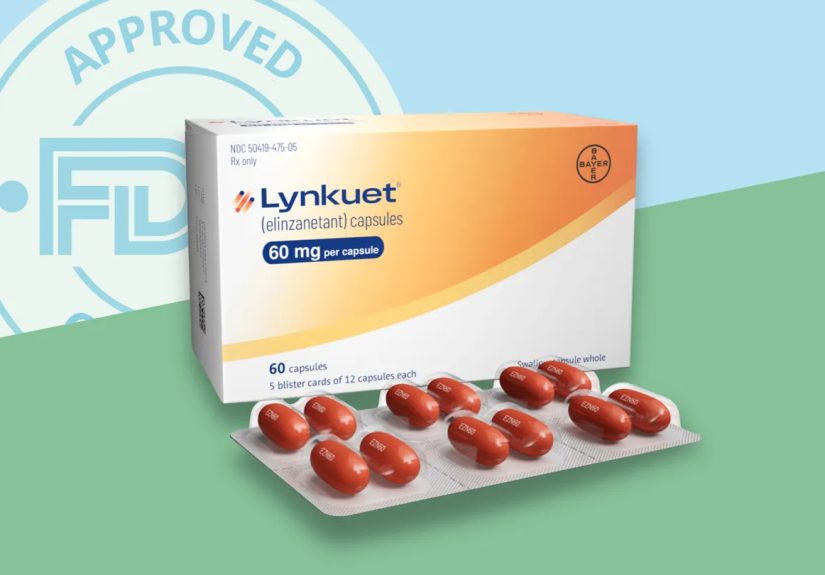
The FDA later approved Lynkuet (elinzanetant), another nonhormonal oral option for moderate to severe vasomotor symptoms due to menopause. This approval matters because it expands the category instead of leaving patients with a single nonhormonal pill choice.
Lynkuet is a neurokinin 1 (NK1) and neurokinin 3 (NK3) receptor antagonist, meaning it targets two related pathways. It is dosed once daily at bedtime, and the prescribing information includes detailed guidance on liver monitoring and drug interactions. In other words, this is not a “lighter” option in the sense of medical supervisionit’s a serious, evidence-based medication that still requires thoughtful prescribing.
Together, these approvals signal a larger shift: menopause care is finally getting the same treatment innovation mindset that many other health areas have had for years.
How Nonhormonal Hot Flash Pills Work
To understand why these medications are exciting, it helps to know what causes hot flashes in the first place. As estrogen levels fluctuate and decline during menopause, the brain’s temperature regulation system becomes more sensitive. Think of your internal thermostat becoming ridiculously dramaticlike it thinks a warm room is a five-alarm fire.
Neurokinin signaling (especially neurokinin B) is part of this process. Medications like fezolinetant work by blocking NK3 receptors in the brain, which helps calm the thermoregulatory center and reduce the frequency and severity of hot flashes. This is one reason these drugs are such an important breakthrough: they target the biology of hot flashes directly, rather than indirectly.
Another key point: these medications do not work like estrogen and are not meant to replace hormone therapy for everyone. They are a different tool for a different need profile. For patients who are not candidates for hormone therapyor who want to avoid hormone exposurethis can be a very welcome option.
Safety and Monitoring: The Part You Shouldn’t Skip
Here’s the part that deserves a highlighter: “nonhormonal” does not mean “no risks.” These are prescription medications, and they require medical oversight.
Veozah safety updates and liver monitoring
Veozah’s prescribing information includes liver-related warnings, and FDA safety communications later strengthened attention to rare but serious liver injury. The updated prescribing guidance includes baseline liver testing before starting treatment and follow-up monitoring at specific intervals. Patients are also advised to stop the medicine and contact their clinician right away if symptoms suggest liver injury (such as fatigue, nausea, itching, jaundice, pale stools, dark urine, or abdominal pain).
This does not mean the medication is unsafe for everyone. It means clinicians and patients need to use it carefully, with the right screening and follow-up. That’s normal for many prescription drugsand especially important when a medicine is used long enough to manage chronic symptoms.
Lynkuet safety considerations
Lynkuet also includes liver-related precautions and recommends baseline bloodwork, including liver function tests, before starting treatment. The prescribing information also calls for follow-up hepatic testing after treatment begins. It specifically advises patients to stop the medication and seek medical attention if symptoms of liver injury appear.
There are also other important considerations with Lynkuet:
- Drug interactions: Some CYP3A4-related interactions matter, including a warning to avoid certain interacting medications and grapefruit products.
- Sleepiness/dizziness: The label warns about somnolence and daytime impairment in some patients.
- Pregnancy risk: Lynkuet is contraindicated in pregnancy.
- Seizure caution: The prescribing information notes seizure-related caution in patients with a seizure history.
The takeaway is simple: nonhormonal does not mean “self-manage without guidance.” These medications can be excellent options, but they should be prescribed and monitored by a qualified clinician.
How These Pills Compare With Hormone Therapy
Hormone therapy is still considered the most effective treatment for menopausal hot flashes for many women. Major U.S. medical resources continue to describe estrogen-based treatment as the gold standard for symptom relief when it is appropriate and safe for the individual.
So why all the excitement about nonhormonal pills? Because “most effective” and “best option for me” are not always the same thing.
A nonhormonal pill may be especially appealing if someone:
- Has a history of certain cancers or clotting risks that make hormone therapy less desirable
- Has personal preferences against hormone treatment
- Wants a prescription option specifically designed for hot flashes without estrogen
- Needs an alternative after trying hormone therapy or other medications
There are also other nonhormonal approaches clinicians may consider, including certain antidepressants (such as low-dose paroxetine and related options used off-label), antiseizure medications like gabapentin, and sometimes blood pressure medications. These options can help, though they may not work as well as hormone therapy for severe symptoms. The important point is that treatment should be tailorednot copied from your neighbor, your sister, or that one friend in a Facebook group who swears frozen grapes cured everything.
What Patients Should Ask Before Starting a Nonhormonal Hot Flash Pill
If you’re considering one of these newer medications, a good appointment can make all the difference. Instead of just asking, “Can I take this?” try asking smarter, more practical questions:
1) Am I a good candidate for nonhormonal treatment?
Your clinician can help compare nonhormonal therapy, hormone therapy, and other options based on your symptoms, medical history, and goals.
2) What lab tests do I need before I start?
This is especially important for liver monitoring. Ask exactly which tests are needed and when they should be repeated.
3) What symptoms should make me stop the medication and call you?
Get a clear list in plain languageespecially possible signs of liver trouble.
4) Are there any medication or food interactions I should know about?
This is a must-ask if you take other prescriptions, supplements, or even grapefruit products regularly.
5) How long should I try it before deciding whether it’s working?
Set expectations. Many women feel better when they know what “normal progress” looks like in the first few weeks.
Practical Symptom Support Still Matters
Even with newer prescription options, symptom management is usually not just about one pill. Lifestyle strategies still help many womensometimes a lot. U.S. health agencies and medical centers commonly recommend practical steps such as dressing in layers, using a fan, identifying triggers (spicy foods, alcohol, caffeine, stress), keeping the bedroom cool, and maintaining a healthy weight.
These tips may sound basic, but basic does not mean useless. Think of treatment like a team sport: medication may be the star player, but sleep habits, stress management, and trigger tracking are still doing important work on the court.
What This FDA Approval Means for Menopause Care Going Forward
The FDA approval of nonhormonal pills for menopausal hot flashes is more than a headlineit’s a signal that menopause care is getting more precise, more evidence-based, and more personalized. That’s long overdue.
For clinicians, it means better shared decision-making. For patients, it means more choices and more hope. And for the larger conversation around women’s health, it means menopausal symptoms are increasingly being treated as real medical issues worthy of innovationnot something women should simply “tough out.”
If you’re struggling with hot flashes, the best next step is not guessing. It’s a conversation with a healthcare professional who can help match the right treatment to your health history and symptom pattern. Because no one should have to schedule their life around surprise internal heat waves.
Experiences and Real-World Scenarios Related to Nonhormonal Hot Flash Pills
The examples below are composite experiences based on common clinical situations and patient-reported patternsnot individual medical records.
One common experience is relief mixed with caution. A patient may feel excited that a nonhormonal option exists, especially if she has spent years avoiding hormone therapy because of personal preference or medical concerns. But that excitement often comes with understandable anxiety: “Is this really safe?” “Will it work for me?” “What if I get side effects?” In practice, many women feel more comfortable once a clinician explains the monitoring plan clearly, especially the liver test schedule and the symptoms that should prompt a call.
Another frequent scenario is the “sleep test.” Many women judge hot flash treatment success not by a symptom diary at first, but by whether they sleep through the night. Night sweats can be the most disruptive part of menopause, so even a moderate reduction can feel life-changing. Patients often describe the early benefit as less dramatic daytime flushing and fewer nighttime wakeups. That may not sound flashy, but better sleep can improve mood, focus, and patience quicklysometimes within the first few weeks.
Some women also discover that medication works best when paired with trigger tracking. For example, a patient might start a nonhormonal pill and still have breakthrough symptoms after wine, spicy takeout, or stressful meetings. Once she notices those patterns, she can make targeted changes instead of feeling like the medicine “failed.” This combination approachprescription support plus trigger managementis often more realistic than expecting perfect symptom control from day one.
There are also experience differences based on medical history. A woman with a breast cancer history may feel especially relieved to discuss nonhormonal options designed specifically for vasomotor symptoms, rather than only trying medications borrowed from other categories. Another patient may prefer hormone therapy after reviewing her risks and benefits and learning it remains highly effective. Both experiences are valid. The real win is having a meaningful choice.
Clinicians, meanwhile, often report that these newer approvals improve the quality of menopause conversations. Instead of a simple “hormones or nothing” discussion, they can offer a more nuanced plan: hormone therapy for some, nonhormonal neurokinin-targeting treatment for others, and alternative nonhormonal options when needed. That tends to reduce frustration and improve follow-through, because patients feel their preferences are being heard.
Finally, many women describe an emotional benefit that doesn’t get enough attention: feeling taken seriously. Menopause symptoms can be brushed off as “normal,” even when they’re deeply disruptive. The arrival of FDA-approved nonhormonal hot flash pills sends a different messagethat these symptoms matter, that treatment innovation is possible, and that women deserve options rooted in real science. For a lot of patients, that validation is almost as important as the prescription itself.
Conclusion
FDA-approved nonhormonal pills for menopausal hot flashes represent a meaningful breakthrough in women’s health. They offer a new path for symptom relief, especially for people who can’t or don’t want to use hormone therapy. The key is smart use: personalized treatment decisions, proper liver monitoring, attention to interactions, and realistic expectations. Menopause care is evolving, and for many women, that evolution is arriving right on time.