Table of Contents >> Show >> Hide
- What Are Meditation Cushions and Pillows?
- Why Meditation Cushions Matter
- Who Should Use a Meditation Pillow?
- How to Choose the Best Meditation Cushion
- Meditation Cushion Shapes: Which One Feels Best?
- How to Sit on a Meditation Cushion Properly
- Best Uses for Meditation Pillows Beyond Meditation
- Are Expensive Meditation Cushions Worth It?
- Common Mistakes People Make When Buying Meditation Cushions
- How to Care for Meditation Cushions and Pillows
- Experiences with Meditation Cushions and Pillows
- Final Thoughts
If you have ever tried to meditate on a hard floor, you already know the truth: inner peace gets a lot harder when your ankle is screaming louder than your thoughts. That is exactly why meditation cushions and pillows have become such popular tools for beginners and longtime practitioners alike. They are not magical enlightenment muffins, but they can make seated practice more comfortable, more stable, and much easier to stick with.
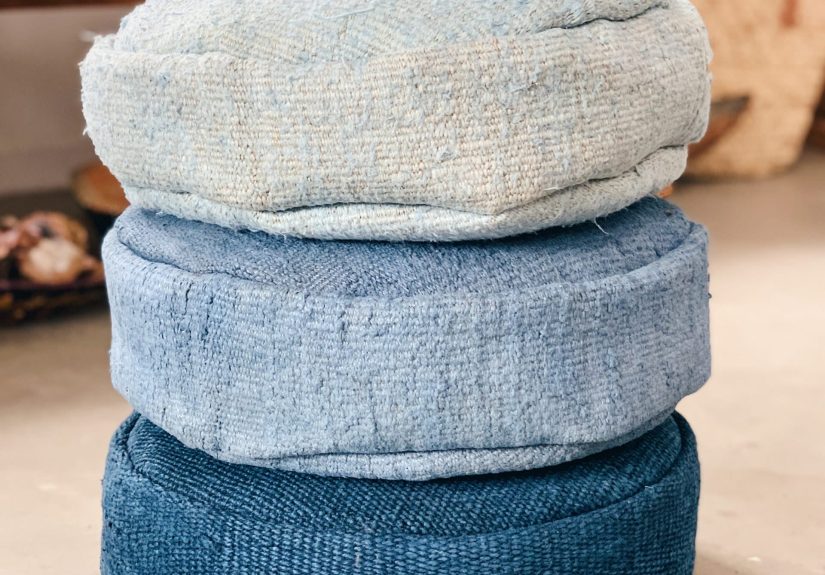
A good meditation cushion helps elevate the hips, support a more natural spinal position, and reduce pressure on the knees, ankles, and lower back. In plain English, it makes sitting still feel less like a punishment and more like something you might actually do again tomorrow. Whether you call them meditation cushions, meditation pillows, zafus, zabutons, bolsters, or “that round thing I keep meaning to use,” these tools can make a real difference in your routine.
This guide breaks down what meditation cushions and pillows are, how they work, which types are best for different bodies and spaces, what materials matter, and how to choose one without turning a simple wellness purchase into a doctoral thesis. If you want a calmer mind and fewer complaints from your hips, you are in the right place.
What Are Meditation Cushions and Pillows?
Meditation cushions and pillows are supportive props designed to make seated meditation more comfortable and sustainable. Their main job is simple: lift and support the body so you can settle into a posture that feels steady, alert, and realistic for your flexibility level.
The most common options include round zafu cushions, crescent-shaped cushions, rectangular support pillows, flat mats called zabutons, and meditation benches. Some people also use yoga bolsters, folded blankets, or even a firm couch pillow in a pinch. Meditation, thankfully, does not require luxury seating. But the right support can make the experience much better.
Common Types of Meditation Cushions
Zafu: A firm, usually round cushion that elevates the hips and helps tilt the pelvis slightly forward. This is the classic meditation cushion you see in studios and serene-looking living rooms online.
Crescent cushion: Similar to a zafu, but shaped with curved edges to give the thighs and legs more room. Many people find this style more comfortable if they sit cross-legged.
Zabuton: A flat mat placed under the cushion or directly under the legs. It adds padding for ankles, feet, and knees, especially on hard floors.
Meditation bench: A low bench often used for kneeling positions. It can be a smart choice for people who do not love sitting cross-legged.
Bolsters and support pillows: These are wider or longer cushions that can be used under the hips, knees, or even behind the back for added support.
Why Meditation Cushions Matter
Meditation itself does not require a cushion. You can meditate on a chair, on a mat, on a folded blanket, or while walking. But many teachers and health sources emphasize that posture should be both comfortable and alert. That balance matters because the body and mind tend to negotiate with each other. If the body is miserable, the mind quickly starts looking for excuses, snacks, or random life regrets.
The best meditation cushions help create a position that supports:
- Better hip elevation
- A taller, more natural spine
- Less compression in the knees and ankles
- Improved stability during longer sessions
- Less fidgeting and fewer posture breakdowns
For many people, the difference is immediate. Sitting flat on the floor can cause the pelvis to roll backward, which often leads to slouching. A cushion gently changes the angle of the hips, helping the spine stack more comfortably. That does not mean you will suddenly sit like a Zen statue carved from perfect discipline, but it can make seated practice feel far more approachable.
Who Should Use a Meditation Pillow?
Almost anyone who practices seated meditation can benefit from some kind of support. Meditation cushions are especially useful for:
- Beginners who are still finding a comfortable position
- People with tight hips or hamstrings
- Anyone whose knees float high off the floor when sitting cross-legged
- Desk workers with stiff backs and cranky hips
- Older adults who want more support
- Meditators building a regular daily habit
That said, a floor cushion is not the only answer. If sitting on the floor causes pain, numbness, or heroic levels of regret, a chair may be the better option. A chair with feet flat on the floor and the spine upright is still an excellent meditation setup. A cushion can even be added to the chair seat or behind the low back for comfort.
How to Choose the Best Meditation Cushion
Buying a meditation cushion is less about aesthetics and more about body mechanics. Yes, the linen one in sage green looks lovely. But if it leaves your knees yelling at you after eight minutes, your enlightenment budget has been mismanaged.
1. Consider Your Sitting Style
Your preferred meditation posture should guide your choice.
If you sit cross-legged in an easy pose, a round or crescent cushion is often a good fit. If you kneel, a meditation bench or a firm cushion may work better. If you switch positions often, a zabuton plus a smaller support pillow gives you flexibility.
People with limited hip mobility often do better with a higher cushion, while those who are more flexible may prefer a lower profile. Height matters more than many shoppers expect.
2. Think About Firmness
A meditation pillow should be supportive, not squishy like a sleepy couch cushion. If it collapses too much under your weight, it will not provide the lift needed for stable sitting. Many popular cushions use buckwheat hull filling because it molds to the body while staying fairly firm. Others use kapok, cotton, foam, or fiberfill.
In general:
- Buckwheat hulls: Firm, adjustable, breathable, and popular for posture support
- Kapok: Lighter and softer, with a springy feel
- Cotton: Dense and stable, often heavier
- Foam or fiberfill: Soft and lightweight, but sometimes less durable for long-term seated support
3. Look for Adjustable Fill
Some of the best meditation cushions come with zippered covers and removable filling. That is useful because “one perfect height for all humans” is not a real thing. Being able to add or remove material helps you fine-tune the cushion to your body and your posture.
4. Don’t Ignore the Cover
A removable, washable cover is not glamorous, but it is smart. Meditation cushions often live on floors, travel to classes, and collect dust, pet hair, and whatever mystery fluff forms in the corners of the universe. Durable fabrics like cotton canvas or linen blends tend to hold up well.
5. Match the Cushion to Your Space
If your cushion will stay in one quiet corner of your home, weight may not matter much. If you plan to carry it to a studio, retreat, or park, portability becomes more important. Some models include handles, lighter fills, or foldable designs for travel.
Meditation Cushion Shapes: Which One Feels Best?
Shape is one of the biggest comfort factors, and personal preference plays a huge role.
Round Zafu
This classic style works well for many people and provides a centered, grounded seat. It is especially useful if you like traditional cross-legged postures and want firm support under the pelvis.
Crescent Cushion
The crescent shape gives your thighs a little more room to slope downward. It is often a favorite for people who want hip support but feel crowded by a fully round cushion.
Rectangular or V-Shaped Cushion
These styles can feel roomier and may better support people who shift slightly during meditation. They can also be useful for restorative poses and general floor sitting.
Zabuton Mat
If your knees or ankles complain on hard floors, a zabuton can be a game-changer. It is not usually the main seat, but it adds comfort under the lower body and pairs beautifully with a zafu. Think of it as the sidekick that quietly saves the day.
How to Sit on a Meditation Cushion Properly
A great cushion helps, but how you use it matters just as much.
- Sit near the front edge of the cushion rather than directly in the middle.
- Let your hips be slightly higher than your knees if possible.
- Tilt the pelvis gently forward so the spine can rise naturally.
- Relax the shoulders and rest your hands on your thighs or lap.
- Choose a leg position that feels stable, not heroic.
- If you feel sharp pain or numbness, adjust.
The goal is not to force a picture-perfect pose. The goal is to find a position you can maintain with ease and attention. A posture that looks impressive but feels terrible is usually a terrible posture.
Best Uses for Meditation Pillows Beyond Meditation
Meditation pillows are surprisingly versatile. A well-made cushion can pull double duty around the house, which is great news for anyone who appreciates a useful object.
- Floor seating for reading or journaling
- Support during breathwork or mindfulness practice
- Extra hip support in gentle yoga
- Knee or ankle cushioning in restorative poses
- Casual seating in a cozy reading corner
In other words, your meditation cushion does not have to sit in a corner waiting for you to become a more disciplined person. It can be part of everyday comfort.
Are Expensive Meditation Cushions Worth It?
Sometimes yes, sometimes absolutely not. Price usually reflects material quality, construction, fill type, design, and washable covers. A, and washable covers. A more expensive cushion may last longer, hold its shape better, and feel more refined. But plenty of moderately priced options work beautifully.
Instead of chasing the fanciest option, focus on:
- The right height for your body
- A supportive filling
- Good shape for your preferred posture
- A durable, washable cover
- Reliable stitching and construction
If you are brand new, you do not need to begin with the meditation equivalent of a luxury sedan. A practical, supportive cushion is enough. Your future serene self will not judge you.
Common Mistakes People Make When Buying Meditation Cushions
Choosing Based Only on Looks
A beautiful cushion is nice. A beautiful cushion that wrecks your knees is less nice.
Buying Too Soft a Pillow
Support matters. If it sinks too much, it will not help posture.
Ignoring Height
People with tighter hips often need more lift than they expect. Too low can mean slouching and discomfort.
Forcing a Floor Setup
If a chair works better for your body, use the chair. Meditation is about practice, not unnecessary suffering.
Skipping a Knee or Ankle Support Layer
Sometimes the solution is not a different seat, but a zabuton or extra padding under the legs.
How to Care for Meditation Cushions and Pillows
To keep your meditation cushion in good condition:
- Use a removable, washable cover when possible
- Vacuum or shake out dust regularly
- Store it in a dry space
- Fluff or redistribute fill as needed
- Check zipper seams and handles if you travel with it often
Buckwheat-filled cushions may also need occasional adjustment as the hulls settle over time. That is normal. Think of it as your cushion getting to know you.
Experiences with Meditation Cushions and Pillows
One of the most interesting things about meditation cushions is how differently people experience them at first. Some beginners sit down on a proper cushion and feel instant relief, like their body has been waiting for this tiny throne all along. Others need a few tries, a few adjustments, and maybe a little humble acceptance that their hips are not as cooperative as they imagined. Both experiences are completely normal.
A common beginner story goes something like this: someone decides to start meditating at home, uses a folded blanket or a random bed pillow, and lasts about six minutes before their back rounds, their knees hover in midair, and their feet begin negotiating an exit strategy. Then they try a firm meditation cushion with a bit of lift under the hips. Suddenly the body feels more balanced. The knees rest lower, the spine stays taller, and the mind is not dragged into a nonstop conversation about discomfort. The meditation itself may still be challenging, but at least the body has stopped filing complaints every thirty seconds.
People who work at desks often describe another pattern. After a long day of sitting in chairs, they expect floor sitting to feel freeing. Instead, they realize how tight their hips and hamstrings have become. For them, a higher zafu, crescent cushion, or even a meditation bench can be a practical turning point. Rather than trying to imitate a picture-perfect lotus pose, they find a setup that lets them breathe normally and sit upright without strain. That shift often makes meditation feel less like a performance and more like an actual recovery ritual.
Experienced practitioners often become oddly specific about what they love. Some swear by buckwheat hull cushions because the fill molds to the body and feels grounded. Others prefer softer kapok because it feels lighter and less rigid. Some people become devoted fans of the zabuton because it saves their ankles on hardwood floors. Others discover that they never needed a traditional floor setup at all and do best with a chair plus a small pillow behind the lower back. The lesson is reassuring: there is no single “right” cushion, only the one that helps your body settle.
Travelers and apartment dwellers have their own perspective. They often want a cushion that is portable, light, and easy to tuck into a corner when guests come over and wonder why the living room suddenly looks like a tiny wellness retreat. For them, a compact crescent pillow or a dual-purpose bolster can be ideal. It supports meditation, works for stretching, and does not dominate the room like a giant foam monument to self-improvement.
There is also an emotional side to these experiences. Many people say that a meditation cushion becomes a cue for practice. Seeing it in the same place each day creates a small ritual. You sit down, your body recognizes the shape, and the mind begins to shift gears. Over time, the cushion stops being just an object and starts functioning like an invitation. Not to perfection, of course. More like a quiet nudge that says, “Sit down, breathe, and maybe stop arguing with your thoughts for ten minutes.”
That may be the real value of meditation pillows. Yes, they support posture. Yes, they can reduce discomfort. But they also make practice feel more intentional and repeatable. And when you are trying to build a habit that depends on showing up regularly, that kind of comfort is not a luxury. It is strategy.
Final Thoughts
Meditation cushions and pillows are simple tools, but they can have an outsized effect on comfort, consistency, and overall enjoyment. The right one helps you sit with more ease, maintain better alignment, and focus on your practice instead of your protesting joints. Whether you choose a round zafu, crescent cushion, zabuton, bench, or chair setup, the best option is the one that works with your body instead of against it.
You do not need a perfect home studio or an advanced yoga pedigree to benefit from a meditation cushion. You just need a support system that makes it easier to show up. Because when your seat stops distracting you, meditation has a much better chance of becoming what it is supposed to be: a pause, a reset, and a little more room to breathe.
: