Table of Contents >> Show >> Hide
- Before You Start: Is Engine Bay Cleaning Actually Necessary?
- Safety Rules (Because Electricity Has No Sense of Humor)
- Tools and Supplies
- Step-by-Step: The Safe, “Low-Water” Engine Bay Cleaning Method
- Step 1: Prep the area (5 minutes)
- Step 2: Cover sensitive components (3 minutes)
- Step 3: Dry clean first (the underrated secret)
- Step 4: Apply cleaner strategically (not everywhere all at once)
- Step 5: Agitate gently (the “toothbrush energy” phase)
- Step 6: Rinse with low pressure (yes, you’re allowed to use water)
- Step 7: Dry like you mean it
- Step 8: Remove covers and inspect
- Step 9: Dress plastics and rubber (optional, but looks amazing)
- Waterless Engine Bay Cleaning (Best for Sensor-Heavy Modern Cars)
- Specific Examples (So You’re Not Guessing)
- Common Mistakes to Avoid
- Aftercare: What to Do Once It’s Clean
- FAQ
- Real-World DIY Experiences (What People Commonly Learn the Hard Way)
Your engine bay is basically your car’s kitchen: it’s where the magic happens, it gets messy fast, and at some point you’ll wonder
what that mystery splatter is and why it looks like it’s auditioning for a crime show.
Cleaning your engine bay can make routine maintenance nicer (no one enjoys grabbing a greasy hood latch), help you spot leaks sooner,
and freshen up your car’s overall vibe. But let’s be honest: it’s also oddly satisfying to pop the hood and see something that doesn’t
resemble the bottom of a deep fryer.
This DIY guide walks you through a safe, low-drama engine bay cleaning methodplus a waterless option for modern cars packed with sensors.
We’ll keep it practical, specific, and friendly to people who prefer “no sparks” as a lifestyle.
Before You Start: Is Engine Bay Cleaning Actually Necessary?
Mechanically, your car doesn’t need a showroom-clean engine bay to run well. Plenty of engines live their best lives while looking like
they just finished a season of off-road reality TV. Still, cleaning can be useful when:
- You’re tracking a fluid leak (fresh leaks show up faster on clean surfaces).
- You’re removing debris (leaves and buildup can trap moisture and grime).
- You’re prepping to sell or trade in (presentation matters, even under the hood).
- You want easier DIY maintenance (less grime on your hands, tools, and soul).
If your engine bay has exposed wiring damage, missing covers, or you’re already dealing with electrical gremlins, consider sticking to a
gentle “wipe-only” approachor letting a pro handle it.
Safety Rules (Because Electricity Has No Sense of Humor)
1) Work on a cool engine
Let the engine cool completely. Spraying cleaner or water on hot components can cause rapid temperature changes, steam, and chemical smells
you didn’t sign up for.
2) Avoid high-pressure water
The biggest risk is forcing water into electrical connectors, sensors, coil packs, fuse boxes, and intake openings. You’re not trying to
power-wash your way into a check-engine-light relationship.
3) Protect sensitive parts
Cover components that really don’t want a surprise bath:
- Alternator (often has venting that can trap moisture)
- Fuse/relay box
- Air intake opening / exposed filter
- Aftermarket electronics (amps, extra wiring, non-factory connectors)
4) Think about runoff
Engine grime often includes oil residue. Avoid letting degreaser and oily water run into storm drains. Use absorbent mats, a drip pan, or do
this on a surface where you can control and clean up runoff responsibly.
Tools and Supplies
You don’t need a fancy detailing cart. Here’s a realistic shopping list:
- Nitrile gloves (your hands will thank you)
- Eye protection (degreaser is not a skincare product)
- Plastic bags + rubber bands/tape (for covering sensitive components)
- Soft detailing brushes (one small, one medium)
- Microfiber towels (a few you don’t mind sacrificing)
- All-purpose cleaner (APC) or engine-safe degreaser
- Low-pressure water source (garden hose with gentle spray nozzle or a pump sprayer)
- Optional: compressed air, leaf blower, or a shop vac (for debris and drying)
- Optional: plastic/rubber dressing or protectant (water-based is easiest and less greasy)
Step-by-Step: The Safe, “Low-Water” Engine Bay Cleaning Method
This method is designed for most modern daily drivers. It uses cleaner + agitation + gentle rinse, not “let’s recreate Niagara Falls under the hood.”
Step 1: Prep the area (5 minutes)
- Park in shade, engine off, and let everything cool.
- Open the hood and remove loose debris (leaves, twigs, mystery acorns) by hand or with a shop vac.
- If your car has a decorative plastic engine cover, consider removing it for a more thorough clean. Set it aside.
Step 2: Cover sensitive components (3 minutes)
Use plastic bags and rubber bands or tape to cover the alternator, fuse box, and any exposed intake opening. Keep it snug, but don’t go so wild
with tape that you need a heat gun to undo your own work.
Step 3: Dry clean first (the underrated secret)
Before liquids touch anything, loosen dirt with a soft brush and blow out dust with compressed air or a leaf blower. Dry cleaning reduces the “mud”
you’d otherwise create when cleaner meets dust.
Step 4: Apply cleaner strategically (not everywhere all at once)
For light dirt: use an all-purpose cleaner diluted per label instructions. For oily grime: use an engine-safe degreaser.
Work in sections (firewall area, strut towers, plastic covers, front radiator support).
- Tip: Avoid soaking belts, exposed filters, and open electrical connectors.
- Tip: Let cleaner dwell brieflylong enough to loosen grime, not long enough to dry like cement.
Step 5: Agitate gently (the “toothbrush energy” phase)
Use brushes to work cleaner into textured plastics and tight corners. A small brush handles clips and seams; a medium brush handles larger plastic panels.
Wipe loosened grime with microfiber towels as you go.
Step 6: Rinse with low pressure (yes, you’re allowed to use water)
Use a gentle spraythink “misty garden,” not “industrial jet.” A pump sprayer filled with clean water is a great way to stay in control.
Rinse from the back of the bay toward the front so you’re not pushing grime deeper into corners.
Step 7: Dry like you mean it
Drying is where people either win or accidentally invent new dashboard warning lights.
- Remove excess water with microfiber towels.
- Blow out crevices with compressed air or a leaf blower (especially around coils, connectors, and seams).
- Let the hood stay open for 15–30 minutes if weather permits.
Step 8: Remove covers and inspect
Take off the plastic bags and check the covered parts for moisture. If anything looks wet, dry it again before starting the car.
Reinstall any engine covers you removed.
Step 9: Dress plastics and rubber (optional, but looks amazing)
A water-based protectant can restore a dark, clean finish to plastic and rubber. Apply to a microfiber towel first, then wipe onto surfaces.
This avoids overspray on belts and painted areas.
Waterless Engine Bay Cleaning (Best for Sensor-Heavy Modern Cars)
If the idea of rinsing near electronics makes your eye twitch, go waterless:
- Dry-remove debris with vacuum/air.
- Spray APC/degreaser onto a towel or brush (not directly onto everything).
- Agitate grime in small sections and wipe clean immediately.
- Use a second damp towel (lightly damp, not dripping) to remove residue.
- Dry with a clean towel and finish with protectant if desired.
This approach is slower but extremely controlledand often plenty for a “daily driver clean” without introducing water risk.
Specific Examples (So You’re Not Guessing)
Example 1: The dusty commuter car
If your engine bay is mostly dust and pollen, skip heavy degreaser. Use diluted APC, light brushing, towel wipe-down, and minimal rinsing (or waterless).
You’ll get a big visual improvement without unnecessary chemical strength.
Example 2: The “tiny oil mist everywhere” situation
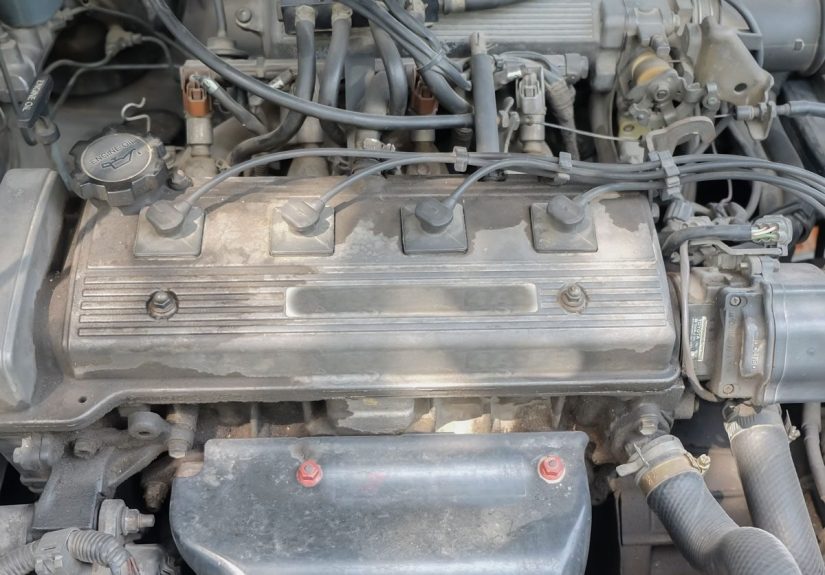
If you see oily film near the valve cover area or around a breather hose, use an engine degreaser in that specific area and wipe thoroughly.
If fresh oil returns quickly after cleaning, the real win is that you’ve made the leak easier to identify and repair.
Example 3: Classic cars and older ignition systems
Classics can have more exposed wiring, older connectors, and distributor components that don’t love moisture. Favor waterless cleaning and gentle hand-wiping.
If you rinse at all, keep it minimal and focus heavily on drying.
Common Mistakes to Avoid
- Pressure washing close-up: High pressure can push water past seals and into connectors.
- Letting degreaser dry: Dried chemical residue looks bad and can stain plastics.
- Spraying protectant everywhere: Overspray can make belts squeal and turn surfaces slippery.
- Ignoring drying time: “It’s probably fine” is how warning lights are born.
- Cleaning a hot engine: Steam + chemicals is not the vibe.
Aftercare: What to Do Once It’s Clean
Start the car and let it idle
Once everything is dry, start the engine and let it idle for a few minutes. You’re listening for normal operation and watching for anything unusual
(rough idle, misfire, warning lights). Most of the time, it’s uneventfulin the best way.
Make it a light routine
A full engine bay detail doesn’t need to happen monthly. For most drivers:
- Every 3–6 months: quick wipe-down, light brushing, remove debris
- Once or twice a year: deeper clean (especially if you live where roads are dusty or salty)
FAQ
Can cleaning the engine bay improve performance?
Not directly. The main benefits are easier maintenance, better leak detection, and improved appearance. If you remove heavy debris that blocks airflow
around cooling areas, you could be helping indirectlybut don’t expect horsepower gains.
Do I need to disconnect the battery?
It’s not always required for a gentle, controlled clean, but it can add safety when you’re working near electrical areas. If you do disconnect it,
follow proper procedures (negative terminal first) and be aware some vehicles may reset certain settings.
What if water gets into something and the car runs rough?
Stop, don’t panic, and focus on drying: open the hood, dry visible moisture, and use compressed air carefully around connectors. Let it sit and dry longer.
If the issue persists, a technician can help diagnose whether moisture got into a connector or ignition area.
Real-World DIY Experiences (What People Commonly Learn the Hard Way)
Even with a solid process, engine bay cleaning has a “learning curve” that’s less like a gentle hill and more like a speed bump you didn’t see at night.
Here are practical experiences DIYers commonly reportso you can steal the wisdom without earning it the dramatic way.
Experience #1: The first time takes twice as long as you think. The engine bay is a maze of plastic covers, brackets, hoses, and tiny gaps
designed by engineers who apparently hate towels. Most DIYers realize quickly that “I’ll just clean it real quick” turns into “I live here now.”
The fix is simple: work in sections and stop trying to clean the entire bay in one heroic push. Do the visible top surfaces first, then the edges, then the
deeper corners. The second time you do it, you’ll be faster because you’ll know where grime actually hides.
Experience #2: Dry cleaning is the cheat code. People are often surprised how much better the bay looks after just removing leaves, dust,
and loose dirtbefore any liquid shows up. Blowing out debris with a leaf blower or compressed air feels almost unfair, like you found a “skip the grind”
button. It also prevents degreaser from turning dust into paste. If you only remember one tip, make it this: remove loose stuff first.
Experience #3: “More degreaser” isn’t the answerbetter targeting is. When someone sees greasy buildup, the instinct is to spray everything.
That often creates extra rinsing and more runoff to manage. DIYers who get great results usually apply degreaser only where it’s needed (near oily spots),
and use a milder APC elsewhere. They also let chemistry do some work: short dwell time, then agitation. In other words, you’re persuading grime to leave,
not challenging it to a wrestling match.
Experience #4: Protectant overspray can cause annoying side effects. A freshly dressed engine bay looks fantasticuntil someone sprays shiny
dressing near belts or pulleys. Then you get squealing, a weird smell, and a moment of existential doubt. The DIYers who avoid this drama apply protectant to
a microfiber towel first and wipe it onto plastics and rubber. It takes longer, but you stay in control and avoid turning critical parts into a slip-and-slide.
Experience #5: Water anxiety is real, and the waterless method is a confidence booster. If you’ve ever seen a modern engine bay packed with
sensors, you understand why some people treat water like it’s forbidden. Many DIYers start waterless, gain comfort, and later graduate to a gentle rinse.
Waterless cleaning also works great for apartment dwellers or anyone without a perfect driveway setup. It’s slower, but it’s calm, controlled, and very hard to
mess up if you avoid soaking connectors.
Experience #6: A clean engine bay makes maintenance feel easier. People often report that once the bay is clean, they check fluids more often,
notice loose clamps sooner, and feel less intimidated by basic upkeep. It’s not magicjust psychology. A tidy space invites attention. And attention is how you
catch small problems before they grow into “Why is my car making that sound?” problems.
Bottom line: the best engine bay cleaning experience is the one where you stay gentle, stay patient, and treat water like a controlled ingredientnot a special
effect. If you do that, your engine bay can look sharp without your dashboard lighting up like a holiday parade.