Table of Contents >> Show >> Hide
- Why Guppy Fry Need Special Care
- Step 1: Move Fry to a Safer Space or Create Dense Hiding Cover
- Step 2: Keep the Water Warm, Stable, and Boring
- Step 3: Use Gentle Filtration That Will Not Turn Fry Into a Cautionary Tale
- Step 4: Feed Small Amounts Several Times a Day
- Step 5: Choose High-Quality Fry Foods
- Step 6: Keep Water Quality Excellent, Not “Pretty Good”
- Step 7: Perform Frequent, Careful Water Changes
- Step 8: Avoid Overcrowding as Fry Grow
- Step 9: Reduce Stress Everywhere You Can
- Step 10: Watch Growth, Body Shape, and Behavior Every Day
- A Simple Guppy Fry Growth Routine
- Common Mistakes That Slow Guppy Fry Growth
- Common Keeper Experiences With Guppy Fry Growth
- Conclusion
Guppy fry are adorable, tiny, and surprisingly dramatic for creatures that weigh about as much as a flake crumb. One day they are born looking like animated commas, and before long you want them growing into colorful, healthy juveniles instead of lingering in the awkward “Are you a fish or a punctuation mark?” stage. The good news is that raising guppy fry is not complicated. The less good news is that they are very good at exposing every shortcut in your aquarium routine.
If you want guppy fry to grow quickly and safely, focus on the basics that matter most: clean and stable water, frequent tiny meals, low stress, gentle filtration, and enough cover to keep them from becoming somebody else’s lunch. Growth is rarely about one miracle food or one magic gadget. It is almost always the result of doing several small things consistently and doing them well.
This guide breaks the process into 10 practical steps, with examples and real-world advice that work for beginners and experienced fish keepers alike. Whether your fry were planned or your guppies simply threw you a surprise nursery party, these steps will help you give them the best start possible.
Why Guppy Fry Need Special Care
Unlike egg-laying fish that hatch tiny and helpless, guppies are livebearers, so their babies are born free-swimming and ready to eat. That makes them easier to raise than many species, but it does not make them invincible. Fry still have tiny mouths, tiny stomachs, and almost no margin for poor water quality. They grow best when food is easy to find, the water stays clean, and the tank feels safe enough for them to spend their energy on growth instead of survival.
Think of baby guppies like athletes at an all-you-can-eat buffet who also happen to be toddlers. They need frequent nutrition, clean surroundings, and a calm environment. Miss one of those, and growth slows down fast.
Step 1: Move Fry to a Safer Space or Create Dense Hiding Cover
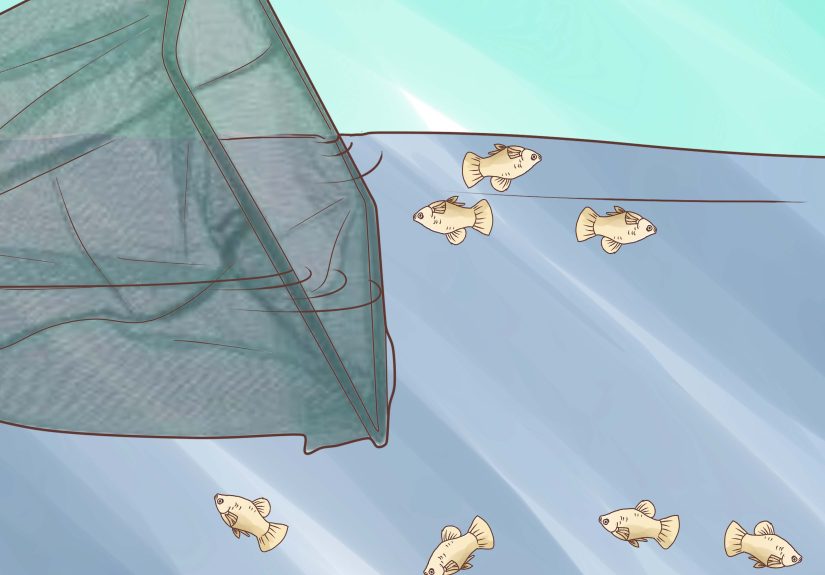
The first challenge is survival. Adult guppies and other tank mates may eat newborn fry, especially in a busy community tank. If you want more fry to make it past day one, either transfer them to a dedicated fry tank or heavily plant the main tank so they can disappear into cover.
A separate grow-out tank is often the easiest way to improve growth. Fry do not have to compete as hard for food, and you can monitor them more closely. If you keep them in the main tank, load the aquarium with dense plants such as guppy grass, hornwort, floating plants with long roots, or thick mosses. Fry use these plant jungles as shelters and snack bars, because microfauna often collect there too.
Do not rely on an empty tank and good intentions. In fish terms, that is basically leaving babies in the middle of a food court.
Step 2: Keep the Water Warm, Stable, and Boring
“Boring” is excellent news in fishkeeping. Guppy fry grow best when the water temperature stays steady, generally in the upper 70s Fahrenheit. Many keepers aim for around 76 to 80 degrees Fahrenheit. The exact number matters less than keeping it consistent. Daily swings stress fry, reduce feeding response, and can slow growth.
Use a reliable aquarium heater if your room temperature changes. Pair it with a thermometer so you are not guessing. Water chemistry should also stay stable. Sudden changes in pH or hardness are more dangerous than a less-than-perfect number that stays consistent. Chasing perfect parameters every day usually creates more problems than it solves.
If you are raising fry in a small tank, stability matters even more because smaller volumes change faster. A five- or ten-gallon setup is much easier to manage than a tiny container that swings wildly after every feeding.
Step 3: Use Gentle Filtration That Will Not Turn Fry Into a Cautionary Tale
Fry need clean, oxygenated water, but they do not need a turbo-powered whirlpool. Strong filter intake can injure them or pull them in, and excessive current forces them to burn energy just to stay in place.
A sponge filter is one of the best options for a guppy fry tank. It offers biological filtration, gentle water movement, and a safer setup for tiny fish. If you use a hang-on-back or internal filter, add a sponge prefilter over the intake so nobody gets vacuumed into the machinery. That is not a growth hack. That is basic baby protection.
Also make sure the tank has surface movement for oxygen exchange, but not so much current that fry look like they are training for a triathlon.
Step 4: Feed Small Amounts Several Times a Day
This is the biggest growth booster of all. Guppy fry do better with multiple tiny meals than one or two large ones. Because their stomachs are so small, they cannot eat much at once. But because they are growing fast, they need steady access to nutrition.
A practical feeding schedule is three to five small feedings a day when possible. That does not mean dumping in food every time you walk past the tank like a well-meaning fish grandma. It means feeding tiny portions that are eaten quickly, with little to no leftovers.
If your schedule is busy, aim for at least morning, afternoon, and evening feedings. Even that can make a noticeable difference compared with once-a-day feeding.
Step 5: Choose High-Quality Fry Foods
The best growth usually comes from protein-rich, size-appropriate foods. Great options include baby brine shrimp, microworms, commercial fry food, and high-quality flakes crushed into a fine powder. Newly hatched baby brine shrimp are especially popular because they are nutritious, easy for fry to spot, and excellent for rapid growth.
For very young fry, particle size matters just as much as nutritional quality. If the food is too large, it might as well be furniture. Crush dry food finely between your fingers, or use a designated fry food with a powdery texture.
As fry grow, you can gradually introduce slightly larger foods. A varied diet often produces stronger growth, better body condition, and more vibrant color development than relying on a single food forever. In other words, even baby guppies appreciate a menu.
Step 6: Keep Water Quality Excellent, Not “Pretty Good”
If food powers growth, water quality makes growth possible. Fry produce waste, uneaten food decays, and small tanks get dirty fast. Ammonia and nitrite should stay at zero. Nitrate should be kept low through regular maintenance. Poor water quality can stunt growth, weaken immune systems, and turn a healthy batch of fry into a slow-motion problem.
Test the water regularly, especially if the tank is new or heavily fed. A cycled aquarium is a huge advantage because the biological filter can process waste more efficiently. If your fry tank is not fully established, monitor it closely and do not assume clear water means safe water. Fish have a rude habit of living in crystal-clear trouble.
A good routine is to siphon out uneaten food and debris, then perform gentle partial water changes on a regular schedule. Always match the new water closely in temperature and condition it properly before adding it to the tank.
Step 7: Perform Frequent, Careful Water Changes
Many aquarists talk about food when discussing fast growth, but experienced keepers often whisper the real secret like it is classified intelligence: water changes. Clean water supports appetite, metabolism, and overall development. In grow-out setups, regular partial water changes are often what separate average results from excellent ones.
For many fry tanks, small and frequent water changes work better than rare dramatic ones. Depending on stocking, feeding, and tank size, that might mean a modest change several times a week. The goal is to remove waste without shocking the fry.
Pour new water in gently. Use airline tubing, a small cup, or pour over your hand or a dish to soften the flow. Fry are small enough to treat a careless refill like a natural disaster documentary.
Step 8: Avoid Overcrowding as Fry Grow
A batch of newborn fry can look harmless at first because they are tiny. Then a few weeks pass, and suddenly your grow-out tank feels like rush hour traffic. Overcrowding slows growth because fish compete harder for food, water quality declines faster, and weaker fry often get pushed to the margins.
As the fry get bigger, be ready to sort them, move some to another tank, or rehome extras when appropriate. More space usually means better growth. Even if the fish survive in a crowded setup, they may not thrive, and “technically alive” is not the gold standard most keepers are aiming for.
Watch for size differences within the same group. Larger fry often dominate food, leaving the smaller ones behind. In some cases, separating fry by size can help the runts catch up.
Step 9: Reduce Stress Everywhere You Can
Fish do not fill out a complaint form when stressed. They just stop growing well, hide too much, eat less, and become more vulnerable to illness. Keep the fry tank in a calm spot away from loud vibrations, direct sun, and constant tapping on the glass. Yes, they are cute. No, they do not want a fan club pressed against the aquarium all day.
Provide cover, maintain a normal day-night cycle, and avoid moving fry around unnecessarily. A stable light schedule helps the tank stay predictable. Too much light can encourage algae and make the environment feel exposed; too little can make feeding harder. Aim for balance.
Also resist the urge to constantly “improve” the setup. Repositioning decorations, changing filters, adjusting temperature, and experimenting with five foods in three days does not create an optimized nursery. It creates chaos with bubbles.
Step 10: Watch Growth, Body Shape, and Behavior Every Day
Healthy guppy fry should stay active, respond quickly to food, and show steady growth over the course of weeks. You do not need to measure each fish like a tiny accountant, but you should notice whether they are filling out, swimming normally, and developing evenly.
Warning signs include clamped fins, stringy waste, hollow bellies, lethargy, gasping at the surface, sudden deaths, or fry that remain unusually tiny for too long. Those problems often point back to the same root causes: poor water, poor food, stress, or crowding.
The earlier you notice issues, the easier they are to fix. In fishkeeping, “I’ll check tomorrow” is sometimes the sentence that creates next week’s headache.
A Simple Guppy Fry Growth Routine
If you want a practical formula, try this:
- Keep fry in a cycled, heated tank with gentle sponge filtration.
- Feed three to five tiny meals daily.
- Use baby brine shrimp, powdered fry food, or crushed quality flakes.
- Remove leftovers and debris quickly.
- Do regular partial water changes with temperature-matched water.
- Provide dense plants and avoid overcrowding.
- Observe the fry every day and adjust before problems snowball.
That routine is not flashy, but it works. Guppy fry do not need luxury. They need consistency.
Common Mistakes That Slow Guppy Fry Growth
Feeding too little
One small daily feeding is usually not enough for fast growth.
Feeding too much at once
Overfeeding fouls the water and creates the opposite of healthy growth.
Using strong filtration without protection
Fast current and unguarded intakes are a bad match for tiny fry.
Skipping water testing
Invisible ammonia and nitrite problems can stall growth long before the tank “looks dirty.”
Leaving fry in a crowded tank too long
Space matters more as fry size increases.
Common Keeper Experiences With Guppy Fry Growth
One of the most common experiences guppy keepers report is that the first batch of fry teaches them more than any care sheet ever could. At first, many people assume the babies will simply eat whatever the adults eat and grow on autopilot. Then they notice that some fry stay tiny, some vanish, and some seem to grow twice as fast as the rest. That is usually the moment when the lesson becomes clear: guppy fry are hardy, but they do best when their care is intentional.
A very typical pattern goes like this. A keeper leaves the fry in a community tank with only a few decorations, figuring nature will sort things out. Nature does sort things out, but not always in the way the keeper hoped. A week later, only a handful of fry remain visible, and the survivors spend most of their time wedged into corners or plant roots. The next time around, the keeper adds guppy grass or floating plants, and suddenly survival improves dramatically. Same fish, same room, very different result.
Another common experience involves feeding. Beginners often start with crushed flakes once or twice a day and wonder why growth seems slow. Then they switch to smaller, more frequent meals and add baby brine shrimp or a better fry food. Within days, the fry start looking fuller in the belly, more active at feeding time, and more even in size. It is one of those changes that feels minor when you do it but obvious when you see the results.
Water changes are another area where practical experience changes people fast. Many keepers are nervous about changing water around tiny fry because they worry about stress. That is understandable. But once they begin doing careful, regular partial changes with matched temperature water, they often notice stronger growth and fewer unexplained losses. In other words, the fry are usually less offended by a gentle water change than by living in their own leftovers.
Small tanks also tend to surprise people. A tiny container seems easier because there is less water to handle, but experienced hobbyists quickly learn that small volumes go bad fast. Uneaten food, waste, and temperature swings hit harder. A slightly larger, cycled grow-out tank with a sponge filter often ends up being easier, safer, and more stable than the “simple” little box setup many people start with.
Perhaps the most relatable experience of all is discovering that the fastest-growing fry are usually not from luck alone. They come from repeatable habits: feeding on time, keeping the water clean, providing cover, and noticing problems early. That is the real rhythm of successful fry raising. It is not glamorous. It is not mysterious. It is consistency wearing aquarium slippers.
Conclusion
If you want to help guppy fry grow, think less about secret tricks and more about daily fundamentals. Give them safety, warmth, gentle filtration, frequent tiny meals, and excellent water quality. Keep the environment calm, provide plant cover, and stay ahead of crowding as they mature. Do that consistently, and your fry will have every opportunity to grow into healthy, colorful guppies.
In the end, raising guppy fry is one of the most rewarding parts of fishkeeping. You get to watch tiny life develop day by day, and the improvements are easy to see when your care is on point. Start with the 10 steps above, keep your routine steady, and your little guppies should reward you by growing like tiny underwater overachievers.