Table of Contents >> Show >> Hide
- The Setup: A Dating App, A Wandering Boyfriend, And One Very Bad Decision
- Why The Internet Ate This Story Up With A Spoon
- Why Catfishing Feels So Potent In Cheating Stories
- The Not-So-Funny Side: Catfishing Is Real, Common, And Often Ugly
- What Counts As Cheating In The Swipe Era?
- Why Betrayal Hits So Hard
- Was This Brilliant Revenge Or Just Very Good Packaging?
- Lessons Hidden Inside The Drama
- Extra: Experiences People Often Share After Similar Betrayals
- Final Takeaway
There are breakups, there are messy breakups, and then there are breakups so cinematically petty that they deserve their own slow clap. This story lands squarely in that last category. A woman discovers her boyfriend is apparently shopping for romance on a dating app while still very much in a relationship. Instead of launching into an all-caps text meltdown or throwing his hoodie out the window like a dramatic raccoon, she does something far more memorable: she catfishes him, lures him to a date, and serves up a line so sharp it could slice through his ego on contact.
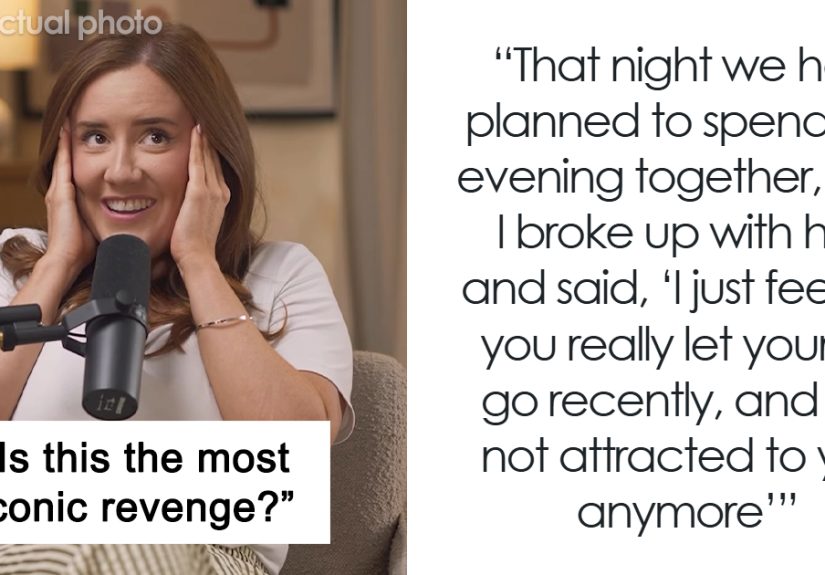
The quote that made the internet sit upright and grin like it had just been handed front-row tickets to chaos? “Sorry, you looked bigger in person.” Brutal. Efficient. Deliciously specific. It is the kind of insult that does not just sting; it unpacks its own folding chair and stays a while.
But what makes this cheating boyfriend revenge story so irresistible is not just the punch line. It is the setup, the symbolism, and the deeply modern mess of betrayal in the age of dating apps, fake profiles, screenshots, and emotional double lives. Beneath the laugh-out-loud revenge lies something more relatable: the sick feeling of realizing someone you trusted has been auditioning for a backup romance while still enjoying the perks of the main role.
So let’s talk about why this story caught fire, why catfishing feels so oddly satisfying in stories about cheating, what it says about online dating culture, and what people in similar situations can actually learn from it besides the obvious lesson that bad behavior plus Wi-Fi is rarely a stable combination.
The Setup: A Dating App, A Wandering Boyfriend, And One Very Bad Decision
As retold in a viral social-media story, the woman spotted her boyfriend on a dating app and realized he was not merely window-shopping in some harmless, abstract sense. He was active. Engaged. Browsing. In other words, acting like a single man while apparently expecting the convenience package of being taken. That discovery alone would be enough to end many relationships on the spot.
Instead, she chose a response with structure. She and her friends created a fake profile, matched with him, and arranged a meetup. He showed up, expecting flirtation and mystery. What he got instead was accountability with a side of humiliation. It was not loud. It was not drawn out. It was basically a master class in saying, “I know exactly what you were doing, and now you know that I know.”
That is why this woman catfishes cheating boyfriend story feels bigger than a standard gotcha moment. It flips the script. The person who thought he was in control of the game discovers he was, in fact, a contestant on a surprise episode of Consequences: Live.
Why The Internet Ate This Story Up With A Spoon
Online audiences love a revenge story when it delivers three things: proof, wit, and timing. This one had all three. The proof came from the boyfriend willingly walking into the trap. The wit came from that now-viral line. And the timing was perfect because digital cheating has become one of the most recognizable relationship betrayals of modern life.
For a lot of readers, this was not just entertaining. It was emotionally legible. People know what it means to suspect a partner is texting someone too often, keeping their phone angled away like it contains state secrets, or behaving a little too invested in validation from strangers online. A dating app profile is not always a smoking gun for a full-blown affair, but it is usually not a cute hobby either.
That shared recognition is what gave the story lift. People were not only laughing at the boyfriend. They were reacting to the familiar pattern: dishonesty dressed up as “it didn’t mean anything,” boundary-crossing presented as harmless curiosity, and cheating culture dressed in the world’s cheapest disguise.
Why Catfishing Feels So Potent In Cheating Stories
It Turns Suspicion Into Proof
One of the hardest parts of infidelity is that it often begins in fog. You notice odd behavior. Your gut starts doing somersaults. You ask questions and get vague answers. Maybe you are told you are imagining things. Maybe you are labeled dramatic. Maybe you start doubting your own instincts, which is its own special brand of emotional nonsense.
In stories like this, catfishing cuts through the fog. It creates a clear, undeniable moment. The cheating partner makes a choice, and that choice is visible. No philosophical debate about intentions. No courtroom-style cross-examination over whether a flirty message “counts.” Just action. That is part of why these stories feel so satisfying to readers. They replace ambiguity with certainty.
It Flips The Power Dynamic
Cheating is not just about sex or secrecy. It is also about power. The person hiding behavior controls the information. They decide what the other partner knows, when they know it, and how much confusion is allowed to linger in the room. That imbalance can feel maddening.
A revenge setup like this temporarily reverses that imbalance. Suddenly the dishonest partner is the one walking into uncertainty. He thinks he is choosing. In reality, the choice has already exposed him. That reversal is catnip for an internet audience because it feels like justice with better pacing.
It Gives Betrayal A Storybook Ending
Real heartbreak is rarely neat. Most betrayals do not end with a flawless exit line and applause from the comments section. They end with tears, logistical headaches, silent drives home, and the deeply unglamorous task of changing passwords while wondering whether you ignored too many red flags.
That is precisely why stories like this go viral. They offer what real life often does not: a clean scene, a satisfying punch line, and an ending where the injured person looks composed instead of crushed. It is not that revenge magically heals betrayal. It is that good revenge stories momentarily make betrayal look beatable.
The Not-So-Funny Side: Catfishing Is Real, Common, And Often Ugly
As funny as this story is, the broader subject behind it is not always harmless theater. Catfishing is a real form of online deception, and in many cases it is tied to emotional manipulation, financial scams, identity misuse, sextortion, or prolonged psychological harm. Romance scams in particular have become a serious online safety problem, which is one reason stories involving fake identities hit such a nerve.
That matters because this revenge story worked in part due to a controlled setup with a known target. In the wild, fake profiles are often used by strangers to exploit trust, collect intimate details, pressure people into sending explicit images, or build emotional dependency before asking for money. Translation: a fake profile may look like flirting, but it can turn into fraud wearing cologne.
Online dating itself is not the villain here. Plenty of people meet genuine partners through apps. The problem is that digital intimacy moves fast. It can create a false sense of closeness before someone’s real character has had time to catch up. Add secrecy, ego, loneliness, boredom, or plain old entitlement, and suddenly you have a recipe for deception seasoned with push notifications.
What Counts As Cheating In The Swipe Era?
This is where modern relationships get sticky. For some couples, cheating begins with physical contact. For others, it starts much earlier: a hidden profile, late-night flirting, deleted chats, private jokes, emotional intimacy reserved for someone outside the relationship, or repeated “innocent” attention-seeking from strangers.
That is why so many readers saw this boyfriend’s behavior as a clear violation. A person does not usually create or maintain an active dating profile out of pure academic curiosity. They are signaling availability, seeking novelty, or testing alternatives. None of that tends to scream devotion.
Experts often describe emotional cheating as the kind of outside connection that starts draining honesty, time, and intimacy from the actual relationship. And that is the thing: the betrayal is not always just the act itself. It is the concealment. It is the split-screen life. It is the feeling that one partner has been quietly exiting while still expecting the comforts of staying.
Why Betrayal Hits So Hard
People who have been cheated on often describe the aftermath in language that sounds less like simple sadness and more like shock. That makes sense. Betrayal destabilizes the story you thought you were living in. It can make old conversations feel suspicious, good memories feel counterfeit, and your own judgment feel suddenly negotiable.
You are not only grieving the person. You are grieving the version of the relationship you believed was real. That is why people swing between anger, humiliation, grief, numbness, and the sudden urge to reread messages like they are decoding an ancient prophecy. The emotional fallout can be intense even when the relationship itself had cracks long before the reveal.
Which brings us back to why pro revenge stories feel so cathartic. They compress a messy emotional experience into a single triumphant moment. They do not erase the pain, but they do hand the hurt person one thing betrayal tries to steal: dignity.
Was This Brilliant Revenge Or Just Very Good Packaging?
Honestly, both.
As a piece of storytelling, it is perfect. As an act of revenge, it is memorable because it avoids some of the usual traps. There is no property destruction, no endless public ranting, no chaotic attempt to “win him back,” and no exhausting lecture in which the liar gets to keep pretending he is confused. It is simple: you betrayed the relationship, you got caught, and now the curtain is down.
There is also something quietly smart about the insult itself. “Sorry, you looked bigger in person” is not just mean for the sake of being mean. It mirrors the shallow app-based language of attraction and throws it back at him. He reduced intimacy to swiping, appearances, and options, and she answered in the same dialect, only sharper.
Still, worth saying: not every betrayal needs a revenge plot. Sometimes the most powerful response is boring in the best way. Leave. Block. Tell the truth to yourself. Decline the sequel. Emotional peace is not as meme-worthy as a gotcha moment, but it travels better in the long run.
Lessons Hidden Inside The Drama
If You Feel Crazy, Check The Pattern
Many people ignore early discomfort because they do not want to seem controlling, insecure, or paranoid. But noticing repeated secrecy is not paranoia. It is observation. If a partner becomes protective of their phone, contradictory in their stories, weirdly flirtatious online, or defensive over perfectly reasonable questions, the issue is not your curiosity. The issue is the pattern.
Do Not Let A Liar Grade Your Reality
One of the cruelest side effects of cheating is self-doubt. People start asking whether they overreacted, misunderstood, or somehow caused the dishonesty by being too busy, too trusting, too boring, too something. No. A person can be unhappy in a relationship and still choose honesty. Betrayal is not a communication style.
Public Validation Feels Good, But Private Clarity Matters More
The internet loves a victorious ending, but your actual life is not a comments section. What matters after a betrayal is not whether strangers think your revenge was iconic. It is whether you can move forward with a nervous system that is not still living in detective mode. That usually means boundaries, support, and a clean break from people who make lying look casual.
Extra: Experiences People Often Share After Similar Betrayals
Stories like this go viral because they echo real experiences many people quietly carry. One common experience is the strange split between instinct and evidence. Someone senses for weeks that a partner is off, but nothing feels concrete enough to confront. The phone flips over when they walk in. Notifications are silenced. A once-chatty partner becomes oddly polished, like every answer has gone through legal review. The injured person starts feeling ridiculous for noticing, yet also unable to relax. When the truth finally appears, the first emotion is not always anger. Sometimes it is relief. Relief that their intuition was not broken. Relief that the confusion finally has a name.
Another experience people describe is embarrassment, which is unfair but common. They are not embarrassed because they cheated; they are embarrassed because they trusted. They replay affectionate moments and wonder whether they were the only one in the room taking the relationship seriously. They may feel foolish for missing clues or for defending the partner to friends. In reality, trust is not stupidity. Trust is the basic material relationships are made of. The shame belongs to the person who abused it, not the person who offered it.
There is also often a period of obsessive reconstruction. People revisit timelines, messages, vacations, random Thursdays, and weird little comments that did not make sense at the time. A single dating profile or flirtation can make months of memories feel unstable. That mental spiral is exhausting, but it is also understandable. The brain wants to rebuild a map after discovering it has been given false directions. Eventually, though, most people realize that not every detail needs solving. Sometimes the central truth is enough: the relationship stopped being emotionally safe.
Many also talk about the temptation to compete with the fantasy. They compare themselves with whoever was on the app, in the messages, or behind the flirtation. Was she prettier? Was he younger? Was I not exciting enough? But cheating rarely begins because one partner encountered a superior human specimen shimmering under nightclub lighting. More often it begins with entitlement, insecurity, escapism, poor boundaries, or a hunger for validation. In other words, the betrayal says more about the cheater’s character than the betrayed person’s value.
And then there is the aftermath nobody glamorizes: rebuilding ordinary peace. Sleeping through the night again. Eating normally. Going a full day without checking whether the ex viewed your story. Laughing with friends without the breakup sitting at the table like an uninvited guest. People who get through betrayals often say healing did not arrive as one majestic breakthrough. It arrived in tiny, almost rude increments. A morning that felt lighter. A memory that hurt less. A sudden realization that they no longer wanted an explanation from someone who lied with a straight face. That is the real revenge most people eventually choose: becoming unavailable to the chaos that once convinced them to question themselves.
Final Takeaway
The reason this woman catfishes cheating boyfriend story works so well is that it delivers what betrayal so often withholds: clarity. It is funny because it is precise. It is satisfying because it exposes a person who thought he could divide his life into secret tabs and never get caught with the browser open.
But the deeper reason people love it is simpler. It reminds anyone who has ever been lied to that they are not powerless, not ridiculous, and not obligated to stay in a relationship where honesty has quietly left the building. Whether your version of closure looks like a viral one-liner, a silent exit, or a group chat full of friends helping you reclaim your sanity, the point is the same: once trust is treated like disposable packaging, the relationship usually is too.
And if a cheating partner ever complains that the breakup was harsh, well, they can always try matching with accountability next time. I hear it has excellent long-term potential.