Table of Contents >> Show >> Hide
- Why This Chicken Gyoza Recipe Works
- Ingredients for Japanese Pan-Fried Chicken Gyoza
- How to Make Chicken Gyoza
- Chicken Gyoza Recipe Tips for Better Texture and Flavor
- Common Mistakes to Avoid
- What to Serve with Japanese Chicken Gyoza
- How to Freeze and Reheat Chicken Gyoza
- Easy Variations on This Gyoza Recipe
- Conclusion
- Cooking Experiences Related to Japanese Pan-Fried Chicken Gyoza Recipe
- SEO Tags
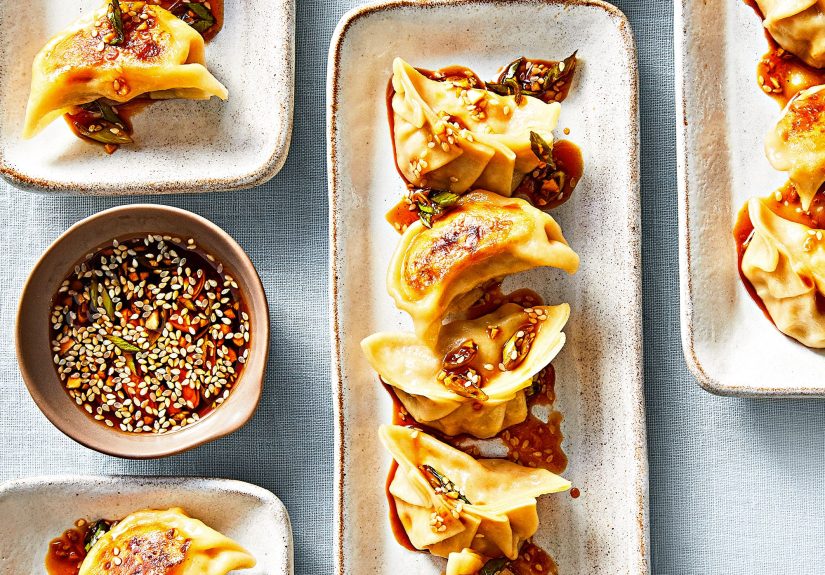
There are two kinds of people in this world: people who casually order gyoza, and people who order gyoza, then immediately start eyeing everyone else’s plate like a dumpling detective. If you fall into the second category, welcome home. This Japanese pan-fried chicken gyoza recipe gives you everything you want from restaurant-style dumplings: crisp golden bottoms, tender wrappers, juicy filling, and a dipping sauce that disappears suspiciously fast.
Unlike some weekend cooking projects that quietly turn into a full-time job, homemade chicken gyoza is surprisingly doable. The trick is not culinary wizardry. It is balance. You want a flavorful filling that is moist but not watery, wrappers that seal without drama, and a pan-fry-plus-steam method that creates that classic potsticker texture. Once you get the rhythm down, this recipe becomes one of those “I should make a double batch” situations.
If you have never made gyoza before, do not panic. Your first few may look a little abstract. That is fine. Dumplings do not need to win beauty pageants to taste amazing.
Why This Chicken Gyoza Recipe Works
This version keeps the spirit of classic Japanese gyoza while using ground chicken for a lighter, cleaner-tasting filling. Chicken plays especially well with napa cabbage, scallions, garlic, ginger, soy sauce, and sesame oil. The result is savory, fragrant, and juicy without feeling heavy.
Pan-fried chicken gyoza also checks a lot of boxes for home cooks. It is budget-friendly, freezer-friendly, crowd-friendly, and suspiciously good as both an appetizer and dinner. Add rice, cucumber salad, miso soup, or a pile of sautéed greens, and suddenly your kitchen feels like the smartest table in town.
Ingredients for Japanese Pan-Fried Chicken Gyoza
For the filling
- 1 pound ground chicken
- 2 cups napa cabbage, very finely chopped
- 1 teaspoon kosher salt, divided
- 3 scallions, finely sliced
- 2 cloves garlic, minced
- 1 tablespoon fresh ginger, grated
- 2 tablespoons soy sauce
- 2 teaspoons toasted sesame oil
- 1 teaspoon rice vinegar
- 1 teaspoon cornstarch
- 1/4 teaspoon white pepper or black pepper
- 30 to 35 round gyoza wrappers
For cooking
- 1 to 2 tablespoons neutral oil, such as avocado or vegetable oil
- 1/4 to 1/3 cup water per batch
For the dipping sauce
- 3 tablespoons soy sauce
- 2 tablespoons rice vinegar
- 1 teaspoon toasted sesame oil
- 1 teaspoon chili crisp or chili oil, optional
- 1 scallion, thinly sliced, optional
How to Make Chicken Gyoza
1. Prep the cabbage like you mean it
Place the chopped napa cabbage in a bowl and sprinkle it with 1/2 teaspoon salt. Let it sit for 10 minutes. This step draws out excess moisture, which helps prevent a soggy filling. After that, squeeze the cabbage firmly in a clean kitchen towel or with your hands until most of the liquid is gone. It is not glamorous, but neither is biting into a wet dumpling.
2. Mix the filling
In a large bowl, combine the ground chicken, squeezed cabbage, scallions, garlic, ginger, soy sauce, sesame oil, rice vinegar, cornstarch, white pepper, and remaining 1/2 teaspoon salt. Mix until the filling looks cohesive and slightly sticky. That sticky texture is exactly what you want because it helps the filling hold together and stay juicy as the gyoza cooks.
If your chicken is very lean, add 1 teaspoon of neutral oil or 1 teaspoon of chicken broth to keep the filling tender. You want moist, not mushy.
3. Fill and fold the gyoza
Set up a little dumpling station with wrappers, filling, a small bowl of water, and a tray lined with parchment. Place one wrapper in your palm and spoon about 1 teaspoon of filling into the center. Dip a finger in water and lightly moisten the edge of the wrapper. Fold it into a half-moon and press to seal, pleating one side if you want that classic gyoza look.
Repeat with the remaining wrappers. Keep the finished dumplings covered with a slightly damp towel so the wrappers do not dry out while you work.
4. Pan-fry, steam, then crisp
Heat a large nonstick or well-seasoned skillet over medium heat. Add a little oil, then arrange the gyoza flat-side down in a single layer. Let them cook undisturbed for 2 to 3 minutes, or until the bottoms are lightly golden.
Carefully add 1/4 to 1/3 cup water to the pan and cover immediately. The pan will hiss and sputter like it has strong opinions. That is normal. Steam the gyoza for 4 to 5 minutes, or until the wrappers are tender and the filling is cooked through.
Remove the lid and let the remaining water evaporate. Cook for 1 to 2 minutes more so the bottoms crisp up again. The filling should reach 165°F for safe cooking. Transfer to a plate and repeat with the rest.
5. Stir together the dipping sauce
Mix the soy sauce, rice vinegar, sesame oil, and chili crisp in a small bowl. Add sliced scallions if you like. The sauce should taste salty, tangy, and just a little nutty, with enough punch to make the gyoza feel like they dressed for the occasion.
Chicken Gyoza Recipe Tips for Better Texture and Flavor
Do not skip the cabbage squeeze. This is one of the biggest differences between decent dumplings and excellent ones. Too much water in the filling softens the wrappers and weakens the seal.
Use store-bought wrappers. Homemade wrappers are lovely, but store-bought gyoza wrappers make this a realistic recipe for normal humans with normal schedules.
Do not overfill. More filling is not more love. More filling is usually a busted dumpling.
Keep the heat moderate. If the pan is too hot, the bottoms burn before the filling cooks. If it is too low, you miss out on that beautiful crisp base.
Cook in batches. Crowding the pan creates steaming before browning, and nobody invited bland, pale dumplings to dinner.
Common Mistakes to Avoid
- Using watery vegetables: Always salt and squeeze the cabbage.
- Leaving air pockets: Press out excess air when sealing so the dumplings stay neat and cook evenly.
- Moving them too early: Let the bottoms set before trying to shift them in the pan.
- Skipping the cover: Pan-fried gyoza is also steamed gyoza. That covered stage is how the filling cooks through.
- Serving without sauce: Technically legal, emotionally incorrect.
What to Serve with Japanese Chicken Gyoza
This Japanese pan-fried chicken gyoza recipe fits into all kinds of meals. Serve it with steamed rice and cucumber salad for a simple dinner. Add miso soup and edamame for a more complete spread. If you want a fun party situation, pair the gyoza with spicy mayo, ponzu, seaweed salad, and cold noodles.
You can also turn these dumplings into a weeknight meal board. Pile them next to shredded cabbage, pickled carrots, sliced cucumbers, and a couple of sauces. It looks impressive, tastes great, and makes everyone think you are much more organized than you really are.
How to Freeze and Reheat Chicken Gyoza
One of the best things about homemade gyoza is that you can freeze them uncooked. Arrange the folded dumplings in a single layer on a parchment-lined tray and freeze until firm. Then transfer them to a freezer bag or airtight container. This keeps them from sticking together and gives future you a very thoughtful gift.
Cook frozen gyoza straight from the freezer. Do not thaw them first. Just add an extra minute or two during the steaming stage. That means homemade chicken gyoza can go from freezer to skillet to plate with very little fuss, which is exactly the kind of culinary energy most weeknights deserve.
If you have leftovers, refrigerate them and reheat in a skillet with a splash of water to bring back some tenderness and crispness. The microwave works, but it will soften the bottoms. Sometimes convenience wins, but the skillet still gives the better encore.
Easy Variations on This Gyoza Recipe
Add mushrooms
Finely chopped shiitake mushrooms add extra savoriness and depth. Just cook off their moisture first.
Use garlic chives
If you can find them, garlic chives bring a more traditional gyoza flavor than regular scallions.
Make a crispy lace skirt
For a dramatic dumpling moment, add a thin slurry of water with a little cornstarch and flour during the steaming stage. It can create a delicate, crackly skirt underneath the gyoza. It is a little extra, but in a good way.
Turn up the heat
Add chili oil, chili crisp, or a pinch of red pepper flakes to the filling or the sauce if you like a spicier bite.
Conclusion
This Japanese pan-fried chicken gyoza recipe proves that homemade dumplings do not need to be intimidating. With a flavorful chicken filling, properly prepped cabbage, store-bought wrappers, and the classic pan-fry-steam-crisp method, you get gyoza that are juicy inside, golden underneath, and deeply satisfying all around. They are perfect for a cozy dinner, a make-ahead freezer stash, or a casual gathering where everyone mysteriously hovers near the plate.
Best of all, this recipe leaves room for fun. You can keep it classic, add mushrooms, play with sauces, or go full crispy-skirt mode when you are feeling ambitious. Once you make them once, you will understand why gyoza tends to disappear faster than anyone at the table is willing to admit.
Cooking Experiences Related to Japanese Pan-Fried Chicken Gyoza Recipe
The first time I made chicken gyoza at home, I learned an important truth: folding dumplings is part cooking, part craft project, and part personality test. The first five looked respectable. The next five looked like they had been folded during a minor earthquake. By the second batch, though, something clicked. The pleats got tighter, the filling stopped escaping, and the kitchen started smelling like garlic, ginger, and toasted sesame oil in the best possible way.
What makes the experience so memorable is that gyoza cooking feels interactive. It is not just about getting dinner on the table. It creates a rhythm. Chop the cabbage. Mix the filling. Set out the wrappers. Dip your finger in water. Pleat, pinch, repeat. It is the kind of kitchen task that slows you down just enough to be enjoyable without becoming fussy. If you cook with family or friends, it gets even better. One person fills, one person folds, and one person acts like the quality-control manager by “testing” the first crispy batch.
Chicken gyoza is also a great confidence-building recipe for newer home cooks. The ingredient list is approachable, and even if your dumplings are not all identical, they still taste fantastic. That matters. Not every recipe has to look camera-ready to be a success. In fact, slightly uneven homemade gyoza often feels more charming. It says, “Yes, these were made by actual humans, not a dumpling robot with excellent posture.”
Another thing people love about this recipe is how flexible it is in real life. Sometimes you make the full project on a Sunday afternoon and freeze half for later. Sometimes you throw together a quick batch on a weeknight because you already have wrappers and ground chicken in the fridge. Sometimes the dipping sauce becomes the star because someone adds a little too much chili crisp and suddenly refuses to share. All of those versions count as wins.
There is also something deeply satisfying about that moment in the pan when the dumplings go from pale and soft to crisp and golden on the bottom. It feels like kitchen magic, even though it is really just smart technique. The lid comes off, the steam clears, and there they are: glossy, sizzling, and ready to vanish. That contrast between the crispy base and the juicy filling is what keeps people coming back to homemade gyoza again and again.
For many cooks, chicken gyoza becomes more than a recipe. It becomes a habit. A freezer backup plan. A dinner-party trick. A comfort food with just enough hands-on work to feel rewarding. Once you make it a few times, you stop thinking of dumplings as restaurant-only food and start seeing them as one of the most useful things you can make at home. And honestly, that might be the most delightful part of the whole experience.