Table of Contents >> Show >> Hide
- Why Patio Shade Matters More Than You Think
- 30 Patio Shade Ideas for a Cooler, Better-Looking Backyard
- 1. Add a Classic Market Umbrella
- 2. Upgrade to a Cantilever Umbrella
- 3. Use Two Matching Umbrellas for Balance
- 4. Install a Retractable Awning
- 5. Choose a Motorized Awning for Convenience
- 6. Hang a Shade Sail
- 7. Layer Multiple Shade Sails
- 8. Build a Pergola
- 9. Add a Pergola Canopy
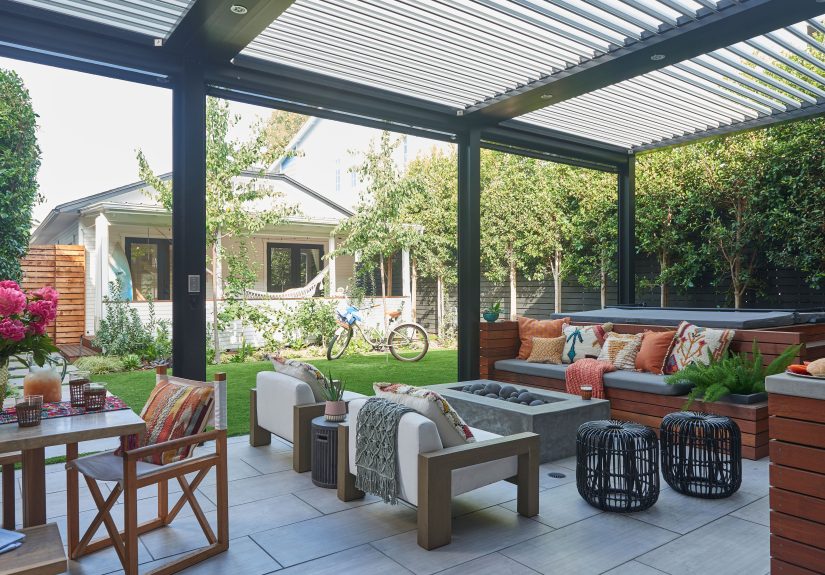
- 10. Install a Louvered Pergola
- 11. Train Vines Over a Pergola
- 12. Bring in Outdoor Curtains
- 13. Use Roll-Down Outdoor Shades
- 14. Add a Gazebo for Full Coverage
- 15. Choose a Hardtop Gazebo for Durability
- 16. Try a Pop-Up Canopy for Flexible Shade
- 17. Create Shade with a Covered Patio Roof
- 18. Extend the Roofline from the House
- 19. Build a Slatted Wood Roof
- 20. Use Bamboo or Reed Panels
- 21. Install an Arbor Over a Small Patio Nook
- 22. Use Tall Planters with Small Trees
- 23. Plant Shade Trees Strategically
- 24. Frame the Patio with Tall Shrubs
- 25. Create a Green Wall with Trellises
- 26. Add a Cabana Feel with Draped Fabric
- 27. Shade a Daybed or Lounge Chair
- 28. Combine Shade with a Screened Structure
- 29. Layer Shade Elements Together
- 30. Match the Shade Style to Your Home
- How to Choose the Best Patio Shade Solution
- Real-Life Patio Shade Experiences and Lessons Learned
- Final Thoughts
If your patio feels less like an outdoor oasis and more like a frying pan with throw pillows, you are not alone. A little shade can turn a too-hot slab of concrete into the most popular “room” at your house. It can make outdoor dining more comfortable, protect furniture from harsh sun, and give your backyard that polished, magazine-worthy look without forcing everyone to squint through lunch.
The good news is that patio shade ideas come in every style, budget, and commitment level. Some are quick weekend fixes. Others are more permanent upgrades that make your patio feel like a true extension of your home. From umbrellas and pergolas to curtains, vines, and clever layered solutions, the best setup depends on how you use your space, how much sun you get, and whether you want “easy and breezy” or “I basically built a resort in my backyard.”
Below, you will find 30 patio shade ideas to help you maximize your outdoor space, improve comfort, and make your backyard look far more intentional than “we dragged two chairs outside and hoped for the best.”
Why Patio Shade Matters More Than You Think
Shade does more than block sunshine. It helps define your patio as an outdoor living area, improves comfort during the hottest part of the day, and can add privacy, texture, and architectural interest. Smart shade choices can also help you tailor your patio to the way you actually live, whether that means hosting dinner parties, reading outside with coffee, or keeping the dog from melting into the pavers.
Before you choose a solution, think about three things: where the sun hits your patio, how permanent you want the structure to be, and whether you need flexibility. Morning sun, afternoon sun, wind exposure, furniture layout, and local climate all matter. The best patio shade ideas are not just pretty; they are practical.
30 Patio Shade Ideas for a Cooler, Better-Looking Backyard
1. Add a Classic Market Umbrella
A market umbrella is the fastest way to get instant shade over a dining table or small seating area. It is affordable, easy to swap out, and ideal if you want something low-commitment. Choose a size that properly covers the furniture underneath so your guests are shaded, not just the cheese board.
2. Upgrade to a Cantilever Umbrella
If you hate center poles getting in the way, a cantilever umbrella is your friend. Because the support sits off to the side, you get more usable space below. It is especially helpful for lounge zones, sectional sofas, or patios where furniture layouts change often.
3. Use Two Matching Umbrellas for Balance
On larger patios, one lonely umbrella can look like it lost the group project. Two matching umbrellas create symmetry and spread shade more evenly across a long dining table or dual seating zones. It is functional and stylish, which is the patio equivalent of having great hair and a reliable toolkit.
4. Install a Retractable Awning
A retractable awning gives you flexibility when you want sun in the morning and shade in the afternoon. It works especially well on patios attached to the house and creates a clean, tailored look. This option is practical if you want coverage without building a full roof overhead.
5. Choose a Motorized Awning for Convenience
If you love convenience, a motorized awning is the “press a button and feel fancy” option. It is perfect for frequently used patios, especially when the sun shifts throughout the day. The ease of adjustment makes it much more likely you will actually use it instead of grumbling and moving your chair every 20 minutes.
6. Hang a Shade Sail
Shade sails are one of the smartest ways to cover an open patio without making it feel heavy or enclosed. Their angled lines look modern and airy, and they work well in contemporary, coastal, or minimalist spaces. They are especially useful when you need overhead coverage but do not want a bulky structure.
7. Layer Multiple Shade Sails
For larger patios, layering two or three sails creates a sculptural look while increasing coverage. This approach works beautifully in geometric layouts and gives the space a custom-designed feel. Bonus: it looks intentional enough that people will assume you hired a designer instead of browsing ideas at midnight.
8. Build a Pergola
A pergola adds structure, style, and partial shade while defining your patio as an outdoor room. It is one of the most popular patio shade ideas for a reason. Even without a solid roof, the framework creates visual shelter and instantly makes the space feel more finished.
9. Add a Pergola Canopy
If a standard pergola does not give you enough relief from direct sun, add a canopy. Fabric panels can be fixed, sliding, or retractable, letting you control light and shade as needed. This setup combines the elegance of a pergola with the practicality of real sun protection.
10. Install a Louvered Pergola
Louvered pergolas give you adjustable overhead slats that can open or close depending on the weather. They are sleek, modern, and great for homeowners who want a high-end solution. Think of it as the patio version of a convertible: open when the weather is lovely, closed when the sun gets bossy.
11. Train Vines Over a Pergola
Climbing plants can soften a pergola and create living shade that feels lush and romantic. Wisteria, grapevines, and other climbers can turn a basic structure into a green canopy over time. Just make sure the structure is sturdy enough, because plants have a sneaky habit of arriving light and ending up surprisingly heavy.
12. Bring in Outdoor Curtains
Outdoor curtains add softness, movement, and side shade where overhead cover is not enough. They are especially useful when late-afternoon sun blasts in from one angle like it has a personal grudge. Curtains also make the patio feel more intimate and resort-like.
13. Use Roll-Down Outdoor Shades
Roll-down shades are a smart choice for patios that already have some structure, such as a covered porch or pergola. They help block glare while preserving airflow and can add privacy from neighbors. This is a particularly useful option for west-facing patios that heat up later in the day.
14. Add a Gazebo for Full Coverage
A gazebo offers more complete protection than lighter patio shade options. It is ideal for homeowners who want a defined destination for dining, entertaining, or relaxing. If your goal is to create a patio that feels like a separate outdoor room, a gazebo gets the job done.
15. Choose a Hardtop Gazebo for Durability
A hardtop gazebo is worth considering if you want long-term structure and stronger weather resistance. It can make your patio more usable in bright sun and even light rain. This is the sort of shade solution that says, “Yes, I plan to use this patio on purpose.”
16. Try a Pop-Up Canopy for Flexible Shade
A pop-up canopy is not the most glamorous option, but it is wonderfully useful. It works for parties, weekend lounging, and temporary shade when you are not ready for a permanent investment. Choose a cleaner, more tailored design and it will look far better than the average tailgate setup.
17. Create Shade with a Covered Patio Roof
If you are remodeling or building from scratch, a covered patio roof can deliver the most cohesive look. Matching the roofline or materials to your home helps the patio feel original instead of added on. It also gives you more freedom to install fans, lighting, and all-weather furnishings.
18. Extend the Roofline from the House
Extending your existing roofline over the patio is one of the most seamless ways to create shade. It looks built-in, adds architectural value, and works well for patios directly off the back door. This approach is excellent if you want your indoor and outdoor spaces to feel connected.
19. Build a Slatted Wood Roof
A slatted wood roof offers filtered shade instead of full darkness, which can be ideal if you want a little sunlight without the full blast. It creates beautiful shadow patterns and pairs well with modern farmhouse, coastal, and contemporary homes. It is also a strong choice if you want your patio to feel open, not boxed in.
20. Use Bamboo or Reed Panels
For a breezy, natural look, bamboo or reed panels can add soft overhead screening. These materials work best in casual, bohemian, tropical, or coastal spaces. They bring texture and warmth while filtering sunlight in a way that feels relaxed rather than overly polished.
21. Install an Arbor Over a Small Patio Nook
Not every patio needs a giant structure. A small arbor over a bench, bistro set, or reading corner can create a cozy shaded zone within a larger open yard. It is a smart way to maximize a compact outdoor space without overwhelming it.
22. Use Tall Planters with Small Trees
If you cannot build upward, grow upward. Tall planters with small trees or large shrubs can create filtered shade, define the patio perimeter, and add privacy at the same time. This is especially helpful in small patios where every element has to multitask.
23. Plant Shade Trees Strategically
Trees are the long game, but they are one of the best patio shade ideas for natural cooling and beauty. A well-placed tree can soften a hardscape-heavy backyard and make the patio feel established. It is not instant gratification, but neither is a great lawn, and yet here we are.
24. Frame the Patio with Tall Shrubs
Tall shrubs around the edge of a patio can block harsh side sun while making the space feel enclosed and lush. They work particularly well when you want privacy without fencing off the entire yard. The effect is softer, greener, and far less severe.
25. Create a Green Wall with Trellises
Trellises with climbing plants can provide side shade and act as a living backdrop. They also help a patio feel layered and intentional, especially in narrow or urban yards. This is a strong option if you want privacy, greenery, and shade without adding bulk overhead.
26. Add a Cabana Feel with Draped Fabric
Want your patio to whisper “boutique hotel” instead of “plastic chairs and regret”? Drape weather-friendly fabric from a pergola, frame, or simple rod system to create a cabana-like atmosphere. It adds softness, motion, and a little vacation energy to everyday life.
27. Shade a Daybed or Lounge Chair
Sometimes the smartest move is not shading the whole patio, but shading the exact spot where you spend the most time. A canopy daybed, umbrella-covered chaise, or curtained lounge corner creates a dedicated retreat. It is a targeted solution that feels luxurious without requiring a full makeover.
28. Combine Shade with a Screened Structure
If bugs are part of your patio experience, consider a screened gazebo or screened sitting area. This idea adds shade and makes warm-weather evenings far more pleasant. It is particularly useful in humid regions where mosquitoes treat outdoor dining like an all-you-can-eat buffet.
29. Layer Shade Elements Together
The best patios often use more than one type of shade. Think pergola plus curtains, umbrella plus trees, or roof cover plus roll-down shades. Layering improves comfort throughout the day and makes the patio feel thoughtfully designed instead of dependent on a single fix.
30. Match the Shade Style to Your Home
The smartest patio shade idea is the one that looks like it belongs there. Modern homes pair beautifully with shade sails, metal pergolas, and clean-lined awnings. Traditional homes often look best with striped umbrellas, classic pergolas, and soft drapery. When your shade solution matches your architecture, the whole backyard feels more polished.
How to Choose the Best Patio Shade Solution
Start with sun direction. If your patio gets brutal afternoon light, side shades, curtains, or landscaping may matter as much as overhead coverage. Next, think about flexibility. Umbrellas and retractable awnings are great if you want adjustable shade, while pergolas, roofs, and gazebos are better if you want a more permanent upgrade.
Also consider maintenance. Fabric looks soft and inviting, but you will want outdoor-rated materials that resist fading and weather damage. Wood structures add warmth, but they need upkeep. Metal and aluminum structures are lower maintenance and often suit modern homes beautifully. Finally, be realistic about your patio habits. A simple umbrella can be perfect if you use the space occasionally. But if you practically live outdoors from spring through fall, a more robust patio shade solution may be worth every penny.
Real-Life Patio Shade Experiences and Lessons Learned
One of the biggest surprises homeowners discover is that shade changes how often they actually use their patio. Before adding cover, many patios are technically “there” but not really livable during the hottest part of the day. After adding even a simple umbrella or sail, breakfast outdoors becomes pleasant, afternoon reading becomes possible, and guests stop hovering near the back door waiting for permission to retreat inside.
Another common experience is realizing that one shade solution is rarely enough. A family may install a pergola and love the structure, only to find that late-day sunlight still sneaks in from the side. That is when outdoor curtains or roll-down shades become the real heroes. In other cases, homeowners start with a single umbrella and later add potted trees or trellises once they understand where the sun moves and where privacy is lacking.
Small patios often benefit the most from smart shade planning. In compact spaces, every piece has to work harder. A cantilever umbrella can shade a seating area without wasting floor space on a center pole. Tall planters can provide a leafy buffer from a neighbor’s view while filtering light. A slim arbor over a bench can create a destination that makes a tiny patio feel designed rather than leftover.
Budget also shapes the experience in a very real way. Not everyone wants to commit to a roof extension or custom pergola right away, and that is perfectly fine. Many of the best-looking patios evolve in phases. Homeowners test how they use the space with temporary options first, then invest in more permanent upgrades later. That gradual approach often leads to better decisions, because the final design is based on actual living patterns instead of wishful thinking.
Style matters, too, but comfort usually wins. Plenty of people fall in love with a beautiful open pergola on social media, then discover their sunny backyard requires more actual coverage. The most successful patios strike a balance between pretty and practical. They look good from inside the house, but they also work on a hot Saturday when someone wants to eat lunch outside without roasting.
Weather teaches lessons quickly. In windy areas, lightweight umbrellas and loose drapes may look dreamy right up until the first gust turns them into chaos. In rainy climates, materials and drainage matter much more than you think. In scorching regions, fabrics that resist fading and structures that provide deeper shade become essential, not optional. A good patio shade setup should suit your climate just as much as your decorating style.
Perhaps the most meaningful experience is how shade affects mood. A shaded patio feels calmer, more inviting, and easier to linger in. It turns outdoor space into daily living space. Morning coffee lasts longer. Evening conversations feel more relaxed. Even kids and pets are more likely to use the yard when there is a cool place to land. In that sense, patio shade is not just a design feature. It is a quality-of-life upgrade dressed up as outdoor decor.
The takeaway is simple: the best patio shade idea is the one that makes your outdoor space easier to enjoy. It does not have to be massive or expensive. It just has to work for your home, your climate, and your life. Once it does, your patio stops being a place you occasionally look at and starts becoming a place you actually use.
Final Thoughts
The right patio shade idea can completely change how your backyard functions. Whether you go for a simple umbrella, a breezy sail, a lush vine-covered pergola, or a full covered patio, shade makes outdoor space more comfortable, more stylish, and far more usable. The trick is to choose a solution that fits your sun exposure, your budget, and the way you want to live outside.
In other words, your patio should not feel like a punishment for enjoying nice weather. With the right shade in place, it can become the coolest seat at home, literally and figuratively.