Table of Contents >> Show >> Hide
- What Is Hemp Protein, Exactly?
- The Most Common Side Effects of Hemp Protein
- What Hemp Protein Usually Does Not Do
- Hidden Downsides People Mistake for “Side Effects”
- Who Should Be More Careful With Hemp Protein?
- How to Reduce the Side Effects of Hemp Protein
- So, Is Hemp Protein Safe?
- Experiences Related to the Topic “Side Effects of Hemp Protein”
- Final Takeaway
Hemp protein has a healthy reputation that walks into the room wearing hiking boots, carrying a mason jar smoothie, and acting like it has never done anything wrong in its life. And to be fair, hemp protein is usually well tolerated. But “usually” is doing a lot of heavy lifting there.
If you have been eyeing hemp protein powder as a plant-based alternative to whey, soy, or pea protein, it helps to know what can actually go sideways. The real side effects of hemp protein are usually less dramatic than the internet makes them sound. No, it is not the same as getting high. No, it is not automatically a digestive angel. And yes, some people absolutely do learn the hard way that “high-fiber” and “my stomach is very chill” are not always best friends.
This guide breaks down the most common side effects of hemp protein, who should be more careful, what is myth versus reality, and how to use it without turning your smoothie into a personal regret experiment.
What Is Hemp Protein, Exactly?
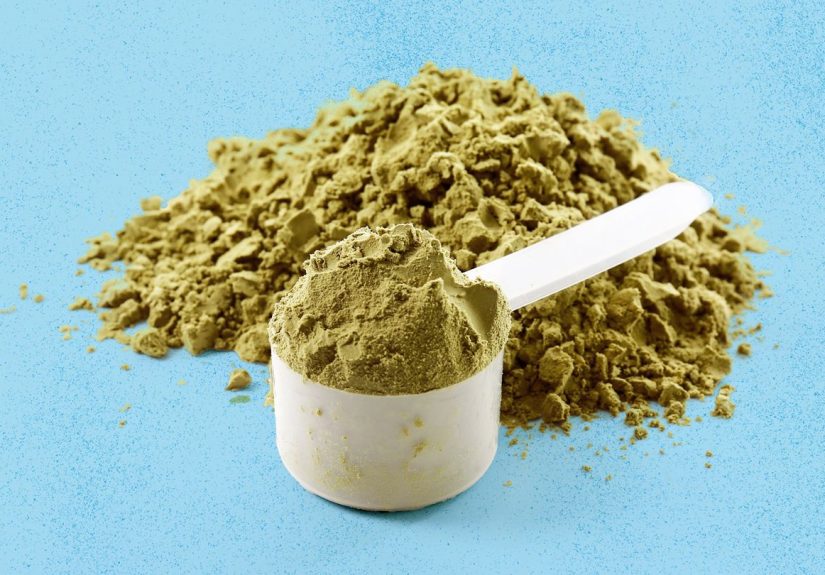
Hemp protein is typically made from the seeds of the hemp plant. After the oil is removed, the remaining seed material is processed into powder. The result is a nutty, earthy, plant-based protein that also contains fiber, healthy fats, minerals, and a little more personality than the average vanilla whey tub.
One reason hemp protein gets so much attention is that it contains all nine essential amino acids. That said, it is not always as concentrated or as digestible as some other protein options like whey, and many products deliver fewer grams of protein per scoop than consumers expect. Translation: it can be a good option, but it is not magic dust from a wellness wizard.
The Most Common Side Effects of Hemp Protein
1. Gas and bloating
The most commonly reported side effect of hemp protein is digestive discomfort, especially gas and bloating. This usually happens because hemp protein often contains more fiber than many other protein powders. That sounds wonderful on paper. In real life, it can feel like your stomach has joined a brass band.
If you go from a low-fiber diet to a full scoop of hemp protein every morning, your digestive system may protest with bloating, pressure, burping, or extra gas. This is not necessarily a sign that hemp protein is “bad” for you. It is often a sign that your gut was not ready for the sudden fiber upgrade.
People with sensitive digestion may notice this even faster. If you already deal with IBS, frequent bloating, or a lot of food-triggered stomach drama, hemp protein can feel like a very enthusiastic guest who arrived too early and brought a marching band.
2. Cramping or general digestive distress
Along with gas and bloating, some people experience mild abdominal cramping, fullness, or a “my stomach is working overtime” feeling. This is especially likely when the powder is taken in large amounts, mixed with other high-fiber ingredients, or consumed without enough fluid.
Hemp protein is often added to smoothies with chia seeds, flax, oats, frozen fruit, peanut butter, and spinach. Nutritionally, that can be a strong lineup. Digestively, it can also be the Avengers of stomach pressure if your body is not used to that much bulk at once.
3. Loose stools or diarrhea
Some users get the opposite problem: instead of feeling backed up, they get loose stools or urgent bathroom trips. Again, fiber is usually the main suspect. Increasing fiber too quickly can change bowel habits, especially if you are also using other supplements, sweeteners, or a protein blend that contains gums or added ingredients.
This is one reason why hemp protein side effects are not always caused by hemp alone. The powder itself matters, but so do the flavoring agents, sugar alcohols, thickeners, and whatever else the manufacturer decided to throw into the tub because apparently plain food is no longer exciting enough.
4. Allergic reactions
Hemp allergy is rare, but it is real. For some people, hemp seed or hemp protein can trigger itching, hives, swelling, digestive symptoms, or more serious allergic reactions. This matters most if you already have a history of food allergies, seed allergies, or reactions to cannabis-related exposure.
Because hemp comes from Cannabis sativa, experts have also discussed possible cross-reactivity between hemp and cannabis allergens. That does not mean everyone who reacts to one will react to the other. It does mean you should not ignore symptoms like mouth itching, lip swelling, rash, or breathing trouble after using hemp protein.
If a product makes you feel “tingly,” that is not your body whispering that the protein is working. That is your body filing a complaint.
5. Medication-related concerns
Most healthy adults can use hemp protein without major issues, but medication cautions deserve respect. Some supplement references note that hemp seed products may affect blood clotting or blood pressure in certain situations. That does not mean every scoop is a medical emergency. It does mean that people taking blood thinners, blood pressure medication, or multiple supplements should stop playing supplement roulette and check with a clinician first.
This is especially important if you are already medically managing heart conditions, circulation issues, or a history of bruising or bleeding problems. When food and supplements start overlapping with medication effects, “natural” stops being a useful safety label.
What Hemp Protein Usually Does Not Do
It usually does not make you high
This is one of the biggest points of confusion. Hemp seed-derived food ingredients, including hemp seed protein powder, are not supposed to contain meaningful amounts of THC or CBD. Properly made hemp seed protein contains only trace amounts picked up during harvesting or processing. In other words, your post-workout shake should not turn into a psychedelic journey through your kitchen backsplash.
It is not automatically a cure-all
Hemp protein gets marketed as if it can support every organ, solve every breakfast problem, and possibly improve your personality. Reality is less cinematic. It can be a useful plant-based protein option, but it is still just one part of a diet. It should supplement meals, not replace all of them.
Hidden Downsides People Mistake for “Side Effects”
1. Lower protein density per serving
Some people switch from whey to hemp protein and assume they are getting the same protein punch per scoop. Not always. Hemp protein often contains fewer grams of protein per serving because it also contains more fiber and other seed components. The result is not necessarily bad, but it may be disappointing if your goal is maximizing protein intake with minimal volume.
That can lead people to double the serving size, which then increases fiber load and makes digestive side effects more likely. Congratulations: the attempt to get more protein just bought you more bloating.
2. Texture and taste issues
Not every downside is medical. Hemp protein tends to have an earthy, gritty, nutty flavor that some people love and others describe with the expression usually reserved for chewing on a potted plant. If you find it unpleasant, you may end up adding lots of sweeteners or mixing it into giant calorie-heavy smoothies. That is not a direct side effect, but it is a practical issue that can change how useful the product really is.
3. Product quality concerns
One of the less glamorous realities of the protein powder world is quality control. Some protein powders, especially plant-based ones, may contain contaminants such as heavy metals depending on sourcing and manufacturing. That is not unique to hemp protein, but it is part of the real-world risk conversation.
If you use hemp protein regularly, look for products that are third-party tested by organizations such as NSF or USP, or that provide transparent testing information. A clean label is nice. A verified clean product is nicer.
Who Should Be More Careful With Hemp Protein?
- People with sensitive digestion or IBS
- Anyone with a history of seed, food, or cannabis-related allergies
- People taking blood thinners or blood pressure medication
- Consumers using multiple supplements at once
- Anyone relying on protein powder as a meal substitute instead of an add-on
If you fall into one of those groups, hemp protein is not automatically off-limits. It just deserves a slower, smarter start.
How to Reduce the Side Effects of Hemp Protein
Start small
Do not begin with a heroic double scoop. Try a half serving first and see how your body responds for a few days.
Increase fiber gradually
If the rest of your diet is low in fiber, a slow ramp-up matters. Your gut likes transitions, not jump scares.
Drink enough water
Fiber works better when fluid intake is adequate. Too little water can make digestive discomfort worse.
Watch the ingredients list
If your hemp protein also contains gums, sugar alcohols, stevia blends, artificial flavors, or mystery ingredients that sound like backup dancers in a chemistry concert, those may be contributing to symptoms too.
Use it with simpler meals at first
Mixing hemp protein into water, milk, or a basic smoothie is often easier than tossing it into a fiber bomb with oats, chia, flax, nut butter, berries, and enough kale to start a lawn.
Stop immediately if allergy symptoms appear
Digestive bloating is one thing. Hives, mouth itching, swelling, wheezing, or trouble breathing are another category entirely.
So, Is Hemp Protein Safe?
For most people, yes. Hemp protein is generally considered safe when used as a food or food-based supplement, and many of its side effects are mild, temporary, and linked to fiber content rather than toxicity. The most common issue is digestive discomfort, not danger.
Still, “safe for most people” does not mean “perfect for every body.” The biggest problems tend to show up in three situations: when the serving size is too aggressive, when the user has an allergy or very sensitive gut, or when the product quality is questionable.
That is the practical answer. Hemp protein is not a villain. It is just not innocent enough to skip the label reading.
Experiences Related to the Topic “Side Effects of Hemp Protein”
In real-world use, experiences with hemp protein tend to fall into a few familiar patterns. The first is the “I switched from whey and thought this would feel lighter” experience. Many people assume a plant-based protein will automatically be easier on the stomach, but hemp protein can surprise them because of its fiber content. Instead of the smooth, milkshake-style texture they are used to, they get a thicker drink, a more earthy flavor, and a stomach that starts sending strongly worded feedback by mid-morning.
Another common experience is the “I tried to be extra healthy and accidentally overachieved” situation. Someone adds hemp protein to a smoothie with banana, berries, oats, flax, chia, almond butter, and spinach. Nutritionally, it looks like a social media triumph. Digestively, it can feel like swallowing a weighted blanket. The person may blame hemp protein entirely, when the real issue is the total fiber load, portion size, and the fact that their breakfast now has the structural integrity of wet cement.
Then there is the slow-and-steady crowd, and honestly, they usually have the best outcomes. These are the people who start with half a scoop, mix it into yogurt or a simple smoothie, drink more water, and give their body a week or two to adjust. Their experience is often much smoother. They may still notice a little extra fullness or mild gas at first, but it tends to settle. For them, hemp protein becomes a practical add-on rather than a dramatic event.
People who already have sensitive digestion often report the most mixed experiences. Some appreciate the extra fiber and feel fuller longer. Others find that hemp protein aggravates bloating, especially during stressful weeks, travel, or periods when their meals are inconsistent. The pattern here is less about hemp being universally “good” or “bad” and more about context. A stressed-out gut does not always welcome a dramatic increase in seed-based powder, no matter how wholesome the label looks.
There are also experiences shaped by expectations. Athletes and gym-goers sometimes expect hemp protein to perform exactly like whey. Then they notice they need a larger serving to hit the same protein target, the shake is thicker, and the post-workout texture is closer to “earthy pudding” than “dessert-adjacent.” That does not make hemp protein ineffective, but it can change satisfaction. Some users end up blending it with pea or rice protein for a smoother balance of taste, amino acids, and total protein per serving.
On the more serious end, a small number of people report symptoms that do not feel like ordinary digestive adjustment at all. Mouth itching, hives, facial swelling, or a sudden sense that something is very wrong should not be brushed off as “detox” or “just your body adapting.” Those experiences belong in the allergy category, not the wellness category.
And finally, many long-term users describe the most boring experience of all, which is actually the best one: nothing dramatic happens. They use a reasonable amount, choose a well-tested product, pair it with enough fluid, and treat it like a supplement instead of a miracle. No fireworks. No stomach opera. Just a decent plant-based protein doing its job.
Final Takeaway
The side effects of hemp protein are usually manageable and often predictable. The main ones are gas, bloating, cramping, loose stools, and, in rare cases, allergy-related reactions. Medication cautions and product quality also matter more than many marketing labels admit.
If you want to try hemp protein, the smartest move is not to fear it and not to worship it. Start small, drink enough water, choose a reputable brand, and pay attention to how your body responds. That approach is a lot more useful than trusting a tub with a leaf on it to solve your entire life.