Table of Contents >> Show >> Hide
- What Is Black Mold, Exactly?
- Why Black Mold Gets So Much Attention
- Where Black Mold Commonly Grows
- What Black Mold Can Do to Your Health
- How to Tell Whether You Have a Mold Problem
- Can You Clean Black Mold Yourself?
- When You Should Call a Professional
- When to See a Doctor
- How to Prevent Black Mold From Coming Back
- Black Mold Myths Worth Ignoring
- Experiences Related to Black Mold: What People Often Learn the Hard Way
- Final Takeaway
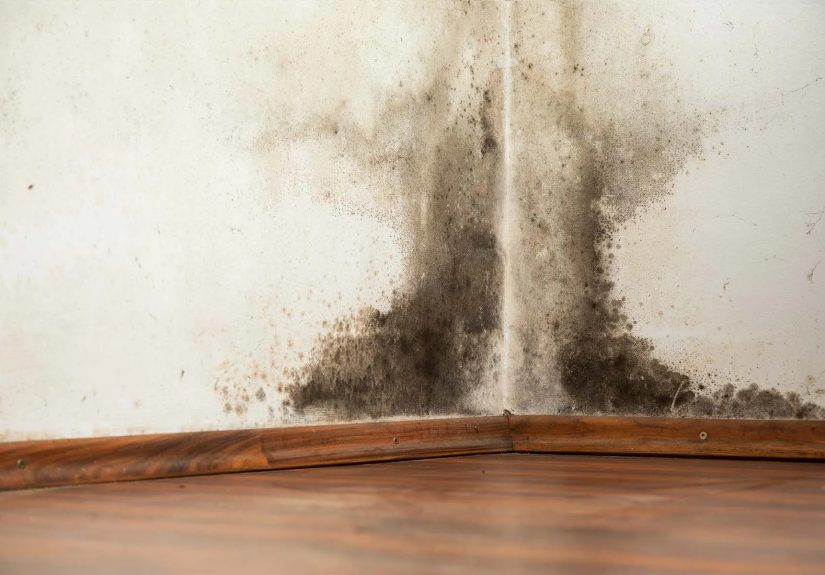
Few household discoveries ruin a perfectly normal day faster than spotting a dark, fuzzy patch creeping across a wall, ceiling, or bathroom corner. One second you are minding your business, and the next you are deep in a search spiral about “toxic black mold,” wondering whether your house is plotting against you. The good news is that black mold is not magic, not a movie villain, and not a reason to set your home on fire and start over. The bad news is that it is still something you should take seriously.
Black mold is a common name often used for Stachybotrys chartarum, a greenish-black mold that grows in places with long-term moisture problems. It is part of a much bigger mold story: when water sticks around, mold moves in like an uninvited guest who also damages drywall. Whether the mold looks black, green, brown, or spotted like a strange abstract painting, the basic rule is the same. Find the moisture, fix it, clean up the mold, and keep it from coming back.
This guide breaks down what black mold really is, where it grows, how it may affect health, when you can clean it yourself, when to call a pro, and how to prevent a repeat performance. Along the way, we will also clear up a few myths, because black mold has inspired enough internet drama to deserve its own reality show.
What Is Black Mold, Exactly?
“Black mold” is usually shorthand for Stachybotrys chartarum. It tends to grow on materials with high cellulose content, which is a fancy way of saying it likes to snack on things commonly found in buildings, such as drywall, paper, wood, insulation, ceiling tiles, and other water-damaged materials. It typically shows up after a leak, flood, plumbing issue, roof problem, or ongoing humidity problem gives it enough moisture and time to settle in.
That said, color alone does not tell you what kind of mold you are looking at. Plenty of molds can appear dark, and some black-looking spots are not even mold. Dirt, soot, mildew, or staining can also fool the eye. So while people often fixate on whether mold is “the black one,” the more important question is simpler: is there mold growth, and why is this area wet?
That question matters because the practical response does not usually depend on identifying the exact species. In most homes, the main concern is not winning a mold trivia contest. It is stopping ongoing moisture and removing contaminated material before the problem spreads.
Why Black Mold Gets So Much Attention
Black mold has a reputation problem. The phrase sounds ominous, and the internet has helped turn it into a catch-all boogeyman for every headache, cough, and musty corner. In reality, mold exposure affects people differently. Some people have no symptoms at all. Others get allergy-like irritation, and some people with asthma, allergies, chronic lung disease, or weakened immune systems may react more strongly.
One of the biggest myths is that black mold is automatically more dangerous than every other mold you might find indoors. That is too simplistic. Some molds can produce mycotoxins under certain conditions, but public health guidance generally emphasizes treating all visible indoor mold seriously rather than obsessing over the label. The moisture problem, the amount of contamination, and the health of the people exposed usually matter more than a dramatic-sounding nickname.
Another myth is that if you do not feel terrible, the mold must be harmless. Not so fast. Mold can still damage materials, worsen indoor air quality, and spread through damp areas even if nobody in the house is immediately sneezing like a cartoon character in a pollen field.
Where Black Mold Commonly Grows
Black mold loves damp, poorly ventilated places. Bathrooms are prime real estate, especially around tubs, showers, grout lines, caulk, sinks, and behind toilets. Basements are also frequent hotspots because they tend to trap moisture. Laundry rooms, crawl spaces, attics with roof leaks, window sills with condensation, and kitchens with hidden plumbing problems are all common trouble zones.
You may also find mold behind wallpaper, under carpets, inside cabinets beneath sinks, around HVAC systems, or inside walls after leaks. If a room smells musty but you cannot see mold, that does not mean you are imagining things. Hidden growth can exist behind drywall, under flooring, or inside insulation. Mold is sneaky like that.
Flooding makes the risk even higher. Water-damaged homes can develop mold quickly if materials are not dried out fast. The longer surfaces stay wet, the more opportunity mold has to spread and settle into porous materials that are difficult to clean fully.
What Black Mold Can Do to Your Health
Health effects from mold exposure vary a lot. For many people, the most common issues look a lot like allergies or irritation. That can include sneezing, a stuffy or runny nose, coughing, watery or itchy eyes, throat irritation, and skin irritation. If your body responds to mold like it responds to pollen, dust, or pet dander, this pattern may feel very familiar.
For people with asthma, mold can be a more serious trigger. It may worsen wheezing, shortness of breath, chest tightness, or asthma flare-ups. People with existing respiratory conditions may also notice that a damp, moldy environment makes symptoms harder to control. In some work or building exposure situations, damp indoor spaces have also been linked with broader respiratory complaints.
People with weakened immune systems or certain chronic lung problems may face a higher risk from mold exposure than the average healthy person. That does not mean every patch of mold leads to severe illness, but it does mean some households should be extra careful about exposure and cleanup.
Common symptoms people notice
- Sneezing and nasal congestion
- Coughing or throat irritation
- Watery, itchy, or burning eyes
- Skin irritation or rash
- Worsening asthma symptoms
- Musty odors that seem to make symptoms worse indoors
If symptoms improve when you leave a building and worsen when you return, that pattern can be a clue. It is not proof of mold, but it is a sign that your indoor environment deserves a closer look.
How to Tell Whether You Have a Mold Problem
You do not always need lab testing to know you have a mold problem. In many cases, visible growth or a strong musty smell is enough reason to act. If you can see fuzzy patches, staining that keeps returning after cleaning, peeling paint, bubbling drywall, water stains, warped materials, or condensation collecting regularly, your house is already waving a little mold flag.
Moisture clues are often just as important as mold itself. A leaking pipe under the sink, a chronically damp basement, a roof leak after storms, or a bathroom with poor ventilation all increase the odds that mold is lurking nearby. If you spot those conditions, mold may be nearby even if it has not yet made a dramatic entrance.
Testing can sometimes be useful in complicated situations, especially when the contamination seems hidden or the problem keeps returning. But routine air testing is not always necessary for small visible mold issues. Often, spending your money on fixing the water source and cleaning or replacing damaged material is the smarter move.
Can You Clean Black Mold Yourself?
Sometimes yes, sometimes no. If the moldy area is small and limited to a hard, nonporous or semi-porous surface, many homeowners can handle it safely. The usual rule of thumb is that a patch smaller than about 10 square feet may be manageable without professional remediation, assuming the water source has been fixed and the affected material can actually be cleaned.
Hard surfaces may be scrubbed with detergent and water, then dried completely. Some public health guidance also allows the use of a diluted bleach solution in certain home cleanup situations, but bleach is not recommended as a routine cure-all. Translation: bleach is not a magical anti-mold wizard. In many cases, physical cleaning and thorough drying matter more.
Porous materials are a different story. Ceiling tiles, carpet, insulation, drywall, and upholstered materials may need to be removed and thrown away if mold has grown deeply into them. Mold can hide inside these materials where surface cleaning does not solve the full problem.
Basic DIY cleanup steps
- Fix the leak, condensation issue, or humidity problem first.
- Wear gloves, eye protection, and a well-fitting mask.
- Ventilate the area if you can do so safely.
- Scrub mold from hard surfaces with detergent and water.
- Dry everything completely and quickly.
- Discard porous materials that cannot be cleaned well.
- Do not mix bleach with ammonia or other cleaners. Ever.
When You Should Call a Professional
There are times when mold cleanup is not a weekend project. If the affected area is large, keeps coming back, or involves contaminated water from sewage or flooding, professional help is usually the safer call. The same goes for mold inside HVAC systems, behind walls in a way that requires demolition, or situations involving immune-compromised people, infants, older adults, or anyone with severe asthma or lung disease.
You may also want a pro if the smell is strong but the source is hidden, or if you have already cleaned the area and the mold keeps returning like it pays rent. Persistent recurrence usually means the moisture problem is unresolved, and that underlying issue is what really needs attention.
A reputable mold remediation professional should focus on identifying and fixing moisture, containing the contaminated area when needed, removing damaged materials safely, and making sure the space is dry afterward. Anyone who promises a miracle fog, a mystery spray, or a one-day “mold cure forever” without addressing water intrusion deserves a suspicious eyebrow raise.
When to See a Doctor
If you have symptoms that seem tied to mold exposure and they are not going away, check in with a healthcare professional. This is especially important if you have asthma, allergies, chronic lung disease, or a weakened immune system. Symptoms like wheezing, ongoing cough, shortness of breath, or repeated irritation in a damp indoor environment deserve attention.
A doctor may evaluate whether your symptoms look like a mold allergy or another condition. Depending on your situation, testing can include a medical history, physical exam, skin testing, or blood tests that look for allergy-related immune responses. Treatment may involve avoiding the trigger as much as possible, along with medications such as antihistamines, nasal corticosteroids, or other allergy and asthma treatments.
Medical care matters because mold and dampness can aggravate existing problems. Even when the mold itself is removed, symptoms may linger if the underlying allergy or asthma is not being managed well.
How to Prevent Black Mold From Coming Back
Prevention is mostly a moisture game. Mold needs water, a food source, and time. You cannot realistically remove every mold spore from the world, but you can make your home a lot less inviting. That means controlling humidity, fixing leaks fast, improving airflow, and drying wet materials before mold has a chance to settle in.
Practical prevention tips
- Keep indoor humidity low, ideally around 30% to 50%, and generally below 60%.
- Use exhaust fans in bathrooms and kitchens.
- Vent clothes dryers outdoors.
- Repair roof, plumbing, window, and foundation leaks quickly.
- Use a dehumidifier in damp areas such as basements.
- Clean and maintain HVAC systems and drain pans.
- Dry wet materials within 24 to 48 hours when possible.
- Watch for condensation on windows, pipes, and walls.
- Move furniture slightly away from cold exterior walls if moisture collects there.
Think of mold prevention like dental care for your house. Small habits are boring, yes, but they prevent expensive misery later.
Black Mold Myths Worth Ignoring
Myth 1: Every black spot is toxic black mold.
Not necessarily. Some dark spots are other types of mold, mildew, dirt, or staining. The exact label matters less than the fact that moisture and possible contamination are present.
Myth 2: Bleach solves everything.
Nope. Bleach is not always needed, and it is not a routine answer for every situation. Physical cleaning, removal of damaged materials, and drying thoroughly are the real heroes.
Myth 3: No symptoms means no problem.
Mold can still damage building materials and worsen indoor air quality even if nobody is currently coughing.
Myth 4: Air freshener fixes musty smells.
Air freshener covers odors. Mold laughs and keeps growing.
Experiences Related to Black Mold: What People Often Learn the Hard Way
In real life, black mold problems rarely begin with a dramatic discovery. More often, they start with something small that people ignore because life is busy. A family notices condensation on the bedroom window every morning and wipes it off for months. A renter spots a little discoloration behind the couch and assumes it is dust. A homeowner hears a tiny drip under the kitchen sink and decides to “deal with it next weekend,” which turns into six weekends and one surprisingly expensive cabinet repair.
One common experience is the slow-build bathroom problem. At first, there is a faint musty smell after showers. Then the caulk starts looking stained. Then a patch appears near the ceiling because the exhaust fan is weak, broken, or never used. People often try quick cosmetic fixes like repainting over the spot, spraying a heavy cleaner, or pretending the steam cloud will simply sort out its own behavior. It does not. Eventually they realize the issue is not the stain. It is the trapped moisture.
Another frequent story happens in basements. Someone stores cardboard boxes, clothes, books, or holiday decorations in a cool, damp space. Months later, the room smells earthy and strange, and the bottoms of the boxes are soft or spotted. By then, mold may have spread to multiple surfaces. The lesson many people learn is that storage and moisture do not mix well, especially when air circulation is poor and no one checks the area regularly.
Renters often describe a different frustration: they notice mold around windows, under sinks, or near an AC unit, but the bigger issue is getting the underlying leak fixed. Cleaning visible mold helps only temporarily if water keeps returning. In these cases, the lived experience is not just about the mold itself. It is also about documentation, communication with property management, and pushing for the source of the water intrusion to be repaired instead of just painted over.
Parents sometimes notice the problem because a child’s allergies or asthma seem worse in one room than another. They may not see obvious mold at first. What tips them off is a pattern: more coughing at night, more congestion in the morning, or symptoms that ease when the child is away from home. Later, they discover hidden dampness behind furniture on an exterior wall, beneath old carpet, or around a previously repaired leak. The big takeaway in these stories is that odor, humidity, and symptom patterns can all be clues, even before visible mold becomes obvious.
Homeowners after storms or plumbing leaks often say the same thing: they underestimated how fast moisture becomes a mold problem. A soaked carpet, wet drywall, or damp insulation can go from “annoying cleanup” to “full remediation project” surprisingly fast. Many people come away wishing they had started fans, dehumidifiers, and removal of wet materials immediately instead of waiting to see whether things would dry on their own.
These experiences all point to the same practical truth. Black mold is rarely about one scary patch on a wall. It is usually about moisture that was allowed to linger. The people who handle it best are not the ones who panic. They are the ones who respond early, fix the water source, dry the area thoroughly, and treat the problem like a building issue instead of just a cleaning issue.
Final Takeaway
Black mold sounds dramatic, but the smartest response is not panic. It is a plan. If you see mold or smell mustiness, treat it as a moisture problem that needs real attention. Clean small areas safely, replace heavily damaged porous materials, call professionals when the contamination is large or hidden, and do not ignore leaks or humidity. Your goal is not just to erase the spot. It is to make your home dry enough that mold does not get a sequel.