Table of Contents >> Show >> Hide
- 1. I Cleaned in the Wrong Order
- 2. I Used Too Much Cleaning Product
- 3. I Thought Cleaning and Disinfecting Were the Same Thing
- 4. I Used Dirty Tools and Spread Germs Around
- 5. I Used Harsh or Wrong Products on the Wrong Surfaces
- What Actually Made My House Cleaner
- My Experience: What Changed After I Fixed These Cleaning Mistakes
- Conclusion
I used to think I was pretty good at cleaning. I owned sprays. I owned sponges. I had one very dramatic “cleaning playlist” that made me feel like I was one vacuum pass away from becoming a domestic legend. And yet, somehow, my counters still looked streaky, my bathroom still felt suspicious, and my kitchen sponge had the energy of a tiny biohazard wearing a smile.
Turns out, I wasn’t bad at cleaning because I was lazy. I was bad at cleaning because I was making classic house cleaning mistakes that made every job harder, slower, and less effective. I was using too much product, cleaning in the wrong order, treating every mess like it needed a hazmat team, and accidentally spreading grime around like I was being paid per fingerprint.
Once I learned a few smarter cleaning habits, everything changed. My home started looking cleaner for longer. My cleaning routine got faster. My supplies lasted longer. And perhaps most importantly, I stopped rage-scrubbing the same sink three times like it had personally offended me.
Here are the five biggest cleaning mistakes I used to make, why they backfired, and exactly how I fixed them. If your current cleaning routine feels harder than it should, this may be the reset your mop bucket has been begging for.
1. I Cleaned in the Wrong Order
For years, I cleaned a room in whatever order felt emotionally correct in the moment. I would vacuum first, then dust a shelf, then wipe a mirror, then notice crumbs on the counter, then step on those crumbs with clean socks, then question every life choice that led me there.
This is one of the most common cleaning mistakes because it feels productive while secretly creating extra work. When you clean low surfaces first and high surfaces later, dust and debris fall onto the areas you already cleaned. That means you end up redoing floors, countertops, and furniture for no good reason except chaos.
How I fixed it
I switched to a top-to-bottom, left-to-right cleaning routine. Now I start with high spots like shelves, light fixtures, ceiling fan blades, and mirrors. Then I move to counters, tables, sinks, and other mid-level surfaces. Floors always come last. Always. Floors are the grand finale, not the opening act.
I also stopped trying to clean an entire room in random bursts. Instead, I follow a simple sequence:
Dust, wipe, scrub, then vacuum or mop.
That small shift made a ridiculous difference. My rooms started looking finished instead of “technically wiped down but somehow still dusty.” It also made my cleaning routine faster because I wasn’t backtracking every five minutes.
The lesson: Cleaning order matters. If you want better results with less effort, work from top to bottom and save the floors for last.
2. I Used Too Much Cleaning Product
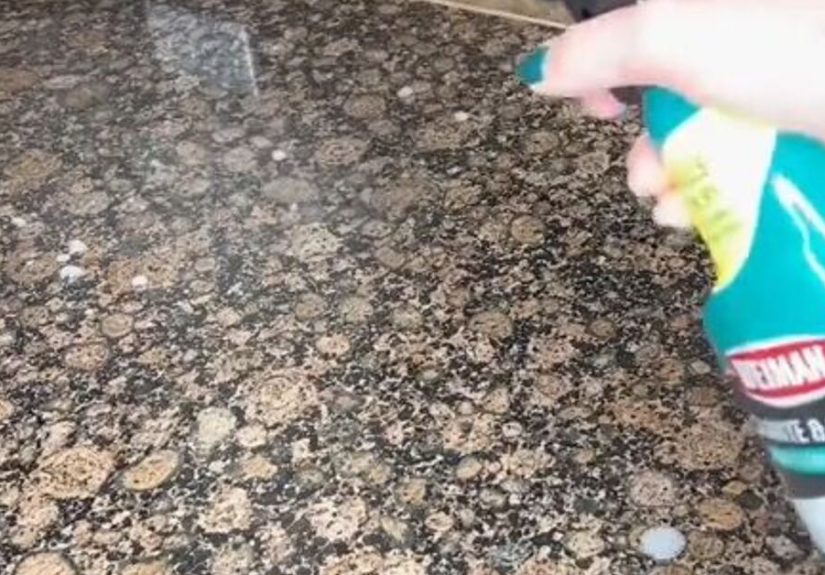
I used to believe that if a little cleaner was good, a lot of cleaner must be amazing. If the bottle said “spray,” I translated that as “coat the surface until it glistens like a newly waxed bowling lane.” I wanted that lemon-fresh sparkle. What I got was sticky residue, streaks, and surfaces that seemed to attract new dirt like they were lonely.
Using too much cleaning product is one of those mistakes that feels extra responsible. In reality, it can leave buildup behind, dull surfaces, make rinsing harder, and waste money. Some products are concentrated. Some are designed to sit for a short time. Some are meant to be diluted. But many of us use them like we are frosting a cake.
How I fixed it
First, I started reading labels like they contained top-secret information, which, honestly, they kind of do. The directions tell you how much to use, whether to dilute it, whether to rinse after use, and what surfaces it should never touch. Very important details. Extremely rude of me to ignore them for so long.
Second, I stopped spraying directly onto every surface. For mirrors, stainless steel, and some wood furniture, I now spray onto a microfiber cloth first when appropriate. That gives me more control and cuts down on drips, overspray, and streaking. It also helps prevent excess moisture from pooling where it should not.
Third, I switched from “more product, more power” to “right product, right amount.” For everyday cleaning, a small amount of soap or surface cleaner is often enough. For greasy messes, I let the product do the work instead of trying to drown the mess into submission.
The lesson: More cleaner does not automatically mean more clean. In many cases, it means more residue, more rinsing, and more frustration.
3. I Thought Cleaning and Disinfecting Were the Same Thing
I used to use the words clean, sanitize, and disinfect like they were all cousins at the same family reunion. They are related, but they are not identical. This misunderstanding made my routine both less effective and more dramatic than necessary.
Here is the difference in plain English. Cleaning removes dirt, grime, and a lot of germs from surfaces. Disinfecting uses chemicals to kill remaining germs on hard, nonporous surfaces. Sanitizing reduces germs to a safer level, depending on the product and surface. In many everyday situations, cleaning alone is enough. If nobody is sick and you are handling normal household mess, you usually do not need to disinfect every square inch of your home like you are prepping for surgery.
My bigger mistake? When I did use disinfectants, I wiped them off too quickly. I would spray, immediately swipe, and then stroll away feeling victorious. Meanwhile, the product had no time to actually do the job it was designed to do.
How I fixed it
Now I clean first, then disinfect only when it makes sense, like for high-touch surfaces during illness, after handling raw meat in the kitchen, or when I want an added layer of germ control in the bathroom. I also check the label for contact time, which is the amount of time the surface needs to stay visibly wet for the product to work properly.
This was a game changer. The spray is not magic confetti. It needs time. Some products work fast. Others need several minutes. If you wipe too soon, you are basically giving the cleaner a pep talk instead of letting it do its job.
I also learned to clean visible dirt first. Dirt and grease can block disinfectants from reaching germs effectively, which means “spray and pray” is not a valid cleaning strategy.
The lesson: Clean first. Disinfect when needed. And if you use a disinfectant, let it stay wet for the full label time.
4. I Used Dirty Tools and Spread Germs Around
I once believed a sponge was a loyal companion that should stay with me through thick and thin. In reality, my old sponge was less “trusted sidekick” and more “tiny swamp with opinions.”
Dirty cleaning tools are one of the most overlooked cleaning mistakes. If your sponge, dishcloth, mop head, or vacuum filter is filthy, you are not really cleaning. You are relocating mess. This is especially true in the kitchen, where cross-contamination can happen fast.
I used to wipe the counter, scrub the sink, dab a drip near the stove, and then circle back to a cutting board with the same sponge. Looking back, I would like to apologize to my own kitchen.
How I fixed it
I gave my cleaning tools actual jobs.
I keep separate cloths or sponges for the kitchen, bathroom, and general household cleaning. I use color coding when possible because my memory is good, but not “what happened to this blue sponge two days ago?” good. I replace worn-out sponges regularly, let dishcloths dry fully, and wash reusable cloths often.
I also upgraded to microfiber cloths for a lot of tasks. They grab dust better than old T-shirts, leave less lint, and work well with less product. For the kitchen, I became much stricter about changing cloths after messy jobs. For the bathroom, I stopped pretending one quick rinse magically reset a scrub cloth back to factory settings.
And I finally showed my vacuum a little respect. Emptying the canister, cleaning filters, and removing tangled hair from the brush roll made it work better and made my floors actually feel cleaner instead of just louder.
The lesson: Your tools need cleaning too. A dirty sponge cannot deliver a clean kitchen, no matter how motivational your playlist is.
5. I Used Harsh or Wrong Products on the Wrong Surfaces
I used to think every tough mess required an equally aggressive solution. Strong smell? Stronger cleaner. Water spot? Something acidic. Sticky cabinet? Whatever spray was closest. This approach did not make me efficient. It made me reckless.
Not every surface wants the same treatment. Wood, stone, stainless steel, electronics, and painted finishes can all react differently to moisture, abrasives, acids, and disinfectants. Some surfaces get dull. Some streak. Some lose their protective finish. Some quietly get ruined while you stand there feeling accomplished.
Then there is the safety issue. Mixing products, especially bleach with ammonia or other cleaners, can release dangerous fumes. Even when products are not mixed, poor ventilation can make cleaning chemicals irritating to your eyes, throat, or lungs.
How I fixed it
I started matching the cleaner to the surface. For wood, I use gentler products and less moisture. For stone, I avoid using random acidic solutions unless the manufacturer says it is safe. For screens and electronics, I use soft microfiber cloths and approved methods instead of attacking them like they owe me money.
I also stopped over-cleaning delicate surfaces. More scrubbing is not always more effective. Sometimes it is just a fast track to dull finishes and unnecessary wear.
Most importantly, I never mix cleaners. Not bleach with ammonia. Not bleach with vinegar. Not one mystery spray with another because I am feeling creative. Cleaning is not a chemistry improv show. I also crack a window or turn on ventilation when using stronger products indoors.
The lesson: The wrong product can do more harm than the dirt. Surface-safe cleaning matters, and safety rules are not optional.
What Actually Made My House Cleaner
Once I fixed those five cleaning mistakes, my routine became simpler and more effective. My home did not become spotless because I bought trendier supplies or invented a color-coded spreadsheet for my baseboards. It got cleaner because I stopped working against myself.
Here is what works for me now:
A smarter everyday cleaning routine
I tidy first, clean high to low, use the least product necessary, and choose the right tool for the job. I reserve heavy-duty disinfecting for moments that actually call for it. I wash cloths often, replace old sponges sooner, and try not to let “quick wipe” jobs turn into buildup disasters.
Less drama, better results
The biggest surprise is that effective cleaning looks a lot less dramatic than I thought. It is not about mountains of foam or enough spray to qualify as weather. It is about consistency, good technique, and knowing when to stop.
That has saved me time, money, and quite a few arguments with streaky bathroom mirrors.
My Experience: What Changed After I Fixed These Cleaning Mistakes
What surprised me most was not that my house looked cleaner. It was that cleaning stopped feeling like a punishment. Before, every session felt long, messy, and weirdly discouraging. I would spend an hour wiping, scrubbing, and spraying, then look around and think, “Why does this place still look like it hosted a minor emergency?” Once I fixed these habits, the difference was immediate. My kitchen counters stopped feeling tacky. My bathroom mirror stopped looking like it had been polished with fruit juice. My floors stayed cleaner because I was no longer dusting after vacuuming like a confused raccoon with a to-do list.
I also noticed that my home felt calmer. That sounds dramatic, but it is true. When cleaning is ineffective, clutter and grime seem to bounce back instantly, and that creates a low-level sense of defeat. When the routine works, you trust it more. A ten-minute reset actually looks like a reset. A weekly clean feels like it holds. That changed how I handled messes during busy weeks. Instead of waiting for everything to become chaotic and then panic-cleaning on a Saturday, I started doing smaller, smarter tasks that prevented bigger problems. A quick wipe of the sink, a fresh dishcloth, a proper spray-and-wait moment on the bathroom faucet, and suddenly I was maintaining the house instead of fighting it.
Another unexpected win was how much money I stopped wasting. I used fewer paper towels, less spray, and fewer random “miracle cleaners” that promised to fix all my problems except my own bad technique. I became pickier about what I bought and more disciplined about using what I already had correctly. One microfiber cloth and the right amount of cleaner did more than half a bottle of product used badly. That was humbling, but useful.
And honestly, there was a confidence boost too. I stopped feeling like other people had been secretly born knowing how to clean while I was absent that day. Cleaning is not magic. It is mostly method. Once I understood that, the whole thing became less mysterious and much more manageable. My house is still a real house, not a museum. It has crumbs, fingerprints, laundry, and the occasional mess that appears to have formed without human involvement. But now I know how to deal with it without creating extra work for myself.
If you are making the same mistakes I used to make, do not worry. You do not need a total cleaning personality transplant. You just need a few better habits. Fix the order. Use less product. Respect contact time. Wash your tools. Match the cleaner to the surface. That is it. No dramatic overhaul, no impossible routine, and no need to pretend you enjoy scrubbing grout for spiritual growth. A cleaner home is often the result of doing a few simple things correctly and doing them consistently. Once I learned that, cleaning finally started making sense.
Conclusion
The truth is, most cleaning mistakes are not caused by laziness. They come from bad habits, rushed routines, and the very human belief that more spray, more scrubbing, and more effort must automatically lead to better results. But smarter cleaning beats harder cleaning almost every time.
If you want your home to feel fresher, healthier, and easier to maintain, start by fixing the basics. Clean in the right order. Use the right amount of product. Understand the difference between cleaning and disinfecting. Keep your tools clean. And stop using every cleaner on every surface like your cabinets signed a waiver.
Once I made those changes, my cleaning routine got faster, my home stayed cleaner longer, and I finally stopped feeling betrayed by my own countertops. That, in my opinion, is character growth.