Table of Contents >> Show >> Hide
- What Is a Cherry Bark Tea Caddy?
- The Story Behind Cherry Bark Crafts
- Why Cherry Bark Works So Well for Tea Storage
- How a Cherry Bark Tea Caddy Is Made
- Design Details That Make These Tea Caddies Stand Out
- How to Choose the Right Cherry Bark Tea Caddy
- Caring for a Cherry Bark Tea Caddy
- Why This Craft Still Matters Today
- Experiences With Cherry Bark Crafts: Living With a Tea Caddy
- Conclusion
Some home objects are useful. Some are beautiful. A lucky few manage to be both while also making you feel like you suddenly deserve a quieter kitchen, better tea, and maybe a dramatic window view. A cherry bark tea caddy belongs in that elite little club. At first glance, it looks like a polished piece of Japanese craftsmanship with warm reddish-brown tones and a silky glow. Spend a little more time with it, though, and you realize it is also wonderfully practical. It stores tea with style, honors a centuries-old craft tradition, and somehow makes opening a canister feel like a small ceremony instead of a pantry chore.
When people talk about cherry bark crafts, they are often referring to kabazaiku, a traditional Japanese craft strongly associated with Kakunodate in Akita Prefecture. These pieces are made using the bark of wild mountain cherry trees, then shaped, layered, polished, and fitted into elegant objects such as tea caddies, boxes, trays, and accessories. Among all those forms, the tea caddy remains the star of the show. It is the classic example of what this craft does best: combining natural material, careful handwork, and everyday usefulness without shouting for attention like a blender in a neon kitchen.
What Is a Cherry Bark Tea Caddy?
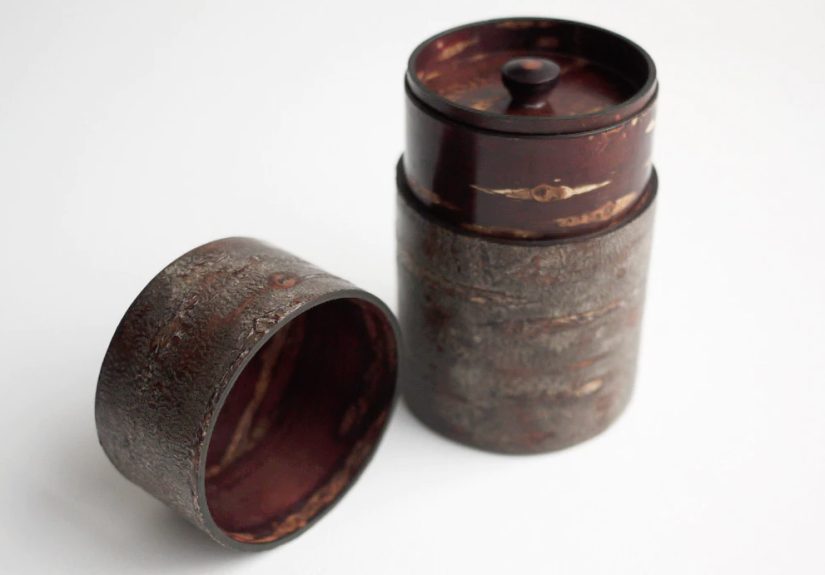
A cherry bark tea caddy is a container designed to store loose-leaf tea, usually crafted from a wooden core wrapped or finished with polished cherry bark. In the kabazaiku tradition, artisans use carefully prepared bark from wild cherry trees and apply it to forms that are often cylindrical, compact, and comfortable to hold. The result is a tea canister that feels warm, natural, and quietly luxurious.
That word “caddy” has a long history of its own. In Western tea culture, tea caddies were once prized household containers, especially when tea was expensive enough to make people guard it like treasure. Over time, the caddy evolved from a locked status object into a practical storage vessel. In Japan, meanwhile, tea containers became deeply tied to tea culture and aesthetics, showing up in historic tea traditions and museum collections alike. A cherry bark version sits at a nice intersection: it has the practical soul of storage and the artistic soul of a crafted object.
In plain English, this is not just a jar with good manners. It is a storage piece with heritage, function, and the kind of surface that makes people say, “Wait, what is that?” before reaching for it with suspiciously clean hands.
The Story Behind Cherry Bark Crafts
The best-known cherry bark craft tradition comes from Kakunodate, where kabazaiku is said to have taken root in the 1780s. Historical accounts link its spread to samurai households, where it began as a side craft and eventually developed into a recognized regional industry. By the late twentieth century, it had been formally recognized as a traditional Japanese craft, and today it remains one of the most distinctive artisanal traditions associated with Akita.
What makes the craft special is not just age. Plenty of old things exist. Your aunt’s mystery fruitcake recipe may also be old, and yet nobody is building museums around it. What sets kabazaiku apart is the way it transforms bark into something refined without erasing its natural character. The grain, sheen, color shifts, and tiny variations in each piece are not flaws to be hidden. They are the point.
Artisans select bark with great care, and different varieties may be chosen depending on the design. Because the bark is a natural material, every finished piece carries its own character. No two tea caddies look exactly alike, which is excellent news for collectors, gift-givers, and people who like their home goods to have a pulse.
Why Cherry Bark Works So Well for Tea Storage
A beautiful container is nice. A beautiful container that also helps protect your tea is better. The longstanding reputation of cherry bark tea caddies comes from their usefulness in storing tea leaves. Traditional makers and tourism authorities frequently describe cherry bark as especially suited to tea because it helps buffer moisture changes and prevents tea from drying too quickly. That is one reason tea canisters became such an iconic form within the craft.
Modern tea experts, especially in the United States, tend to focus on a few storage rules: keep tea away from air, light, moisture, heat, and strong odors. That advice lines up surprisingly well with why a well-made tea caddy matters. A good caddy protects delicate leaves from the kitchen chaos around them, whether that chaos involves sunlight, steam, coffee, garlic, or an enthusiastic spice drawer with no boundaries.
Many contemporary tea caddies also include an inner lid or metal lining for an even better seal. That combination is ideal. The cherry bark exterior delivers beauty and tradition, while the inner construction supports the airtight storage that loose-leaf tea needs. It is a little like having a classic tailored coat with modern pockets: timeless on the outside, smarter on the inside.
What Tea Leaves Need Most
- Low light exposure: direct light can dull aroma and flavor over time.
- Protection from air: oxygen gradually steals freshness.
- A dry environment: moisture is tea’s clingy enemy.
- Distance from strong smells: tea leaves absorb odors faster than gossip spreads online.
- Stable temperature: cool, dry cabinets beat warm counters every time.
That is why a Japanese tea caddy made from cherry bark is more than decorative. It supports the whole ritual of tea care.
How a Cherry Bark Tea Caddy Is Made
The making of a cherry bark tea caddy is patient work. Bark is typically harvested in late summer from healthy wild cherry trees in a way that allows the tree to continue growing. From there, the material is dried, prepared, whittled, flattened, polished, and matched to the form being made. For cylindrical tea canisters, one traditional approach is kata-mono, in which cherry bark is adhered to a wooden mold or base and shaped into a smooth, rounded vessel.
That sounds simple enough until you imagine doing it beautifully. Suddenly, it becomes clear that this is not a craft for people who get bored after assembling one kitchen stool. The finish matters enormously. Skilled artisans polish the bark until it develops a deep glow, often shifting from raw gray-brown tones to richer reddish-brown surfaces. Depending on the maker and style, the finished look may be more natural and understated or more dramatic and glossy.
Three qualities define a strong piece: precise fitting, balanced form, and surface elegance. A great tea caddy should close neatly, feel substantial in the hand, and show off the bark’s natural pattern without looking forced. It should feel calm. Cherry bark craft does not really do “loud.” It does “beautifully sure of itself.”
Design Details That Make These Tea Caddies Stand Out
One reason kabazaiku tea caddies remain so popular is that they suit both traditional and modern interiors. They look right at home in a tea room, but they also work beautifully on a minimalist shelf, a home office desk, or a kitchen counter that has been blessedly spared too much plastic.
Common design features include:
- Cylindrical shapes that fit comfortably in the hand and help seal the contents.
- Subtle surface variation from the natural bark grain and sheen.
- Inner lids that improve freshness for loose-leaf tea.
- Warm reddish-brown color that pairs well with wood, ceramic, linen, and metal.
- Compact size that keeps tea portions manageable and protected.
Some tea caddies are sleek and plain. Others have visible bark patterning, marbled effects, or richer textural contrast. The best choice depends on how you use tea in daily life. If your tea station is serene and edited, a smooth minimalist caddy might feel perfect. If you want a piece with a little more visual personality, a more expressive bark pattern can make the caddy feel almost collectible.
How to Choose the Right Cherry Bark Tea Caddy
If you are buying one for actual use rather than just admiring it online at midnight, focus on practicality first. Yes, beauty matters. No, beauty does not rescue a bad lid.
1. Think About Capacity
Match the caddy to how much tea you actually keep open at one time. Smaller containers often preserve freshness better because there is less empty air around the leaves. If you rotate through several teas, it is smarter to own a few smaller caddies than one giant canister that spends half its life mostly empty.
2. Check the Seal
A snug inner lid is important. Loose-leaf tea stays happiest when air exposure is limited, so the fit should feel secure without becoming a wrestling match.
3. Consider Your Tea Habits
Drink sencha every morning? Choose a caddy that sits close to your kettle but away from heat and steam. Save your fancy gyokuro for special weekends? Pick a caddy that seals especially well and stores neatly in a dark cabinet.
4. Look at Craftsmanship
Notice the surface finish, edge quality, and overall balance. Good craftsmanship feels intentional from top to bottom. Nothing should seem loose, awkward, or purely decorative.
5. Buy for Daily Joy, Not Just Shelf Applause
The best tea caddy is one you want to touch, open, and use. A gorgeous object that never leaves the shelf is basically a very expensive silent roommate.
Caring for a Cherry Bark Tea Caddy
Cherry bark craft is durable, but it is still a natural material. Treat it with respect and it will age beautifully.
- Store it in a cool, dry place away from direct sunlight.
- Keep it away from stovetops, dishwashers, and steamy corners.
- Do not refrigerate tea in the caddy; condensation and food odors can ruin flavor.
- Wipe the exterior gently with a soft dry cloth.
- Avoid soaking, harsh cleaners, or rough scrubbing.
- Use it for dry tea leaves rather than damp ingredients.
Like many handmade items, a cherry bark tea caddy often becomes more appealing with age and handling. The surface can develop a richer look over time, especially when used gently and consistently. It is one of those rare home goods that rewards you for not being reckless. A refreshing concept.
Why This Craft Still Matters Today
In a market filled with generic storage containers, a cherry bark tea canister feels refreshingly human. It reminds us that daily routines do not have to be ugly to be efficient. Making tea can be quick, but it can also be intentional. A handcrafted caddy bridges those two ideas beautifully.
It also represents something larger than tea storage. Cherry bark crafts preserve regional knowledge, material intelligence, and hand skills that have survived because people kept finding them useful. That may be the most impressive part. This is not tradition preserved under glass. It is tradition that still earns its place on a kitchen shelf.
For tea lovers, design enthusiasts, and gift hunters alike, the cherry bark tea caddy offers a rare mix of benefits. It is practical without being dull, elegant without being fragile, and culturally rich without demanding a lecture every time someone notices it. Though admittedly, if someone does ask about it, you now have excellent material.
Experiences With Cherry Bark Crafts: Living With a Tea Caddy
There is a difference between admiring a cherry bark tea caddy and actually living with one. Admiration happens in a second. You notice the glow, the craftsmanship, the subtle grain, and maybe the way the lid fits with a soft little confidence. Living with it is slower. It changes the rhythm of your tea routine in ways that are easy to miss at first and then strangely hard to give up once you notice them.
The first thing many people experience is tactile. A cherry bark tea caddy does not feel cold and industrial like some metal tins, and it does not feel flimsy or forgettable like a disposable bag folded over three times and clipped shut with questionable optimism. It feels grounded. When you pick it up in the morning, it has presence. The surface is smooth but not slick. The shape sits well in the hand. It feels like an object made by someone who expected it to be used, not just photographed beside a ceramic cup and a small branch for internet applause.
Then there is the sound, or rather the lack of it. No loud clanking. No plasticky snap. Opening the caddy becomes part of the ritual. Lid off. Aroma up. Tea scoop in. Lid back on. That tiny sequence can make an ordinary weekday feel more deliberate. Even when the rest of the day is sprinting toward deadlines, messages, and whatever mystery task appeared on your calendar overnight, the tea caddy introduces a moment of calm competence. It says, in effect, “We are not panicking. We are making tea.”
Another common experience is that the caddy changes how people organize their tea. Instead of stuffing half-open pouches into a drawer like caffeinated squirrels preparing for winter, they start curating. One caddy for sencha. One for hojicha. Another for a favorite black tea. Suddenly, tea feels less like clutter and more like a collection. That shift sounds small, but it affects how often you reach for better tea instead of settling for whatever is easiest.
Guests notice it too. A cherry bark tea caddy has the rare social power of making people ask a good question. Not “Where did you get that plastic bin?” but “What is that made of?” or “Why is it so beautiful?” It invites conversation without demanding it. And because the story behind it is genuinely interesting, the answer never feels forced.
Over time, the experience becomes emotional as much as practical. Handmade things have a way of anchoring habits. The tea caddy starts to represent a routine, a season, or even a house. You remember the blend you kept in it during a rainy month, the tea you served when friends visited, the quiet mornings when opening it felt like the first smart decision of the day. That is the hidden charm of cherry bark crafts. They are not dramatic objects, but they become meaningful ones. They hold tea, yes, but they also hold repetition, memory, and the comforting proof that useful things can still be beautiful.
Conclusion
A cherry bark tea caddy is more than a container. It is a meeting point between craftsmanship and everyday life. Rooted in the long tradition of kabazaiku, it brings together natural material, skilled handwork, visual warmth, and real usefulness for loose-leaf tea storage. It protects tea more thoughtfully than ordinary packaging, elevates the ritual of brewing, and adds quiet character to any room it inhabits.
If you care about tea, design, handmade objects, or all three, this is one of those rare purchases that actually earns the word timeless. Not because it is trendy enough to outlast a season, but because it was never chasing trends in the first place. It just keeps doing its job beautifully. And in a world of flimsy containers and ugly shortcuts, that is pretty close to heroic.