Table of Contents >> Show >> Hide
- What Are Black Sesame Sablés?
- Why This Black Sesame Sablés Recipe Works
- Ingredients for the Best Black Sesame Sablés
- Ingredient Notes That Actually Matter
- How To Toast Sesame Seeds (Without Burning Them)
- How To Make Black Sesame Sablés
- Pro Tips for Bakery-Style Results
- Easy Variations to Try
- Storage and Make-Ahead Tips
- Troubleshooting Black Sesame Sablés
- How To Serve Black Sesame Sablés
- Final Thoughts
- Kitchen Experience Notes: What It’s Really Like Making Black Sesame Sablés (500+ Words)
If a shortbread cookie and a fancy French pastry had a delicious little baby, it would be a sablé. And if that baby got dressed up for a party, it would absolutely be wearing black sesame. These cookies are buttery, crisp-tender, nutty, and just a little dramatic (in the best way). They look bakery-level, but the process is surprisingly simple: mix, chill, slice, bake, and try not to eat half the batch while they cool.
This guide gives you a deeply flavorful black sesame sablé recipe with a foolproof method, plus the real-world tips that make the difference between “pretty good” and “who made these and why are they so good?” We’ll cover how to toast sesame seeds, how to shape the dough so your cookies stay round, how to avoid crumbly slices, and a few easy variations if you want to go full cookie scientist.
What Are Black Sesame Sablés?
Sablés are classic French butter cookies known for their sandy, delicate crumb (that “sandy” texture is exactly what gives sablés their name). Think of them as the elegant cousin of everyday shortbread: rich, tender, and perfect with tea, coffee, or late-night kitchen sneaking.
Black sesame sablés take that buttery base and add roasted black sesame for deep nutty flavor, a little toastiness, and a slightly savory edge that keeps the cookie from tasting flat-sweet. The result is a cookie that feels sophisticated but still easygoing. In other words: a cookie with manners and personality.
Why This Black Sesame Sablés Recipe Works
1) Ground sesame seeds = bigger flavor
Pulsing black sesame seeds with sugar helps break the seeds down so they release more aroma and oils into the dough. You get a stronger sesame flavor in every bite instead of just a few crunchy specks hanging out in the background.
2) Egg yolks keep the crumb rich and tender
Using yolks (instead of whole eggs) adds richness and helps the dough bind without making the cookies cakey. That’s the sweet spot for true sablé texture.
3) Chilling makes the cookies neater and tastier
Cold dough slices cleanly, holds its shape, and bakes with less spread. Bonus: resting the dough improves flavor, so your cookies taste more buttery and toasted instead of “just mixed 15 minutes ago.”
4) White sesame on the edges adds crunch and contrast
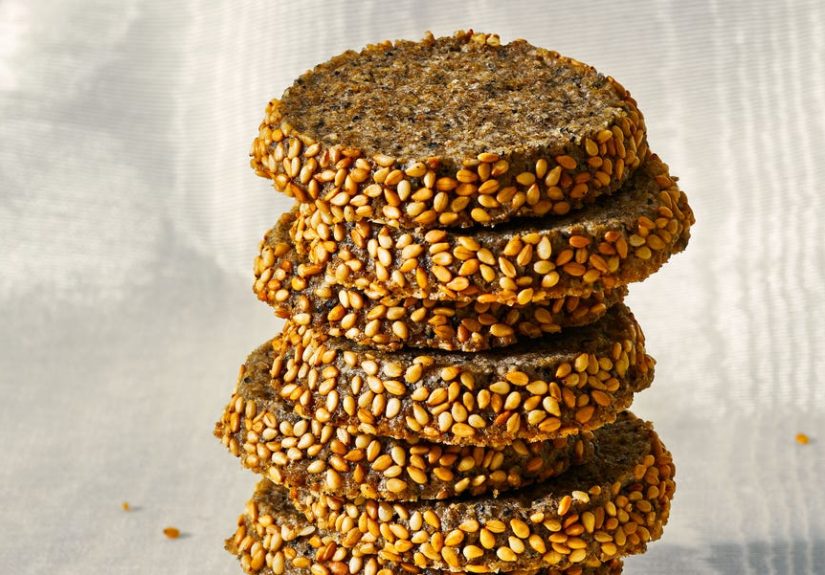
Rolling the logs in white sesame seeds gives you a crisp outer ring and a gorgeous black-and-white look. It’s a tiny detail that makes these cookies look like you bought them from a very cool bakery with expensive lighting.
Ingredients for the Best Black Sesame Sablés
Yield: About 30–32 cookies
- 1/3 cup roasted black sesame seeds (plus a little extra if you want stronger flavor)
- 1/2 cup granulated sugar
- 1 cup all-purpose flour (120 g)
- 1/4 cup dark rye flour (or use more all-purpose flour if needed)
- 1/4 teaspoon kosher salt
- 1/2 cup unsalted butter (1 stick), cold and cut into small cubes
- 2 large egg yolks
- 1/2 teaspoon pure vanilla extract
- 1/4 cup roasted white sesame seeds (for coating the logs)
Optional flavor upgrades
- 1 teaspoon orange zest for a bright citrus note
- 1/4 teaspoon espresso powder for a roasted, deeper finish
- 1 teaspoon tahini if you want extra sesame richness (stir it well first)
Ingredient Notes That Actually Matter
Roasted black sesame seeds
Use roasted seeds if you can find them. If yours are raw, toast them first until fragrant. Black sesame doesn’t change color much, so use your nose, not your eyes, as the doneness test.
Rye flour (the secret little flex)
A small amount of rye flour adds a malty, almost earthy depth that makes the sesame taste bigger and more interesting. If you don’t have rye flour, all-purpose flour still works beautifully.
Butter temperature
Cold butter helps create that crumbly sablé texture when pulsed into the flour. This is not the moment for soft, spreadable butter lounging on the counter.
Flour measuring
For the best texture, weigh your flour. If you’re using measuring cups, fluff the flour, spoon it into the cup, and level it off. Too much flour can make the dough dry and crumbly in a sad way.
How To Toast Sesame Seeds (Without Burning Them)
Sesame seeds go from “nice” to “wow” when toasted, but they burn fast. Here are two easy methods:
Stovetop method (best control)
- Heat a dry skillet over medium heat.
- Add the sesame seeds (no oil needed).
- Stir or swirl constantly for 3–4 minutes.
- As soon as they smell nutty and toasty, move them to a plate to cool.
Oven method (great for larger batches)
- Preheat the oven to 350°F.
- Spread sesame seeds on a small baking sheet.
- Toast for 5–6 minutes, stirring once halfway through.
- Cool completely before using.
Important: Let the seeds cool before grinding or mixing into dough. Warm seeds can soften the butter too early and mess with your texture.
How To Make Black Sesame Sablés
Step 1: Grind the sesame and sugar
Add the black sesame seeds and sugar to a food processor. Pulse until the seeds are finely ground and the mixture looks sandy and fragrant. This is where the magic starts.
Step 2: Add dry ingredients
Add the all-purpose flour, rye flour, and salt. Pulse a few times until everything is evenly combined.
Step 3: Cut in the butter
Add the cold butter cubes and pulse until the mixture looks like coarse crumbs. You want small buttery bits throughout the dough, not a smooth paste.
Step 4: Add yolks and vanilla
Pulse in the egg yolks one at a time, then add the vanilla. Mix just until the dough looks crumbly but holds together when you squeeze it in your hand. Don’t overmixsablés like a gentle touch.
Step 5: Form logs
Dump half the dough onto a sheet of plastic wrap. Gently knead it a few times just to bring it together, then shape it into a log about 1 1/4 inches thick. Repeat with the second half.
Step 6: Coat with white sesame seeds
Spread the white sesame seeds on a tray or plate. Roll each dough log in the seeds, pressing lightly so they stick. Wrap tightly in plastic.
Step 7: Chill (or freeze) until firm
Chill the logs in the freezer for about 1 hour, or refrigerate until very firm. If you have time, a longer chill (even overnight in the fridge) improves flavor and makes slicing easier.
Step 8: Slice and bake
Preheat the oven to 350°F. Line two baking sheets with parchment paper.
Using a sharp knife, slice the logs into rounds about 3/8 inch thick. If the edges crack a little, just press them back into shape with your fingers. Space cookies about 1 1/2 inches apart.
Bake for 12–14 minutes, rotating pans halfway through, until the cookies look matte, set, and lightly golden at the edges.
Step 9: Cool completely
Let the cookies sit on the baking sheet for 5 minutes, then move them to a wire rack. They firm up as they cool, so don’t judge them too early.
Pro Tips for Bakery-Style Results
Use a sharp knife and clean cuts
A long, thin knife gives the cleanest slices. If the dough starts crumbling, let it sit at room temperature for 5–10 minutes, then try again.
Want perfectly round cookies?
After wrapping the dough log, place it inside a cut-open paper towel roll (yes, really) and roll gently to smooth the sides. Chill it inside the tube. This trick helps the logs stay nicely round instead of going weirdly oval.
Don’t skip parchment
Parchment helps sablés bake evenly and prevents over-browning on the bottoms. These cookies are rich and delicate, so a little pan insurance goes a long way.
If adding tahini, stir it first
Tahini can separate in the jar. Stir it thoroughly before measuring so you don’t accidentally add a slick of oil to the dough and throw off the texture.
Easy Variations to Try
Orange Black Sesame Sablés
Add 1 teaspoon finely grated orange zest to the dough. Citrus and black sesame are an excellent matchbright, nutty, and a little fancy without trying too hard.
Black Sesame Espresso Sablés
Add 1/4 teaspoon espresso powder to deepen the roasted flavor. You won’t get a strong coffee taste; it just makes the sesame taste toastier and more complex.
Brown Sugar Black Sesame Shortbread Squares
Prefer a press-in pan cookie style? Use brown sugar and a little powdered sugar for a softer sweetness, add sesame and tahini, press into a square pan, chill, bake, and cut into bars or squares. It’s a great low-effort variation for gifting.
Salted Edge Sablés
Brush the edges lightly with egg white, then roll in a mix of sesame seeds and coarse sugar (or a pinch of crunchy sea salt). It gives you sparkle, crunch, and a little sweet-salty contrast.
Storage and Make-Ahead Tips
Room temperature
Store baked black sesame sablés in an airtight container at room temperature for up to 4–5 days. They stay crisp and delicious if your kitchen isn’t humid.
Freeze the dough logs
Wrapped dough logs freeze very well for up to 2 months. Let them sit at room temperature for 10–20 minutes before slicing so they don’t crack too much.
Freeze sliced rounds
You can also freeze the cut cookies on a tray, then transfer to a freezer bag. Bake straight from frozen and add 1–3 minutes to the baking time.
Troubleshooting Black Sesame Sablés
The dough is too dry and won’t come together
This usually means too much flour or not enough mixing after the yolks. First, squeeze a handfulsablé dough often looks crumbly before it comes together. If it still won’t hold, add 1 teaspoon cold water (or 1 teaspoon tahini) and gently knead just until it binds.
The cookies spread too much
The dough probably wasn’t cold enough. Chill longer, and make sure your butter stayed cold during mixing. Also avoid a greased baking sheetparchment is your friend here.
The edges crack while slicing
If the logs are rock-hard from the freezer, wait a few minutes before slicing. If they’re too soft, chill them again. Sablés love the middle ground: firm, not frozen solid.
The sesame flavor tastes weak
Toast the sesame seeds longer next time (just until fragrant), and grind them more finely. You can also increase the black sesame seeds slightly for a bolder flavor.
How To Serve Black Sesame Sablés
- With hot coffee or a strong black tea
- On a holiday cookie platter for contrast
- Alongside vanilla ice cream (crumble one on top)
- Packed in a tin as a giftthey travel well
- With a little dark chocolate drizzle if you’re feeling extra
Final Thoughts
If you’re looking for a cookie that feels elegant but doesn’t require pastry-school stress, this black sesame sablé recipe is a winner. The flavor is nutty, buttery, and just unexpected enough to get people talking. The method is forgiving, the dough freezes beautifully, and the cookies look wildly impressive for something that starts with “pulse the sesame seeds and sugar.”
Make a batch for guests, make a batch for gifts, and absolutely make a secret batch for yourself. That’s not greed. That’s good planning.
Kitchen Experience Notes: What It’s Really Like Making Black Sesame Sablés (500+ Words)
The first time I made black sesame sablés, I expected them to behave like regular sugar cookies. They did not. They behaved better. The dough looked a little crumbly at first, and I had a brief dramatic moment where I thought, “Well, this is how I become the person who serves cookie crumbs in a bowl and pretends it’s rustic.” But once I squeezed the dough in my hand and gently kneaded it a few times, it came together exactly the way it was supposed to.
What surprised me most was the smell. Black sesame has this deep roasted aroma that feels warmer and more complex than vanilla-only cookie dough. It’s nutty, slightly savory, and somehow cozy at the same time. When you pulse the sesame seeds with sugar, the scent really wakes up. It’s one of those moments in baking where you know early on that the final result is going to be worth it.
In testing, I found that the texture of the sesame grind matters more than people think. If the seeds are only roughly chopped, the cookies still taste good, but the flavor doesn’t spread through the dough as evenly. When the seeds are ground finer, the entire cookie tastes more “black sesame” instead of just having little sesame bursts here and there. I also noticed that grinding the seeds with sugar (instead of flour) works better because the sugar helps the processor move everything around more smoothly.
The shaping step is where the cookies start looking professional. Rolling the logs in white sesame seeds gives them instant visual appeal, but the real trick is taking an extra minute to smooth the log shape before chilling. I tried skipping that once and ended up with cookies that looked like tiny pebbles. Delicious pebbles, yes, but pebbles. When I wrapped the logs tightly and rolled them gently on the counter, the slices came out much more even. The paper towel tube trick also works better than it has any right to.
Chilling is the part people always want to rush, and I get it. Cookie cravings are not known for patience. But with sablés, the chill time is where the dough settles, the butter firms up, and the slices become clean and easy. I tested one batch after only a short chill and another batch after an overnight rest. The overnight batch had better flavor and cleaner edges. Not night-and-day different, but definitely better. If you’re baking for guests or photos, the extra time helps.
Another thing I learned: black sesame cookies don’t always look “done” the way chocolate chip cookies do. They won’t scream at you with dark golden tops. Instead, you’re looking for subtle signs: matte surfaces, set centers, and lightly golden edges. Pull them too early and they stay a little soft in the center; bake them too long and the butter notes can get lost. My best batches consistently landed around the 13-minute mark, with a pan rotation halfway through.
I also played around with variations. Orange zest was the clear winner for a bright, elegant version. Espresso powder was great too, but it’s more of a background flavor booster than a headline ingredient. Tahini made the cookies richer and slightly softer, but I prefer a small amount if I’m using it at all. Too much and the classic sablé snap starts turning into a softer shortbread texture. Still tasty, just a different cookie personality.
For gifting, these are excellent. They stack well, they don’t crumble easily if cooled completely, and they taste even better the next day. I’ve packed them in tins with parchment between layers and they held up beautifully. And if you want a cookie that sparks conversation, black sesame does the job. People always ask what the flavor is, then immediately reach for a second one after the first bite. That’s the ideal cookie outcome, honestly: curiosity, then repeat snacking.
If you’re new to sablés, this recipe is a great place to start. It has enough detail to feel special, but not so much fuss that you need a spreadsheet. And once you make one batch, you’ll start thinking of all the variations: lemon zest, cardamom, white chocolate drizzle, maybe even a holiday tin with mixed sesame and citrus versions. That’s the fun of a solid sablé recipeit’s classic enough to trust, flexible enough to keep playing with, and delicious enough that nobody complains when you “test” it again next weekend.