Table of Contents >> Show >> Hide
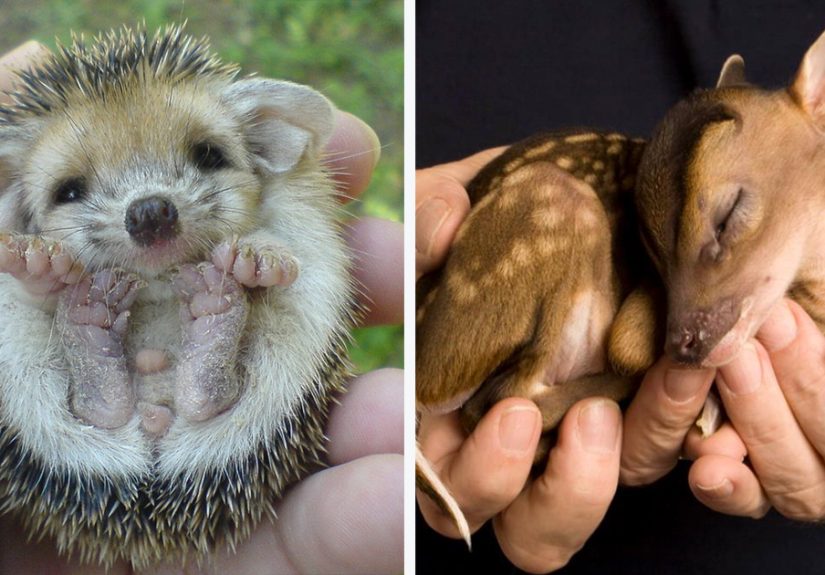
Some internet posts are educational. Some are useful. And some exist purely to vaporize your productivity in the best possible way. “112 Palms Full Of Cuteness” belongs in that last category. The title sounds like a sugar rush in headline form, and honestly, that is exactly the vibe: tiny animals, tiny paws, tiny noses, giant emotional damage. One glance at a baby creature small enough to fit in a hand and the human brain immediately forgets taxes, deadlines, and whatever serious thing it was pretending to care about five seconds earlier.
But this kind of cuteness is not just random internet fluff. Palm-sized baby animals hit a very specific set of emotional buttons. Their oversized eyes, round faces, soft bodies, and awkward little movements trigger ancient caregiving instincts. In other words, your heart is not weak. Your wiring is working exactly as designed. That is why photos of kittens, puppies, ducklings, bunnies, baby bats, or even a tiny octopus can spread across the web at lightning speed. They do not merely look adorable. They look protectable.
This article takes the viral charm of “112 Palms Full Of Cuteness” and goes deeper. We will look at why tiny animals feel irresistible, which baby creatures dominate the cute economy, why the smallest wildlife should be admired carefully, and how to enjoy all that fuzzy joy without turning real animals into props. Because yes, the internet can keep its tiny squeaky masterpieces, but a little science and a little common sense make the whole thing even better.
What “112 Palms Full Of Cuteness” Really Captures
The phrase works because it turns size into emotion. A palm is not just a measurement here. It is a mood. If an animal is small enough to curl into a hand, sit in a mitten, or resemble a living marshmallow, people stop scrolling. The title also suggests abundance. Not one cute moment. Not ten. A full parade of them. It promises a gallery of tiny lives at their most vulnerable, expressive, and photogenic.
And that is the secret sauce. We are not only reacting to miniature scale. We are reacting to a stage of life. Baby animals look unfinished in the most lovable way. Their ears may be too big, their legs may seem borrowed from another species, and their balance may be based on pure optimism rather than physics. A newborn kitten can barely coordinate a crawl. A duckling looks like a pom-pom with opinions. A baby rabbit somehow manages to look both startled and sleepy at the same time. These are not flaws. These are premium-grade cuteness features.
Even animals that do not usually top the “awww” charts get a dramatic rebrand when they are tiny. A bat pup becomes less “goth umbrella” and more “forbidden fuzz nugget.” A puffer fish baby suddenly looks like a floating punctuation mark of delight. A baby octopus becomes eight tiny reasons to forget everything you know about personal boundaries. Scale changes perception, and babyhood changes it even more.
Why Humans Are So Ridiculously Vulnerable to Tiny Animals
Baby schema: the science behind the squeal
The strongest explanation is something scientists often call baby schema. This refers to a cluster of infant-like features: a relatively large head, big eyes, a high forehead, chubby cheeks, a small nose and mouth, and a compact body. These features tend to trigger attention, affection, and a desire to care. They are not just cute in a casual sense. They are biologically powerful.
That is why a palm-sized puppy or kitten feels almost unfair. It is essentially a concentrated dose of baby schema with bonus fur. The eyes look enormous compared with the face. The head appears oversized. The body is round instead of streamlined. The movements are clumsy in a way that signals dependence rather than threat. Your brain reads all of this very quickly and responds with, “Protect that immediately.”
Even more interesting, this reaction crosses species lines. Humans do not reserve it only for human infants. We extend it to puppies, kittens, and many other young animals. That helps explain why people can become deeply attached to photos of baby wildlife they will never meet. The response is not purely rational. It is emotional pattern recognition moving at top speed.
Why “puppy dog eyes” are not an accident
Dogs deserve their own subsection because they have been winning the human approval contest for a very long time. Research and expert discussion around domesticated dogs suggest that facial expressions matter a lot. The classic “puppy dog eyes” look, especially the raised inner eyebrow, makes dogs appear more infant-like and emotionally readable to humans. Translation: they have mastered the face that says, “I am a baby, a philosopher, and a snack enthusiast. Please respond accordingly.”
This helps explain why puppies are so effective in photos and in real life. They are not only small and soft. They also communicate in ways humans are primed to understand. A wrinkled forehead, wide eyes, and a tilted head can do more work than a three-page sales pitch. No wonder the internet treats puppies like tiny furry diplomats.
The weird urge to squeeze cute things
Then there is the strange little emotional glitch people sometimes experience around extreme cuteness: the urge to squeeze, nibble, or dramatically declare, “I cannot handle this.” That reaction has been discussed in psychology and popular science reporting as a form of “cute aggression.” Despite the dramatic name, it does not mean a person wants to harm the animal. It usually reflects emotional overload. The brain gets flooded with positive feeling and answers with a second reaction that helps regulate the intensity. In plain English, your heart hits maximum volume and your nervous system mashes a weird button.
So if a tiny bunny has ever made you want to yell into a pillow, congratulations. You are not broken. You are just emotionally overcaffeinated by cuteness.
The Tiny Animals That Steal the Show
Kittens and puppies: the undefeated champions
No surprise here. Kittens and puppies dominate because they combine baby schema, familiarity, and social behavior. People already understand cats and dogs as companion animals, so the emotional connection is immediate. Add miniature size, sleepy faces, and the occasional off-balance tumble, and you have a viral machine.
Kittens are especially powerful during what shelters call kitten season, when large numbers of neonatal cats arrive needing foster care and round-the-clock attention. Their appeal is obvious, but their needs are intense. A palm-sized kitten may look like a pocket miracle, yet in real life it may need warmth, bottle feeding, medical monitoring, and careful social support. The tiny body that makes people gasp also signals real fragility.
Puppies follow the same emotional pattern with an added layer of social development. Those first weeks matter. Puppies learn from their mother and littermates, and responsible experts often note that timing, socialization, and early experiences shape future behavior. In other words, the bright-eyed puffball in the basket is adorable, yes, but also in the middle of a major developmental chapter.
Rabbits, ducklings, chicks, and other tiny overachievers
Wild and farm babies bring a different kind of charm. A baby rabbit looks like someone animated a cotton ball and gave it anxiety. A duckling moves like a squeaky comma. A chick looks permanently surprised to exist. These animals win hearts because they seem impossibly delicate while also radiating determination.
Ducklings and goslings are especially entertaining because many are ready to move almost immediately after hatching. They do not spend much time making a grand entrance. They hatch, wobble once, and appear to have a meeting across the pond. Rabbits and fawns, by contrast, often survive by staying still and blending in, which is part of why people mistakenly assume they have been abandoned. Cuteness can make stillness look like helplessness, even when it is actually a smart survival strategy.
The surprise contenders: bats, octopuses, and the tiny oddballs
One reason “112 Palms Full Of Cuteness” works so well is that it broadens the cast. It reminds people that tiny animals do not have to look conventional to be lovable. A baby bat can have a face that seems stitched together from velvet and mischief. A tiny octopus can look like a jelly toy with genius-level curiosity. Small reptiles, amphibians, and fish sometimes appear almost cartoonish at juvenile stages.
Zoos and wildlife educators have long understood that young animals can spark public interest in species people might otherwise overlook. Sometimes one adorable baby becomes the ambassador for an entire conservation conversation. People arrive for the squeal factor and leave knowing more about habitat, survival, and animal care. Frankly, that is a pretty good trade.
The Serious Truth Behind the Cute Photos
Cute does not mean orphaned
This is the part the internet often skips. A baby wild animal alone is not automatically in trouble. In many species, parents intentionally leave babies hidden while they forage or avoid drawing predators to the nest or resting spot. Fawns stay still for long stretches. Baby rabbits can appear tiny and independent sooner than many people expect. Young birds on the ground may be fledglings in the normal process of learning to fly.
That matters because human help is not always help. Picking up wildlife because it looks lonely can reduce its odds of survival. Admiration is wonderful. Interference is not. The most loving move is often the least dramatic one: step back, keep pets away, and observe from a distance.
Why hands are not always the happy ending
The title says “palms,” but real life requires nuance. Some animals in viral images are companion animals under proper care. Some are safely handled by trained professionals. Some, however, are wild babies that should not be touched, moved, or posed for photos. Wildlife agencies and animal welfare groups consistently warn that getting too close can stress animals, separate them from parents, spread disease, or encourage harmful human habits.
Social media can make this worse. A close-up with a tiny wild creature looks sweet online, but the backstory may be less charming. Handling wildlife for selfies or novelty content can fuel bad tourism, careless behavior, and even exploitation. The photo may say “magic.” The animal may say “absolutely not.”
How to Enjoy Palm-Sized Cuteness Responsibly
Start with a simple rule: enjoy the tiny animal, not the fantasy of owning or handling it. If it is a pet or foster animal in a safe environment, great. If it is wildlife, let distance do the work. Use your camera zoom, not your hands. Support shelters, ethical rescues, licensed rehabilitators, and reputable zoos or aquariums that focus on welfare and education. Share content that respects animals instead of treating them like accessories.
If you are considering bringing home a small pet because one cute video melted your resolve, pause for one full adult moment. Puppies grow. Kittens need care. Exotic animals come with special requirements that cuteness does not magically solve. Tiny is a size, not a maintenance plan.
The best version of this trend keeps the wonder and drops the selfishness. Love the tiny beans. Respect their boundaries. Let the cuteness do what it does best: make people softer without making animals suffer for it.
What These Tiny Encounters Feel Like in Real Life
There is a difference between seeing a palm-sized animal on a screen and experiencing that kind of smallness in real life. The photo is cute. The real moment is almost disorienting. A tiny creature can make the world feel suddenly enormous and fragile at the same time.
Picture a foster room during kitten season. The whole place is warm, quiet, and busy in that oddly focused way that happens when everyone knows they are dealing with something delicate. A kitten no bigger than a paperback book makes a noise so small it barely counts as a meow. Someone is mixing formula. Someone else is weighing a kitten on a scale that looks almost ridiculous because the patient is basically a puff with whiskers. The animals are adorable, yes, but the stronger feeling is responsibility. You stop seeing “content” and start seeing lives that are still very much under construction.
Or imagine spotting a baby rabbit in the yard for the first time. Your first instinct is to gasp. Your second instinct is to protect it from every danger that has ever existed, including lawn mowers, neighborhood cats, gravity, and probably bad vibes. Then you learn the wiser lesson: sometimes the kindest thing is to back away. The bunny is not abandoned. It is doing exactly what nature designed it to do, which is sit there looking heartbreakingly vulnerable while being, in fact, right where it should be.
Ducklings create a completely different mood. They do not seem fragile in the same still way. They seem tiny and ambitious, like interns in feather suits. They hatch, line up behind a parent, and proceed with great urgency toward whatever body of water has apparently scheduled them for the afternoon. Watching them is funny, but it is also clarifying. Baby animals are not decorative. Even at their smallest, they are busy becoming themselves.
Puppies, meanwhile, bring chaos to the experience section of life. A very young puppy can fall asleep mid-play like a toy whose batteries gave up. Two minutes later, it wakes up with the conviction of a motivational speaker and starts chewing something expensive. That mix of innocence and nonsense is part of the appeal. Real cuteness is rarely neat. It is messy, wiggly, loud, sleepy, and occasionally determined to bite your shoelaces as if national security depends on it.
That is probably why the “palms full of cuteness” idea stays with people. It is not only about tiny bodies. It is about scale, vulnerability, trust, and the immediate emotional reset that happens when a very small animal enters your field of vision. For a brief moment, the world gets quieter. Your priorities rearrange themselves. You remember that gentleness is not a weak response. It is often the right one. And maybe that is why these little creatures hold such power over us. They make us laugh, soften our edges, and pay attention. Not bad work for something that fits in one hand.
Conclusion
“112 Palms Full Of Cuteness” works because it delivers more than adorable images. It taps into biology, emotion, and the very human urge to protect small, vulnerable lives. Palm-sized animals are irresistible because they compress everything people respond to most strongly: innocence, softness, awkwardness, and dependence. But the smartest response to cuteness is not possession. It is appreciation with restraint.
So enjoy the tiny paws, the sleepy eyes, the miniature squeaks, and the impossible little faces. Just remember that the best cute content leaves the animal safer, calmer, and exactly where it belongs. The internet can keep the “aww.” Real life should keep the respect.