Table of Contents >> Show >> Hide
- What Is a Craftool Rivet Setter?
- Why This Tiny Tool Matters So Much
- How a Craftool Rivet Setter Works
- What Types of Projects Benefit Most?
- Choosing the Right Rivet and Setter Combination
- Step-by-Step: How to Use a Craftool Rivet Setter
- Common Mistakes to Avoid
- Is the Craftool Rivet Setter Good for Beginners?
- Who Should Buy One?
- Final Thoughts
- Workshop Experience Notes: What Crafters Commonly Notice When Using a Craftool Rivet Setter
If leatherworking had a hall of fame for small tools that quietly save projects from disaster, the Craftool Rivet Setter would deserve a plaque, a spotlight, and probably a tiny velvet rope. It is not flashy. It does not beep, glow, or make you feel like you are operating industrial machinery from the future. What it does do is help set rivets cleanly, securely, and with far less drama than the old “hit it and hope” method.
For beginners, this tool is often the first real lesson in hardware installation: leather is forgiving in some ways, but rivets are not. A crooked strike, the wrong post length, or too much force can turn a polished bag strap into something that looks like it lost a bar fight. That is why a dedicated setter matters. The right tool protects the rivet cap, improves alignment, and gives your finished piece a more professional look.
In this guide, we will break down what a Craftool Rivet Setter is, how it works, what kinds of projects it suits best, and how to use it without flattening your hardware into a sad metallic pancake. We will also cover common mistakes, practical buying advice, and real-world workshop experiences that leathercrafters often have when they start using one.
What Is a Craftool Rivet Setter?
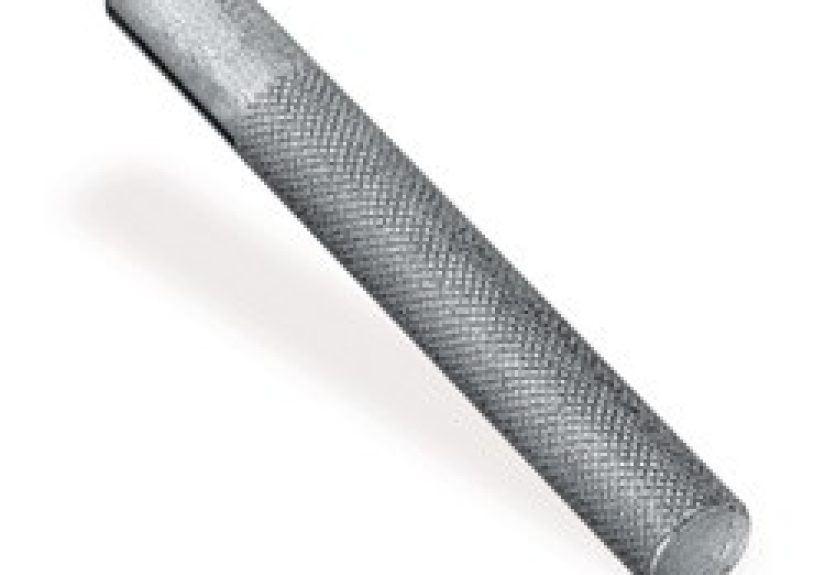
A Craftool Rivet Setter is a hand tool used to install leather rivets by striking the tool with a mallet while the rivet is supported on an anvil or matching base. Its purpose is simple but important: it helps form a secure, neat connection without crushing the visible cap.
In practical terms, the setter acts like a guide for force. Instead of hitting the rivet directly, you strike the setter, and the shaped tip of the tool transfers pressure to the rivet in a more controlled way. That is a big deal in leathercraft, where appearance matters almost as much as strength. A rivet that holds well but looks dented, tilted, or over-compressed is still a bad install.
Craftool setters are especially associated with Tandy Leather’s leathercraft line, and many crafters use them for rapid rivets, decorative rivets, and similar small hardware. Depending on the model, the tool may be intended for standard rivets, extra-small rivets, or other hardware families. In other words, a rivet setter is not magic. It still has to match the hardware you are trying to install.
Why This Tiny Tool Matters So Much
Leatherworkers learn this pretty quickly: hardware can make a project look premium or painfully homemade. Rivets are often used in visible places such as belt loops, wallet straps, bag tabs, dog collars, cuffs, and decorative accents. Because they are both structural and visual, poor setting stands out immediately.
The Craftool Rivet Setter matters because it solves three problems at once. First, it helps keep the cap from flattening or distorting. Second, it helps center the strike so the rivet closes more evenly. Third, it reduces the odds of damaging the leather around the hardware. That is a nice return on investment for a tool that takes up less bench space than a coffee mug.
It also helps standardize your results. If you are making one belt for yourself, a few imperfect rivets might be charming. If you are making a batch of wristbands, tote straps, or products for sale, consistency suddenly becomes everything. Customers tend to admire neat rows of evenly set rivets. They do not usually admire “handmade character” when it looks suspiciously like a misfire.
How a Craftool Rivet Setter Works
The basic setup
Using a Craftool Rivet Setter usually involves four things: the rivet itself, the setter, a matching anvil or base, and a non-metal striking tool such as a mallet or maul. You also need a properly punched hole in the leather. That last part is more important than many beginners realize. If the hole is too small, the post may bind and tilt. If it is too large, the rivet can shift and set off-center.
The role of the shaped tip
The end of the setter is typically shaped to fit the rivet cap. This matters because rivet caps are rounded. When the setter’s tip matches that shape, the force is distributed in a way that helps preserve the cap’s appearance. That is why dedicated setters produce cleaner results than improvising with random household tools. Yes, technically you can install a rivet with whatever is lying around in the garage. Technically you can also frost a cake with a wrench.
The strike itself
After the rivet post passes through the leather and the cap is placed on top, the leatherworker positions the assembly on the anvil, aligns the setter, and strikes it with controlled hits. The goal is not brute force. The goal is a firm, centered set. Several moderate blows are usually better than one dramatic swing that makes everyone in the room question your emotional relationship with hardware.
What Types of Projects Benefit Most?
The Craftool Rivet Setter is especially useful on small and medium leather projects where rivets provide reinforcement, closure support, or decorative detail. Common uses include:
Belts and straps
Rivets are often added near buckle folds, keeper loops, and layered strap sections. A proper setter helps keep these visible rivets neat and secure.
Bags and wallets
Bag tabs, handles, pockets, and flap straps often benefit from rivets. Wallet straps and card-holder tabs also use small rivets where a tidy finish matters.
Accessories and small goods
Bracelets, key fobs, sheaths, collars, notebook covers, and pouches are classic rivet territory. These projects are usually small enough that every hardware choice is highly visible.
Decorative leatherwork
Some rivets are structural. Others are mostly there to look good. The setter helps with both. Decorative installations still need control, especially on softer leather where one bad strike can mark the surface.
Choosing the Right Rivet and Setter Combination
This is where many beginners get tripped up. Not every rivet setter fits every rivet. A standard Craftool Rivet Setter is commonly used for regular rapid-style rivets and similar hardware, while extra-small or specialty rivets usually need their own matched setter. If you mismatch the tool and hardware, the result can be loose, crooked, cracked, or cosmetically ugly.
Post length matters too. The rivet should fit the thickness of the material stack. If the post is too short, the rivet will not seat properly. If it is too long, it may bend, mushroom, or fail to compress neatly. That is why experienced leatherworkers always test on scrap first. Scrap leather is cheaper than regret, and far less dramatic.
Material thickness also affects the final result. A rivet that works beautifully through a single layer of light leather may behave very differently in a stacked belt fold or a lined bag tab. The smart move is to match the rivet to the exact thickness of the finished assembly, not to your optimistic memory of what the leather looked like before you added lining, glue, and reinforcement.
Step-by-Step: How to Use a Craftool Rivet Setter
1. Measure the material thickness
Stack the leather exactly as it will sit in the finished project. Check that the rivet post is long enough to pass through and engage the cap, but not so long that it leaves excess material standing above the surface.
2. Punch a clean hole
Use the correct punch size for the rivet post. A clean, centered hole gives the rivet the best chance of seating straight.
3. Insert the rivet post
Push the post through the leather from the back or underside, depending on the look you want. Make sure the visible cap is positioned on the preferred face of the project.
4. Add the cap
Place the cap onto the exposed post. Press it lightly so the parts stay aligned.
5. Position the rivet on the anvil
Set the rivet into the proper side of the anvil or base. The cap should sit securely so it does not wobble.
6. Align the setter carefully
Place the Craftool Rivet Setter over the cap. Keep it vertical. This is not the time for “close enough.” Rivets remember everything.
7. Strike with controlled blows
Use a mallet or maul, not a metal claw hammer, and deliver a few firm hits. Check the set before overdoing it. Too much force can flatten the cap or leave marks around the hardware.
8. Inspect the result
The rivet should feel tight, sit straight, and look smooth on both sides. If it spins loosely, the post length or setting force may have been wrong.
Common Mistakes to Avoid
Using the wrong size rivet
This is mistake number one. An oversized post often causes a messy set, while an undersized post may fail to hold. Hardware sizing is not glamorous, but it is the secret sauce.
Skipping the test piece
Even experienced leatherworkers test unfamiliar combinations on scrap. Leather density, finish, lining, and hardware tolerances can all change the feel of the set.
Hitting too hard
Many bad rivets are born from enthusiasm rather than incompetence. Controlled force beats theatrical force nearly every time.
Using a metal hammer carelessly
A dedicated mallet or maul is safer for leather tools and hardware. Metal hammers increase the risk of marring tools, rivets, and sometimes fingers. Your project deserves better, and frankly, so does your thumbnail.
Poor bench support
If your work surface has too much bounce, your rivets may set inconsistently. Solid support underneath the anvil helps transfer force efficiently.
Is the Craftool Rivet Setter Good for Beginners?
Yes, absolutely. In fact, it is one of the better beginner leather tools because the learning curve is short and the payoff is immediate. You use it once correctly, and suddenly your work looks more intentional. That is deeply satisfying, especially when you are still building confidence with cutting, edging, and stitching.
It is also affordable compared with larger bench presses or die systems. For hobbyists, casual crafters, students, and people building a starter toolkit, a simple hand setter makes sense. It is compact, practical, and capable of delivering very respectable results when paired with the right rivets and a stable work surface.
That said, if you plan to install large numbers of rivets every week, a press system may eventually become more efficient. Hand setters are excellent for control, portability, and low-volume work. Production shops tend to move toward press-mounted dies once speed and repetition matter more than bench simplicity.
Who Should Buy One?
A Craftool Rivet Setter is a strong choice for beginners learning leather hardware, hobbyists making belts and accessories, crafters repairing bags or tack, and small makers who want a low-cost, reliable hand-setting solution. It is also useful for anyone who already has rivets but keeps getting uneven results with generic tools.
If your projects regularly include rapid rivets, decorative rivets, or small hardware details, this tool earns its keep quickly. If you rarely use rivets, it may still be worth having in your kit because when you do need it, nothing else substitutes very gracefully.
Final Thoughts
The Craftool Rivet Setter is one of those tools that proves leathercraft is often about precision, not complexity. It is not expensive, not complicated, and not flashy. Yet it can dramatically improve the look and reliability of leather goods by helping rivets set cleanly and consistently.
For anyone making belts, wallets, straps, cuffs, collars, or bags, a proper setter is more than a convenience. It is a quality control tool. It gives you better-looking hardware, fewer failed installs, and much less temptation to mutter at your workbench. That alone might be worth the price.
If you pair the right setter with the right rivet, work on a solid surface, and practice on scrap before committing to a finished piece, you will be surprised by how polished your projects can look. Small tool, big upgrade. Leatherworking loves that kind of math.
Workshop Experience Notes: What Crafters Commonly Notice When Using a Craftool Rivet Setter
One of the most common experiences leathercrafters report is that the first successful rivet set feels almost ridiculously satisfying. You line everything up, give the setter a couple of clean strikes, lift the tool, and there it is: a neat, centered rivet that actually looks like it belongs on a finished product. For many beginners, that moment is a turning point. Until then, hardware can feel intimidating. After that, it starts to feel manageable.
Another common experience is realizing that rivet setting is less about strength and more about rhythm. New users often start out swinging too hard, assuming force is what creates a secure hold. Then they flatten a cap, mark the leather, or set the rivet crooked. Once they switch to controlled blows and better alignment, their results improve almost immediately. The lesson tends to stick: leatherworking rewards patience more than power.
Crafters also notice how much scrap testing saves the day. A rivet that looked perfect in theory may be slightly too long once the leather is glued, folded, or lined. Testing one sample on scrap usually reveals the problem before it ruins the actual project. That little habit becomes part of the workflow, especially for people making belts, bag straps, and layered tabs. It feels slow at first, but it prevents the much slower process of undoing a mistake you cannot really undo.
Many hobbyists mention that the Craftool Rivet Setter helps them feel more confident taking on projects with visible hardware. Before using a dedicated setter, they may avoid rivets altogether or hide them in less noticeable places. After a few good installs, they start adding rivets where they actually improve the design. The tool does not just set hardware; it expands what the maker feels comfortable building.
There is also the experience of learning that the bench matters almost as much as the tool. A wobbly table, a soft surface, or poor lighting can sabotage even a good rivet setter. Once crafters move to a firmer surface and improve their setup, the same tool suddenly performs better. This is one of those annoyingly useful workshop truths: sometimes the problem is not your technique, your rivet, or your setter. Sometimes the table is just being unhelpful.
Finally, experienced users often describe the Craftool Rivet Setter as one of those small tools that keeps earning a place in the drawer. It may not be used every single day, but when it is needed, it is exactly the right tool. That kind of reliability matters in leathercraft. A dependable setter turns rivet installation from a stressful step into a routine one, and that makes the entire building process smoother, faster, and more enjoyable.