Table of Contents >> Show >> Hide
- What Is a Bland Diet?
- Foods to Eat on a Bland Diet
- Foods to Avoid on a Bland Diet
- A Simple Bland Diet Meal Plan
- How Long Should You Stay on a Bland Diet?
- Bland Diet vs. BRAT Diet vs. Low-Fiber Diet
- Who Should Be Careful With a Bland Diet?
- When to Call a Doctor
- Common Experiences People Have on a Bland Diet
- Conclusion
- SEO Tags
When your stomach is throwing a tiny rebellion, a bland diet can feel like the culinary equivalent of a peace treaty. No fireworks. No spicy drama. No greasy plot twists. Just simple, easy-to-digest foods that give your digestive system a chance to calm down and stop acting like it just watched an action movie on full volume.
A bland diet is often recommended for short-term digestive issues such as nausea, vomiting, diarrhea, acid reflux, or general stomach irritation. It may also be used after certain stomach or intestinal procedures, or while easing back into normal eating after an illness. The goal is pretty simple: choose foods that are soft, mild in flavor, lower in fat, and less likely to irritate the stomach or intestines.
That said, bland does not mean “eat plain toast forever and forget joy.” A smart bland diet can still include enough variety to keep you fed, hydrated, and reasonably cheerful. The trick is choosing foods that are gentle on the gut while skipping the ones that tend to trigger symptoms. Here’s what to know about foods to eat, foods to avoid, how long to stay on a bland diet, and how real people often experience it in everyday life.
What Is a Bland Diet?
A bland diet is a temporary eating pattern built around foods that are easy to chew, easy to digest, and unlikely to irritate your digestive tract. In practical terms, that usually means foods that are:
- Low in fat
- Low to moderate in fiber
- Soft or well-cooked
- Mild in flavor
- Not heavily seasoned
- Less acidic and less likely to trigger reflux
It is commonly used when you are dealing with an upset stomach, recovering from viral gastroenteritis, managing nausea, or trying to reduce irritation from reflux-like symptoms. Some people also use a bland diet while recovering from diarrhea, especially for a day or two while symptoms are at their peak.
One important point: a bland diet is not the same as a perfect long-term nutrition plan. It is a short-term strategy, not a personality trait. Once symptoms improve, most people gradually add more foods back in.
Foods to Eat on a Bland Diet
The best bland diet foods are gentle, familiar, and not trying to show off. Think soft starches, lean proteins, cooked produce, and simple fluids. Here are the main categories.
1. Soft Starches and Refined Grains
These foods are often the backbone of a bland diet because they are easy to digest and tend to be well tolerated:
- White toast
- Plain crackers or saltines
- White rice
- Plain pasta or noodles
- Cream of Wheat or other refined hot cereals
- Plain oatmeal, if tolerated
- Mashed potatoes
- Boiled or baked potatoes without lots of butter
- English muffins
- Dry cereal that is low in fiber
These foods are useful when your stomach feels sensitive because they are filling without being heavy. They also make good “bridge foods” when you are moving from clear liquids back to solid food.
2. Lean, Mild Proteins
Protein matters, even when your appetite is shaky. The key is to keep it lean, tender, and simply prepared:
- Baked or poached chicken without skin
- Turkey breast
- White fish
- Eggs
- Tofu
- Smooth peanut butter in small amounts
Avoid frying, breading, or drowning proteins in sauces. If your meal looks like it came with fireworks, it probably isn’t bland-diet friendly.
3. Fruits That Go Easy on the Stomach
Fruit can work on a bland diet, but the best choices are soft, canned, mashed, or naturally low in acid:
- Bananas
- Applesauce
- Canned peaches or pears
- Melons, if tolerated
- Diluted non-citrus juice
Bananas and applesauce get a lot of attention for good reason: they are easy to digest and tend to be stomach-friendly. Citrus fruits, however, can be a different story if reflux or heartburn is part of the problem.
4. Vegetables That Are Cooked, Soft, and Low-Key
Raw vegetables can be rough on a sensitive digestive system, so bland diets usually favor cooked vegetables instead. Good options include:
- Cooked carrots
- Cooked green beans
- Cooked squash
- Soft cooked zucchini
- Plain mashed or baked potatoes
- Canned vegetables that are not heavily seasoned
The goal is softness. If you have to wrestle the vegetable, your stomach may not appreciate the effort either.
5. Dairy and Dairy Alternatives, If They Sit Well
This category depends on the person. Some people tolerate low-fat dairy just fine. Others become temporarily sensitive to lactose after a stomach bug or diarrhea. Options that may work include:
- Low-fat yogurt
- Low-fat milk
- Pudding or custard
- Fortified dairy alternatives without lots of added sugar
If dairy makes you feel more bloated, gassy, or worse overall, take the hint and pause it for now.
6. Fluids and Simple Extras
Hydration is a major part of feeling better. Bland-friendly liquids often include:
- Water
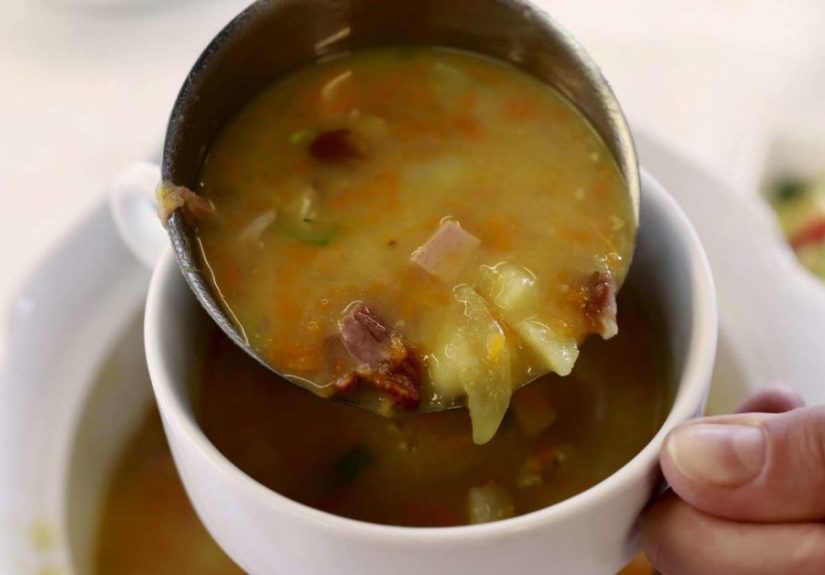
- Broth
- Clear soups
- Popsicles
- Gelatin
- Weak tea or caffeine-free herbal tea
- Oral rehydration solutions when needed
If nausea is the issue, small sips may work better than chugging a giant glass and hoping for the best.
Foods to Avoid on a Bland Diet
Now for the guest list your irritated stomach probably does not want. These foods are more likely to worsen symptoms such as nausea, reflux, diarrhea, gas, or stomach pain.
1. Fried and High-Fat Foods
- French fries
- Fried chicken
- Pizza
- Burgers
- Heavy cream sauces
- Greasy takeout foods
Fat slows stomach emptying in many people and can make reflux, nausea, and diarrhea feel worse.
2. Spicy or Heavily Seasoned Foods
- Hot sauce
- Chili peppers
- Curry-heavy dishes
- Garlic-heavy meals
- Strong onions
- Pepper-loaded foods
These may be delicious under normal circumstances. During a flare-up, they can be the equivalent of tap dancing on a sore toe.
3. Raw, Crunchy, or Very High-Fiber Foods
- Raw salads
- Broccoli
- Cabbage
- Cauliflower
- Beans
- Whole grains and bran cereals
- Nuts and seeds
- Dried fruit
Fiber is healthy in general, but when your stomach or intestines are irritated, too much fiber can feel like too much traffic on a road that already needs repair.
4. Highly Acidic Foods
- Oranges and grapefruit
- Lemon-heavy drinks
- Tomato sauce
- Salsa
- Vinegar-heavy foods
These foods may especially aggravate reflux or heartburn symptoms.
5. Sugary and Processed Foods
- Candy
- Doughnuts
- Pastries
- Soda
- Packaged desserts
- Sugar-free candy with sugar alcohols
Too much sugar can pull more water into the intestines and worsen diarrhea. Processed foods also tend to be high in fat, salt, or additives that an unhappy gut may not love.
6. Caffeine, Alcohol, and Carbonated Drinks
- Coffee
- Energy drinks
- Cola
- Alcoholic beverages
- Some fizzy drinks
These can irritate the stomach, worsen reflux, or contribute to dehydration when vomiting or diarrhea is in the picture.
A Simple Bland Diet Meal Plan
If you need a practical example, here is a gentle one-day plan:
Breakfast
Plain oatmeal or Cream of Wheat, half a banana, and weak tea or water.
Mid-Morning Snack
Applesauce and a few plain crackers.
Lunch
White rice with baked skinless chicken and soft cooked carrots. Broth on the side.
Afternoon Snack
Toast with a thin layer of smooth peanut butter, if tolerated.
Dinner
Plain noodles with baked white fish and mashed potatoes.
Evening Option
Gelatin, pudding, or a popsicle if you want something light.
This is not the most glamorous menu on Earth, but it often gets the job done while your digestive system regains its manners.
How Long Should You Stay on a Bland Diet?
For most people, a bland diet is a short-term plan. If you have an acute stomach bug, nausea, or a brief stretch of diarrhea, you may only need it for a day or two while symptoms are active. As you improve, start adding foods back gradually.
The best sign it is time to expand your diet is tolerance: you can eat without worsening nausea, pain, diarrhea, or reflux. Start by adding one or two moderate foods at a time, such as yogurt, soft fruit, or more varied proteins. If your body responds well, keep moving forward.
If you find yourself stuck on a bland diet for more than several days, or symptoms keep returning, that is a good reason to talk with a healthcare professional. Long-term restrictive eating can become nutritionally incomplete, especially if you are avoiding entire categories of food.
Bland Diet vs. BRAT Diet vs. Low-Fiber Diet
These terms are related, but they are not exactly identical.
Bland Diet
This is the broader category. It includes many mild, soft, lower-fat foods and is often tailored to symptoms.
BRAT Diet
BRAT stands for bananas, rice, applesauce, and toast. It is a very limited version of bland eating. It may help during brief digestive flare-ups, but it is not meant to be followed for long because it is too restrictive.
Low-Fiber Diet
This is usually more specific and often used for certain medical conditions or after surgery. It can overlap with bland eating, but it is not always the same thing. Some low-fiber foods may still be too rich, acidic, or irritating for someone with nausea or reflux.
In other words, bland is about gentleness. Low-fiber is about reducing roughage. BRAT is bland’s very limited cousin who travels light.
Who Should Be Careful With a Bland Diet?
A bland diet is usually safe for short-term use, but a few groups should be especially thoughtful:
- People with diabetes, because simple starches can affect blood sugar
- People with kidney disease or other medical diets that already have restrictions
- Children, who often need regular age-appropriate nutrition unless a clinician says otherwise
- Older adults, who can dehydrate quickly
- Anyone with ongoing weight loss, poor appetite, or chronic digestive symptoms
Also worth noting: if you are dealing with a peptic ulcer, modern medical guidance does not generally recommend a special ulcer diet for treatment. So while bland foods may feel more comfortable for some people, the diet itself is not a cure for ulcers.
When to Call a Doctor
A bland diet can help support recovery, but it is not a substitute for medical care when symptoms are severe or persistent. Get medical advice if you have:
- Vomiting that lasts more than 24 to 48 hours
- Diarrhea that lasts more than a few days
- Blood in vomit or stool
- Signs of dehydration, such as very dark urine, dizziness, or barely urinating
- Severe abdominal pain
- High fever
- Symptoms that keep coming back
- Unexplained weight loss
Sometimes your body is not asking for toast. It is asking for an actual diagnosis.
Common Experiences People Have on a Bland Diet
One of the most common experiences people report is relief mixed with boredom. The relief comes first: the burning calms down, the nausea eases, the bathroom stops feeling like a part-time job, and your stomach finally stops sending dramatic complaint letters. Then, usually somewhere around the third bowl of plain rice, the boredom arrives in full costume.
Many people say the first 24 hours on a bland diet feel surprisingly comforting. There is something reassuring about simple foods when your digestive system is acting fragile. Toast, bananas, broth, rice, applesauce, and potatoes are not exciting, but they are predictable. When you feel sick, predictable is underrated. Your stomach likes routine. Your taste buds may file a formal complaint, but your gut often approves.
Another common experience is discovering that “bland” is more personal than expected. One person does great with oatmeal but feels worse after yogurt. Another tolerates baked chicken but not eggs. Someone with reflux may find tomatoes or citrus are obvious troublemakers, while someone recovering from diarrhea notices dairy is the real villain. A bland diet works best when people pay attention to their own triggers instead of following a rigid list like it is a sacred scroll.
People also often notice that portion size matters almost as much as food choice. A small bowl of rice and chicken may feel fine, while a giant “I’m finally hungry again!” meal can backfire fast. This is especially true after nausea, vomiting, or stomach flu. The stomach tends to prefer a gentle reintroduction, not a surprise buffet. Eating smaller meals more often is one of those annoyingly practical tips that works much better than it sounds.
Hydration is another big theme in real-life bland-diet experiences. Many people assume the food matters most, but fluids often make the bigger difference early on. Sipping water, broth, or oral rehydration drinks slowly can be more helpful than trying to power through a normal meal too soon. Some people find cold drinks easier. Others do better with room-temperature liquids. It is not glamorous, but it is often what moves recovery in the right direction.
There is also a common emotional side to bland eating that people do not talk about enough. Food is tied to comfort, culture, routine, and pleasure. When you are told to avoid coffee, spicy noodles, fried favorites, tomato sauce, dessert, and your usual snacks, it can feel a little deflating. People often miss flavor more than they expect. That is why gentle variety matters. Switching between rice, toast, potatoes, noodles, bananas, applesauce, broth, eggs, and soft cooked vegetables can make the diet easier to stick with without making symptoms worse.
Finally, many people say the real win comes from knowing when to stop being too restrictive. Once symptoms improve, adding foods back slowly tends to feel empowering. A little yogurt. A slightly more seasoned soup. A soft sandwich. A cooked vegetable with more texture. Recovery usually is not about staying bland forever. It is about using bland foods strategically, learning what your body tolerates, and returning to a more balanced way of eating as soon as your system is ready. That is the sweet spot: support the stomach, avoid unnecessary suffering, and bring flavor back before your toast starts looking smug.
Conclusion
A bland diet can be a practical short-term tool when your digestive system needs a break. The best foods to eat are usually mild, soft, lower-fat, and easy to digest, such as toast, rice, bananas, applesauce, plain pasta, potatoes, broth, eggs, and lean proteins. Foods to avoid typically include fried foods, spicy meals, high-fat dishes, caffeine, alcohol, acidic foods, and heavy sweets.
The real secret is not perfection. It is paying attention. Start simple, eat small amounts, stay hydrated, and expand your meals as your body improves. If symptoms linger, worsen, or keep returning, do not just keep nibbling crackers and hoping for a miracle. Get checked out.