Table of Contents >> Show >> Hide
- How Pan Pipes Work
- Way 1: Make Straw Pan Pipes
- Way 2: Make PVC Pan Pipes
- Way 3: Make Bamboo Pan Pipes
- How to Tune Pan Pipes Without Losing Your Mind
- Which Method Should You Choose?
- Practical Examples of Where Homemade Pan Pipes Shine
- Experience: What Making Pan Pipes Actually Feels Like
- Conclusion
- SEO Tags
If you have ever looked at a set of pan pipes and thought, “That seems charming, ancient, and slightly too magical for a Tuesday afternoon,” good news: you can absolutely make your own. Pan pipes are one of those rare instruments that feel both wildly old-school and surprisingly DIY-friendly. They do not require a full workshop, a mysterious mountain guru, or a shed full of expensive tools. In many cases, they require straws, tape, and just enough patience to avoid cutting everything too short in a burst of crafting confidence.
This guide walks you through three practical ways to make pan pipes: a quick straw version, a sturdier PVC version, and a more traditional bamboo version. Along the way, you will learn how pan pipes work, how to tune them, what mistakes to avoid, and which build makes the most sense for your budget, skill level, and tolerance for trial and error. Whether you are making a classroom project, a handmade gift, or your own folk-inspired instrument, these methods can help you build a pan flute that looks good, sounds real, and does not immediately fall apart the second someone sneezes nearby.
How Pan Pipes Work
Before you start cutting anything, it helps to know why pan pipes make sound in the first place. Each pipe is basically a tube with one end closed and one end open. When you blow across the open top, the air inside vibrates. That vibrating air column creates pitch. In plain English: longer pipes make lower notes, and shorter pipes make higher notes.
That is the whole secret. Well, most of it. Diameter matters a little. Edge smoothness matters. How you blow matters. But the main rule is simple: length controls pitch. That is why pan pipes are made as a row of tubes in different sizes. Each tube is a single note, and together they become an instrument.
That also explains the most common beginner mistake: cutting too aggressively. Trim a pipe too short, and the note jumps higher. There is no magical “undo” button for a tube you just attacked with scissors. So throughout this article, one golden rule applies: start longer than you think you need, then trim slowly.
Way 1: Make Straw Pan Pipes
If you want the fastest, cheapest, and most beginner-friendly version, straw pan pipes are the place to start. They are perfect for kids, classrooms, rainy weekends, and anyone who wants a functioning instrument before dinner.
What You Need
- 8 to 10 plastic or paper straws
- Scissors
- Clear tape or masking tape
- A ruler
- A marker
- Optional: craft stick, yarn, stickers, or paint for decoration
How to Make Them
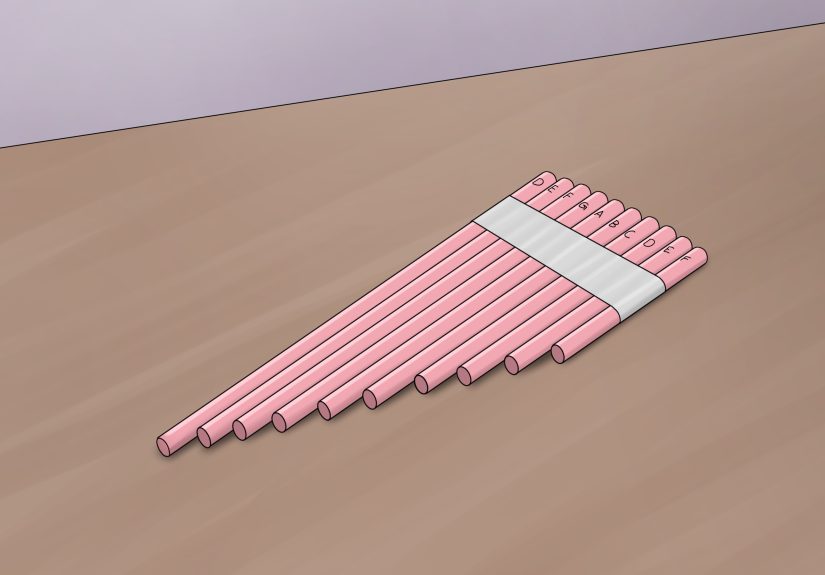
- Line up your straws and decide how many notes you want. Eight is a great starting point.
- Seal one end of each straw. You can fold the bottom up tightly and tape it shut, or use straws that already have a bend section and fold below that point.
- Measure and mark different lengths. Keep the tops even and vary the length from pipe to pipe.
- Arrange the straws from longest to shortest.
- Tape them together near the top, then add a second piece of tape lower down for stability.
- Blow across the open tops, not straight into them like you are trying to inflate a tiny pool toy.
A smart beginner set might start with gradual length differences, such as trimming each straw about half an inch shorter than the previous one. The exact notes are less important than consistent spacing when you are making a basic homemade instrument.
Why This Method Works
Straw pan pipes are simple, but they teach the real physics of the instrument. As the straw gets shorter, the air column inside gets shorter too, which raises the pitch. That means the instrument is not just a craft. It is a miniature lesson in acoustics disguised as a fun afternoon project.
Best For
- Kids and first-time makers
- School STEM or music projects
- Very low-cost builds
- Testing note spacing before making a better instrument
Common Straw Pan Pipe Mistakes
The biggest issue is uneven tops. If the open ends are not lined up neatly, the instrument becomes annoying to play. Another problem is loose tape. If the pipes wiggle, your pan pipes will feel less like an instrument and more like a bundle of confused drinking supplies. Also, do not cut all the pipes first and hope for the best. Test one or two, then keep going.
Way 2: Make PVC Pan Pipes
If straw pan pipes are the cheerful beginner version, PVC pan pipes are the durable upgrade. They produce a fuller, louder sound and hold up much better over time. They also look more like a serious instrument and less like a craft project that wandered away from the snack table.
What You Need
- Lengths of narrow PVC pipe
- PVC cutter or fine-tooth saw
- Sandpaper
- Ruler or measuring tape
- Corks, rubber stoppers, modeling clay, or glued caps for one end
- Strong tape, cord, zip ties, or a wooden backing strip
- Tuner app on your phone
- Protective eyewear and adult supervision if power tools are involved
How to Make Them
- Choose one pipe diameter and stick with it. Consistent diameter makes tuning more predictable.
- Plan your notes before cutting. A simple major scale is a good starting choice.
- Cut each PVC section slightly longer than your target measurement.
- Smooth every cut edge with sandpaper. Rough edges make blowing harder and handling less fun.
- Seal one end of each pipe with a stopper, cork, clay, or cap.
- Test each pipe by blowing across the open top and checking pitch with a tuner app.
- Trim tiny amounts from the open end until the note lands where you want it.
- Bind the finished pipes together from longest to shortest.
Why PVC Pan Pipes Are Great
PVC is easy to find, relatively cheap, and acoustically reliable for a homemade build. It gives you a cleaner, stronger tone than flimsy straws and is much easier to standardize than natural bamboo. If you want to make pan pipes that can survive repeated playing, classroom demonstrations, or a child who treats instruments like sports equipment, PVC is a strong choice.
Tuning Tips for PVC
The easiest approach is to cut long and tune downward. If a pipe is too low, shorten it slightly from the open end. If you are using removable stoppers or clay, you can make tiny tuning adjustments by changing the effective internal length. This is where patience pays off. Remove material in very small amounts, test, and repeat. “I’ll just trim a little more” is how people accidentally skip right past a perfect note and end up staring into the middle distance.
Best For
- Longer-lasting homemade instruments
- Better volume and tone
- Science fair projects with measurable tuning
- Adults and older kids with help from a supervisor
Way 3: Make Bamboo Pan Pipes
If you want the most traditional look and a naturally warm sound, bamboo pan pipes are the classic route. This version takes more time, but it also feels the most satisfying. Bamboo has character. It has texture. It has natural nodes that can act as closed ends. It also has a talent for making your project feel immediately more impressive, even before you play a note.
What You Need
- Thin bamboo, cane, or reed sections in similar diameters
- Small saw or fine hand cutter
- Sandpaper or a small file
- Twine, cord, or strong glue
- Ruler
- Tuner app
- Optional: beeswax, wood glue, or decorative binding
How to Make Them
- Select bamboo sections with natural nodes. These nodes can serve as the closed end of each pipe.
- Cut each section so one end is naturally closed and the other end remains open.
- Sort the pieces by diameter and length. Wider, longer pipes usually work well for lower notes.
- Trim the open ends carefully to approach your desired pitches.
- Sand every blowing edge until it feels smooth and even.
- Test each note with a tuner.
- Bind the finished pipes together with cord, leather strips, or strong adhesive backing.
What Makes Bamboo Special
Bamboo pan pipes have a more organic sound and appearance than synthetic materials. Each tube feels slightly different, which can make the final instrument more beautiful but also more stubborn. Natural materials are rarely identical. One piece might sing beautifully. Another might need extra sanding, trimming, or persuasion. Bamboo is a little like a talented cat: elegant, wonderful, and not always interested in cooperating on your schedule.
Traditional-Looking Build Ideas
You can keep the pipes in a straight row, or create a gentle curved arrangement for comfort and style. Bind them with twine in a crisscross pattern for a handmade folk look. If the instrument is decorative as well as playable, leave some natural markings visible. They add character and keep the finished piece from looking like it came off a suspiciously musical plumbing shelf.
Best For
- Makers who want an authentic look
- Folk-inspired decor and gifts
- Players who enjoy warmer tone and handcrafted detail
- People with patience, sandpaper, and a healthy respect for measuring twice
How to Tune Pan Pipes Without Losing Your Mind
No matter which method you choose, tuning matters. A pan pipe that looks beautiful but plays like a flock of confused geese is not a win.
Here are the basics:
- If the note is too low: shorten the pipe a little from the open end.
- If the note is too high: you usually need a longer effective air column, which is why starting long is so important.
- Use a tuner app: your ears are useful, but an app is faster and less emotional.
- Test your breath: blowing harder can change pitch slightly, so test notes with a steady, realistic breath.
- Make tiny changes: tuning is a nibble process, not a bite process.
For a quick homemade instrument, exact concert tuning is not always necessary. If the pipes sound pleasant together and move upward in sensible pitch order, you already have a successful build. If you want a more musical instrument, then yes, aim for a scale and use your tuner carefully.
Which Method Should You Choose?
Choose straw pan pipes if you want a fast, cheap, beginner-friendly project. Choose PVC pan pipes if you want better sound and a more durable result. Choose bamboo pan pipes if you care most about natural appearance, traditional style, and the joy of making something that feels handmade in the best way.
There is no wrong answer here. In fact, many people start with straws, move to PVC, and eventually attempt bamboo once they realize they have become the kind of person who casually discusses tube length over coffee.
Practical Examples of Where Homemade Pan Pipes Shine
Pan pipes work beautifully in classrooms because they combine music, physics, measurement, and craftsmanship. They are also excellent for summer camps, homeschool lessons, cultural studies projects, and beginner instrument-making workshops. A simple set of straw or PVC pan pipes can demonstrate pitch, resonance, and sound waves far more memorably than a worksheet ever could.
They also make charming handmade gifts. A decorated straw version can be a fun child-made present. A polished bamboo set can be a display piece that actually plays. And if you are into folk music, fantasy aesthetics, or rustic home decor, homemade pan pipes have an undeniable “I made this and yes, I am slightly pleased with myself” quality.
Experience: What Making Pan Pipes Actually Feels Like
The experience of making pan pipes is one part craft project, one part science experiment, and one part tiny emotional roller coaster. At first it seems almost too simple. You look at a few straws or tubes and think, “Surely this cannot become a musical instrument.” Then you make your first cut, tape a few pieces together, blow across the top, and suddenly hear a real note. Not a vague whoosh. Not a sad breathy whisper. A note. That moment is surprisingly satisfying.
Then comes the second phase: confidence. Dangerous confidence. You start thinking you understand everything. You cut faster. You trim more boldly. You begin to believe you and acoustics are now close personal friends. This is usually when you cut one pipe too short and learn an unforgettable lesson about humility. Pan pipes are excellent teachers in that way. They reward patience and punish enthusiasm with almost comic timing.
As the instrument comes together, the process becomes more enjoyable. You begin to notice little details you did not expect to care about. The tops need to line up cleanly. The tape needs to sit flat. The spacing between notes matters. The feel of the instrument in your hands matters too. A sloppy build can still work, but a carefully assembled set of pan pipes feels different. It feels intentional. The project shifts from “Let’s see if this works” to “I actually want this to look nice.”
There is also a strange pleasure in tuning. It is slow, yes, but it turns the build into a conversation between you and the material. Trim. Test. Listen. Adjust. Repeat. With straws, it feels playful. With PVC, it feels methodical. With bamboo, it feels almost meditative. The instrument slowly reveals itself note by note. That process is one of the best parts of the whole project because you are not just assembling something. You are shaping sound.
Another memorable part of the experience is learning how much technique matters. Many first-time makers assume the instrument will play instantly just because the pipes are the right length. Then they blow straight down into the top and get nothing useful. Pan pipes teach breath control in a hurry. The angle matters. The speed matters. The way you move your lips matters. When you finally find the sweet spot and hear several clean notes in a row, it feels much more rewarding than you would expect from a bunch of tubes taped together.
And that is probably the biggest surprise: homemade pan pipes can feel oddly magical. They are simple, but not dull. They are humble, but not boring. They invite experimentation, decoration, and repetition. You make one set, then you immediately want to improve it. Maybe you want more notes. Maybe you want a curved shape. Maybe you want a more polished finish. Maybe you want to stop calling it a craft and start calling it an instrument. That is the charm of the whole thing. Pan pipes are easy enough to begin, tricky enough to respect, and fun enough that one project often turns into another.
Conclusion
Making pan pipes is one of the most enjoyable ways to combine music, design, and simple acoustics. A straw version gets you started fast. A PVC version gives you strength and better sound. A bamboo version adds tradition, character, and handmade beauty. All three methods can produce a playable instrument if you cut carefully, tune patiently, and remember that every good pan pipe begins with the same humble truth: shorter tube, higher note.
So pick your material, grab a ruler, and start building. Your first set may not sound like a concert instrument. That is fine. The point is to learn, experiment, and make something delightfully real with your own hands. And if your first attempt is a little crooked, a little weird, and somehow still charming, congratulations. You have made authentic homemade pan pipes.