Table of Contents >> Show >> Hide
- What Is the Typical Cost of Landscape Curbing?
- Landscape Curbing vs. Landscape Edging: Are They the Same Thing?
- Typical Landscape Curbing Costs by Project Size
- What Affects Landscape Curbing Cost?
- Landscape Curbing Cost by Material
- Is Landscape Curbing Worth the Cost?
- How to Save Money on Landscape Curbing
- DIY vs. Hiring a Pro
- Real-World Experiences With Landscape Curbing
- Final Thoughts
If your yard feels like it is one mulch spill away from chaos, landscape curbing might be the neat little boundary your property has been begging for. It gives flower beds a cleaner edge, helps separate grass from planting areas, and can make a yard look more polished without going full reality-show makeover mode. The big question, of course, is cost. Because “pretty border” sounds lovely, but “surprise invoice” does not.
In most cases, homeowners can expect landscape curbing costs to land somewhere between a modest weekend project and a mildly dramatic home improvement bill. The exact price depends on the material, the number of linear feet, how curvy the design is, local labor rates, and whether your yard is flat and cooperative or shaped like it has strong opinions. Concrete curbing is often the go-to choice because it is durable, customizable, and attractive, but it is far from the only option.
This guide breaks down what landscape curbing typically costs, what affects the final price, which materials give you the most value, and where homeowners tend to overspend. If you are pricing out decorative concrete borders, simple edging, or a full front-yard refresh, here is what you should know before you hand over your wallet and whisper, “Please be gentle.”
What Is the Typical Cost of Landscape Curbing?
A good working estimate for landscape curbing cost is $15 to $20 per linear foot for a professionally installed project using common materials and standard designs. For many homeowners, that puts the total project cost in the ballpark of $781 to $2,162, with average projects landing around $1,400 to $1,500.
That said, not every yard plays by average rules. A small tree ring or short flower-bed border may cost only a few hundred dollars, while a larger decorative project with stamped concrete, multiple curves, upgraded color, or premium stone can climb well past $2,500 and sometimes approach $4,500 or more.
Here is a simple way to think about it: the more footage, more prep, and more flair you add, the more the price rises. Straight lines are cheaper. Tight curves are prettier. Your budget may not love both equally.
Landscape Curbing vs. Landscape Edging: Are They the Same Thing?
People often use the terms interchangeably, but they are not always identical. Landscape edging is the broader category. It includes plastic strips, metal borders, bricks, pavers, wood, rubber, and poured concrete. Landscape curbing usually refers to a more substantial, finished border, often made of concrete or masonry-style materials.
This matters for pricing. Lightweight edging products can cost much less than decorative concrete curbing. In many national estimates, standard landscape edging runs around $3.50 to $8.80 per linear foot, while broader estimates for edging across materials can stretch from about $2 to $11.50 per linear foot. Concrete curbing typically sits above the bargain end of that range because it involves more labor, more setup, and more permanence.
So if you want a clean divider you can install in an afternoon, edging may be enough. If you want something that looks custom, lasts longer, and says “Yes, this yard has standards,” curbing is the stronger contender.
Typical Landscape Curbing Costs by Project Size
Because most contractors price curbing by linear foot, the overall size of the project matters more than square footage. Here is a realistic breakdown of what many homeowners can expect:
| Project Type | Approx. Linear Feet | Typical Cost Range |
|---|---|---|
| Tree ring | 10 feet | $150 to $250 |
| Small flower bed border | 30 feet | $450 to $700 |
| Patio border | 50 feet | $750 to $1,000 |
| Driveway edging | 75 feet | $1,125 to $1,500 |
| Foundation landscaping along a house | 100 feet | $1,500 to $2,000 |
| Larger decorative front-yard project | 150 to 200 feet | $2,250 to $4,000+ |
These are planning numbers, not exact bids. Contractors may charge a minimum project fee, which can make tiny jobs look surprisingly expensive on a per-foot basis. In other words, the first twenty feet are sometimes the most financially dramatic.
What Affects Landscape Curbing Cost?
1. Material Choice
The material has a major effect on both looks and price. Plastic and basic rubber edging are budget-friendly. Brick and precast concrete blocks often sit in the middle. Poured concrete, decorative finishes, natural stone, and granite push costs upward.
Concrete is popular because it balances appearance, durability, and customization. Basic poured concrete edging materials may be relatively reasonable, but labor adds up fast. Stone and granite look upscale and last a long time, but they cost more because installation is more specialized and the materials themselves are pricier.
2. Design Complexity
Straight runs are easier and cheaper. Curves, corners, tight radiuses, multiple planting beds, and decorative stamping all increase labor time. If your design looks like it was inspired by a luxury golf resort, your estimate may follow suit.
3. Site Preparation
Prep work can quietly hijack the budget. If your yard needs digging, leveling, grading, drainage correction, or root removal, the cost rises before the first section of curbing is even installed. Leveling land alone can add $1,000 to $3,300 in some projects.
Sloped yards are especially tricky. They may need extra excavation or even small retaining structures. A flat yard is the contractor’s happy place. A steep yard is where estimates become more philosophical.
4. Location and Labor Rates
Where you live matters. Labor and material prices vary by region, and city pricing can differ substantially even for similar projects. A simple concrete curbing job in one metro area may cost hundreds more than the same design in another.
5. Add-Ons and Extras
Landscape curbing is often bundled with mulch, bed installation, outdoor lighting, or patio work. Those upgrades can make the yard look fantastic, but they also make the total invoice look like it has been hitting the gym.
If curb cutting is required where a driveway meets a public road, that can be an entirely separate expense. Depending on the project, curb-cutting work may cost roughly $2 to $15 per square foot, and permits may add extra fees.
Landscape Curbing Cost by Material
Below is a practical look at what common edging and curbing materials generally cost and what you get for the money.
Plastic Edging
Plastic is one of the cheapest options and often works well for simple garden beds. It is flexible, lightweight, and usually easy to install. If your main goal is basic separation between lawn and mulch, plastic gets the job done without requiring a second mortgage.
The trade-off is durability and appearance. It can shift, crack, or become visible in ways that are less than elegant over time. It is best for low-cost projects where function matters more than a premium finish.
Rubber Edging
Rubber edging is affordable, fairly easy to work with, and often made from recycled materials. It tends to be soft-looking and practical, though not everyone loves the aesthetic. It can be a reasonable middle ground when you want something more substantial than flimsy plastic but less expensive than masonry.
Brick Edging
Brick remains a classic choice. It usually costs less than stone, looks traditional, and can complement many home styles. Typical material pricing is often around $2 to $3 per square foot, with labor adding more. Brick offers a warm, tidy look, though it may shift over time if installed on unstable ground.
Concrete Block and Poured Concrete
Concrete is the star of the curbing world. Precast blocks are often more affordable than custom poured concrete. Poured concrete, however, gives a seamless look and can be colored, stamped, or shaped for decorative appeal. Material costs for poured concrete edging are often estimated around $4 to $5 per square foot, plus labor.
If you want a durable border that feels custom and lasts for years, concrete landscape curbing is often worth a close look. Concrete can typically last 10 to 30 years depending on conditions, installation quality, and maintenance.
Steel or Aluminum Edging
Metal edging creates crisp lines and a sleek, minimalist look. It is durable and especially useful when you want an unobtrusive border. Steel is strong, while aluminum is often praised for being lighter and resistant to rust. In practical terms, metal edging can be excellent for modern landscapes, but it usually costs more than entry-level plastic options.
Stone and Granite
Stone looks gorgeous and expensive because, frankly, it usually is. Natural stone edging can range widely, often around $12 to $40 per linear foot or more depending on the material and complexity. Granite is even more premium, often landing around $20 to $33 per linear foot.
These materials can last decades and bring serious curb appeal, but they are better for homeowners who care about longevity and high-end style more than chasing the lowest possible bid.
Wood Edging
Wood gives a rustic, natural look and may be affordable upfront, especially for DIY projects. But it is not the champion of longevity. Untreated wood may last only a few years, while treated wood generally holds up better. It also works better in straighter layouts than in fussy curves.
Is Landscape Curbing Worth the Cost?
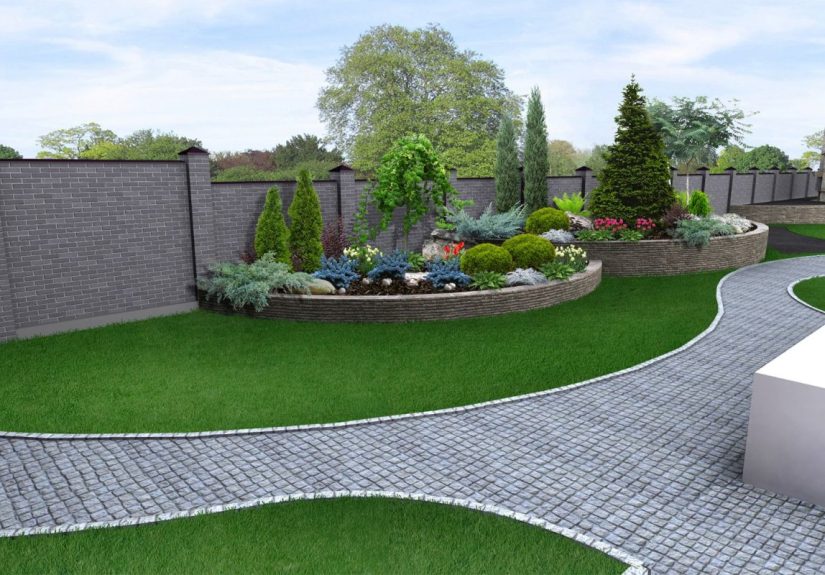
For many homeowners, yes. Landscape curbing does more than make a yard look organized. It helps contain mulch and decorative rock, creates a cleaner mowing edge, defines planting areas, and gives the overall landscape a more finished design. It can also reduce that constant blurry war between lawn grass and flower beds.
Whether it is worth it depends on your goals. If you just want basic bed separation, lower-cost edging may do the trick. If you are improving curb appeal, upgrading a front yard, or tired of refreshing flimsy borders every season, investing in more durable curbing can make sense over the long haul.
The sweet spot for value is usually a simple, professionally installed concrete or brick border with a straightforward layout. It looks polished, lasts longer than bargain materials, and avoids the premium pricing of high-end stone.
How to Save Money on Landscape Curbing
- Keep the layout simple. Fewer curves and custom details usually mean lower labor costs.
- Choose standard finishes. Decorative stamping and special colors are nice, but they are not free.
- Do some prep yourself. Clearing beds, removing old edging, and basic leveling may reduce labor time.
- Bundle smartly. If you already plan to refresh mulch or beds, doing it at the same time may save money.
- Get multiple quotes. Pricing can vary more than homeowners expect.
- Think long term. Cheap edging that needs frequent replacement is not always the best bargain.
DIY vs. Hiring a Pro
DIY edging makes the most sense for plastic, rubber, or basic wood installations. It can also work for simple brick borders if you are patient and comfortable with digging, leveling, and hauling materials. Taking the DIY route may save a meaningful chunk of labor costs.
But for decorative concrete landscape curbing, large projects, sloped yards, or custom designs, hiring a pro is usually the better move. Proper installation affects how long the border lasts, how well it drains, and whether it stays looking sharp instead of resembling a sidewalk with commitment issues.
Real-World Experiences With Landscape Curbing
Homeowners who install landscape curbing often say the biggest surprise is not the cost. It is the visual payoff. A yard that felt scattered before can suddenly look intentional, even if the plants themselves are exactly the same. One of the most common experiences is that curbing makes old landscaping look newer. Fresh mulch inside a clean border works a bit like putting a decent frame on a poster. Same art, much better presentation.
Another thing people notice is how much maintenance habits change. Before curbing, mulch tends to creep into the lawn, grass sneaks into flower beds, and mowing around loose edges becomes an exercise in patience. After installation, many homeowners find weekly upkeep easier because there is a defined line to follow. The result is not “zero maintenance,” sadly, because nature did not get that memo, but it can be less annoying maintenance.
There is also the matter of expectations. Some homeowners go into the project assuming curbing is a purely decorative upgrade, then realize it affects function too. Beds stay cleaner. Gravel stays more contained. The front yard photographs better. Even neighbors start doing that slow glance while pretending they are just out for a normal walk. You know the one.
On the flip side, people sometimes underestimate how much prep matters. If the ground is uneven or drainage is poor, even beautiful curbing can disappoint. This is why homeowners who are happiest with the final result often talk about the boring stuff with surprising enthusiasm: proper grading, careful layout, and realistic material choices. It turns out the glamorous part of landscape design is frequently built on very unglamorous dirt decisions.
Budget-wise, many homeowners say the smartest move was choosing one area to do well instead of trying to edge the entire property with premium materials. A focused front-yard project often delivers more visual impact than scattering a limited budget across every bed in the yard. In other words, it is usually better to do one crisp, attractive border than several half-committed ones that look like the landscaping equivalent of unfinished homework.
Another common experience is that material choice becomes more emotional than expected. People start out comparing price tags, then suddenly find themselves deeply invested in whether the border should look rustic, sleek, natural, or “like the nice house three streets over but not in a weird copycat way.” This is normal. Landscaping has a sneaky way of turning practical decisions into identity questions.
In the end, homeowners who feel best about the investment usually share three things: they set a realistic budget, picked a material that matched their maintenance tolerance, and resisted overdesigning the project. The curbing did not need to become a sculptural statement. It just needed to frame the yard, improve the flow, and keep everything looking intentional. Sometimes that is all a landscape needs to go from messy to memorable.
Final Thoughts
If you are wondering how much landscape curbing typically costs, the safest short answer is this: expect many professional projects to fall between $781 and $2,162, with common pricing around $15 to $20 per linear foot for professionally installed curbing. Basic edging can cost less, while premium stone, decorative concrete, tricky layouts, and site prep can send the total higher.
For most homeowners, the best value comes from balancing durability, style, and maintenance. If you want something attractive and long-lasting, concrete curbing is often the practical favorite. If you simply need a cleaner border on a tighter budget, simpler edging materials may be enough. Either way, the right border can make a yard look more finished, more organized, and a lot less like the grass and mulch are fighting for custody of the same square foot.