Table of Contents >> Show >> Hide
- What a bunion really is
- So, when should you seriously consider bunion surgery?
- When bunion surgery may not be the right move yet
- What doctors usually want you to try before surgery
- Does a bigger bunion automatically mean you need surgery sooner?
- How surgeons decide which bunion surgery you need
- When timing matters more than people expect
- What recovery from bunion surgery is really like
- Risks of bunion surgery you should understand
- Questions to ask before you schedule surgery
- The bottom line
- Common Experiences People Have With Bunion Surgery Decisions
If your bunion has gone from “annoying shoe bully” to “tiny foot dictator,” you are not alone. A bunion, also called hallux valgus, can start as a mild bump at the base of the big toe and slowly turn into a daily nuisance. At first, it may just make certain shoes feel rude. Later, it can affect walking, exercise, work, and even your mood. When every step feels like a complaint letter from your foot, the question gets real: When should I have surgery for my bunions?
The short answer is this: bunion surgery is usually worth discussing when your bunion causes ongoing pain, limits daily activity, makes normal shoes hard to wear, and has not improved enough with non-surgical treatment. In other words, surgery is usually about pain and function, not just appearance. That distinction matters more than the size of the bump, the dramatic flair of your X-ray, or the fact that your favorite dress shoes now seem personally offended by your toes.
This guide walks through the signs that it may be time for bunion surgery, when waiting can make sense, what doctors typically want you to try first, and what recovery is really like. Spoiler alert: bunion surgery can help many people, but it is not a magic wand, a beauty treatment, or a weekend hobby.
What a bunion really is
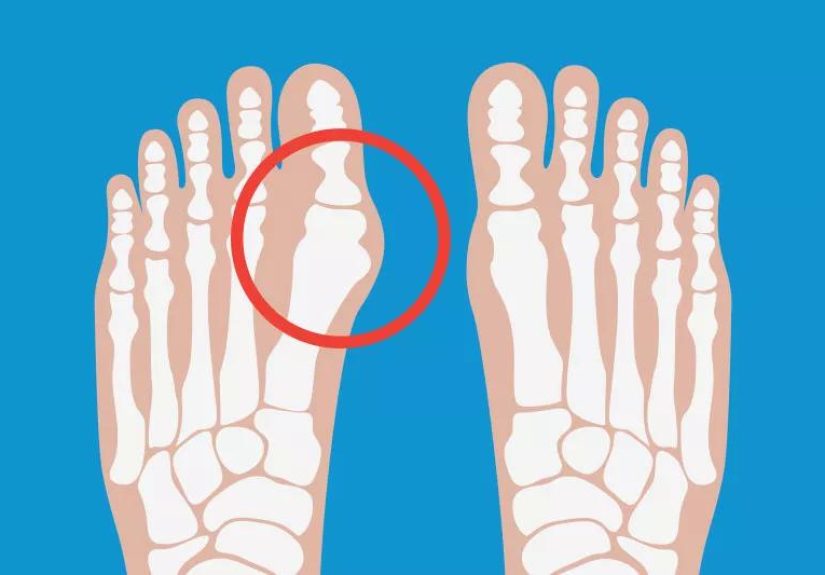
A bunion is a structural deformity of the joint at the base of the big toe. The big toe shifts toward the smaller toes, while the first metatarsal bone angles the other way, creating that familiar bump on the inner side of the foot. Over time, this misalignment can lead to swelling, redness, stiffness, calluses, irritation between toes, and pain with walking or shoe wear.
Some bunions stay mild for years. Others gradually worsen, crowd the second toe, reduce motion in the big toe joint, and make the front of the foot feel cramped and cranky. Genetics can play a role, and so can foot structure. Shoes do not necessarily create every bunion out of thin air, but narrow, tight, or high-heeled shoes can definitely turn the volume up.
So, when should you seriously consider bunion surgery?
You should consider bunion surgery when your symptoms cross the line from “manageable” to “this is interfering with my life.” Most specialists do not recommend surgery simply because a bunion looks bad. Instead, they look at whether the bunion is painful, whether it limits your function, and whether conservative treatment has already had a fair chance.
Signs it may be time to talk to a foot and ankle surgeon
- Daily or frequent pain: Your big toe joint hurts often, especially with walking, standing, or wearing shoes.
- Trouble wearing normal shoes: You need extra-wide shoes, still have pain in roomy sneakers, or keep buying shoes based on “Will my bunion tolerate this?” rather than “Do I like these?”
- Activity limits: Walking, exercise, errands, or work duties are harder because of bunion pain.
- Persistent swelling or inflammation: The joint stays irritated even with rest, ice, or medication.
- Stiffness or limited motion: Your big toe feels harder to bend or straighten, which can change the way you walk.
- Toe deformity is progressing: The big toe is pushing into the second toe, overlapping it, or causing corns and calluses.
- Conservative treatment has failed: You have tried better footwear, padding, spacers, inserts, and pain-relief strategies, but the problem is still calling the shots.
A good rule of thumb is this: if your bunion is making you change the way you live more than you are changing your shoes, it is probably time for a surgical consultation.
When bunion surgery may not be the right move yet
Not every bunion needs surgery. In fact, many do not. You may not need bunion surgery right now if your bunion looks noticeable but is only mildly symptomatic, or if simple measures still keep you comfortable.
You may be able to wait if:
- The bunion is mostly cosmetic and not truly painful.
- You can still walk, exercise, and wear supportive shoes without major limitation.
- You have not yet tried non-surgical treatment consistently.
- Your symptoms flare only occasionally and respond to shoe changes or activity modification.
This is important because bunion surgery is not usually done to prevent a bunion from getting bigger someday. Doctors generally do not recommend operating on a painless bunion just because it might worsen over time. There are real risks, real recovery demands, and no guarantee that surgery will turn your foot into a footwear commercial.
What doctors usually want you to try before surgery
Before recommending a bunionectomy or another bunion correction procedure, most surgeons want to see whether non-surgical care can control your symptoms. These measures do not “erase” a bunion, but they can reduce pressure, calm inflammation, and improve comfort.
Common first-line bunion treatment options
- Wider shoes with a roomy toe box: Often the first and most helpful change.
- Bunion pads or cushions: These reduce rubbing and pressure.
- Toe spacers: They may improve comfort for some people.
- Orthotics or shoe inserts: Especially helpful if flat feet or mechanics contribute to the problem.
- NSAIDs or other pain relievers: These may ease inflammation and pain.
- Ice and rest during flares: Basic, yes. Effective, also yes.
- Activity modification: Sometimes reducing repetitive stress helps calm symptoms.
If these treatments still leave you with persistent bunion pain, difficulty walking, or worsening deformity, surgery becomes a more reasonable next step.
Does a bigger bunion automatically mean you need surgery sooner?
Not necessarily. One of the biggest misconceptions about bunion surgery is that the size of the bump alone decides timing. It does not. Some large bunions are surprisingly tolerable. Some smaller bunions are absolute drama queens and hurt all the time.
What matters most is the combination of symptoms, function, exam findings, and imaging. Weight-bearing X-rays help the surgeon understand how severe the deformity is, whether there is joint instability or arthritis, and which procedure is most likely to work. So yes, deformity matters, but it helps guide the type of surgery more than the yes-or-no decision all by itself.
That said, there is a practical reason not to ignore a bunion forever when it is clearly getting worse. A more advanced deformity can crowd the lesser toes, increase stiffness, and sometimes make a bigger procedure necessary later. Waiting is often fine when symptoms are manageable. Endless suffering for the sake of “maybe it will magically behave” is a less brilliant strategy.
How surgeons decide which bunion surgery you need
There is no single bunion surgery for everyone. That is why bunion correction is not a one-size-fits-all situation. A surgeon may consider your age, activity level, general health, degree of deformity, joint flexibility, presence of arthritis, prior foot surgery, and weight-bearing X-rays before recommending a procedure.
Common bunion surgery approaches
- Osteotomy: The surgeon cuts and realigns one or more bones, then stabilizes them with screws, pins, or plates.
- Soft tissue balancing: Tendons and ligaments are adjusted to help restore alignment.
- Arthrodesis (fusion): Often used for severe bunions, arthritis, instability, or revision surgery.
- Exostectomy: Shaving the bump alone. This is uncommon as a standalone procedure because it usually does not correct the underlying alignment problem.
You may also hear about minimally invasive bunion surgery. In selected patients, this can mean smaller incisions, less pain, and a faster return to shoes and activity. But “minimally invasive” does not automatically mean “best for everyone.” Severe deformities may still need a more traditional open correction, especially if stronger correction is required.
When timing matters more than people expect
There is no universal “best age” for bunion surgery, but there are better and worse times in your life to schedule it. The best time is often when symptoms justify surgery and you can realistically handle recovery.
Good timing for bunion surgery often means:
- You are bothered enough by the pain to want a real fix.
- You have already tried conservative treatment.
- You can plan for time off work or modified duties.
- You have help at home if you may be non-weight-bearing.
- You are not trying to squeeze recovery between a marathon, a wedding, and a theme-park vacation.
And yes, that last point matters. Bunion surgery recovery often takes longer than patients expect. If you are hoping to have surgery on Friday and confidently power-walk through an airport the next Thursday, your surgeon may give you a look usually reserved for people who microwave fish in the office kitchen.
What recovery from bunion surgery is really like
This is where expectations matter. Many bunion surgeries are outpatient procedures, so you often go home the same day. That part sounds easy. The recovery, however, still requires patience.
Typical bunion surgery recovery timeline
- First few days: Rest, elevation, icing, pain control, and protecting the dressing.
- Around 2 weeks: Stitches may come out, depending on the procedure.
- 6 to 12 weeks: Bone healing continues; you may still need a surgical shoe, boot, brace, or limited weight-bearing.
- Around 3 months: Many people are returning to more normal daily activity.
- Up to 6 months: Full recovery often takes this long.
- 6 to 12 months: Some swelling can linger surprisingly long, especially after more involved correction.
Some procedures allow early weight-bearing in a protective shoe. Others require crutches, a knee scooter, or a period of no weight-bearing at all. You may not be able to drive for a while, particularly if the surgery is on your right foot. Regular shoes may take weeks to months to feel comfortable again. Also, bunion surgery may reduce pain and improve function, but it does not guarantee you can return to narrow, pointed, high-heeled shoes like nothing ever happened.
Risks of bunion surgery you should understand
Bunion surgery is generally safe, but it is still surgery. That means risks are part of the conversation, not fine print you ignore because the office chair is comfortable.
Possible complications include:
- Infection
- Nerve irritation or numbness
- Stiffness
- Persistent pain
- Delayed bone healing or nonunion
- Recurrence of the bunion
- Swelling that lasts longer than expected
- Blood clots, though uncommon
This is another reason surgery is usually recommended for painful or function-limiting bunions, not for cosmetic touch-ups. If the problem is not really bothering you, taking on surgical risk makes a lot less sense.
Questions to ask before you schedule surgery
If you are on the fence, ask the right questions. A good surgeon should welcome them.
- Do I need bunion surgery now, or can I safely wait?
- What happens if I delay treatment for six months or a year?
- What procedure do you recommend, and why is it the best fit for my foot?
- Are there any non-surgical options I have not fully tried yet?
- Will I be able to bear weight right away?
- How long before I can drive, work, exercise, and wear normal shoes?
- What are the biggest risks in my case?
- What is the chance the bunion could come back?
- Do I need a second opinion?
- How much help will I need at home after surgery?
The bottom line
If you are wondering, “When should I have surgery for my bunions?” the answer is usually this: have surgery when the bunion causes meaningful pain, limits your daily life, resists conservative treatment, and you are ready for the recovery that comes with correcting it. Not when the bump is merely ugly. Not when a single pair of shoes betrayed you. And not because the internet convinced you that every foot problem should be “fixed” immediately.
The right time is when the benefits clearly outweigh the inconvenience, the recovery burden, and the surgical risks. For many people, that moment comes after months or years of adapting their lives to bunion pain. If that sounds familiar, it may be time to stop negotiating with your footwear and start talking with a foot and ankle specialist.
Common Experiences People Have With Bunion Surgery Decisions
The experiences below are composite, educational examples based on common patient concerns and recovery patterns. They are not individual medical case reports.
A very common experience is waiting too long because the bunion “didn’t seem serious enough.” Many people assume surgery should only happen when the toe looks dramatically crooked. In reality, they often end up seeking help because the pain slowly starts running the show. First they stop wearing certain shoes. Then they stop taking long walks. Then they avoid vacations with lots of standing. By the time they finally meet with a surgeon, the biggest surprise is not that surgery is an option. It is that they probably could have had a better quality of life much sooner by getting evaluated earlier.
Another common experience is the opposite: someone sees the bunion, hates the look of it, and assumes surgery is the next step. But after a proper evaluation, they learn the bunion is still flexible, the pain is mild, and wide shoes plus orthotics may be enough for now. These patients often feel relieved. Surgery is not a prize for having the most dramatic bump. If your function is still good and your symptoms are manageable, watchful waiting can be a smart decision, not procrastination in a cute disguise.
Recovery expectations are another huge theme. Many patients hear “outpatient surgery” and imagine a quick bounce-back. Then they discover that same-day discharge does not equal same-week normal life. People are often surprised by how much elevation, dressing care, swelling control, and schedule rearranging are involved. Even patients who do very well can feel frustrated by the pace. They may be walking in a protective shoe before they are truly comfortable. They may fit into a sneaker before they feel ready for a long day on their feet. The foot heals on foot time, which is apparently slower and more opinionated than regular time.
People also frequently underestimate swelling. This deserves a spotlight because it is such a common source of post-op anxiety. Many patients expect the toe to look “finished” a few weeks after surgery. Instead, they notice puffiness, stiffness, and a foot that still seems mildly offended by life. That can be normal for months, especially after more extensive correction. The lesson many patients share afterward is simple: improvement often arrives in stages, not one grand movie montage.
Finally, a lot of people say the decision becomes clearer when they stop asking, “How bad does my bunion look?” and start asking, “How much is this affecting my life?” That is usually the more useful question. If you are modifying your shoes, workouts, travel, workday, and mood around bunion pain, the issue is no longer cosmetic. It is functional. And that is often the point when a surgical conversation starts making a lot more sense.