Table of Contents >> Show >> Hide
- 1. Seal Drafts Around Windows and Doors
- 2. Check Your Attic Insulation
- 3. Service Your Heating System Before It Quits on the Coldest Day
- 4. Inspect the Fireplace and Chimney
- 5. Protect Pipes From Freezing
- 6. Clean Gutters and Check the Roof
- 7. Test Smoke Alarms and Carbon Monoxide Alarms
- 8. Use Space Heaters and Backup Power Safely
- 9. Prepare for Storms and Power Outages
- 10. Handle the Outside Details Before Winter Wins
- Conclusion
- Winter Prep Experiences: What Homeowners Usually Learn the Hard Way
Winter has a way of turning small home problems into expensive drama. A tiny draft becomes a living room that feels like a walk-in freezer. One neglected gutter turns into an icy waterfall. A pipe you forgot about suddenly decides to audition for a disaster movie. The good news is that getting your home ready for winter does not have to be complicated, wildly expensive, or emotionally damaging.
If you tackle the right jobs before temperatures plunge, you can make your house warmer, safer, and cheaper to run. You can also reduce the odds of surprise repairs when all you really want to do is stay inside, drink something hot, and pretend the wind outside is somebody else’s problem.
This winter home maintenance guide walks through 10 smart, practical ways to winterize your home. From sealing drafts and protecting pipes to checking alarms and prepping for storms, these steps can help you stay comfortable and avoid the classic cold-weather headaches homeowners know all too well.
1. Seal Drafts Around Windows and Doors
If your home feels chilly even when the heat is running, air leaks are often the first culprit. Drafts around windows, doors, baseboards, attic hatches, and spots where pipes or wires enter the house can let warm air escape and cold air sneak in like an uninvited party guest.
What to do
Start with the obvious trouble spots. Check for worn weather stripping around exterior doors. Re-caulk cracked gaps around window trim. Add a door sweep if you can see daylight under a door. If you want a low-cost seasonal fix, window insulation film can add an extra barrier against cold air.
For older homes, the hidden leaks are often the biggest ones. Look near the attic access panel, basement rim joists, plumbing penetrations, recessed lighting, and around vents. These aren’t glamorous fixes, but they can make a surprisingly big difference in comfort.
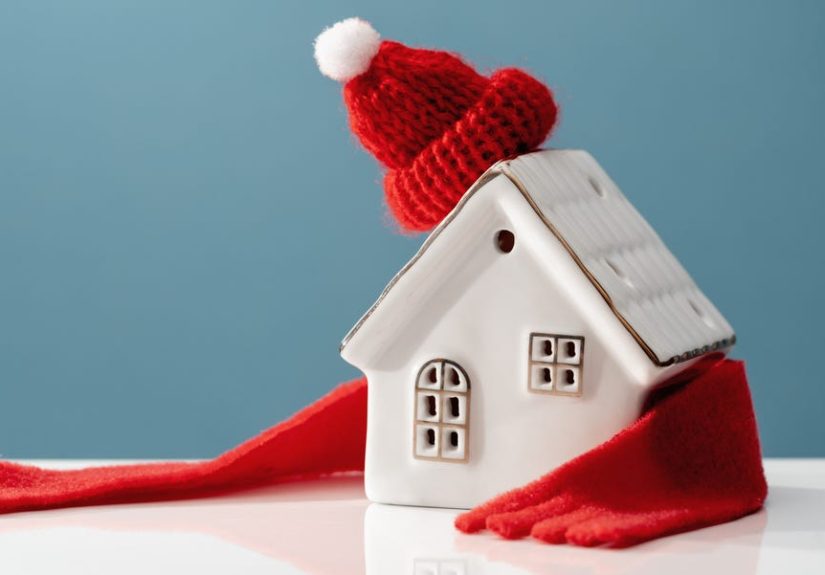
Think of air sealing as putting a winter coat on your house. If the coat is wide open in six places, the insulation underneath can only do so much.
2. Check Your Attic Insulation
Once you seal leaks, the next move is insulation. In many homes, the attic is one of the best places to improve winter comfort and energy efficiency. Heat rises, and without enough insulation overhead, your expensive indoor warmth can drift upward and disappear.
Why the attic matters
A poorly insulated attic can make rooms feel unevenly heated, increase heating bills, and contribute to ice dam problems on the roof. Ice dams happen when heat escaping through the roof melts snow, which then refreezes near the eaves and traps water where it does not belong.
What to look for
If the insulation looks thin, uneven, compressed, or patchy, it may be time for an upgrade. Also inspect the attic hatch, which is often forgotten but can leak a lot of heat. While you are up there, keep an eye out for moisture stains, signs of pests, or ventilation issues.
If you are not sure whether your insulation is sufficient, a professional home energy assessment can help identify the weakest spots. That is especially helpful if your home is older or you are dealing with stubborn cold rooms every winter.
3. Service Your Heating System Before It Quits on the Coldest Day
Furnaces, boilers, and heat pumps have a cruel sense of timing. They rarely fail on a pleasant afternoon in October. They wait until the forecast says “dangerously cold,” then choose chaos.
What to schedule
Have your heating system professionally inspected and serviced before deep winter sets in. A tune-up can catch worn components, airflow issues, burner problems, or safety concerns before they become no-heat emergencies.
What you can do yourself
Replace furnace or heat pump filters on schedule. Dirty filters reduce airflow, make equipment work harder, and can hurt both efficiency and comfort. Also clear clutter away from vents and registers so warm air can actually reach the room instead of heating the back of a couch.
If you use a programmable or smart thermostat, double-check your settings. A good schedule can help you save energy while keeping the house comfortable when you are home and awake.
4. Inspect the Fireplace and Chimney
A fireplace can make winter feel charming, cozy, and just a little smug. But only if it is safe. Fireplaces and chimneys need regular inspection because creosote buildup, blockages, cracks, and damaged flue components can raise the risk of fire and carbon monoxide problems.
Smart fireplace prep
Before the season starts, have the chimney inspected and cleaned if needed. Make sure the damper opens and closes properly. Use a sturdy screen or glass barrier to help contain sparks and embers. If you do not plan to use the fireplace, keep the damper closed when it is not in use to reduce drafts.
And no, your fireplace is not a magic incinerator. Do not burn trash, plastics, charcoal, or random mystery items from the garage. Stick to the fuel the appliance was designed for.
5. Protect Pipes From Freezing
Frozen pipes are one of winter’s most expensive gotchas. When water freezes, it expands. Pipes do not appreciate that behavior. Burst pipes can lead to major water damage, ruined drywall, soaked insulation, and a repair bill that makes your holiday budget cry softly in the corner.
Key prevention steps
Insulate exposed pipes in unheated areas like crawl spaces, basements, garages, and exterior walls. Disconnect garden hoses, drain outdoor faucets if your plumbing setup allows it, and install covers on exterior spigots. If you have an irrigation system, make sure it is winterized properly.
During extreme cold, open cabinet doors under sinks on exterior walls so warmer indoor air can circulate around the plumbing. If freezing temperatures are severe, letting a faucet drip slightly can help keep water moving. If you plan to travel, do not turn the thermostat way down. Keeping the house too cold while you are away is a classic bad idea disguised as thrift.
6. Clean Gutters and Check the Roof
Your roof and gutters do a lot of quiet, underappreciated work in winter. They shed rain, melting snow, and ice. But if gutters are clogged with leaves and debris, water cannot drain properly. That can contribute to ice dams, leaks, damaged shingles, and water intrusion around the foundation.
Your pre-winter roof checklist
Clean out gutters and downspouts so water can flow freely. Then inspect for loose shingles, damaged flashing, sagging gutters, and any spot that looks one bad storm away from becoming a problem. Trim back tree branches that hang over the roof, especially if your area gets snow, ice, or high winds.
This is one of those jobs homeowners love to postpone until the first freeze. Resist the temptation. Gutters are much easier to clean when they are full of leaves than when they are full of leaves wearing an ice jacket.
7. Test Smoke Alarms and Carbon Monoxide Alarms
Winter means more closed windows, more heating equipment, and more time indoors. That makes smoke alarms and carbon monoxide alarms especially important. This is not the fun part of getting your home ready for winter, but it may be the most important.
What to check
Test every smoke alarm and CO alarm in the house. Replace batteries if needed, unless you have sealed long-life models. Replace old units that are past their service life. Make sure alarms are installed in appropriate locations, including outside sleeping areas and on every level of the home.
If you use fuel-burning heating equipment, a fireplace, a wood stove, or an attached garage, carbon monoxide protection is not optional in any practical sense. It is a must.
8. Use Space Heaters and Backup Power Safely
Space heaters can be useful for a chilly bedroom or home office, but they deserve respect. Used carelessly, they can create fire hazards in a hurry. Generators, grills, and camp stoves are an even bigger issue because misuse can lead to deadly carbon monoxide exposure.
Space heater rules worth following
Keep space heaters at least three feet away from curtains, bedding, furniture, and anything else that can burn. Plug electric models directly into a wall outlet, not a power strip or extension cord. Turn them off when you leave the room or go to sleep.
Never do this
Do not use an oven to heat your home. Do not run a generator in a garage, basement, or near doors, windows, or vents. Do not use charcoal grills indoors. These are not clever winter hacks. These are headline-generating mistakes.
9. Prepare for Storms and Power Outages
Winter weather is not just about staying warm. It is about staying functional when conditions get messy. Snowstorms, ice, freezing rain, and power outages can leave households stuck at home for hours or days.
Build a winter-ready kit
Set aside basics now instead of panic-buying batteries with everybody else five minutes before a storm. Keep flashlights, extra batteries, blankets, bottled water, nonperishable food, medications, pet supplies, a phone charger or power bank, and a basic first-aid kit in one easy-to-find spot.
It is also smart to keep ice melt, a snow shovel, and cold-weather gear ready before the first big freeze. If you rely on electrically powered medical devices or have anyone in the house who is especially vulnerable to cold, make a backup plan early.
10. Handle the Outside Details Before Winter Wins
The final layer of winter prep is outside the house. Small outdoor tasks can prevent big seasonal annoyances and help protect your property from weather damage.
Easy exterior tasks
Store or secure patio furniture. Cover or prep outdoor equipment according to manufacturer guidance. Check handrails, steps, and walkways so they are safe once conditions turn icy. Make sure exterior lighting works well, since winter loves darkness almost as much as it loves surprise sleet.
If you have a garage door, inspect the weather seal at the bottom. If you have a basement or crawl space, make sure water drains away from the foundation. If you use snow tools, now is the time to find them, not after the driveway disappears under six inches of frozen regret.
Conclusion
Getting your home ready for winter is really about three things: comfort, safety, and prevention. Seal the leaks. Insulate the weak spots. Maintain the heat. Protect the pipes. Clean the gutters. Test the alarms. Prepare for storms before the forecast starts shouting in all caps.
You do not have to tackle every project in a single heroic weekend. Start with the essentials and work through the list. Even a few smart winterizing steps can make your home feel warmer, run more efficiently, and survive the season with fewer expensive surprises. Future you, wrapped in a blanket and not dealing with a burst pipe, will be deeply grateful.
Winter Prep Experiences: What Homeowners Usually Learn the Hard Way
Talk to enough homeowners and you start hearing the same winter stories on repeat. Someone ignored a tiny draft near the back door because it seemed harmless in October. By January, that “small issue” had turned the kitchen into a refrigerated aisle. A cheap roll of weather stripping would have solved it, but instead the family spent months arguing over the thermostat like it was a constitutional crisis.
Another common experience involves gutters. A homeowner thinks, “They’re probably fine,” because climbing a ladder in the fall sounds like a miserable hobby. Then winter rain hits, a freeze follows, and suddenly water is backing up where it should not. By spring, there is staining on the ceiling and a newfound appreciation for preventive maintenance. Nothing builds character quite like paying for repairs you could have avoided with gloves and an hour of effort.
Pipes are another frequent source of hard-earned wisdom. People often do not realize how vulnerable plumbing can be in garages, crawl spaces, and exterior walls until a cold snap arrives. One night of unusually low temperatures can turn an overlooked pipe into a disaster. Homeowners who have been through that once rarely forget to disconnect hoses, insulate exposed lines, and keep a little heat in the house when traveling.
Then there is the heating system lesson. Plenty of people assume the furnace is fine because it worked last winter. That logic holds up beautifully until the first truly bitter night, when the system starts making noises that sound expensive. The experience teaches a simple truth: maintenance is boring, but emergency calls in freezing weather are much worse.
Even safety devices create their own memorable moments. Many households do not think much about smoke alarms or carbon monoxide alarms until batteries chirp at 2:00 a.m. on the coldest night of the year. That tiny beep has inspired many last-minute ladder climbs in pajamas. The smarter experience is testing everything early, replacing what is old, and entering the season with peace of mind instead of midnight chaos.
The pattern in all these stories is simple. Winter punishes procrastination. The homeowners who have the easiest season are rarely the luckiest ones. They are usually the ones who handled the dull tasks early, before freezing temperatures raised the stakes. Winter prep may not be glamorous, but it pays off in warmth, safety, lower bills, and a lot fewer panicked searches for emergency repair numbers.