Table of Contents >> Show >> Hide
- What Is Zote Laundry Soap?
- Why Do People Like Zote So Much?
- What Is the Difference Between Pink and White Zote?
- How to Use Zote Laundry Soap
- When Zote Works Best
- When Zote May Not Be the Best Choice
- Should You Make Homemade Laundry Detergent With Zote?
- Best Practices for Using Zote Successfully
- Real-World Experiences With Zote Laundry Soap
- Final Takeaway
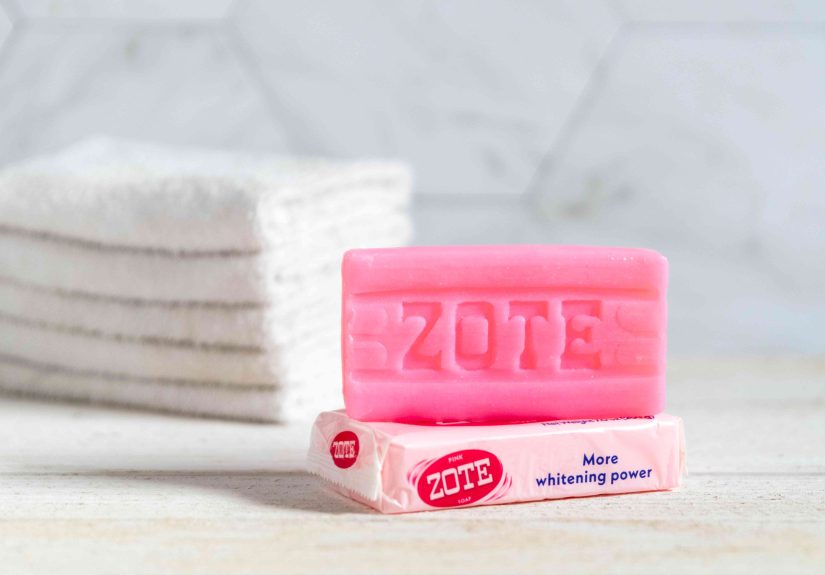
If you have ever walked down the laundry aisle, spotted a giant pink bar of soap, and thought, “Why does that look like a brick of bubblegum from another decade?”congratulations, you have met Zote. It is one of those old-school laundry products that inspires the kind of devotion usually reserved for cast-iron skillets, duct tape, and grandma’s mystery stain-removal methods.
Zote laundry soap has built a loyal following because it is simple, versatile, inexpensive, and surprisingly effective in the right situations. People use it to pretreat stains, hand-wash delicate clothes, and even make DIY laundry mixes. But before you start rubbing it on every sock, sweater, and napkin in sight, it helps to know what Zote actually is, how it works, and when it makes sense to use it instead of a modern detergent.
This guide breaks down exactly what Zote laundry soap is, how to use it, where it shines, and where it can be a little too enthusiastic for the job. Think of it as your friendly field guide to the giant pink soap bar with the cult following.
What Is Zote Laundry Soap?
Zote is a laundry soap made in Mexico by La Corona, a long-running household-products manufacturer. It is commonly sold in large bars and also in flake form. In the United States, the most recognizable version is the pink bar, though white versions are also widely available. The bar is best known as a stain-fighting laundry soap, but people also keep it around for hand-washing delicate garments and for general cleaning tasks.
The easiest way to think about Zote is this: it is not your standard modern liquid detergent in a sleek bottle with a futuristic cap and a scent called something like “Moonlit Alpine Breeze.” It is an old-fashioned laundry soap bar. That difference matters, because Zote works especially well as a hands-on laundry helper rather than as an all-purpose replacement for every detergent on Earth.
Part of the appeal is its simplicity. The manufacturer highlights ingredients such as coconut oil, beef tallow, and optical brighteners. In plain English, that means Zote is designed to clean fabric, help lift oily grime, and brighten laundry. It is also famous for its chunky size, which makes it easy to grip when pretreating stains by hand.
Why Do People Like Zote So Much?
Because it is practical. Zote is one of those products that does not need dramatic marketing to earn fans. It tends to win people over the old-fashioned way: by removing a stain they thought was doomed forever.
Its biggest strengths include:
- Targeted stain removal: especially for oily or everyday messes like food, body soil, grass, and grime.
- Hand-washing delicates: useful when you do not want to toss a fragile garment into a full machine cycle.
- Multi-format convenience: available as a bar or flakes, depending on how you want to use it.
- Budget-friendly value: one bar can last a long time when used as a pretreat product.
- Laundry-room versatility: handy for small loads, emergency stains, and backup cleaning jobs.
In other words, Zote is not trying to be trendy. It is trying to be useful. And honestly, that is a pretty good personality for a soap bar.
What Is the Difference Between Pink and White Zote?
The pink bar is the classic version most shoppers recognize first. The white version is often preferred by people who want a milder option, especially if they are sensitive to fragrance. If you are deciding between the two, the simplest rule is this: choose pink if you like the traditional Zote experience, and choose white if you want a lower-fragrance option for delicate fabrics or more scent-sensitive households.
Either way, the core use is the same. Both are meant to help with laundry tasks like pretreating stains and washing delicate items by hand.
How to Use Zote Laundry Soap
Zote is easiest to use when you treat it like a laundry tool, not a magic wand. Here are the smartest ways to put it to work.
1. Use Zote as a Stain Remover
This is where Zote earns its reputation. If your shirt has a spaghetti splash, your kid’s pants look like they lost a wrestling match with a patch of grass, or your dish towel has mysterious kitchen grease on it, Zote is a strong pretreat option.
How to do it:
- Wet the stained area with water.
- Rub the Zote bar directly onto the stain.
- Work the soap into the fabric with your fingers or a soft brush.
- Let it sit for about 10 minutes.
- Wash the item as usual.
This method is especially useful for fresh stains. The sooner you treat the mess, the better your odds. Zote tends to perform best on common household stains and oily grime rather than on ink, dye-based stains, or deeply set discoloration that has already survived the dryer. Once heat has “married” a stain, even a good laundry soap can end up playing catch-up.
2. Use Zote to Hand-Wash Delicates
Zote is also popular for hand-washing items that you do not trust to the washing machine. Think bras, underwear, hosiery, lightweight tops, baby items, or anything that feels like it might file a complaint after one spin cycle too many.
How to do it:
- Fill a clean sink or basin with cool to lukewarm water.
- Rub a small amount of Zote into the water or onto a damp cloth until you create a light soapy solution.
- Add the garment and gently swish it around.
- Let it soak briefly if needed.
- Rinse thoroughly with cool water until no suds remain.
- Press out excess water gently and air-dry.
The keyword here is gentle. You are not trying to punish the garment for existing. You are trying to clean it without stretching, fading, or roughing up the fibers.
3. Use Zote Flakes or Grated Soap for Laundry Loads
Yes, people do use Zote in the washing machine. But this is the point where the conversation needs a little less internet folklore and a little more caution.
If you want to use Zote in a machine, do not toss in the whole bar like a dare. Use flakes or finely grated soap, and make sure it is well dissolved. Some people combine grated Zote with washing soda, baking soda, or borax to create homemade laundry mixtures.
That said, soap-based DIY laundry blends are not always the best long-term choice for modern washers, especially high-efficiency machines. Appliance and cleaning experts have warned that homemade detergent mixtures can leave residue, create oversudsing, rinse poorly, and even risk voiding the warranty on some machines. So while Zote can be part of a machine-wash routine, it is smartest to use it carefully, sparingly, and with your machine manual in mind.
A good middle-ground approach is to use Zote mainly for pretreating stains and small hand-wash jobs, then rely on a regular HE detergent for most everyday loads.
When Zote Works Best
Zote shines when the laundry problem is specific and hands-on. It is great for people who want more control over stain treatment instead of just hoping the washer handles everything. It tends to be most useful for:
- Greasy food stains
- Collar and cuff grime
- Grass marks
- Everyday body soil
- Hand-washing delicate garments
- Prewashing baby clothes, dish towels, and utility fabrics
It is especially handy if you like the idea of treating a stain immediately instead of waiting until laundry day and then pretending not to notice it.
When Zote May Not Be the Best Choice
Zote is helpful, but it is not unbeatable. There are a few times when another product may be better.
- Ink and dye stains: these often need a different stain-specific treatment.
- Heavily soiled full-family loads: a modern detergent is usually more convenient and better engineered for the machine.
- High-efficiency washers: soap-based DIY mixtures can sometimes lead to buildup or rinsing issues.
- People who dislike fragrance: the white bar may be a better fit than the pink one.
- Anyone hoping for disinfection: Zote is a cleanser, not a disinfectant.
That last point is important. Clean and disinfected are not the same thing. Zote can help remove dirt and stains, but it is not a substitute for a disinfecting product when that is the actual goal.
Should You Make Homemade Laundry Detergent With Zote?
You can. Plenty of people do. But “can” and “should use forever in every washer” are not the same sentence.
Zote shows up in many DIY laundry detergent recipes because it is affordable, grates easily, and blends with common laundry boosters. The homemade route can be appealing if you like simple ingredients or want to cut costs. But there is a catch: homemade soap-based detergent is still soap-based detergent. In modern machines, especially HE models, that can mean residue, less-than-ideal rinsing, or performance issues over time.
If you want to experiment, read your washer’s manual first. Start small. Watch for residue on clothes. Pay attention to whether towels seem less absorbent, fabrics feel coated, or the machine starts smelling funky. Laundry should end with “fresh and clean,” not “Why does this T-shirt feel like it has a plot twist?”
For most households, the best use of Zote is not replacing every detergent bottle in the house. It is adding one highly effective laundry sidekick to your routine.
Best Practices for Using Zote Successfully
- Treat stains early: fresh stains are much easier to remove than baked-in ones.
- Wet the fabric first: this helps the soap spread and work into the fibers.
- Do a patch test on delicate or dark fabrics: especially if you are worried about colorfastness.
- Rinse thoroughly: leftover soap is not a souvenir you want to keep.
- Keep the bar dry between uses: it lasts longer and is less messy.
- Use common sense with machines: flakes or fine shavings are safer than chunks, and regular HE detergent is still the easier daily option.
Real-World Experiences With Zote Laundry Soap
One reason Zote sticks around is that it earns trust the unglamorous way: through repeated small victories. Not dramatic infomercial-style miracles. Just a lot of moments where somebody looks at a stain, sighs dramatically, grabs the pink bar, and mutters, “Well, let’s see what happens.” Then the stain fades, the shirt survives, and a new household ritual is born.
A common experience starts with kitchen laundry. Dish towels collect grease, tomato splatters, coffee drips, and mystery spots that seem to appear because a kitchen contains approximately 700 opportunities for mess at any given moment. Rubbing Zote directly on those spots before a wash often feels far more satisfying than pouring in detergent and praying to the appliance gods. It turns laundry from passive hope into active strategy.
Another real-world use is for “special-case” clothingthe garments you do not want to sacrifice to a rough cycle. Maybe it is a favorite sweater, a bra that cost more than it should have, a baby outfit with sentimental value, or a blouse that says “hand wash” in the tiny stern font of doom. Zote works well in those moments because it lets you slow down, clean the item gently, and avoid the feeling that you are one spin cycle away from turning it into a doll-sized version of itself.
People also tend to remember their first Zote rescue story. It might be a ring-around-the-collar problem on a work shirt, a grass stain on children’s clothes, or a splash of pasta sauce that seemed destined to become part of the fabric’s personality forever. Pretreating with the bar, letting it sit, and then tossing the item into the wash feels refreshingly straightforward. No complicated system. No chemistry set. No product that needs a user manual and emotional support.
Travelers and apartment dwellers often appreciate Zote for another reason: it is compact and practical for sink washing. If you have ever needed to wash a few socks, undergarments, or a T-shirt in a hotel sink, a laundry bar makes much more sense than lugging around a full detergent bottle like you are relocating a tiny laundromat. Zote fits the “make do, but make it clean” lifestyle surprisingly well.
Then there is the learning curve. Many people love Zote most when they stop trying to make it do absolutely everything. As a pretreater? Great. For hand-washing? Excellent. As an occasional laundry booster? Sure, with care. As the permanent replacement for every machine detergent in a busy household with an HE washer? That is usually where the romance meets reality. The best experiences often come from using Zote for the jobs it does especially well, not from asking it to single-handedly run your entire laundry empire.
In that sense, Zote feels like a classic tool. It is not flashy, but it is dependable. It works best when you understand its strengths, respect its limitations, and keep it ready for the moments when laundry gets personal. And honestly, laundry gets personal a lot.
Final Takeaway
Zote laundry soap is an old-school laundry staple that still makes sense in a modern homeespecially if you use it wisely. It is best known for pretreating stains, hand-washing delicates, and helping with small, targeted laundry jobs. It is affordable, simple, and effective in the situations where hands-on fabric care matters most.
The trick is not to treat Zote like a miracle replacement for every detergent on the shelf. Treat it like a specialist. Keep a bar nearby for stains, delicate items, and laundry emergencies. Use regular machine detergent for big routine loads. That balance gives you the best of both worlds: old-school stain-fighting power without turning your washer into a soap opera.