Table of Contents >> Show >> Hide
- What Is Canadian French Toast, Exactly?
- Why This Golden Bread Recipe Works
- Canadian French Toast Recipe
- The Best Bread for Canadian French Toast
- Tips for Perfect Golden Bread Every Time
- Easy Variations to Try
- What to Serve with Canadian French Toast
- Common Mistakes to Avoid
- Can You Make It Ahead?
- Why This Recipe Belongs in Your Brunch Rotation
- of Real-Life Experience with Canadian French Toast
- Final Thoughts
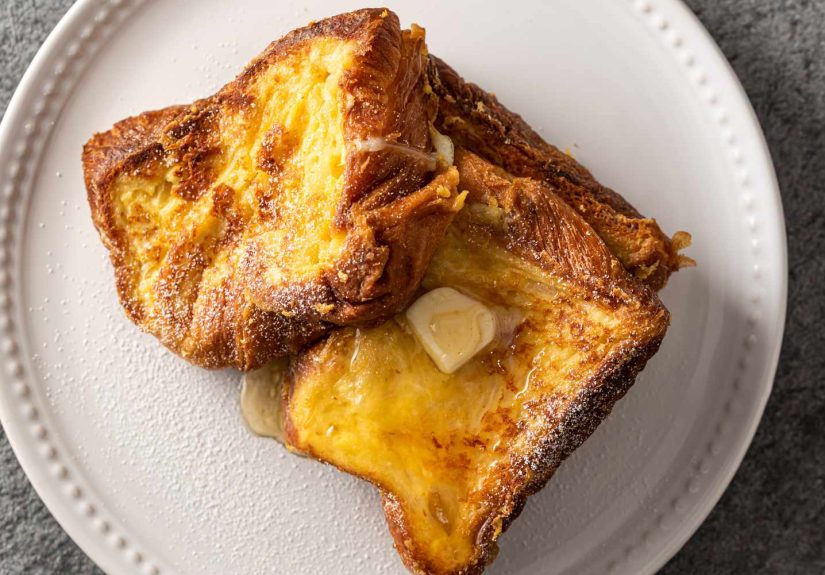
If regular French toast is the cozy brunch classic everyone knows, Canadian French toast, also known as golden bread, is its slightly more rugged cousin who shows up wearing flannel and carrying real maple syrup. It is warm, sweet, buttery, and gloriously golden on the outside, while the inside stays soft and custardy enough to make breakfast feel suspiciously close to dessert. In other words, this is not the kind of meal that whispers. It arrives with confidence.
This version is inspired by the idea of pain doré, the French phrase for “golden bread,” often associated with Quebec cooking. The magic is simple: thick slices of bread, a lightly sweetened egg custard, a hot skillet, and a generous finish of maple syrup. The result is the kind of breakfast that makes people wander into the kitchen asking, “Is that for everyone, or are you entering a breakfast competition?”
If you want a recipe that is easy enough for a weekday but impressive enough for a weekend brunch table, this one earns its keep. Below, you will find the full Canadian French toast recipe, ingredient tips, serving ideas, common mistakes to avoid, and plenty of real-life advice so your golden bread turns out crisp at the edges, tender in the middle, and absolutely worthy of a second slice.
What Is Canadian French Toast, Exactly?
Canadian French toast is a simple stovetop dish made by soaking bread in an egg-and-milk mixture, then frying it in butter until golden brown. What gives it its Canadian personality is the golden bread identity, its connection to pain doré, and the natural pairing with maple syrup. While there are many variations, the soul of the dish remains the same: humble bread turned into something luxurious with a few pantry staples.
It is also a brilliant recipe for using bread that is a little past its prime. Day-old bread is actually a gift here, not a problem. Slightly dry slices absorb the custard better without collapsing into sad kitchen sponges. That means you get French toast with structure, not toast that folds like a wet napkin.
Why This Golden Bread Recipe Works
A good Canadian French toast recipe balances richness, texture, and flavor. Too much liquid and the bread turns soggy. Too little and it tastes like toast wearing an egg costume. This recipe works because it keeps the custard flavorful but controlled, uses thicker bread for structure, and cooks everything over moderate heat so the exterior browns before the inside dries out.
The maple syrup also matters. This is not the time for that mysterious breakfast syrup that tastes like caramelized optimism and corn syrup. If you can, use real maple syrup. It gives golden bread the deep, woodsy sweetness that makes the whole plate feel extra special.
Canadian French Toast Recipe
Ingredients
- 8 thick slices brioche, challah, Texas toast, or day-old white bread
- 4 large eggs
- 3/4 cup whole milk
- 2 tablespoons heavy cream
- 1 tablespoon granulated sugar
- 1 tablespoon pure maple syrup
- 1 teaspoon vanilla extract
- 1 teaspoon ground cinnamon
- Pinch of nutmeg
- Pinch of salt
- 2 tablespoons unsalted butter, plus more as needed
- 1 tablespoon neutral oil, optional, for easier browning
For Serving
- Warm maple syrup
- Softened butter
- Fresh berries or sliced bananas
- Powdered sugar
- Optional: crispy bacon, Canadian bacon, whipped cream, or toasted pecans
Instructions
- Make the custard. In a shallow bowl or baking dish, whisk together the eggs, milk, cream, sugar, maple syrup, vanilla, cinnamon, nutmeg, and salt until smooth. Try not to whip in too much foam. You want a silky custard, not a breakfast bubble bath.
- Preheat the pan. Set a large nonstick or cast-iron skillet over medium heat. Add 1 tablespoon butter and the oil, if using. Let the butter melt and the pan heat fully before adding bread.
- Soak the bread. Dip 2 slices of bread into the custard. Let them soak for about 20 to 30 seconds per side for soft enriched bread, or up to 1 minute per side for sturdier day-old bread. The slices should absorb some custard but still hold their shape.
- Cook until golden. Transfer the soaked bread to the skillet. Cook for 2 to 3 minutes per side, adjusting the heat if needed, until the outside is golden brown and the center is cooked through.
- Repeat in batches. Add more butter between batches as needed. Do not crowd the pan. Golden bread likes personal space.
- Serve hot. Plate the toast with butter, warm maple syrup, fruit, and any extras you love.
The Best Bread for Canadian French Toast
The best bread for this recipe is thick-cut and slightly stale. Brioche is rich and tender, challah is fluffy and luxurious, Texas toast gives you diner-style heft, and day-old white or Italian bread offers a classic, sturdy texture. Sourdough can also work if you like a bit of tang.
The only thing you really want to avoid is ultra-thin, super fresh sandwich bread unless you enjoy living dangerously. Thin bread can soak up too much custard too quickly, tear in the bowl, and cook unevenly. It is not impossible to use, but it does require a gentler hand and shorter soak time.
Tips for Perfect Golden Bread Every Time
1. Use stale or slightly dried bread
This is the biggest game-changer. Bread that has dried out a little can absorb the custard without turning mushy. If your bread is too fresh, toast it lightly in a low oven for a few minutes first.
2. Don’t skip the salt
A pinch of salt makes sweet breakfast recipes taste more balanced. Without it, the custard can taste flat. With it, the maple, vanilla, and cinnamon all pop a little more.
3. Cook over medium heat
High heat may seem faster, but it usually gives you a dark outside and an undercooked center. Medium heat gives the bread time to brown properly while the custard cooks through.
4. Use butter, but consider a little oil too
Butter delivers flavor, but a small splash of neutral oil helps prevent scorching. That combination gives you a more reliable golden finish, especially if you are cooking multiple batches.
5. Keep finished slices warm
If you are making breakfast for a group, place cooked slices on a wire rack in a 250°F oven. That keeps them warm and prevents the bottoms from steaming themselves into softness.
Easy Variations to Try
Maple-Cinnamon Golden Bread
Add an extra teaspoon of maple syrup to the custard and sprinkle the finished toast with cinnamon sugar. This makes the dish feel more dessert-like, which is not a complaint.
Orange-Vanilla Golden Bread
Stir in a little orange zest for a bright, citrusy edge. It pairs especially well with berries and makes the whole plate smell like a fancy brunch place with expensive coffee.
Stuffed Canadian French Toast
Spread cream cheese or mascarpone between two thinner slices of bread before dipping and cooking. Top with maple syrup and fruit for a version that feels one tiny step away from a holiday breakfast.
Savory-Sweet Brunch Plate
Serve golden bread with bacon, sausage, or Canadian bacon. The saltiness of the meat against the sweet maple syrup is the kind of contrast that makes people pause mid-bite and nod at you with approval.
What to Serve with Canadian French Toast
This recipe is rich, so it benefits from toppings and sides that bring contrast. Fresh strawberries, blueberries, raspberries, or sliced bananas add freshness. Toasted pecans or walnuts add crunch. Butter and warm maple syrup are basically mandatory. Powdered sugar is optional, but undeniably photogenic.
For sides, crispy bacon, breakfast sausage, scrambled eggs, yogurt, or citrus fruit all work well. If you are making brunch for guests, pair it with strong coffee and a bowl of fresh fruit. That way the table looks balanced, and nobody can accuse you of serving only golden carbs, even if that was your original dream.
Common Mistakes to Avoid
Using bread that is too fresh
Fresh bread is soft and delicate, which sounds nice until it falls apart in the custard. Drying the bread slightly makes a huge difference.
Over-soaking the slices
Yes, the bread needs time in the custard. No, it does not need to marinate like barbecue. Soak just long enough for the slices to absorb flavor without becoming limp.
Cooking on heat that is too high
If the pan is too hot, the butter burns and the toast browns before the center sets. Slow down a little. Breakfast should be exciting, not smoky.
Crowding the skillet
Too many slices in the pan lower the temperature and cause steaming instead of browning. Work in batches for the best texture.
Can You Make It Ahead?
Yes, with a little planning. You can whisk the custard ahead of time and refrigerate it overnight. You can also soak sturdier slices overnight for a richer, more custardy center, though that works best for thicker bread. If you are cooking for company, making the custard in advance is the easiest move.
Leftovers can be stored in the refrigerator for up to 3 days. Reheat them in a skillet, toaster oven, or regular oven so the outside crisps back up. The microwave works in emergencies, but it tends to soften the exterior. It is the “I overslept but still want French toast” option.
Why This Recipe Belongs in Your Brunch Rotation
There are breakfast recipes that are practical, and then there are breakfast recipes that make the kitchen smell like good decisions. Canadian French toast falls into the second category. It is affordable, easy to scale up, flexible enough for weekday mornings or holiday brunch, and comforting in a way that feels timeless.
It also uses ingredients many people already have on hand. Bread, eggs, milk, butter, cinnamon, vanilla, syrup. That means golden bread is one of those rare recipes that feels special without requiring a shopping trip that ends with you buying artisanal lavender honey for no reason.
of Real-Life Experience with Canadian French Toast
The first time you make Canadian French toast, it may seem almost too simple. You whisk a few ingredients, dip bread in a bowl, and fry it in butter. But the experience of making it is where the recipe really earns its charm. It is one of those breakfasts that changes the mood of a kitchen. The house smells warm and sweet. People suddenly appear from nowhere. Even the person who claimed they were “not that hungry” starts hovering suspiciously close to the stove.
There is also something deeply satisfying about using up bread that might otherwise sit around another day. Golden bread feels practical and comforting at the same time. It turns leftovers into something that tastes intentional. That little transformation is part of the appeal. You are not just making toast. You are rescuing bread from boredom and promoting it to brunch.
In real life, the learning curve usually comes down to soak time and pan temperature. Almost everyone makes one slice that is too pale, one slice that is a little too dark, and one slice that finally comes out exactly right. That third slice is the one that teaches you everything. You realize the pan needs to be hot, but not raging. You realize the bread should be coated, not drowned. You realize butter is generous but not limitless. By the second batch, you start feeling like the kind of person who should own a charming bed-and-breakfast somewhere with plaid napkins and excellent coffee.
Golden bread is also one of the easiest breakfasts to personalize for different moods. On quiet mornings, a little butter and maple syrup are enough. On weekends, it can become a full production with berries, bacon, whipped cream, toasted nuts, and maybe a dusting of powdered sugar if you are feeling dramatic. For family brunches, it is useful because it pleases almost everyone. Kids love the sweetness, adults appreciate the nostalgia, and whoever is cooking gets the reward of hearing silence for a full minute once everyone starts eating.
There is a cozy emotional side to the recipe too. Canadian French toast has that rare ability to feel both humble and celebratory. It can remind people of snowy mornings, lazy Sundays, road-trip breakfasts, or the kind of homemade meal that appears when someone wants to make the day feel kinder. It is not flashy food, and that is exactly why it works so well. The ingredients are ordinary, but the result feels generous.
And then there is the maple syrup moment. That first pour over the hot toast is pure theater. The syrup slides into every little browned ridge, the butter melts into glossy puddles, and suddenly the plate looks like it belongs on a brunch menu with a price high enough to make you mutter. But you made it at home, in pajamas, with day-old bread. That is the beauty of golden bread. It delivers comfort, flavor, and a little bit of breakfast swagger without making life complicated.
Final Thoughts
If you want a breakfast that is easy, cozy, and just a little bit impressive, this Canadian French toast recipe deserves a spot in your regular rotation. It is crisp, soft, buttery, maple-friendly, and wonderfully adaptable. Whether you call it French toast, golden bread, or pain doré, the result is the same: a plate of breakfast that feels far more luxurious than its ingredient list suggests.
Make it for a slow Sunday, a holiday brunch, or a random Tuesday that needs rescuing. Just be prepared for one outcome: once people know you can make golden bread this good, they will absolutely ask for it again.