Table of Contents >> Show >> Hide
- First, Know What Kind of Hair Loss You Have
- Can Women Really Regrow Hair After Hair Loss?
- The Best Treatments for Regrowing Hair in Women
- 1. Topical minoxidil is the star player
- 2. Fix the trigger if the shedding is temporary
- 3. Check for iron, thyroid, and other health issues
- 4. Prescription options can make a difference
- 5. Low-level laser therapy, microneedling, and PRP may help some women
- 6. Hair transplant can be an option for selected women
- Daily Habits That Support Regrowth
- How Long Does Hair Regrowth Take?
- Common Mistakes That Can Slow Regrowth
- When Women Should See a Dermatologist About Hair Loss
- Real-World Hair Regrowth Experiences Women Commonly Describe
- Conclusion
- SEO Tags
Hair loss has a special talent for showing up at the worst possible moment. One day your ponytail feels normal, and the next day your shower drain looks like it is collecting rent. If you are a woman dealing with thinning, shedding, or widening parts, the big question is not just “Why is this happening?” It is “Can I regrow my hair?”
The encouraging answer is: often, yes. But the fine print matters. Some types of hair loss are temporary and grow back once the trigger is fixed. Others need ongoing treatment to slow the loss and coax follicles into producing thicker strands again. And a few types need prompt medical care because waiting can make regrowth harder.
This guide breaks down what actually helps women regrow hair after hair loss, what is mostly hype in a shiny bottle, and how to build a smart plan without turning your bathroom into a science fair.
First, Know What Kind of Hair Loss You Have
Hair regrowth starts with one unglamorous but very important step: figuring out the cause. “Hair loss” is not one single condition. It is a category, and the treatment that helps one type may barely move the needle for another.
Female pattern hair loss
This is the most common cause of hair loss in women. It usually shows up as gradual thinning on the top of the scalp, a widening part, or less volume at the crown. It tends to sneak in slowly, which is rude but typical. The earlier you treat it, the better your odds of preserving what you still have and getting some regrowth.
Telogen effluvium
This is the “my hair suddenly started shedding everywhere and now I am emotionally attached to my vacuum” type. Telogen effluvium often happens a couple of months after a stressor such as illness, childbirth, surgery, rapid weight loss, nutritional deficiency, thyroid changes, medication changes, or intense emotional stress. The good news: this type is often temporary, and regrowth is common once the trigger is addressed.
Traction alopecia
If your hair has spent years in tight ponytails, slick buns, braids, locs, extensions, or weaves that feel like they are trying to lift your eyebrows into another time zone, traction alopecia is possible. Early on, stopping the tension can allow regrowth. If the pulling continues for too long, damage may become permanent.
Alopecia areata
This form usually causes smooth, round patches of hair loss and is driven by the immune system. Some people experience spontaneous regrowth, but others need medical treatment. If your hair loss is patchy rather than diffuse, this deserves a dermatologist’s attention.
Other medical causes
Hair loss can also be linked to iron deficiency, low protein intake, thyroid disease, hormonal shifts, certain medications, autoimmune disease, scalp conditions, and, in some cases, scarring alopecia. That is why guessing from social media alone is not a winning strategy.
Can Women Really Regrow Hair After Hair Loss?
Yes, but the word “regrow” means different things depending on the cause.
- With temporary shedding, hair often returns once the trigger is corrected.
- With female pattern hair loss, many women can get noticeable improvement, better density, and slower thinning, especially when treatment starts early.
- With traction alopecia, early regrowth is possible if you remove the stress on the hair.
- With alopecia areata, regrowth may happen on its own or with prescription treatment.
- With scarring alopecia, the goal is usually to stop progression fast, because follicles can be permanently damaged.
In other words, hair follicles are not always “dead.” Sometimes they are miniaturized, irritated, pushed into a resting phase, or simply struggling because your body has bigger problems to solve. The right treatment helps bring them back into business.
The Best Treatments for Regrowing Hair in Women
1. Topical minoxidil is the star player
If you want the most proven over-the-counter option, topical minoxidil is usually the place to start. It is the best-known and most commonly recommended treatment for female pattern hair loss. It can also be used in some cases of telogen effluvium if a clinician thinks it is appropriate.
Minoxidil works by helping follicles stay in the growth phase longer and by supporting thicker hair production over time. It is available in different strengths and forms, such as foam or solution. Many women use it once daily, following the product label or their dermatologist’s instructions.
Important reality check: minoxidil is not a magic wand. Results take time. Some women notice increased shedding in the first several weeks. That can be alarming, but it may be part of the hair cycle shift as older hairs fall out and new growth begins. More meaningful improvement often takes several months, and visible progress may take six to 12 months.
Also, minoxidil only works while you keep using it. Stop it, and the benefits gradually fade. Unfair? Yes. Common in hair medicine? Also yes.
2. Fix the trigger if the shedding is temporary
If your hair loss started after a major stressor, postpartum hormone shifts, a crash diet, a high fever, surgery, or a sudden medication change, the answer may be less about adding products and more about removing the cause.
Ask yourself a few practical questions:
- Did I have a major illness, infection, or surgery two to three months ago?
- Did I recently give birth?
- Have I been under intense stress?
- Did I lose weight quickly or cut calories aggressively?
- Have I been skimping on protein?
- Do I have symptoms of iron deficiency or thyroid problems?
When the trigger is corrected, telogen effluvium often improves on its own. Think of it as your follicles taking a temporary leave of absence rather than permanently quitting.
3. Check for iron, thyroid, and other health issues
Hair is not technically essential for survival, so your body will not hesitate to shortchange it when nutrients are low or hormones are off. That is why women with heavy periods, restrictive diets, vegetarian or vegan eating patterns, postpartum changes, or symptoms of thyroid disease may need bloodwork.
Iron deficiency is a common example. If labs confirm it, correcting the deficiency may help stop shedding and support regrowth. The key word is confirm. Taking random iron supplements “just in case” can backfire with unpleasant side effects. The same logic applies to hair supplements in general: more is not always better, and the supplement aisle is not a substitute for a diagnosis.
4. Prescription options can make a difference
If over-the-counter care is not enough, a dermatologist may discuss prescription treatments. Depending on the type of hair loss, options may include:
- Low-dose oral minoxidil, used off-label in some women under medical supervision.
- Spironolactone, another off-label option often used when female pattern hair loss may be influenced by hormones.
- Corticosteroids for alopecia areata, especially when hair loss is patchy.
- JAK inhibitors for severe alopecia areata in selected patients.
This is where the internet can become dramatically overconfident. Prescription treatments are not one-size-fits-all, and factors such as pregnancy plans, menopause status, blood pressure, other medications, and the exact diagnosis all matter.
5. Low-level laser therapy, microneedling, and PRP may help some women
These are not first-line for everyone, but they can be useful add-ons in the right case.
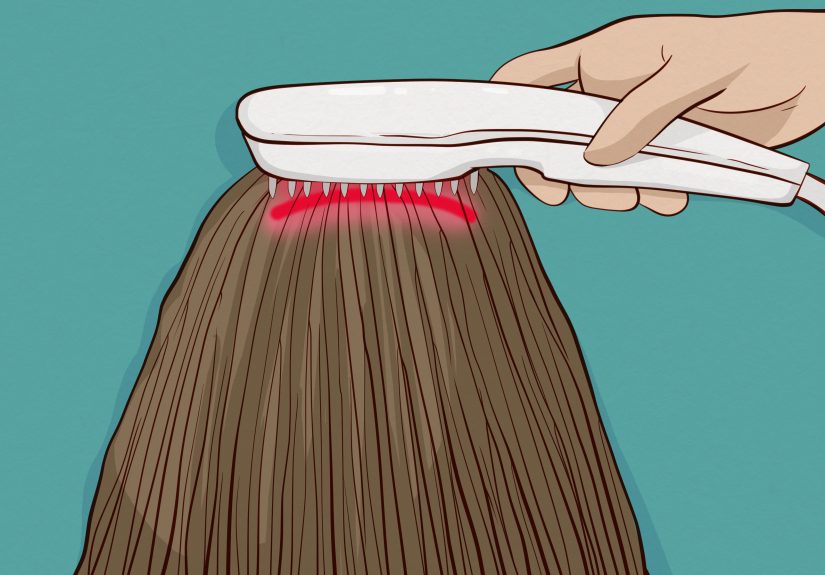
- Low-level laser therapy has shown promise for pattern hair loss and is available in some at-home devices.
- Microneedling may help when combined with drug treatment, rather than used as a solo act.
- Platelet-rich plasma (PRP) may improve hair growth in some women, though results vary and treatment is usually performed in a specialist’s office.
Translation: these options can be helpful, but they are not guaranteed miracles, and they work best when matched to the right diagnosis.
6. Hair transplant can be an option for selected women
For women with stable, established pattern loss and enough donor hair, transplant surgery may be an option. It is not right for every type of hair loss, especially when shedding is active or the diagnosis is unclear. A hair restoration specialist can determine whether you are a good candidate.
Daily Habits That Support Regrowth
Treatment matters, but your everyday routine matters too. No, you do not need to become a scalp monk. A few practical changes go a long way.
Be gentle with styling
Loosen tight hairstyles. Rotate your part. Reduce heavy extensions if your scalp is tender. Avoid repeated tension around the hairline. If your hairstyle hurts, your follicles are not applauding your commitment to beauty.
Dial down heat and chemical stress
Frequent bleaching, harsh relaxers, scorching hot tools, and rough brushing can worsen breakage and make thin hair look even thinner. Regrowth is hard to appreciate if the new hair snaps off before it has a chance to shine.
Prioritize protein and balanced meals
Hair is built largely from protein, so under-eating can absolutely show up on your scalp. Focus on regular meals with protein, iron-rich foods, healthy fats, fruits, vegetables, and overall variety instead of chasing one miracle ingredient.
Manage stress like it is part of your hair plan
Because it is. Stress does not cause every case of hair loss, but it can trigger or worsen shedding in many women. Better sleep, regular movement, therapy, meditation, journaling, and boring-but-effective routines can all support recovery.
Take photos instead of trusting your panic
Hair regrowth is slow. Your emotions are fast. Monthly photos in the same lighting and part placement can show progress more accurately than your memory, which is usually being dramatic and unhelpful.
How Long Does Hair Regrowth Take?
This is the part nobody likes, but everybody needs.
- Telogen effluvium: often improves within a few months once the trigger is resolved, with regrowth showing up gradually.
- Topical minoxidil: often needs at least several months; many women judge results at six to 12 months.
- Traction alopecia: early cases may improve over months once tension stops.
- Alopecia areata: the timeline varies widely depending on severity and treatment response.
Scalp hair typically grows slowly, so even when treatment works, it may feel like watching grass grow in real time. Frustrating? Absolutely. Normal? Also yes.
Common Mistakes That Can Slow Regrowth
- Stopping treatment too early because nothing changed in four weeks.
- Using hair oils as the only plan for medical hair loss.
- Taking random supplements without lab-confirmed deficiencies.
- Switching products every two weeks.
- Ignoring scalp symptoms like pain, scaling, burning, or redness.
- Keeping hairstyles that pull on the hairline and crown.
- Crash dieting and expecting your hair to remain emotionally stable.
When Women Should See a Dermatologist About Hair Loss
Make an appointment sooner rather than later if:
- Your part is widening and your ponytail is shrinking.
- You are losing hair in clumps.
- You have bald patches.
- Your scalp is itchy, painful, burning, or flaky.
- You are losing eyebrows or eyelashes too.
- You notice acne, irregular periods, or increased facial hair along with scalp thinning.
- Your hair loss has not improved after several months.
Early evaluation matters because some forms of hair loss are easier to treat before they advance. Hair loss may feel cosmetic, but the cause can be medical.
Real-World Hair Regrowth Experiences Women Commonly Describe
One of the hardest parts of hair loss is that it rarely feels like a neat textbook event. It feels personal. It shows up in your brush, your selfies, your sink, and your confidence. While every case is different, many women describe the regrowth journey in surprisingly similar ways.
A common story starts with sudden shedding after a stressful season. Maybe it was a hospitalization, a high fever, a breakup, a postpartum stretch of zero sleep, or months of dieting and running on fumes. At first, many women assume the loss is permanent because the shedding is so dramatic. They notice hair on the pillow, in the shower, and on every sweater they own. Then, once the trigger is identified and the body has time to recover, the panic slowly gives way to tiny signs of regrowth: short baby hairs along the part, less hair in the drain, and a brush that is still annoying but no longer terrifying.
Another common experience is female pattern hair loss that creeps in so gradually it almost feels imaginary. Women often say things like, “My scalp looked brighter in photos,” or “My ponytail got skinnier, but I could not tell exactly when it happened.” In these cases, progress with treatment can feel subtle at first. The first win is often not dramatic regrowth but stabilization. Less shedding. A part that stops widening. Hair that feels a bit fuller after six or nine months. It is not the kind of transformation that happens overnight, but it can be meaningful.
Women dealing with traction alopecia often describe a different turning point: realizing that the hairstyle they loved was not loving them back. They may connect the dots after years of tight braids, slick buns, extensions, or weaves, especially when thinning shows up around the temples or hairline. Once the tension stops, some women notice gradual recovery. Others wish they had changed habits sooner. That is why early action matters so much here.
There is also the emotional side, which deserves more respect than it usually gets. Many women say the hardest part is not even the hair itself. It is the uncertainty. Not knowing whether it will grow back. Wondering if everyone notices. Spending too much money on miracle products with names that sound like fantasy novels. Feeling fine one minute and then getting wildly offended by overhead lighting the next. Hair loss can chip away at self-esteem, even when the medical issue is not dangerous.
But women also describe something encouraging: regrowth often starts small and builds quietly. A fuzzy halo near the hairline. A shorter layer that refuses to lie flat. Less scalp showing in bright light. These are not glamorous milestones, but they are real ones. Hair regrowth is usually a slow comeback, not a dramatic movie montage. The women who do best tend to be the ones who get the right diagnosis, stick with treatment long enough to judge it fairly, and treat their scalp with patience instead of panic.
Conclusion
If you are trying to regrow hair after hair loss, the best move is not buying the loudest product on the shelf. It is identifying the cause and matching the treatment to it. For many women, that means using topical minoxidil consistently, correcting nutrient deficiencies or hormone-related triggers, easing up on damaging styling habits, and getting medical help when the pattern suggests something more than ordinary shedding.
The biggest takeaway is this: hair regrowth is often possible, but it is usually slow, strategic, and stubbornly unimpressed by impatience. Give your follicles a solid plan, a little time, and a lot less chaos. They may not send a thank-you note, but they might send baby hairs.