Table of Contents >> Show >> Hide
- What Is a German Bristle Brush?
- Why the German Bristle Brush Stands Out
- Materials Matter: What a German Bristle Brush Is Usually Made Of
- Best Uses for a German Bristle Brush
- German Bristle Brush vs. Sponge vs. Synthetic Dish Brush
- How to Choose the Right German Bristle Brush
- How to Care for a German Bristle Brush
- Common Mistakes People Make
- Is a German Bristle Brush Worth It?
- Everyday Experiences With a German Bristle Brush
- Conclusion
Some kitchen tools are born to hide under the sink. A German bristle brush is not one of them. This little workhorse usually looks too handsome to stash away, yet it is built for the gloriously unglamorous jobs of real life: scrubbing pans, lifting greasy film, getting into awkward corners, and making your sink area feel a little more civilized. In a world full of disposable plastic gadgets, the German bristle brush has a quiet, old-school charm that says, “Yes, I clean things. No, I don’t need to beep.”
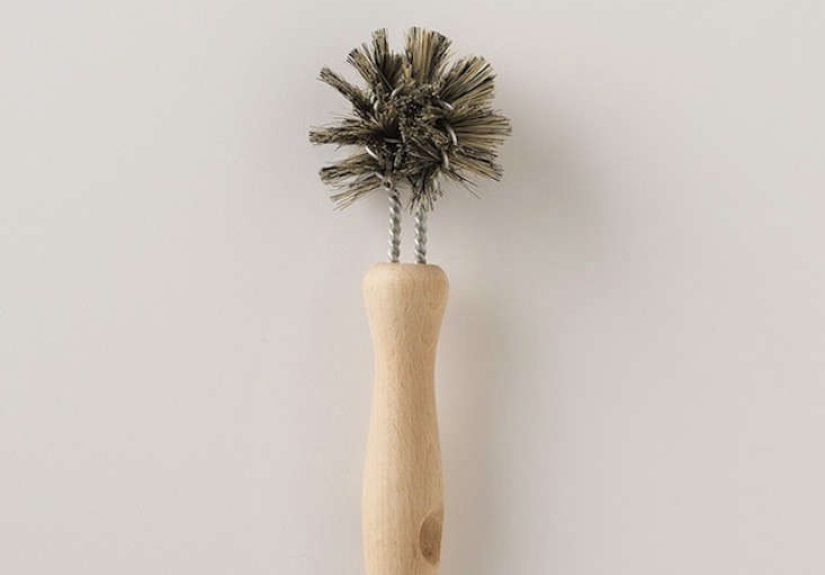
At its core, a German bristle brush is a compact scrub brush often associated with German-made household tools and traditional European utility design. Think natural materials, practical construction, a comfortable grip, and bristles tough enough to tackle grime without turning your cookware into a scratch-art project. Many versions feature a beechwood handle and tightly arranged bristles designed for dish duty, sink duty, and all the mildly annoying messes in between.
This guide breaks down what a German bristle brush is, why people love it, how it compares with synthetic scrubbers, where it works best, and how to keep it in good condition. By the end, you may never look at your sad old sponge the same way again.
What Is a German Bristle Brush?
The phrase German bristle brush usually refers to a compact cleaning brush made in the German household-tool tradition: simple, durable, attractive, and deeply practical. It is often sold as a dish brush, pot brush, or general scrub brush for kitchen and utility cleaning. The appeal is not flashy technology. The appeal is that it does one humble job very well.
Many German-style brushes share a few common features. First, they often use a wooden handle, especially beechwood, which feels sturdy in the hand and gives the tool a natural, timeless look. Second, the bristles may be made from natural fibers or other firm materials arranged to provide real scrubbing power. Third, the shape is usually compact and ergonomic, which makes the brush easy to control around cookware rims, sink drains, tile edges, and corners where a cloth tends to wave a white flag.
In plain English, this is the brush you reach for when a sponge is too floppy, a steel scrubber is too aggressive, and your patience has already left the building.
Why the German Bristle Brush Stands Out
1. It balances beauty and utility
Plenty of cleaning tools work well but look like they were designed during a corporate panic attack. A German bristle brush tends to look better because it is built around simple materials and honest function. The wooden handle, neutral palette, and compact shape make it feel less like clutter and more like a tool you do not mind leaving near the sink.
2. It gives you more control than a sponge
A sponge can wipe. A good brush can actually scrub. That difference matters when you are cleaning cooked-on sauce, greasy skillet residue, dried oatmeal, or the mysterious ring at the bottom of a coffee mug that appears to have signed a long-term lease. A bristle brush lets you apply pressure with more precision, especially around edges and creases.
3. It can be gentler than harsher scrubbers
Not every mess calls for steel wool or extra-abrasive pads. A well-made bristle brush can offer strong scrubbing action while still being appropriate for many everyday kitchen surfaces. That makes it useful for dishes, many pots and pans, sink walls, and countertops that need a little muscle without a full-contact wrestling match.
4. It supports a more durable cleaning routine
One reason people switch to a German bristle brush is simple: it feels more lasting. Even when the brush eventually needs replacing, the tool often has a more solid, reusable feel than throwaway scrubbers. Some versions also come with replaceable heads, which makes the setup even more practical for households trying to cut down on waste.
Materials Matter: What a German Bristle Brush Is Usually Made Of
Beechwood handles
Beechwood is popular because it is smooth, sturdy, and pleasant to hold. It gives the brush a warm, natural appearance and a solid feel that cheap plastic rarely matches. A wooden handle also makes the brush feel less slippery and more substantial during scrubbing. The trade-off is that wood does not love being soaked all day, every day. A German bristle brush rewards good habits: rinse it, shake it off, and let it dry properly.
Natural bristles or plant-based fibers
Depending on the brush, the bristles may be natural animal bristle, tampico-style plant fiber, sisal-type fiber, or another firm material designed for wet and dry cleaning. Natural and plant-based fibers are popular because they offer a satisfying scrub without the plastic-heavy feel of many synthetic tools. They also appeal to shoppers who prefer traditional materials and lower-plastic kitchen gear.
Wire-twisted or densely set construction
Some German bristle brushes use twisted wire construction to secure the bristles, while others use dense staple-set heads. Either way, the goal is the same: keep the bristles packed closely enough to dig into grime, yet flexible enough to reach into narrow spaces. That construction is a major reason these brushes feel so efficient on baked-on residue and textured surfaces.
Best Uses for a German Bristle Brush
A German bristle brush is more versatile than it first appears. While it is commonly associated with dishwashing, it can handle a surprisingly wide range of household tasks.
- Dishes and everyday cookware: Great for plates, bowls, mugs, and many pans with food residue that needs more than a quick swipe.
- Sink cleaning: The bristles can get around drain rims, faucet bases, and sink corners more effectively than a cloth.
- Cutting boards: Useful for scrubbing grooves and lifting food residue from wood or composite boards.
- Cast iron and carbon steel: A firmer brush can help remove stuck-on bits when used with hot water and sensible pressure.
- Tile edges and grout-adjacent zones: Handy for small utility cleaning jobs around the kitchen or laundry room.
- Reusable containers and lids: Especially useful for corners, seams, and threaded lids where greasy buildup likes to hide.
The smartest move is to assign brushes by task. One for dishes, one for heavy-duty cleaning, maybe one for utility surfaces. That way, your pan brush is not moonlighting as your grout brush. Boundaries matter.
German Bristle Brush vs. Sponge vs. Synthetic Dish Brush
Compared with a sponge
A sponge is soft, flexible, and good for quick wipe-downs. But it compresses under pressure and struggles with stubborn grime. A German bristle brush offers more leverage, better reach into corners, and a cleaner scrubbing action on textured or baked-on messes. If a sponge is the polite intern, the bristle brush is the reliable project manager.
Compared with a synthetic dish brush
Synthetic dish brushes are often easier to sanitize and can be excellent for heavy daily use. They also tend to dry more predictably and may be a better fit for households prioritizing maximum moisture resistance. A German bristle brush, however, often wins on feel, appearance, tactile control, and lower-plastic appeal. It feels more traditional and, frankly, more satisfying to use.
Compared with abrasive scrub pads
Scrub pads can be effective, but they are not ideal for every surface and often wear out quickly. A bristle brush gives you targeted scrubbing with less flat-surface drag. It is often the better choice when you need detail cleaning rather than broad, aggressive abrasion.
How to Choose the Right German Bristle Brush
Not all brushes labeled with this style are created equal. Before buying, pay attention to these details:
Bristle stiffness
Softer bristles are better for gentler washing and lighter debris. Firmer bristles are better for pans, sink grime, and tougher scrubbing. If you cook often, a medium-to-firm brush is usually the sweet spot.
Handle shape
A rounded, comfortable handle improves grip, especially when wet. If the brush feels awkward in your hand, you will notice it fast. Scrubbing should not feel like arm day at the gym.
Brush head size
A compact head gives better control in mugs, around cookware rivets, and in sink corners. A wider head covers more area quickly. Smaller is often more versatile for everyday kitchen use.
Replaceable or fixed head
Some users love replaceable-head systems for sustainability and convenience. Others prefer a fixed one-piece brush because it feels sturdier and simpler. Neither is wrong; it depends on your routine.
Primary use
Are you mostly washing dishes, scrubbing pans, or cleaning utility surfaces? Buy for the toughest job you expect it to handle regularly, not the easiest one. A brush that only excels at polishing already-clean plates is mostly a decorative opinion.
How to Care for a German Bristle Brush
A German bristle brush can last much longer when treated like a tool instead of a sink ornament. The biggest enemies are trapped grime, standing water, and poor drying habits.
Rinse after every use
Once you finish scrubbing, rinse away soap and loosened debris thoroughly. This prevents residue from drying into the bristle base and turning your brush into a tiny museum of last week’s pasta sauce.
Do not leave it soaking
Wood handles and natural-fiber brushes generally do better with quick rinsing than prolonged soaking. Long water exposure can shorten the life of the handle and weaken the brush over time.
Dry it properly
Shake off excess water and store the brush where air can circulate. Hanging it or positioning it so moisture drains away from the handle is a smart move. A brush that never dries fully can develop odors, wear faster, and lose some of the charm that made you buy it in the first place.
Deep clean it regularly
Every week or two, give the brush a more thorough cleaning. Use warm water, mild dish soap, and another brush or cloth to loosen trapped debris near the bristle base. Rinse well and let it dry completely before putting it back to work.
Replace it when performance drops
If the bristles are badly splayed, flattened, loose, or permanently funky even after cleaning, it is time to retire the brush. Noble service deserves a dignified exit.
Common Mistakes People Make
- Using one brush for everything: Dish brush and utility brush should not be the same tool.
- Leaving it in a puddle: Water pooling around wood shortens the brush’s lifespan.
- Choosing style over stiffness: A beautiful brush that cannot handle your cookware is just a wooden decoration with ambition.
- Ignoring buildup at the base: Even a premium brush needs regular cleaning.
- Assuming all natural bristles are delicate: Many are tougher than they look, but they still need proper drying and sensible use.
Is a German Bristle Brush Worth It?
For many households, yes. A German bristle brush is worth it if you want a cleaning tool that feels durable, looks attractive, and performs better than a standard sponge on stubborn grime. It is especially appealing for people who enjoy practical design, traditional materials, and simple tools that earn their keep.
It may not replace every scrubber in your home, and it should not. Synthetic brushes still have advantages in some wet, high-use environments. But for daily kitchen cleanup, a well-chosen German bristle brush hits a sweet spot between performance, comfort, and visual appeal. It is one of those rare household tools that can make an ordinary chore feel slightly less annoying, which is about as close to magic as dishwashing gets.
Everyday Experiences With a German Bristle Brush
The first experience most people have with a German bristle brush is surprise. Not because it is complicated, but because it feels better than expected. The handle is often smoother, sturdier, and more comfortable than the average plastic brush, so the tool immediately feels less disposable. You pick it up and think, “Why does this humble brush have better manners than half the gadgets in my kitchen?”
Then comes the real test: yesterday’s pan. This is usually where a German bristle brush starts winning fans. Instead of smearing grease around like a tired sponge, it gets traction. The bristles push into stuck-on bits, skim around the edge of the pan, and clean the awkward zone where the side meets the bottom. It feels more controlled and a lot less mushy. People who hate the feeling of a soggy sponge often notice this right away.
Another common experience is that the brush changes how you approach cleanup timing. Because it works well on fresh residue, many people end up washing pans sooner instead of letting them “soak for a minute,” which secretly means “ignore until tomorrow.” A quick pass with hot water and a German bristle brush can make cleanup feel faster, and once a tool makes a chore feel easier, you tend to procrastinate less. Household psychology is weird like that.
There is also the visual experience. A German bristle brush often stays out on the counter or hangs near the sink because it does not look like junk. That sounds trivial until you live with it for a while. Tools you can see are tools you use. When the brush is within reach and does not make your kitchen look like a storage closet, it becomes part of your routine more naturally.
Of course, people also learn the brush’s personality. Leave it soaking in water, and it complains by aging faster. Forget to rinse food particles from the bristles, and it becomes less charming. Store it where air cannot circulate, and it may develop the kind of smell that sends you into a brief existential spiral. In other words, the experience teaches a simple lesson: natural-looking tools reward decent habits.
Over time, many users begin assigning the brush a role. One becomes the dish brush. Another handles sink grime or cutting boards. Some households even graduate to a tiny brush fleet, which sounds ridiculous until you realize it makes perfect sense. Once you discover that the right brush can make cleanup more efficient, multiplying the system feels less like excess and more like wisdom.
The best long-term experience with a German bristle brush is not dramatic. It is the quiet satisfaction of using a tool that does its job well every day. No batteries, no gimmicks, no mystery mechanisms, no app that wants your email address for some reason. Just a sturdy little brush that shows up, scrubs hard, dries out, and waits for the next mess. In the modern home, that kind of reliability feels oddly luxurious.
Conclusion
A German bristle brush is proof that everyday cleaning tools do not have to be ugly, flimsy, or frustrating. With its practical design, comfortable grip, effective scrubbing power, and traditional material appeal, it earns its place in kitchens that value both performance and simplicity. Whether you are upgrading from disposable sponges or looking for a better scrub brush for dishes and cookware, this small tool can make a big difference in how your cleaning routine feels.
Choose the right stiffness, use it for the right tasks, and treat it with basic care. Do that, and a German bristle brush becomes more than a nice-looking kitchen accessory. It becomes the dependable little cleanup hero that quietly saves the day after breakfast, lunch, dinner, and that late-night snack you absolutely said you were not going to make.