Table of Contents >> Show >> Hide
- The Short Answer: Is Fermented Garlic Good for Colds?
- Why Garlic and Honey Get So Much Attention
- What Garlic Can Do and What It Probably Cannot
- Why Honey Deserves More Credit Than It Usually Gets
- Garlic and Honey Together: What Benefits Make Sense?
- What Fermented Garlic Honey Will Not Do
- How to Use It Sensibly When You Have a Cold
- Who Should Be Careful With Garlic and Honey?
- When a “Cold” Needs More Than Home Remedies
- What Actually Helps a Cold, Besides Garlic and Honey
- Experiences People Commonly Report With Fermented Garlic and Honey
- Final Verdict
- SEO Tags
When a cold hits, most of us turn into amateur kitchen pharmacists. Suddenly the pantry looks like a wellness aisle, tea becomes a personality trait, and someone in the house starts whispering, “Try garlic and honey.” If that someone is you, welcome. You are among friends.
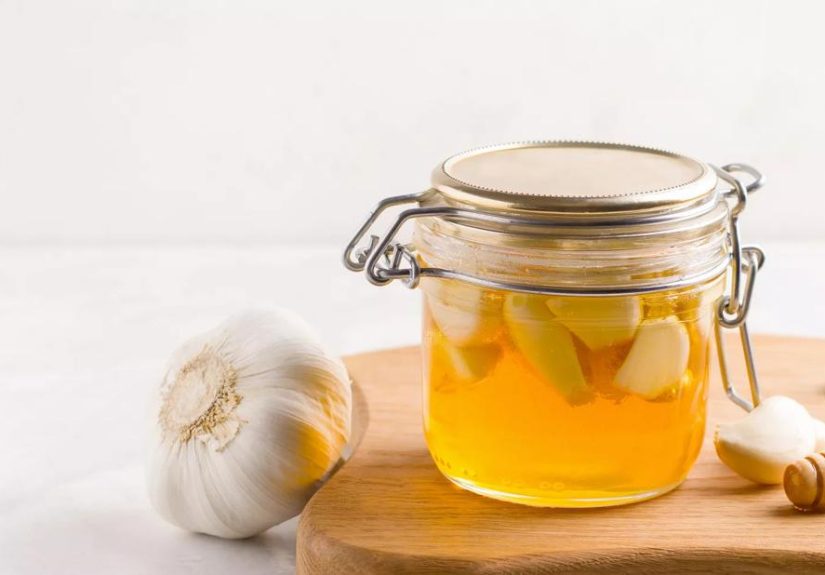
Fermented garlic in honey has built a strong reputation as a natural cold remedy. It sounds impressive, looks rustic in a jar, and has just enough old-school charm to make you feel like your grandmother and a trendy food blogger teamed up to fight your sore throat. But does it actually help? The honest answer is both more boring and more useful than internet hype: it may help you feel better, but it is not a cure for the common cold.
If you want the short version, here it is: honey has the stronger evidence for easing cough and soothing an irritated throat, while garlic has promising health properties but weaker proof when it comes to actually preventing or treating colds in real people. Fermenting garlic in honey may make the mixture easier to eat and more enjoyable to use, but it does not magically transform it into a cold-destroying superhero.
The Short Answer: Is Fermented Garlic Good for Colds?
Yes, fermented garlic and honey may be helpful for cold comfort, but not because it “kills” a cold overnight. The biggest likely benefit comes from honey’s soothing effect on coughs and sore throats. Garlic may offer some immune-supporting and antimicrobial potential, but the clinical evidence for garlic as a true cold treatment is still limited.
So if your question is, “Will fermented garlic honey make me feel a bit more human while I wait for this cold to leave my body?” the answer is: probably, for some people. If your question is, “Will it cure my cold by tomorrow morning so I can return to work like a heroic Victorian novelist?” no. Sorry. That is not how rhinoviruses operate.
Why Garlic and Honey Get So Much Attention
The combination makes intuitive sense. Honey is thick, smooth, sweet, and naturally soothing. Garlic is sharp, pungent, and has a long history in traditional wellness practices. Put them together and you get a mixture that feels medicinal, even before you know what the science says.
People also love remedies that do two things at once: they comfort the body and make you feel proactive. That matters more than it sounds. Colds usually have to run their course, and when you feel miserable, even a remedy that mainly reduces throat irritation, helps coughing at night, or makes warm tea more pleasant can earn a permanent spot in your routine.
Another reason fermented garlic honey is popular is taste. Plain raw garlic can feel like a dare. Fermented garlic in honey is usually mellower, softer, and easier to swallow. That makes it more realistic for people who want a home remedy they will actually use instead of one that sits in the fridge like a tiny jar of regret.
What Garlic Can Do and What It Probably Cannot
Garlic’s strengths
Garlic has been studied for a wide range of possible health effects. It contains bioactive compounds that researchers have linked to immune function, inflammation, and antimicrobial activity. That is why garlic often shows up in conversations about natural cold remedies, especially during cold and flu season.
There is also a long tradition of using garlic for respiratory complaints, throat discomfort, and general “I feel awful, bring me soup” situations. From a food perspective, garlic is a flavorful ingredient with potential wellness perks. From a supplement perspective, it is taken more seriously, because concentrated forms may have stronger effects and stronger side effects.
Garlic’s limits
Here is where the hype needs a reality check. Clinical evidence for garlic specifically preventing or treating the common cold is still not strong. Some research suggests there could be a benefit, but the available studies are limited, small, or not robust enough to support big claims. In plain English: garlic is interesting, but the science is not strong enough to call it a reliable cold cure.
That means you should think of garlic as a potentially supportive ingredient, not as a replacement for sleep, fluids, symptom care, or medical treatment when you truly need it.
Raw garlic vs. fermented garlic
Fermented garlic sounds more powerful, but “fermented” does not automatically mean “better for colds.” In practice, fermenting garlic in honey may mostly improve the eating experience. It can soften garlic’s bite, blend the flavors, and create a spoonable mixture that is easier on the throat than chewing a raw clove like you are trying to win a survival contest.
There is not strong clinical evidence showing that fermented garlic honey works better for colds than regular honey plus garlic, or than honey alone for cough relief. So while the mixture can be useful, the word fermented should not trick you into expecting pharmaceutical-level results.
Why Honey Deserves More Credit Than It Usually Gets
If garlic is the dramatic friend in this remedy, honey is the one quietly doing the actual work.
Honey is well known for soothing irritated throat tissue and calming coughs. That is a big deal with colds, because the cough is often what makes the whole experience feel endless. You can survive a runny nose. A scratchy throat is annoying. But a cough that wakes you up every hour? That is when people start Googling old-world remedies at 2 a.m.
Honey works partly because of its texture. It coats the throat, which can temporarily reduce irritation and make swallowing more comfortable. It may also help reduce nighttime cough symptoms, which can improve sleep. And if you have ever had a cold, you know sleep is not a luxury. It is the main event.
Warm water, tea, or lemon water with honey can feel especially comforting because you are stacking relief: warmth, hydration, and throat-soothing sweetness all in one mug. That does not mean the virus packs its bags and leaves, but it can mean you stop glaring at the ceiling for a few blessed minutes.
Garlic and Honey Together: What Benefits Make Sense?
When combined, garlic and honey may offer a few reasonable benefits for someone with a cold:
1. Throat comfort
Honey does the heavy lifting here, but the mixture can be soothing when your throat feels dry, scratchy, or raw from coughing.
2. Cough support
A spoonful of honey-based mixture may help calm a nagging cough, especially at night. This is one of the most practical reasons people reach for garlic and honey.
3. Better tolerance of garlic
Honey makes garlic easier to consume. That matters because a remedy is only helpful if you can actually take it without making a face like you just bit into a battery.
4. A comforting ritual
There is real value in routines that encourage rest, hydration, and simple symptom management. Taking a small spoonful of garlic honey, sipping warm tea, and settling down to rest can support recovery habits even if the mixture itself is not a cure.
5. Possible mild immune support
Garlic may contribute some supportive benefits, but this is where it is important not to exaggerate. Think “potential helper,” not “cold assassin.”
What Fermented Garlic Honey Will Not Do
Let us save you from disappointment and overconfident social media captions. Fermented garlic honey will not:
• Cure a cold instantly.
• Replace rest, fluids, or standard symptom care.
• Treat bacterial complications that need medical attention.
• Replace antivirals if you actually have flu or COVID-19 and qualify for treatment.
• Guarantee the same results for everyone.
That last point matters. Some people swear by it. Others try it once and decide they would rather just use plain honey and move on with their lives. Bodies are different. Colds are different. Taste tolerance is definitely different.
How to Use It Sensibly When You Have a Cold
If you want to try fermented garlic honey for cold symptoms, the most sensible approach is to use it as part of a broader comfort routine.
A small spoonful on its own may feel soothing. Stirring a bit into warm water or tea can also work well, especially when your throat is irritated. Some people prefer it before bed, when the goal is less “biohacking” and more “please let me sleep without coughing every 20 minutes.”
Pair it with basics that actually matter: drink enough fluids, rest more than usual, use saline nasal spray if you are congested, and consider a humidifier if dry air is making your throat worse. If you feel run-down, eat simple foods that are easy to tolerate. Soup may not be glamorous, but it has a better public relations record than most internet remedies.
And remember, if you are using this for a child, honey should never be given to any infant under 1 year old.
Who Should Be Careful With Garlic and Honey?
Even “natural” remedies are not automatically risk-free. Garlic can cause stomach upset, breath and body odor, nausea, and abdominal discomfort in some people. If you already feel queasy from a cold, a strong garlic mixture may not exactly improve morale.
More importantly, garlic supplements and large medicinal amounts of garlic can increase bleeding risk and may interact with medications, especially blood thinners. If you take anticoagulants, aspirin regularly, or have a condition that affects bleeding, it is smart to ask your healthcare provider before going all in on concentrated garlic products.
Honey also has one non-negotiable warning: never give it to babies younger than 12 months because of the risk of infant botulism.
If you have diabetes, reflux, a sensitive stomach, food allergies, or you are pregnant and considering supplement-level garlic use rather than normal food amounts, it is reasonable to check with a clinician instead of taking advice from the nearest mason jar.
When a “Cold” Needs More Than Home Remedies
Most common colds get better on their own. Symptoms often peak in the first few days and then gradually improve, though cough and runny nose can hang around longer than anyone invited them to.
Still, there are times when it is better to stop experimenting with kitchen remedies and get medical advice. Seek care if you or your child has trouble breathing, signs of dehydration, a fever that lasts more than four days, symptoms that last more than 10 days without improving, or symptoms that improve and then come roaring back.
If you are at higher risk for severe illness and your “cold” might actually be flu or COVID-19, contact a healthcare provider early. Cold-like symptoms can overlap, and timely treatment matters for some people. Also, a very intense sore throat, wheezing, chest pain, or worsening symptoms deserve more than a spoonful of optimism.
What Actually Helps a Cold, Besides Garlic and Honey
If you want a smarter cold routine, think in layers:
Rest: Not glamorous, still elite.
Fluids: Water, broth, tea, and other hydrating drinks help with comfort and mucus management.
Honey: Great for soothing cough and throat irritation in people over age 1.
Saline spray or drops: Useful for nasal congestion.
Humidified air: Can reduce dryness and make breathing more comfortable.
Salt-water gargles: A classic for a reason.
OTC symptom relief: Pain relievers, fever reducers, and other over-the-counter options can help, though they do not cure the cold.
In other words, fermented garlic honey can be part of the plan. It just should not be the entire plan.
Experiences People Commonly Report With Fermented Garlic and Honey
One reason fermented garlic honey has remained popular is that the experience of using it often lines up with what people want most during a cold: quick comfort, simple ingredients, and a feeling that they are doing something helpful. Many people describe taking a small spoonful when their throat starts to feel scratchy or when a dry nighttime cough begins to act like it pays rent.
A common experience is that the first taste is better than expected. Raw garlic alone can be harsh, but once it sits in honey, the sharp edge tends to mellow. People who would never chew a garlic clove straight often find the honey version surprisingly manageable. Some even grow to like it. That may not sound like science, but it matters. If a home remedy is too unpleasant, most people abandon it after one dramatic attempt and a glass of water.
Another frequently reported experience is throat relief rather than full-body relief. In other words, people often say, “My throat felt better,” or “It calmed my cough enough to sleep,” not “My cold vanished.” That distinction is important. The mixture may be more noticeable for localized symptoms, especially dryness, irritation, and mild coughing, than for congestion, fatigue, or body aches.
Some people prefer taking it at bedtime, when coughing is usually worse and patience is usually lower. A spoonful before sleep, followed by warm tea or water, often becomes part of a calming ritual. The ritual itself can be powerful. When you are sick, comfort routines reduce stress and help you settle down, which can make the whole experience feel more manageable.
Parents of older children and adults caring for themselves often describe honey as the more dependable part of the remedy. Garlic gets the headlines, but honey gets the compliments. That tracks with current evidence. People may feel that garlic adds an extra “wellness” boost, while honey offers the immediate soothing effect they can actually notice.
There are also people who try fermented garlic honey and decide it is not for them. Some report stomach irritation, garlic aftertaste, reflux, or simply a strong dislike of the flavor. Others find that plain honey in warm tea works just as well for their cough without the garlic drama. That is a perfectly reasonable conclusion. A home remedy does not fail just because it is not your thing.
Overall, the most realistic experience is this: fermented garlic honey can be a comforting, mildly helpful addition to cold care, especially for throat irritation and cough, but it usually works best as one small player on a larger team that includes sleep, hydration, humidity, and time. Not magical. Not useless. Just a practical pantry remedy with a good reputation and a manageable ceiling.
Final Verdict
So, is fermented garlic good for colds? It can be good for comfort, especially when paired with honey, but the benefits are mostly about symptom relief rather than curing the infection itself. Honey has the better track record for cough and throat relief. Garlic brings possible supportive benefits, but the research for colds is still too limited to justify miracle claims.
The smartest take is also the least flashy: fermented garlic honey is a useful home remedy for some people, not a substitute for evidence-based care. If it helps you cough less, swallow more comfortably, and get a better night’s sleep, that is a win. Just do not confuse “helpful” with “healed.”
Use it with common sense, skip it for babies under 1, be careful if you take blood thinners, and call a healthcare provider if symptoms are severe, prolonged, or suspiciously not acting like an ordinary cold.
Sometimes the best remedy is not the fanciest one. Sometimes it is just a warm mug, a quiet room, enough sleep, and a spoonful of something that makes your throat stop filing complaints.