Table of Contents >> Show >> Hide
- What Is a Short-Handled Brush and Crumb Collector?
- Why This Tiny Tool Matters More Than You Think
- Where a Short-Handled Brush and Crumb Collector Works Best
- What to Look for When Choosing One
- How to Use It the Right Way
- Common Mistakes to Avoid
- Care and Maintenance Tips
- Why It Is Also a Style Object
- Short-Handled Brush and Crumb Collector vs. Other Cleanup Tools
- The Everyday Experience of Using One
- Real-Life Experiences With a Short-Handled Brush and Crumb Collector
- Final Thoughts
There are two kinds of people in the kitchen: the ones who calmly sweep away crumbs as they appear, and the ones who somehow create a full breadcrumb ecosystem between breakfast and lunch. If you belong to the second group, welcome. A short-handled brush and crumb collector may sound like the fussiest little tool in the drawer, but it is one of those humble objects that quietly makes daily life easier. It is fast, compact, oddly satisfying to use, and surprisingly good at turning a messy countertop into a civilized surface again.
At first glance, this tool looks almost too simple to deserve attention. It is basically a small handheld brush paired with a dustpan or integrated collector. But that simplicity is the point. Instead of dragging out a full broom, wasting paper towels, or chasing crumbs with a damp rag that only smears them into paste, you get a quick, dry cleanup solution for tables, counters, desks, shelves, and even tablecloths. In other words, it is a tiny cleanup hero with excellent manners.
What Is a Short-Handled Brush and Crumb Collector?
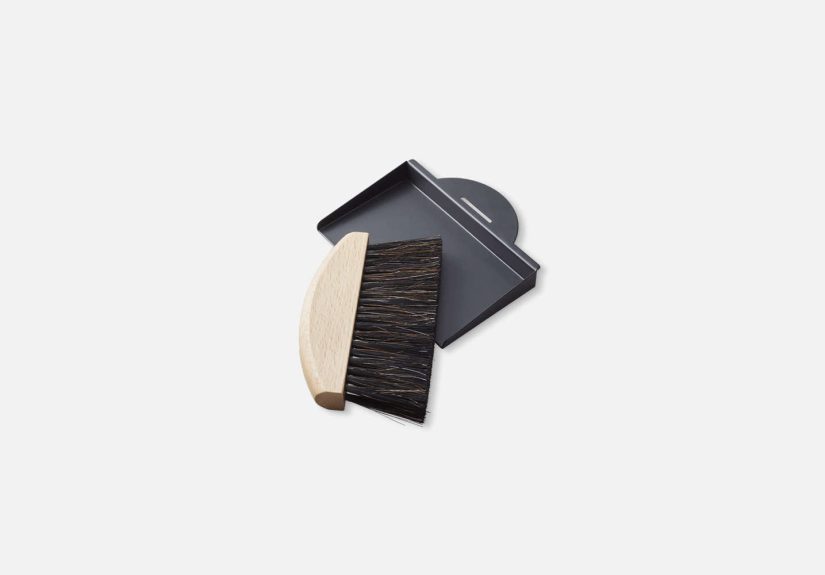
A short-handled brush and crumb collector is a compact cleaning tool designed for small dry messes. Think bread crumbs, coffee grounds, flour dust, pastry flakes, snack debris, dry cereal confetti, and those mysterious countertop sprinkles that appear even when no one remembers spilling anything. The brush is usually small enough to fit comfortably in one hand, while the collector is either a matching mini dustpan or a built-in compartment that catches debris as you sweep.
This category includes tabletop crumb brushes, mini dustpan-and-brush sets, compact counter brushes, and small sweepers made for food-prep or dining surfaces. Some are made with wood and natural-looking bristles for a classic, design-forward feel. Others lean practical, with plastic bodies, synthetic bristles, rubber lips, and vertical storage features. Fancy or basic, the purpose is the same: pick up dry debris quickly without turning cleanup into a full production.
Why This Tiny Tool Matters More Than You Think
Small messes are the ones most likely to be ignored. A flour storm after baking cookies. Toast debris around the cutting board. Coffee grounds beside the grinder. Crumbs under the fruit bowl that somehow look both tiny and offensive. These messes are not dramatic enough to inspire a deep clean, but they are annoying enough to make a kitchen feel grubby.
That is exactly where a short-handled brush and crumb collector shines. It encourages fast maintenance because it removes friction from the task. You do not need to plug anything in, unfold anything, or sacrifice half a roll of paper towels. You see the mess, sweep it up, and move on with your day like the organized adult your younger self assumed you would become.
It also helps protect surfaces. Wiping gritty crumbs across wood, laminate, painted finishes, or delicate countertops can create tiny scratches over time. A soft brush lifts dry debris first, which is a smarter first step before using a cloth or cleaner. That simple habit makes your cleaning routine more efficient and a little less chaotic.
Where a Short-Handled Brush and Crumb Collector Works Best
Kitchen counters
This is the obvious one. If you bake, slice bread, grind coffee, toast anything, or own children, your counters are crumb territory. A compact crumb brush is perfect for dry debris before wiping the surface clean.
Dining tables
Instead of brushing crumbs onto the floor like a dinner-party villain, you can sweep them neatly into the collector. It is especially useful after pastries, crackers, granola, or anything flaky enough to explode on contact.
Coffee bars and breakfast stations
Coffee grounds, sugar crystals, tea leaves, and cereal dust all qualify as repeat offenders. A mini brush set makes these zones much easier to reset in seconds.
Desks, craft tables, and hobby spaces
Not every crumb is edible. Pencil shavings, eraser bits, glitter fallout, dried clay crumbs, and paper scraps are all fair game. The same brush that handles cookie debris can also rescue a messy workspace.
Small apartments and shared spaces
When storage is tight, a compact cleaning tool earns its keep fast. It takes up little room, works immediately, and saves you from hauling out larger supplies for tiny messes.
What to Look for When Choosing One
Comfortable handle length
Short-handled does not mean awkward. The best brushes fit naturally in the hand and let you guide debris with control. A slightly angled handle can help on countertops, while a rounded wooden grip often feels more tactile and classic.
Bristle type
This matters more than people think. Soft to medium bristles are best for crumbs and fine debris on finished surfaces. Synthetic bristles tend to be durable, easy to maintain, and good for frequent use. Natural-style bristles can feel gentler and look beautiful, but they may need a bit more care. If the tool is meant for food-prep spaces, choose something easy to clean and appropriate for repeated kitchen use.
Collector design
A good crumb collector should actually collect crumbs, which sounds obvious until you use a bad one and watch debris perform a dramatic escape. Look for a well-shaped lip, smooth edge, or collector tray that sits flush enough to guide particles in rather than scatter them around like confetti at a parade.
Storage
Some sets snap together, stand upright, or fit in a drawer. Others are attractive enough to leave out on a counter. The best storage system is the one that makes the tool easy to grab every day.
Material quality
Wood, bamboo, polypropylene, nylon, and metal all show up in this category. Wood and bamboo can look warmer and more decorative. Plastic and synthetic materials are often lighter, tougher, and easier to rinse clean. There is no single winner here. It depends on whether you prioritize style, durability, or low-maintenance care.
How to Use It the Right Way
Using a short-handled brush and crumb collector is blissfully uncomplicated, but a few small techniques make it work better.
First, keep the surface dry. This tool is designed for dry debris, so do not turn crumbs into glue with a wet sponge before you sweep. Second, use short, controlled strokes rather than aggressive swipes. The goal is to guide crumbs into the collector, not launch them into a neighboring time zone. Third, work from the outer edges inward. That keeps debris contained and reduces the chance of missing the annoying little bits hiding near the backsplash, table seam, or cutting board corner.
For extra-fine debris like flour or coffee dust, angle the brush slightly lower and move more slowly. For flaky pastry fallout, a few light passes usually do the trick. Once the crumbs are collected, empty the pan right away. Leaving yesterday’s toast remains in your cute little brush set is not exactly the luxury-kitchen moment we are going for.
Common Mistakes to Avoid
Using it on wet spills
This is a crumb collector, not a miracle worker. Wet sauces, sticky syrup, and greasy smears need a cloth or sponge after dry debris is removed.
Choosing bristles that are too stiff
Very stiff bristles can scatter fine crumbs or feel harsh on delicate finishes. For countertops and tabletops, gentler is usually better.
Skipping maintenance
A dirty brush spreads dirt. Shake out loose debris, wipe the collector clean, and occasionally wash or spot-clean the tool according to its material.
Treating it like a decorative object only
Yes, some of these are beautiful enough to live on open shelving. But the whole point is daily use. Let it earn its spot.
Care and Maintenance Tips
Maintenance is refreshingly low-drama. After each use, tap out debris and wipe the collector. If the brush has synthetic bristles, you can usually clean them with mild soap and warm water, then let the tool dry thoroughly. If the handle is wood or bamboo, do not soak it like a soup dumpling. Wipe it with a damp cloth, use a little mild soap when needed, and dry it promptly.
If crumbs or dust get trapped deep in the bristles, use your fingers, a second clean brush, or a quick rinse to loosen buildup. Let everything dry fully before putting the tool away. Moisture trapped in natural materials is never a charming surprise.
With decent care, a good short-handled brush and crumb collector can last a long time. This is part of its appeal. It is reusable, practical, and often more efficient than disposable cleanup habits.
Why It Is Also a Style Object
Some cleaning tools are destined for the darkest cabinet corner. This one often gets promoted to visible countertop status. That is because the best crumb brushes occupy a rare category: useful and pretty. A well-made wooden brush with a small matching collector feels a bit old-world, a bit bakery-chic, and a lot more thoughtful than a wad of paper towels beside the toaster.
It also taps into a bigger shift in how people think about cleaning tools. When everyday objects are attractive, they are more likely to be used. A tool that looks good on a shelf is a tool that gets grabbed quickly. Good design does not just make a product more photogenic. It makes habits easier.
Short-Handled Brush and Crumb Collector vs. Other Cleanup Tools
Versus paper towels
Paper towels are fine for wet messes, but for dry crumbs they often feel wasteful and oddly ineffective. They smear fine debris, miss corners, and disappear fast.
Versus a full broom and dustpan
A full-size set makes sense for floors, not for two tablespoons of toast rubble on the counter. The smaller tool is faster and more precise.
Versus a handheld vacuum
Handheld vacuums are great, but they are noisier, bulkier, and usually overkill for a quick tabletop reset. A crumb brush is quiet, instant, and never needs charging.
Versus wiping with a cloth first
Wiping before removing dry debris can push particles into seams and corners. A brush-first approach is usually neater and less frustrating.
The Everyday Experience of Using One
The real charm of a short-handled brush and crumb collector is not just that it works. It changes the rhythm of cleanup. Instead of saving every mess for a larger cleaning session, you start tidying as you go. After slicing a loaf, you sweep. After breakfast, you sweep. After your teenager makes toast with the precision of a raccoon in a hurry, you definitely sweep.
That rhythm matters. Kitchens feel calmer when messes do not sit around all day. Tables look more inviting. Counters become easier to wipe. Tiny jobs stay tiny. It is the kind of tool that supports good habits without being preachy about it, which honestly is more than can be said for most organizing advice on the internet.
Real-Life Experiences With a Short-Handled Brush and Crumb Collector
Living with a short-handled brush and crumb collector is one of those experiences that sounds underwhelming until you actually try it. Then suddenly you become the sort of person who says things like, “No, no, leave the crumbs, I have a system.” It tends to earn its place not because it is flashy, but because it fits into normal life with suspicious ease.
In a busy kitchen, the biggest difference is speed. Imagine making toast on a weekday morning, cutting fruit, pouring cereal, answering a text, and trying not to burn eggs at the same time. That is not the moment for a full cleaning routine. But it is the moment for three quick swipes of a crumb brush across the counter and into a little collector. The mess disappears before it has time to become part of the decor.
Bakers tend to love these tools for a different reason. Flour dust, pastry flakes, sugar crystals, and tiny scraps of dough can make a workstation feel chaotic even when the baking itself is going well. A short-handled brush lets you reset your area between steps without dragging moisture into the mix. That matters. Anyone who has ever smeared damp dough bits around a counter knows the line between “tidying up” and “creating a paste-based nightmare” is very thin.
At the dining table, the experience is oddly elegant. There is something satisfying about brushing crumbs neatly into a collector after muffins, biscuits, or crackers instead of shoving everything into your palm and hoping for the best. It feels more intentional, a little old-school, and surprisingly polished for such a small task. It is the domestic version of buttoning a blazer: not necessary, exactly, but instantly more put-together.
People in small apartments often notice another benefit: this tool reduces cleanup friction. When storage is limited, large cleaning equipment can feel like a commitment. A mini brush and collector live in a drawer, on a shelf, or right on the counter without demanding a whole closet. Because it is visible and easy to reach, it gets used more often. That simple accessibility can make a home feel cleaner with less effort overall.
There is also the quiet satisfaction factor. You know that tiny burst of joy when a tool does exactly what it is supposed to do? That is this. The brush catches the crumbs. The collector holds them. The counter looks better. No batteries, no cords, no dramatic setup, no need to consult a manual written in six-point font. Just a quick, almost ceremonial little cleanup that makes the space feel reset.
Even households with kids or pets tend to find it useful. Snack debris multiplies with alarming confidence, and a small brush makes it easier to keep up between bigger cleans. It is also handy in coffee corners, desk drawers, craft zones, and anywhere else fine debris gathers like it pays rent.
What surprises most people is how quickly this tiny object becomes part of the routine. You stop thinking of it as a specialty item and start thinking of it as the thing you reach for automatically. That is usually the sign of a genuinely good household tool: not that it impresses you once, but that it quietly keeps being useful over and over again.
Final Thoughts
The short-handled brush and crumb collector is proof that small tools can do big work. It is practical, reusable, compact, and genuinely helpful in the kinds of daily messes that make kitchens and dining areas look more chaotic than they really are. Whether you prefer a sleek modern version, a classic wood-and-bristle design, or a tiny brush-and-pan set that lives beside the toaster, the appeal is the same: faster cleanup, less waste, better habits, and a countertop that no longer looks like it lost a fight with a croissant.
If your current crumb strategy involves brushing everything onto the floor and pretending gravity is a cleaning plan, this little tool might be your upgrade. Small? Yes. Silly-sounding? Also yes. Useful? Absolutely.