Table of Contents >> Show >> Hide
- Why Mudrooms and Entryways Matter More Than You Think
- 1. Start With the Drop-Zone Mindset
- 2. Benches Are the Quiet Heroes of Great Mudroom Design
- 3. Mix Open Storage With Closed Storage
- 4. Small Entryway Ideas That Punch Above Their Weight
- 5. Shoes Deserve Their Own Strategy
- 6. Durable Materials Make Beautiful Spaces Last Longer
- 7. Add Personality, Not Clutter
- 8. Mudroom and Entryway Ideas for Real Families
- How to Pull Off the Look Without a Full Renovation
- Real-Life Experiences With Mudrooms and Entryways
- Conclusion
There are two kinds of home arrivals: the graceful kind where you glide in, hang up your coat, kick off your shoes, and feel like the star of a cozy lifestyle commercial, and the other kind where a backpack lands on a chair, one sneaker disappears into the void, and your keys begin a thrilling hide-and-seek adventure. A well-designed mudroom or entryway exists to make sure your home sees a lot more of the first version and a lot less of the second.
The best mudrooms and entryways are not just pretty corners with a cute mirror and a hopeful basket. They are hardworking spaces that greet guests, catch clutter, tame wet boots, organize school gear, and quietly save your mornings. Whether you have a full mudroom, a narrow hallway, a blank wall by the front door, or one very ambitious closet, there are endless ways to create a drop zone that feels polished and practical.
This guide takes inspiration from more than 100 real-life mudrooms and entryways and distills the smartest ideas into one easy-to-read playbook. You will find small entryway ideas, mudroom storage strategies, design details worth stealing, and plenty of examples to help you build a space that works for real people with real stuff. Because yes, the dream is beautiful built-ins. But the real goal is knowing exactly where the dog leash is at 7:42 a.m.
Why Mudrooms and Entryways Matter More Than You Think
In design terms, the entryway is your home’s handshake. In real life, it is command central. It is where shoes pile up, umbrellas drip, grocery bags get dropped, and kids suddenly remember they needed a permission slip signed yesterday. That is why the most inspiring mudrooms and entryways do two jobs at once: they create a strong first impression and they make daily life easier.
When these spaces work well, the whole house feels calmer. Clutter stops at the door instead of migrating to the kitchen island, the sofa arm, and every flat surface with a pulse. Even a tiny entry can create order if it includes the right mix of storage, seating, lighting, and style. The trick is not stuffing the area with furniture. The trick is giving every frequent item a clear home.
1. Start With the Drop-Zone Mindset
Everyday essentials need a landing spot
The most successful mudroom ideas begin with a simple question: what actually comes in and out of this door every day? Coats, shoes, backpacks, keys, mail, lunch bags, sports gear, umbrellas, dog leashes, reusable totes, and the occasional mystery water bottle all need a home. When you plan around your real routine instead of a fantasy routine, your entryway instantly becomes more useful.
A smart drop zone usually includes a few non-negotiables: a place to sit, a place to hang, a place to hide, and a place to drop small items. That can look like a built-in bench with cubbies below, hooks above, and a shallow drawer or bowl nearby for keys and sunglasses. In a smaller entry, it may be a slim console, wall hooks, a shoe tray, and a basket underneath. Different forms, same magic.
Think in zones instead of random objects. One zone for shoes. One for coats. One for grab-and-go essentials. One for paper clutter. One for pet gear. The more specific the zone, the less likely your entryway becomes a pile with decorative ambitions.
2. Benches Are the Quiet Heroes of Great Mudroom Design
Function first, but make it handsome
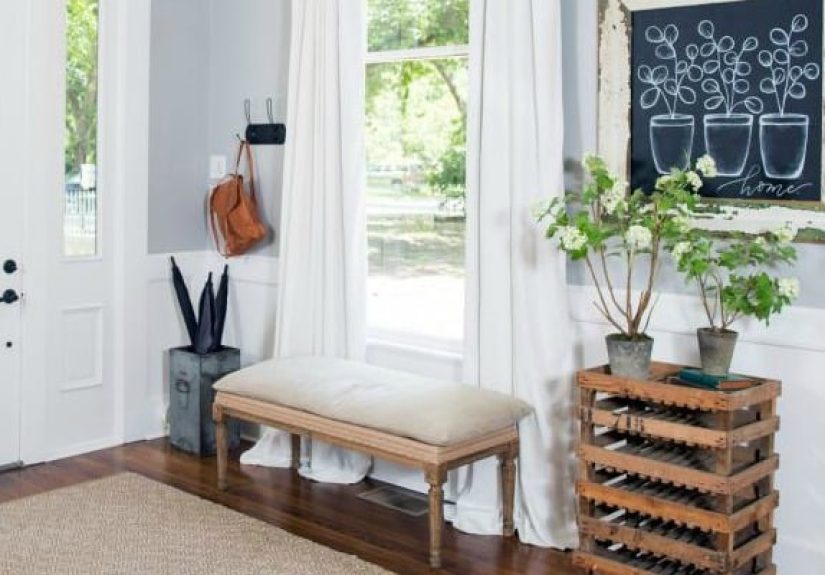
If there were a hall of fame for mudroom storage, the bench would be inducted immediately. A mudroom bench gives you a place to sit while pulling on boots, setting down bags, or pretending for a brief moment that your life is fully organized. It also creates a strong visual anchor that makes the whole entryway feel intentional.
Some of the most inspiring mudrooms use built-in benches with drawers, cubbies, or flip-top storage underneath. These are ideal for busy families because they keep shoes, hats, and seasonal gear contained without turning the room into an obstacle course. Freestanding benches can work just as well, especially in renters’ homes or smaller spaces. Add labeled baskets below and a row of sturdy hooks above, and suddenly even a blank wall starts earning its square footage.
Depth matters here. A bench should be comfortable enough for real use, not just decorative optimism. If you have room, flank it with cabinets or tall cubbies for a more custom look. If not, keep it simple and pair it with a washable runner so the space still feels warm and welcoming.
3. Mix Open Storage With Closed Storage
Pretty and practical can absolutely share a wall
One of the biggest lessons from standout mudrooms and entryways is that you do not have to choose between display and discipline. Open storage keeps daily-use items easy to grab. Closed storage hides visual chaos. The best spaces use both.
Open hooks, shelves, and cubbies are perfect for the things you reach for constantly: jackets, bags, hats, dog leashes, and frequently worn shoes. Closed cabinets, drawers, and baskets are better for less photogenic essentials like sunscreen, spare gloves, shopping bags, lint rollers, charging cords, and the odds and ends that never seem to stop reproducing.
This balance is what makes a mudroom feel collected instead of chaotic. Too much open storage can make the room look busy even when it is technically organized. Too much closed storage can slow down your routine and invite clutter to pile up on the nearest surface instead. The sweet spot is visibility for the essentials and concealment for the visual noise.
4. Small Entryway Ideas That Punch Above Their Weight
No mudroom? No problem
Some homes come with a dreamy mudroom and rows of built-ins. Others offer a sliver of wall and what feels like a personal challenge. The good news is that small entryway ideas can be incredibly effective when they focus on vertical space and multitasking pieces.
A floating shelf with hooks underneath can create a compact command center without eating up floor space. A narrow console with drawers can handle keys, mail, and everyday extras while still leaving room for a lamp or vase. A wall-mounted shoe cabinet, a storage bench, or even a single peg rail can make a tiny foyer feel surprisingly capable.
Closets are also underrated gold mines. Convert a coat closet into a mini mudroom by removing the rod, adding hooks, a bench, cubbies, or shelves, and giving every family member a dedicated zone. Under-stair nooks, garage corners, laundry room edges, and hallway dead zones can all become makeshift mudrooms with a little intention. The point is not having more square footage. The point is assigning the square footage you do have a better job.
5. Shoes Deserve Their Own Strategy
Because they are always plotting a takeover
If your entryway looks messy, there is a very good chance shoes are involved. Mudroom ideas that solve shoe storage well instantly look better and function better. Open cubbies work for grab-and-go households. Drawers or cabinets are great for hiding bulk. Trays help contain muddy or wet footwear. Vertical racks can be a lifesaver in tight spaces. Baskets are useful when you need flexibility, especially for kids’ shoes that seem to multiply overnight.
The most important part is realism. If your family is never going to line up every pair museum-style on a perfect rack, do not build a system that depends on museum behavior. A large woven basket under a bench might serve you better than a complicated rack. A closed cabinet may work better than open shelving if visual clutter makes the whole house feel stressful. Your storage should match your habits, not judge them.
It also helps to limit what lives there. Keep the daily rotation by the door and move out-of-season or rarely worn pairs elsewhere. That one move alone can make your entryway feel twice as big.
6. Durable Materials Make Beautiful Spaces Last Longer
Design for real weather, real feet, and real life
The most inspiring entryways are not fragile. They are beautiful because they are built to handle life. Mudrooms especially need materials that can stand up to rain, mud, snow, pet paws, sports gear, and general household chaos without asking for a dramatic fainting spell.
Tile is a favorite for good reason. It is durable, easy to clean, and available in everything from classic checkerboard to playful penny tile to brick-look pavers. Washable runners and performance rugs warm up the room while helping catch dirt at the door. Quartz countertops, painted millwork, beadboard, and wipeable wall finishes add polish without making maintenance miserable.
This is also the perfect place to have fun with pattern and color. Since mudrooms and entryways are usually smaller than major living spaces, they can handle bold wallpaper, dramatic paint, or graphic flooring beautifully. Think of them as the home’s handshake with a little personality. You can go classic with black and white, earthy with warm wood and stone, or cheerful with color-drenched cabinetry. Just make sure the pretty stuff can also survive boots.
7. Add Personality, Not Clutter
Style should support function, not fight it
There is a fine line between a charming entryway and one that looks like a decorative shelf had a very stressful day. The best entryway decor enhances function. A mirror reflects light and helps with last-minute hair checks. A lamp creates a warm welcome. Art adds character. A tray corrals keys. A vase or small plant keeps the area from feeling too utilitarian.
But this is not the place for breakables, oversized decor, or ten tiny accessories that turn every surface into a dusting assignment. Edit hard. A few thoughtful pieces will always look better than a collection of random objects that quietly encourage clutter. Mudrooms and entryways need breathing room. Guests should feel welcomed, not like they are walking through an obstacle course curated by a very stylish raccoon.
Good styling also echoes the rest of the home. If your house leans coastal, farmhouse, modern, traditional, or eclectic, the entryway should hint at that story right away. That continuity makes even a practical mudroom feel designed, not improvised.
8. Mudroom and Entryway Ideas for Real Families
Customization changes everything
The most useful mudroom storage ideas are the ones shaped around the people who live there. Families with school-age kids may need one cubby and set of hooks per child, plus extra room for backpacks, lunch boxes, and sports gear. Pet owners may want leash hooks, towel storage, and a washable mat by the door. Gardeners may benefit from utility storage, a sink, or a cabinet for gloves and tools. Apartment dwellers may need one compact wall system that does everything.
Labeling can help, especially when multiple people share the same entry. So can keeping child-friendly storage low enough for kids to use without adult intervention. That is the whole point, after all. A beautifully organized mudroom loses some sparkle if only one person in the house can reach the hooks.
If you are designing from scratch, think ahead about how your routine changes by season. Winter needs more coat and boot storage. Summer may need swim bags, hats, and sandals. Fall sports gear has its own personality. Flexible storage wins every time.
How to Pull Off the Look Without a Full Renovation
You do not need custom millwork and a contractor on speed dial to build a better entryway. Start with the basics: hooks, a bench or stool, a shoe solution, and one catchall for small items. Then layer in one upgrade at a time. Add wallpaper to the back wall. Paint the trim a richer color. Swap in a washable runner. Hang art above the bench. Use matching baskets for a cleaner look. Replace random hooks with a more intentional rail. These changes add up fast.
If you have a little more budget, consider cabinetry, a built-in bench, upgraded lighting, or tile flooring. But even modest changes can make a space feel polished. The goal is not perfection. It is an entryway that supports your routine so well that the house feels easier to live in from the second you step inside.
Real-Life Experiences With Mudrooms and Entryways
One of the most eye-opening things about living with a thoughtfully designed mudroom or entryway is how quickly the whole house starts behaving better. That sounds dramatic, but it is true. When people walk in and immediately know where shoes go, where bags land, where keys belong, and where wet umbrellas should drip without ruining the floor, the daily mood shifts. The front door stops being a collision point and starts feeling like a reset button.
In homes with kids, the difference is especially noticeable during rushed mornings. A bench under hooks sounds simple until you realize it saves those awkward hopping-on-one-foot shoe moments that somehow happen when everyone is already late. Individual cubbies can cut down on the daily chorus of “Where’s my backpack?” because each child has a visible, repeatable spot for their things. It is not magic, but on weekday mornings it can feel suspiciously close.
For adults, the experience is a little different but equally satisfying. There is something deeply calming about walking into a home and being greeted by order instead of visual noise. A tray for keys means fewer frantic searches. A drawer for mail keeps the kitchen counters cleaner. A cabinet for shoes makes the room look finished, even on busy days. Small systems remove dozens of tiny frictions, and that adds up more than most people expect.
Pet owners often discover that an entryway can become the unofficial headquarters for furry logistics. Leashes, harnesses, waste bags, towels for muddy paws, and even pet treats all fit naturally into this zone. Once those items have a designated home, walks become easier and the rest of the house stops absorbing the overflow. It is one of those subtle quality-of-life upgrades that makes you wonder why you tolerated the old system for so long.
Seasonal changes also reveal how valuable a flexible mudroom can be. In rainy months, a washable rug and a sturdy shoe tray earn their keep almost instantly. In winter, a deeper bench, extra hooks, and baskets for gloves and hats suddenly feel brilliant. In summer, the same space can hold pool towels, sun hats, and sandals without missing a beat. A good mudroom does not just store stuff. It adapts to what your life looks like right now.
There is also an emotional side to these spaces that often gets overlooked. Entryways are transitional by nature. They mark the shift between outside stress and inside comfort. When that space is warm, organized, and attractive, coming home feels better. It is a small daily welcome. It says the house is ready for you. That may sound poetic for a wall of hooks, but honestly, a good wall of hooks deserves more praise than it gets.
Even guests notice. They may not compliment your cubby dimensions specifically, but they will feel the ease of a home where there is a natural place to set a bag or remove shoes. A stylish entryway sends a clear signal: this house works. And the best part is that the most effective details are rarely the flashiest ones. It is the bench at the right height, the basket that actually holds the shoes, the hook that is easy to reach, and the drawer that keeps the clutter invisible. These are humble features, but they do heavy lifting.
Ultimately, the real experience of living with one of the most inspiring mudrooms and entryways is not just that it looks better in photos. It is that daily routines become smoother, the house stays tidier longer, and coming home feels a little more generous. That is a pretty impressive return for a space most people used to treat like an afterthought.
Conclusion
The best mudroom and entryway ideas are not about chasing a perfect showroom look. They are about creating a hardworking welcome that fits your home, your habits, and your actual life. Whether you install custom built-ins, repurpose a closet, or simply add a bench and hooks to a blank wall, the right setup can make your home feel more organized, more stylish, and far less chaotic. And if it happens to make your shoes behave for once, that is just excellent design.