Table of Contents >> Show >> Hide
- What Is Guggul, Exactly?
- How Guggul Might Work (And Why That Matters)
- Potential Benefits: What the Evidence Actually Says
- Dosage: What Studies Used vs. What Bottles Claim
- Side Effects and Safety
- Drug and Supplement Interactions
- How to Choose a Higher-Quality Guggul Supplement
- FAQ
- Bottom Line
- Experiences: What People Commonly Notice When Trying Guggul (A 500-Word Reality Check)
If you’ve ever wandered down the supplement aisle, you know it has two vibes: “miracle cure” and “mystery ingredient.”
Guggul sits right in the middlean ancient resin with modern marketing, a long history in Ayurveda, and a research record that’s… complicated.
This guide breaks down what guggul is, what it may (and may not) help with, typical doses used in studies, side effects, and the interactions people forget to check until it’s inconvenient.
Quick safety note: guggul is sold as a dietary supplement in the U.S., which means it isn’t approved by the FDA for safety or effectiveness before it hits shelves.
If you’re pregnant, have a medical condition, take prescription meds, or you’re under 18, talk with a parent/guardian and a clinician before using it.
What Is Guggul, Exactly?
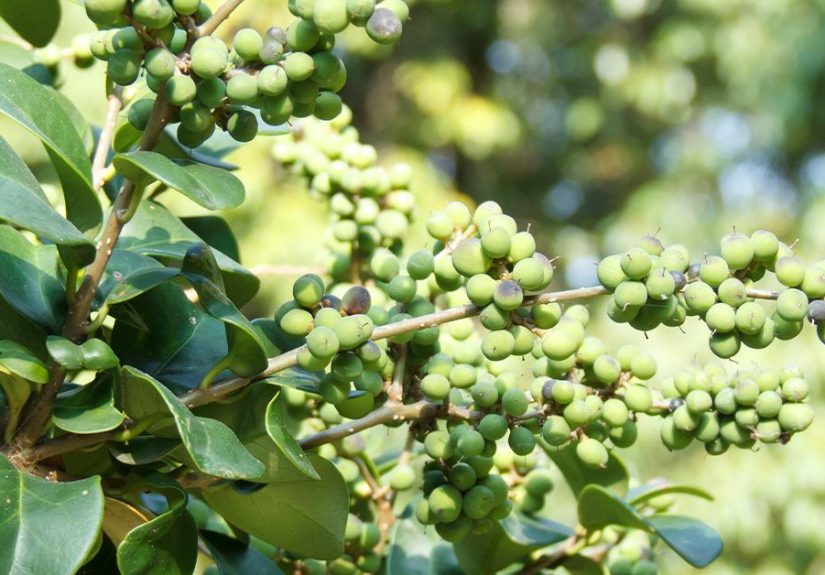
Guggul (also called gum guggulu or guggulipid in extract form) is a fragrant, yellowish resin tapped from the Commiphora treemost commonly
Commiphora mukul (often listed as Commiphora wightii as well). After the sap is collected, it hardens into a resin that can be used
in traditional preparations or processed into standardized extracts.
The best-known active compounds are guggulsterones (often labeled as “E- and Z-guggulsterone”).
You’ll see supplements advertising guggulsterone percentages (like 2.5% or 5%), but products vary a lotboth in potency and in quality controls.
How Guggul Might Work (And Why That Matters)
In lab and animal research, guggulsterones have shown effects on pathways related to inflammation and cholesterol metabolism.
Mechanism talk can sound impressive (“nuclear receptors!”), but here’s the practical takeaway: a mechanism is a hypothesisnot a guarantee of real-world results.
Human bodies don’t always cooperate with petri dishes.
Translation: guggul has biologically plausible actions, but whether those actions reliably translate into meaningful benefits for people depends on dose,
the specific extract, the person, and what “benefit” you’re measuring (labs? symptoms? long-term outcomes?).
Potential Benefits: What the Evidence Actually Says
1) Cholesterol and “Heart Health” Claims
Guggul is famously marketed for cholesterol support. Some earlier studiesmany conducted in Indiasuggested improvements in cholesterol and triglycerides.
But when a well-designed randomized controlled trial was done in the U.S. (in adults eating a typical Western diet),
guggulipid did not lower LDL cholesterol and did increase LDL in a clinically meaningful way in some participants.
What does that mean for normal humans? If your goal is lowering LDL, guggul is not a “safe bet.”
At best, the evidence is mixed. At worst, it may push LDL the wrong wayespecially if you’re relying on it instead of proven lifestyle and medical options.
If you’re considering guggul for lipids, it’s smart to treat it like something that requires lab monitoring (not vibes monitoring).
2) Acne (Including Nodulocystic Acne)
Here’s where guggul gets interesting. In one study summarized by NCCIH, an extract of gum guggul (gugulipid) taken twice daily (25 mg)
was compared with oral tetracycline (500 mg twice daily) for nodulocystic acne in people aged 16–25.
Both groups improved, with similar reductions in inflammatory lesions and no statistically significant difference between them.
Important nuance: “similar outcomes in one study” isn’t the same as “guggul replaces antibiotics.”
Acne is also highly individualdiet, hormones, skincare routines, and stress can change outcomes dramatically.
Still, this is one of the more promising human-use areas worth discussing with a dermatologist (especially if you’re exploring adjunct options).
3) Joint Pain and Osteoarthritis
Guggul shows up in many Ayurvedic formulas used for joint comfort and inflammation.
However, when you zoom in on guggul alone, high-quality evidence for arthritis or osteoarthritis relief is limited.
Some clinical research involves multi-ingredient formulas where it’s hard to know what’s doing what.
If you’re trying to manage joint pain, it’s reasonable to view guggul as “possible but not proven.”
Practical tip: the best test isn’t whether your knees feel slightly better on day threeit’s whether there’s sustained improvement in pain and function over several weeks,
without side effects or interactions.
4) Inflammation, Metabolic Health, and Other “Maybe” Areas
You’ll see claims about weight loss, metabolic syndrome, and inflammation.
In real-world terms, the evidence isn’t strong enough to treat guggul as a primary tool.
For weight management in particular, many “guggul” products are actually multi-ingredient blendsoften with stimulants or other botanicals
which increases both side-effect risk and the “what exactly did I just take?” factor.
Dosage: What Studies Used vs. What Bottles Claim
Common Forms
- Raw gum resin (powder or tablets)
- Standardized extracts labeled as guggulipid or standardized to guggulsterones
- Multi-ingredient formulas (common in “fat burner” and “cholesterol support” blends)
Doses Used in Research (Not a Personal Prescription)
Because clinical trials are limited and products vary, there is no universally “right” dose.
Still, published human studies provide a reference range:
- Hyperlipidemia studies in the U.S. used 75–150 mg/day of standardized guggulsterones in a clinical trial context.
- Anti-inflammatory research has used 500 mg of gum guggul, three times per day in at least one study context.
- Acne study (gugulipid) used 25 mg twice daily in a head-to-head comparison with tetracycline.
How to Use This Info Safely
Think of these numbers as “what researchers tested,” not “what you should do.”
If someone decides to try guggul, the safer approach is usually:
pick a single-ingredient product, avoid stacking multiple stimulant/botanical blends, and loop in a clinicianespecially if you take any medications.
Side Effects and Safety
Commonly Reported Side Effects
The most frequently reported side effects tend to be gastrointestinal or mild systemic symptoms, such as:
headache, mild nausea, belching, hiccups, loose stools, and rash.
Hypersensitivity Rash: The “Stop, Don’t Push Through” Reaction
In a U.S. randomized trial, some participants developed an itchy hypersensitivity rash soon after starting guggulipidoften within 48 hours.
Symptoms generally resolved after stopping, but a few people needed additional treatment.
If you develop a widespread rash, intense itching, facial swelling, trouble breathing, or anything that feels like an allergy: stop and get medical help.
Liver Concerns and Multi-Ingredient Products
Case reports exist of elevated liver enzymes and severe liver injury involving supplements that included gugguloften alongside other ingredients
(for example, “fat burner” type blends).
This doesn’t prove guggul alone causes liver injury, but it’s a strong reminder that multi-ingredient products can raise risk and muddy causality.
Who Should Be Extra Cautious
- Pregnant or breastfeeding people: safety isn’t established; avoid unless specifically cleared by a clinician.
- People with liver disease or a history of supplement-related liver issues.
- People on prescription medications: guggul may change drug levels via metabolism pathways.
- Teens: don’t self-prescribetalk with a parent/guardian and a clinician first.
Drug and Supplement Interactions
CYP3A4 (Medication Metabolism) Interactions
Guggul may affect drug-metabolizing enzymesespecially CYP3A4potentially making certain medications less effective.
That matters because CYP3A4 is involved in processing a long list of common prescriptions.
Examples Noted in Research
In healthy volunteers, guggulipid has been associated with decreased bioavailability of medications such as propranolol and diltiazem.
If you take medications for blood pressure, heart rhythm, anxiety, or migraines, that’s a “check first” situation, not an “oops later” situation.
Hormone-Related Medications
Some references also flag potential interactions with hormone-related therapies (including estrogens).
If you use hormonal contraception or hormone therapy, ask a pharmacist or clinician before using guggul.
How to Choose a Higher-Quality Guggul Supplement
Since supplements aren’t approved by the FDA for effectiveness before marketing, product quality matters.
Here’s how to shop like a skeptical adult (the best kind of adult):
- Look for third-party verification (e.g., USP Verified). Independent testing helps confirm the product contains what the label says.
- Avoid “proprietary blends” that hide dosages. If you can’t see the amount, you can’t judge risk.
- Prefer single-ingredient products if you’re trying guggul. Multi-ingredient “fat burners” are where trouble often lives.
- Check standardization details (if present), such as percentage of guggulsteronesand be consistent with the same brand if you’re monitoring effects.
- Plan for reality-based evaluation: if you’re using it for lipids, you need labs (not just hope and a new water bottle).
FAQ
Is guggul the same as myrrh?
They’re related (both are resins from the Commiphora genus), but they’re not identical.
Labels and botanical names matterso check for Commiphora mukul / Commiphora wightii if you’re specifically looking for guggul.
Can guggul lower cholesterol?
Evidence is mixed. A major U.S. randomized trial did not show LDL lowering and found LDL increases in some participants.
If cholesterol is your goal, involve your clinician and use lab monitoring.
Does guggul help with acne?
There’s at least one study where gugulipid performed similarly to tetracycline for nodulocystic acne in ages 16–25.
It’s promising but not definitiveand acne care should still be guided by a dermatologist when possible.
Bottom Line
Guggul is a traditional resin with modern supplement fame. Its strongest “hype” claimcholesterol loweringdoesn’t consistently hold up in Western research,
and it may raise LDL in some people. Acne support has a more encouraging signal, though still limited. Side effects are usually GI-related, but allergic rashes
and interactions with medications (especially through metabolism pathways) are real concerns.
If you try guggul, do it thoughtfully: choose quality, avoid sketchy blends, and make decisions based on measurable outcomesnot marketing.
Experiences: What People Commonly Notice When Trying Guggul (A 500-Word Reality Check)
Let’s talk “real life,” because supplements don’t happen in a vacuum. They happen in the middle of busy schedules, snack decisions, stress, and people hoping
for a simple answer. And guggullike many botanicalsoften delivers experiences that are subtle, mixed, and strongly dependent on the reason someone tried it.
Experience #1: The cholesterol experiment that requires a lab, not a feeling.
People often start guggul for “heart health” and then try to judge results based on how they feel. But cholesterol doesn’t announce itself with confetti.
A common pattern is: someone takes guggul for a month, feels basically the same, and assumes it’s “working quietly.”
The problem is that a major U.S. trial found guggulipid didn’t lower LDL and could increase it in some people. In the real world, that means the only honest way
to evaluate a cholesterol claim is to check a lipid panel before and after. No lab = no conclusion.
Experience #2: Acne changes can look like “it helped”… or like “my skin is just being skin.”
Some people who try guggul for acne report fewer angry, inflamed breakouts over time, especially when they’re also doing consistent skincare,
avoiding picking, and addressing triggers (sleep, stress, certain products). Others notice no change at all.
That fits with the research reality: one study suggests gugulipid may be comparable to tetracycline for nodulocystic acne in a specific age group,
but that doesn’t guarantee it works for every type of acneor every person.
In practice, acne improvements are often gradual and easy to confuse with natural flare-and-calm cycles, so tracking photos weekly can help separate reality from wishful thinking.
Experience #3: The “my stomach is not amused” phase.
A very common early experience with guggul is mild GI drama: burping, hiccups, loose stools, or a general “my digestive system is sending a memo.”
For some, it settles quickly; for others, it’s a clear sign to stop. This is one reason people often prefer single-ingredient products:
when your stomach complains, you want to know who started the argument.
Experience #4: The rash that shows up fastand should end the trial immediately.
Unlike subtle effects, hypersensitivity rashes can be quick and obvious: itching, redness, and widespread irritation soon after starting.
In a U.S. study, rashes appeared within about 48 hours in some participants and improved after stopping.
The real-life lesson is simple: this is not a “push through it” situation. If you get a rash, stop and get medical advice.
Experience #5: The “I didn’t think about interactions” moment.
Many people forget that botanicals can change how medications work. Some are surprised to learn guggul can affect drug metabolism and may reduce the bioavailability
of certain medications. Real-world takeaway: if you take prescription medsespecially for the heart, blood pressure, hormones, or moodguggul is a “pharmacist question,” not a “TikTok trend.”
Overall, the most honest “experience summary” is this: guggul isn’t usually dramatic. When it helps, it tends to help gradually and inconsistently.
When it causes trouble, it can be immediate (rash) or confusing (interactions). If you approach it like an experimentclear goal, consistent product, careful tracking, and safety checksyou’ll get the best answer for your body.